
Key Takeaways About Standby Generator Installation
Standby generator installation means planning capacity fuel transfer and code compliance for reliable backup power. This guide is for homeowners and property managers preparing for outages or upgrading backup systems.
- Identify essential loads and list appliance starting and running watts.
- Prevent overloads by adding safety margin to calculated generator size.
- Avoid backfeed hazards with a properly rated transfer switch installation.
- Spot fuel and siting constraints that affect runtime and maintenance.
- Reduce corrosion and noise risks with correct enclosure and placement.
- Plan professional diagnostics testing and documented readings for permits.
Introduction
Standby generator installation matters when storms or grid outages cut power for hours or days. A home without planned backup risks spoiled food, frozen pipes, and lost HVAC comfort. Sizing the generator correctly prevents overloads and frequent cycling that shorten equipment life. Homeowners notice flickering lights or persistent breaker trips before a system shows its true limits.
Choosing the right transfer switch determines how circuits get prioritized and how safe the connection will be. Manual or automatic transfer switches change who controls power and how fast the transfer happens. Fuel choice affects runtime, maintenance, and how the system behaves in prolonged outages. Local service availability also plays into which fuel makes the most sense for a property.
Proper code-compliant installation ensures the system ties into the electrical service without risks to occupants or utility workers. Inspectors check grounding, bonding, conduit runs, and clearances to meet safety expectations. A professional will also verify load calculations and confirm the generator matches panel capacity. Visible signs like scorch marks, burning smells, or corrosion can indicate an existing problem needing attention.
Homeowners in Myrtle Beach, SC often face humid coastal conditions that make reliable backup power more urgent. For properties near Conway, SC, longer outages can strain sump pumps, refrigerators, and medical equipment. A technician will use a load calculation, inspect panels, and test starting currents to confirm the right generator size. Those observable checks and readings help create a dependable, code-compliant backup plan.
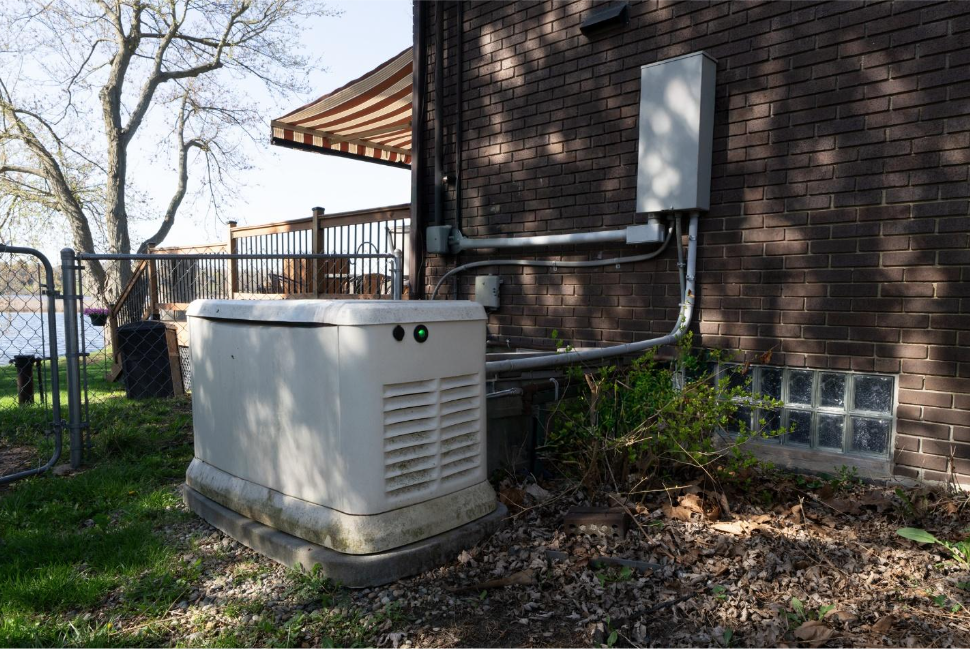
Photo from iStock - Credit: J.A. Dunbar
How Standby Generators Work and Why It Happens
How standby generators produce and route backup power involves an engine, an alternator, a control system, and a transfer switch that isolates the home from the grid. The engine burns fuel to spin the alternator and create AC power that matches household voltage and frequency. Homeowners often ask whether the generator starts automatically during an outage, and the control system can detect loss of utility power and start the engine. A common sign a system is working is the brief delay between outage and restored house power as the generator stabilizes voltage.
- The engine supplies mechanical energy to the alternator.
- The alternator generates alternating current at the correct voltage.
- The control system monitors utility power and starts the generator.
- The transfer switch directs generator power to selected circuits.
- Automatic control manages safe shutdown and cooling after use.
Why generators sometimes fail to power everything comes down to load and starting currents that exceed capacity. Large motors, like air conditioners and well pumps, draw high starting amperage that can trip overload protections. A professional will measure starting current and run a load test to confirm the generator can handle both continuous and surge loads. If you notice dimming lights when motors start, that indicates the system may need a higher-capacity unit or load shedding.
Mechanical or electrical faults can also stop a generator from supplying power despite starting correctly. Visible fuel leaks, heavy exhaust smoke, or unusual engine noises signal mechanical issues that need inspection. An electrician will check voltage readings at the service panel, verify transfer switch contacts, and inspect grounding and bonding to diagnose faults. Those diagnostic steps produce measurable outputs like voltage readings and test reports that guide repairs.
Calculating Load Requirements for Home Backup Power
Begin by listing essential circuits and appliances you want powered during an outage, then convert those into electrical loads in watts. Include continuous loads like refrigerators, sump pumps, and medical devices, plus motor starting loads for HVAC compressors and well pumps. A professional will ask for appliance nameplate data or circuit breaker sizes to calculate accurate wattage. Those inputs help produce a realistic running and peak load estimate for sizing.
Next, account for motor starting currents which can be two to eight times running current depending on motor type and load. An electrician measures locked-rotor or inrush current with a clamp meter during startup where safe to do so. If measured starting currents are high, the solution may include a larger generator or staged load management. Visible signs such as dimming lights when a motor starts tell a technician where to focus measurements.
Perform a service-panel inspection to confirm available breaker space, bus rating, and grounding conductor sizes that affect connection options and safety. The inspector will check for single-line diagrams or label each circuit to ensure critical loads are correctly identified. They will also take voltage readings at the panel under normal conditions to spot supply issues that could affect generator performance. Those readings and a written load-summary report form the basis for the final size recommendation.
After calculating total running and surge wattage, add a safety margin of about 10 to 25 percent to cover future loads and avoid continuous overload. If the required generator size exceeds the property service limits, the professional may suggest load shedding through a transfer switch or panel subfeed design. Homeowners in Myrtle Beach, SC and properties near Conway, SC often need clear documentation showing which circuits transfer to the generator for permit reviewers. For a confirmed recommendation and safe installation plan, schedule a site visit with a licensed electrician who will produce measured readings and a formal sizing report.
Choosing Fuel Options and Local Availability Considerations
Fuel choice affects run time, maintenance, and local refueling logistics for standby generator installation decisions. Natural gas systems offer continuous fuel supply without on-site refills but require a suitable gas line and pressure check. Propane provides high energy density and stable storage when a homeowner wants a tank on site with periodic deliveries. Diesel delivers strong starting power for motor loads but needs regular fuel conditioning to prevent microbial growth and gelling in cool temperatures.
Local availability influences which fuel makes sense for long outages in coastal regions like Myrtle Beach, SC and inland areas near Conway, SC where delivery and service windows differ. A professional will check utility gas capacity, onsite tank placement options, and fuel delivery reliability as part of the site review. They will also review local fuel regulations and any setback or containment requirements that affect where a fuel tank may sit. Those checks determine practical runtime estimates and maintenance intervals for the chosen fuel type.
For safety and code compliance, installers verify combustion air, exhaust routing, and clearances for each fuel option specific to the chosen generator. They measure distances to openings, confirm exhaust pipe sizes, and inspect for proper grounding and bonding that depend on fuel and generator model. A technician will also test the fuel shutoff and leak detection methods during commissioning to meet safety expectations. Documented test results and inspection photos form part of the installation record provided to the homeowner.
Professionals diagnose fuel-related issues by observing symptoms, performing pressure and flow checks, and taking fuel sample readings when necessary. For example, a homeowner may notice rough engine running and black smoke, and a technician will check fuel filters, pressure, and injector operation next. Simple diagnostic checks include verifying fuel line integrity, measuring fuel pressure, and reviewing recorded runtime hours on the control panel. After diagnosis, the technician will recommend fuel conditioning, tank cleaning, or alternative fuel arrangements to improve reliability during outages.
Selecting Transfer Switches and Safety Decision Points
When selecting a transfer switch for standby generator installation, decide between an automatic transfer switch that senses outages and transfers power, or a manual switch that requires human action. Consider the switch ampere rating and whether it supports whole-house or selective load transfer to match your calculated generator capacity. Check compatibility with the generator's output type, including single- or three-phase equipment, to avoid mismatched connections and unsafe operation. A professional will verify switch ratings against the service panel bus and breaker spaces before ordering equipment.
- Choose ATS for automatic outage response.
- Pick manual transfer for simpler, lower-cost setups.
- Match amp rating to service panel capacity.
- Confirm phase compatibility with the generator.
Key safety decision points include interlock methods, bonding, and grounding that prevent backfeeding into the utility grid and protect workers. A technician inspects the service disconnect, verifies grounding conductor sizes, and confirms the transfer switch isolates the generator from utility conductors. Visible clues like loose lugs, burned insulation, or rusted connections lead the inspector to recommend repair before final hookup. Testing includes voltage and continuity checks to confirm proper isolation and safe operation.
Professionals diagnose transfer-switch suitability by checking observable panel layout, breaker labeling, and available space for a switch or subpanel installation. They use a clamp meter for load verification, a voltmeter for phase checks, and a written single-line diagram for circuit mapping. If critical circuits lack dedicated breakers, the installer will propose reconfiguration to enable clear selective transfer. Those inspection outputs form the installation plan and a checklist for permit reviewers.
For coastal properties in Myrtle Beach, SC and homes near Conway, SC, corrosion resistance and enclosure ratings matter when selecting switch hardware and mounting locations. Choose NEMA-rated enclosures and stainless hardware where salt air may accelerate corrosion on exposed connections. During commissioning, require photos and test reports documenting transfer timing, load distribution, and grounding details for municipal inspection. If you want to schedule a site assessment, contact a licensed electrician to review these decision points and confirm switch selection.
Siting and Ventilation Requirements for Safe Operation
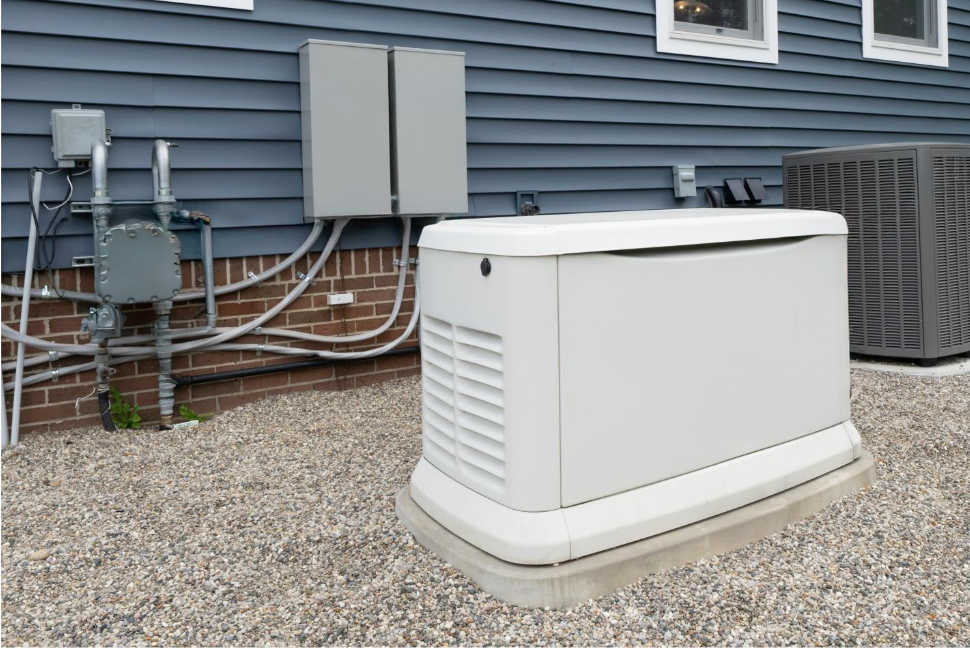
Siting a standby generator requires clearances from doors, windows, and property lines to keep exhaust away from living spaces. Measure distances so exhaust cannot enter through vents or open windows during normal wind patterns. Position the unit on a stable, level pad that keeps the base above standing water and prevents settling. A technician will inspect the proposed pad location and note any grading or drainage concerns before final placement.
Ventilation planning must account for engine combustion air and hot exhaust plume routing to avoid heat buildup near structures. Install exhaust piping with proper rise and support, keeping bends minimal to reduce backpressure on the engine. Verify that nearby materials can tolerate radiant heat and that no combustible siding sits close to the exhaust terminal. During inspection, a professional will check clearances and test exhaust temperatures at typical operating loads.
Noise and neighbor impact often influence where homeowners locate a standby generator, so consider distance and available muffling options when siting the unit. Acoustic shielding, mufflers, and orientation of the exhaust outlet reduce perceived noise without blocking needed airflow. Ensure the generator location allows access for routine service, including oil changes, filter replacement, and control-panel checks. A technician will confirm service clearance by opening panels and simulating maintenance tasks on site.
Corrosion protection matters for coastal homes, so pick materials and coatings rated for salt air to extend equipment life in Myrtle Beach, SC. Elevate electrical connections and use weatherproof conduit to keep moisture from entering junction points near the unit. For properties in Conway, SC, check for accessible routing of fuel lines and conduits so service crews can reach them without disturbing landscaping. A professional inspection includes visual photos, written notes, and basic pressure or continuity checks to confirm safe siting and ventilation.
Electrical Code Compliance and Permit Decision Triggers
Local electrical inspectors look for correct breaker sizing, grounding conductor continuity, and a clear single-line diagram showing transfer arrangements. They will check that the generator's neutral bonding matches the home's service configuration to avoid parallel neutrals. A professional will record voltage readings at the service equipment and at the transfer switch during commissioning. These recorded readings form part of the inspection evidence inspectors expect to see.
Permit triggers often include changes to service capacity, new permanent fuel tanks, or adding a generator that connects to the service conductors. Installing a generator that increases the main service amperage usually requires a permit and utility notification before work starts. An electrician will verify meter socket access, service disconnect location, and whether a utility-interlock or visible lockout is required. Those checks prevent delays during the municipal review process.
Inspectors also focus on wire ampacity, conduit fill, and overcurrent protection coordination between generator output and panel breakers. A technician will measure conductor sizes and confirm breaker trip settings match continuous load expectations. They will document torque on lugs and take photos of terminations for the permit file when required. Proper labeling of generator-fed circuits and the transfer switch position indicator helps inspectors approve installations faster.
For coastal properties like Myrtle Beach, SC, corrosion mitigation details can trigger additional inspection comments on material choices and fastener types. Installers in Conway, SC should expect reviewers to ask for grounding electrode connections and mounting details in damp environments. A professional diagnosis during plan review includes reviewing site photos, conduit routing, and written load calculations against local code interpretations. If any safety risk exists, schedule a licensed electrician to run the required tests and handle permit submittal on your behalf.
When Homeowners Should Call a Professional Service
If you notice repeated failed auto-start events or smoke from exhaust, call a licensed technician to inspect the system promptly. A professional will perform voltage and continuity checks at the transfer switch and service panel during diagnosis. They will also inspect control-panel fault logs and run an operational test under load to reproduce the failure. Do not attempt complex electrical troubleshooting yourself, contact a qualified electrician for safe handling.
- Unexplained engine stalling requires inspection.
- Frequent breaker trips need professional load verification.
- Visible fuel leaks demand immediate shutoff and service.
- Noisy bearings or knocking warrant engine diagnosis.
- Failed automatic transfer calls for control system testing.
If you plan to change fuel type or add an on-site tank, schedule a site assessment to review clearances and fuel line routing. The technician will measure fuel pressures, verify shutoff valves, and confirm required separations from openings during the visit. They document findings with photos and written notes useful for permit submittal when required. This step helps ensure the new arrangement meets safety expectations before installation work proceeds.
Hire a professional when adding large motor loads or expanding backed-up circuits to confirm generator capacity and breaker coordination. An electrician will perform a measured load test and inspect overcurrent protection settings to prevent nuisance tripping. They may recommend staged load management or a higher-capacity transfer solution based on test results. For homeowners in Myrtle Beach, SC and properties near Conway, SC, schedule seasonal inspections to catch corrosion or fuel issues early.
Maintenance Tasks and Preventive Action Schedules
Establish a routine inspection schedule with seasonal tasks that align to run hours and manufacturer guidance for standby generator installation care. Include checks for oil level, coolant, air filter condition, and battery status during each service visit to prevent starting failures. A technician will note control-panel fault codes and record run-hour readings to plan parts replacement before failures occur. Keep a written log of all maintenance actions, including dates and measured values, for future diagnosis and warranty records.
Set preventive action intervals for fuel-related items based on fuel type and storage conditions to avoid contamination and gelling. Inspect fuel lines, fittings, and tank vents every six months and device a treatment plan if microbial growth or water is detected. A professional will sample diesel or propane fuel and test pressure and flow when symptoms like rough running appear. Promptly schedule fuel polishing or tank cleaning if test results show degradation to maintain reliable operation.
Plan electrical maintenance tasks on a regular cycle that includes exercise starts, transfer switch contact inspection, and battery capacity testing to ensure automatic transfers operate under load. Technicians perform infrared scans, verify torque on lug connections, and measure voltage during a controlled transfer to identify hotspots or loosened terminations. If breakers trip repeatedly during tests, an electrician will trace loads and adjust load priorities or recommend a load-management solution. Documented test readings and photos help diagnose intermittent issues later.
Include corrosion prevention actions in maintenance if the property sits near coastal environments like Myrtle Beach, SC where salt air accelerates wear on enclosures and terminals. Use protective coatings, stainless fasteners, and dielectric grease on exposed connections to slow corrosion and extend component life. A common preventive step is replacing exhaust clamps and flex sections at set intervals before leaks begin. For properties near Conway, SC, schedule vegetation and drainage checks so service access remains clear and equipment stays dry.
Describe a professional diagnostic approach to unresolved problems so homeowners understand next steps when simple maintenance fails to fix the issue. A technician will reproduce the fault during a controlled test, capture voltage and current readings, and inspect transfer-switch contacts and neutral bonding configuration. They may run a written report with recorded measurements and photos to guide repairs or parts replacement. After repairs, require a follow-up test under load and a verified entry in the maintenance log to close the issue.
Schedule Your Standby Generator Installation Today
Ready to plan dependable backup power for your home? Contact Mister Sparky of Myrtle Beach to schedule a professional assessment for standby generator installation. A qualified electrician can evaluate your electrical loads, transfer switch needs, fuel options, and installation requirements to help you choose a system that fits your property.