
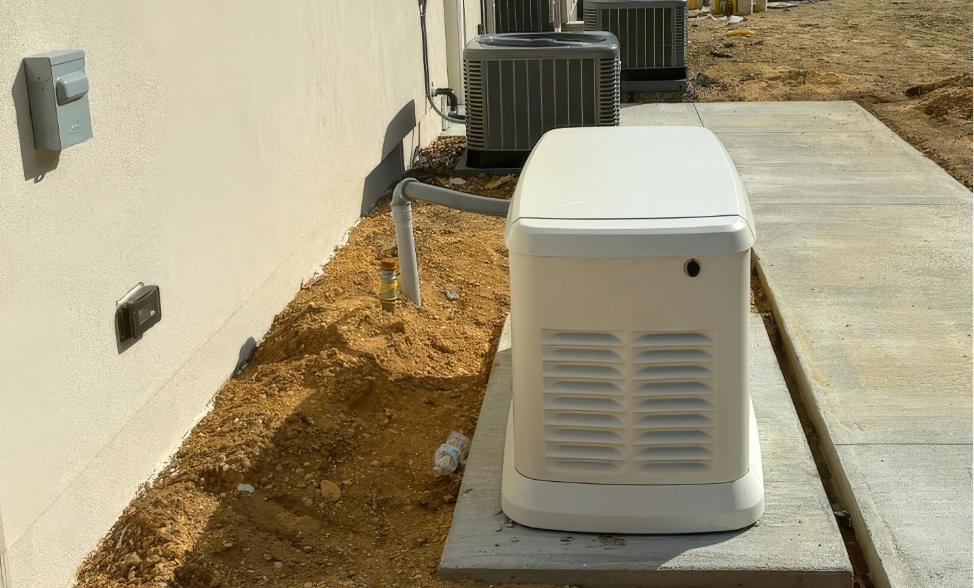
Key Takeaways About Portable Generators Vs Standby Generators
This article compares portable generators vs standby generators and their major differences. It is for South Carolina homeowners deciding backup power before storms or long outages.
- Identify which circuits you must keep powered during outages.
- Prevent generator backfeed by using a proper transfer switch.
- Avoid fuel risks by following professional inspection recommendations.
- Spot symptoms like dimming lights or unusual engine noises quickly.
- Reduce overloads by having an electrician perform a load calculation.
- Plan fuel and maintenance to ensure reliable operation during storms.
Introduction
When the power goes out, choosing the right backup system matters for safety and comfort in South Carolina homes. Families here depend on reliable power to keep medical devices running, protect food in freezers, and prevent water damage from sump pumps. Coastal storms can cut power for hours or days, turning small problems into costly repairs. Homeowners in Conway and Carolina Forest often weigh convenience against capacity when they consider backup options.
A standby generator offers automatic power switch-on and can feed an entire house without manual setup. It connects to your home's electrical panel and often runs on natural gas or propane for longer outages. Because it starts on its own, it reduces the risk of unsafe generator placement during bad weather. That automatic response is one reason many property owners consider a permanent solution for storm readiness.
Assessing household needs requires understanding load capacity and critical circuits to keep essential systems online. An electrician would inspect the service panel, check the main breaker rating, and perform a load calculation to recommend a suitable unit. They use voltage readings and circuit labeling to confirm which appliances will run during an outage. Those inspection steps help prevent overloaded circuits and reduce the chance of nuisance tripping.
Choosing between backup systems also involves fuel availability and local installation constraints that affect reliability during emergencies. A professional will discuss fuel lines, transfer switches, and placement to meet safety and practical needs. Homeowners often notice generator noise, fuel odor, or vibrations and should report these during an inspection. If you want to schedule an assessment, contact a licensed electrician to review your home's specific setup and risks.
Comparing Power Capacity and Output Options
Comparing power capacity and output options means looking at how much continuous and peak power a standby generator can supply. Homeowners often ask which appliances will run during an outage, and a standby unit’s wattage rating answers that directly. A professional electrician performs a load calculation using the service panel, main breaker rating, and individual circuit labels to confirm required capacity. That check prevents overloads and ensures the transfer switch matches the generator’s output capability.
- Continuous wattage indicates what runs for hours.
- Surge wattage covers motors starting up.
- Dedicated circuits protect critical appliances.
- Automatic transfer switches control load distribution.
Standby generators come in broad sizes, from units sized for critical circuits to whole-house systems. A licensed technician will measure starting current for compressors and pumps to size the generator correctly. They will inspect the service panel and use voltage readings to confirm the generator can handle both continuous and motor-start demands. This avoids nuisance tripping when multiple large loads start at once.
Fuel type affects sustained output during long outages because some fuels deliver steadier supply over time. For example, natural gas can support longer runtime without refueling compared with stored liquid fuels. An electrician will review gas line capacity or propane storage needs and factor that into final capacity recommendations. Homeowners in Conway should note available fuel hookups before finalizing a generator size.
When choosing output options, include dedicated circuits for sump pumps, HVAC, and refrigeration to protect property and health. A professional will recommend a transfer switch with labeled circuits and may suggest load shedding for nonessential loads. For properties in Carolina Forest, consider HVAC startup loads during hot months when demand spikes are common. If you want a detailed capacity assessment, schedule an electrical inspection to get measured readings and a written recommendation.
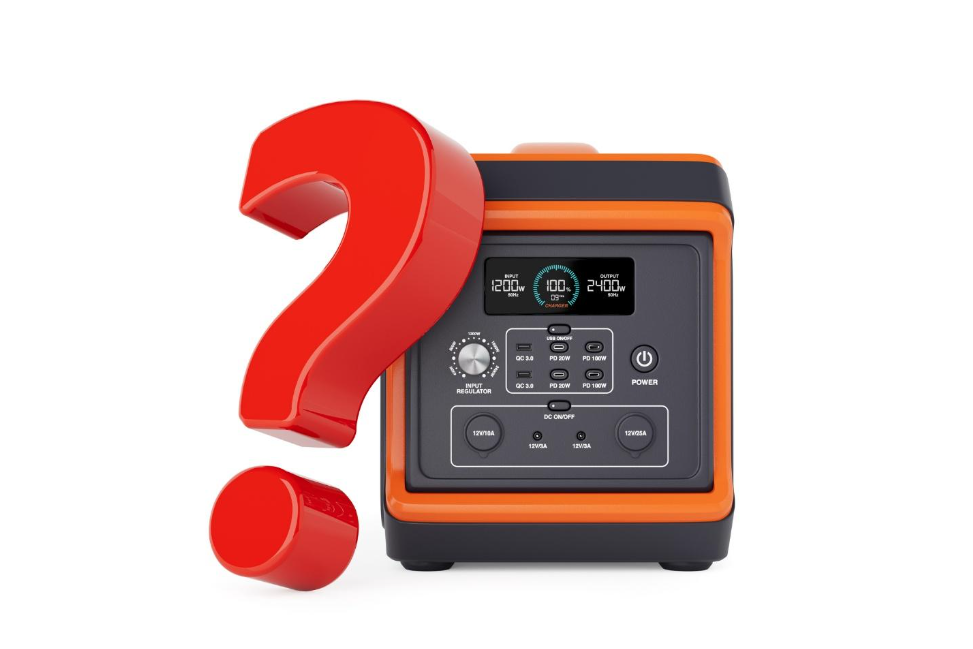
How Portable Generators Versus Standby Generators Work
Standby units link directly to a home's electrical system through a transfer switch that isolates generator power from the utility. The transfer switch protects line workers and prevents backfeed by physically separating the two power sources. During an outage the generator senses utility loss and sends a start signal to the control module within seconds. A technician inspects the transfer switch, verifies voltage output, and checks transfer timing during commissioning.
Fuel delivery for standby systems ties into permanent lines or tanks that supply continuous combustion without manual refueling. Natural gas or propane lines feed the engine through a regulator and flexible connector rated for outdoor equipment. Professionals test line pressure and inspect the fuel shutoff valve and regulator to confirm steady flow. They also record runtime hours and check the fuel system for leaks during initial and routine inspections.
The generator’s control module coordinates engine speed, governor response, and voltage regulation to match household demand. Automatic voltage regulators smooth output to protect sensitive electronics like medical devices and modern HVAC controls. An electrician will measure voltage waveform and frequency under load with a meter to confirm stable output. For homeowners in Conway, documented voltage readings help decide which circuits a standby unit should support.
Installers ground the generator to the house grounding electrode system and bond neutral according to the transfer switch configuration. They verify proper breaker sizing and label circuits that will run on the generator to prevent overloads. A professional will perform a no-load and a loaded test while recording amperage and temperature readings for a written inspection report. For property owners in Carolina Forest, keep that report for maintenance scheduling and warranty records.
Fuel Types Availability and Refueling Considerations
Fuel choice for a standby generator affects how long you can run critical systems without interruption and impacts refueling logistics. Natural gas connects to municipal or on-site lines and avoids on-site refueling, but a professional must verify line pressure and connector sizing during inspection. Propane stored in a tank provides reliable energy during long outages, though owners should monitor tank levels and schedule refill deliveries ahead of storms. A technician will inspect the regulator, shutoff valve, and flexible fuel connector for leaks and proper installation before commissioning.
Diesel offers high energy density and is common for large capacity standby units, yet diesel storage requires fuel polishing and periodic turnover to prevent contamination and microbial growth. Professionals perform fuel sampling and visual checks for water, particulates, and sludge during routine service to confirm diesel quality. If you detect strong fuel odors near the unit, avoid operating it and call a licensed technician to check venting and fuel lines. For homeowners in Conway, confirm local supplier access to diesel or delivery scheduling before relying on it long-term.
Refueling plans should consider access during severe weather and road closures, since delivery can be delayed when demand surges after storms. Installers can recommend fuel line layouts and tank placement that simplify deliveries while meeting clearance and safety requirements. Technicians use pressure gauges and leak detection tests to confirm safe fuel delivery paths and will record results in a written report. Carolina Forest homeowners may want to pair a generator with a larger propane tank if regular deliveries could be interrupted during hurricane season.
Professionals diagnose fuel-system readiness by observing running behavior under load and checking fuel pressure, regulator function, and filter condition during startup tests. They will also inspect the transfer switch grounding and measure voltage and frequency stability while the generator supplies known loads. In a common situation, a homeowner hears rough idling and experiences dimming lights when large appliances start, a technician would check fuel flow, filter restriction, and voltage drop at the panel next. If any fuel-system faults appear, schedule professional service rather than attempting field repairs yourself.
Installation Requirements and Local Permit Guidance
Local electrical permits and inspections are common when installing a standby generator because it ties directly into the home's service panel and meter. Inspectors often require a signed electrical diagram showing the transfer switch wiring and breaker sizes before final approval. A qualified electrician will pull permits and schedule meter-set or inspection appointments to confirm protective devices and grounding meet requirements. If permits are needed, plan for several weeks of lead time before installation to avoid storm-season delays.
- Permit application may require equipment specifications.
- Inspectors check transfer switch isolation from utility lines.
- Proper grounding and bonding must be visible at install.
- Gas or propane connections may need separate mechanical permits.
Site preparation includes concrete pad placement, clearances, and fuel tank siting that meet local codes and manufacturer instructions. Installers measure distances from windows, property lines, and doors to maintain required clearances and reduce exhaust hazards. They will also verify soil grade and drainage to prevent standing water near the unit and fuel system. For homeowners in Conway, documenting pad elevation helps during inspection and future maintenance scheduling.
During commissioning a professional will run startup tests, record voltage and frequency under load, and produce a written report for permit sign-off. The electrician will also confirm transfer switch timing and test labeled circuits with a clamp meter and voltage readings. If any deficiencies appear, the report notes corrective actions before the inspector issues final approval. Keep a copy of that report for warranty records and future service planning in Carolina Forest.
Storm Readiness and Performance During Outages
Standby systems handle storms by starting automatically and managing entire circuit loads without homeowner intervention. During a hurricane threat, technicians recommend testing the transfer switch and control module before the storm arrives. A qualified electrician inspects breaker sizing and measures voltage output to confirm the unit meets expected loads. Homeowners may notice steady runtime and fewer manual checks when systems pass these pre-storm tests.
Proper siting and clearance reduce exhaust hazards and water intrusion risks when heavy wind-driven rain occurs. Installers check pad elevation, exhaust orientation, and fuel connections to keep components dry and ventilated. They use clamp meter readings and voltage checks during commissioning to confirm stable operation under simulated storm loads. If installers find inadequate clearance or pooling water, they document corrective actions for safety compliance.
Fuel supply planning affects how long a standby generator runs during widespread outages when deliveries slow. Professionals inspect regulators, tank fittings, and pressure readings to verify continuous fuel flow under load. They may recommend larger on-site propane storage or confirm natural gas line capacity with measured pressure tests. For homeowners in Conway, documenting fuel capacity and supplier access helps avoid unexpected shutdowns during prolonged storms.
Technicians diagnose storm performance issues by observing sounds, exhaust behavior, and electrical readings while the generator runs. They perform voltage and frequency measurements at the service panel and check transfer timing with a meter during load transitions. As explained in our guide, storm preparedness starts with backup power systems, proper generator performance can support storm readiness. In a common situation, a homeowner might report sputtering and dim lights when loads change, a technician would check fuel pressure, governor response, and voltage regulation next. After diagnosis, professionals provide written test results and recommend repairs or maintenance to restore reliable storm readiness for homes in Carolina Forest.
Maintenance Tasks Versus Professional Service Triggers
Routine checks extend generator life and reduce unexpected failures during outages. Inspectors recommend visual checks of the enclosure, exhaust, and vibration mounts for cracks or loose fasteners. Technicians also look at coolant level, oil color, and air filter condition during scheduled service visits. Homeowners should record run hours and keep a simple log of observed smells or unusual sounds to share with a professional.
Scheduled maintenance tasks include oil changes, air filter replacement, and battery testing at regular intervals. A technician will measure oil pressure and voltage output to verify normal operation during these services. Owners can clean the exterior and clear debris near vents between professional visits to help airflow and cooling. If a homeowner notices fuel odors or persistent smoking, they should stop the unit and call a licensed technician immediately.
Professionals trigger service when diagnostics show abnormal readings or when load testing reveals unstable voltage under common household demands. During an inspection a technician uses a clamp meter, voltage meter, and visual checks to confirm performance and find faults. In a common situation, a homeowner hears irregular engine knocking and loses a circuit under load, the technician would check compression, fuel supply, and transfer timing next. Written test results help prioritize repairs and document remaining warranty coverage for future work in Conway.
Some signs require immediate professional attention rather than routine DIY care to avoid damage or safety hazards. If the transfer switch fails to engage automatically, leave the system offline and contact a licensed electrician for diagnosis and repair. Corrosion on terminal connections, cracked fuel lines, or coolant leaks also demand prompt service to prevent fire or engine failure. Property owners in Carolina Forest should schedule seasonal inspections before predicted storm windows to confirm runtime and transfer reliability.
Safety Risks and When to Contact a Technician
Standby generators pose risks homeowners should know, including carbon monoxide, electrical backfeed, fuel leaks, and fire hazards around the unit. If you smell exhaust inside the house or near windows, leave immediately and call emergency services before contacting a technician. Never operate a standby generator in enclosed or poorly ventilated spaces, and keep vents and exhaust paths clear of debris and vegetation. A licensed electrician or generator technician should inspect units showing exhaust staining or unusual soot accumulation to prevent CO exposure.
- Carbon monoxide exposure is life-threatening.
- Backfeed can energize utility lines dangerously.
- Fuel leaks increase fire risk.
- Damaged wiring can cause shocks or fires.
If circuit breakers trip repeatedly while the generator supplies power, stop using nonessential loads and schedule a technician to perform a load diagnosis. A professional will inspect the transfer switch, check grounding conductors, and take voltage readings at the service panel to find overloads or loose connections. They may perform continuity tests on neutral and grounding paths and record amperage with a clamp meter during staged load tests. These diagnostic steps confirm whether the issue is wiring, transfer timing, or generator output regulation.
Fuel system problems often start with smells, wet spots, or visible stains near fittings and tanks and should prompt immediate shutoff and professional inspection. The technician will pressure-test fuel lines, check regulator function, and inspect flexible connectors for cracking or chafing. For diesel systems they will also sample fuel for water or contamination before returning the unit to service. Homeowners in Conway should avoid attempting fuel repairs themselves due to fire and environmental risks.
Control module errors and failure-to-start events require trained troubleshooting to avoid further damage during storms or power loss. A technician will read fault codes from the controller, verify battery condition, and confirm starter circuit continuity before resetting alarms. They will also run a sequenced startup under controlled load while recording voltage and frequency to validate stable operation. For ongoing concerns, schedule regular professional tune-ups in Carolina Forest to catch issues before an outage leaves you without backup power.
Choosing Between Portable Generators Vs Standby Generators
For whole-house backup, a permanently installed unit usually makes the most sense because it powers essential circuits automatically. A professional evaluates the service panel, transfer switch type, and grounding conductor before recommending a size. They will perform voltage and amperage readings under simulated load to confirm the system will carry HVAC and sump pump startup currents. Expect a written recommendation that lists required breaker changes and any panel upgrades needed to avoid overloads.
Consider runtime and fuel logistics when choosing capacity and controls for a standby system to match your household patterns. A technician inspects fuel connections, regulator condition, and tank siting to verify continuous operation during long outages. They use clamp meter readings and voltage waveform checks during commissioning to ensure voltage regulation under fluctuating loads. Homeowners should ask for documented test results to compare expected runtime against likely storm durations.
Think about maintenance access and serviceability when deciding on features like automatic monitoring and remote diagnostics. Installers verify clearances, vibration mounts, and battery accessibility to simplify routine service visits and reduce downtime. During diagnostics, a technician may record controller fault codes and battery voltage, then recommend corrective actions based on measured values. For properties in Conway, a clear service path and documented maintenance plan reduce the chance of missed seasonal checks.
Match transfer switch configuration to your tolerance for manual load management or automatic load shedding during heavy demand events. An electrician will advise on labeled circuit selection and may suggest load shedding programming to protect critical systems without overtaxing the generator. They confirm neutral bonding and perform continuity tests during setup to prevent backfeed and ensure safe operation. Carolina Forest homeowners often find a written load plan helpful when planning seasonal power needs.
Schedule a Standby Generator Assessment
If you’re deciding between portable generators vs standby generators for your South Carolina home, a professional assessment can help you choose the right setup. Contact Mister Sparky of Myrtle Beach to schedule a generator assessment and discuss your home’s power needs, fuel options, and installation requirements.