
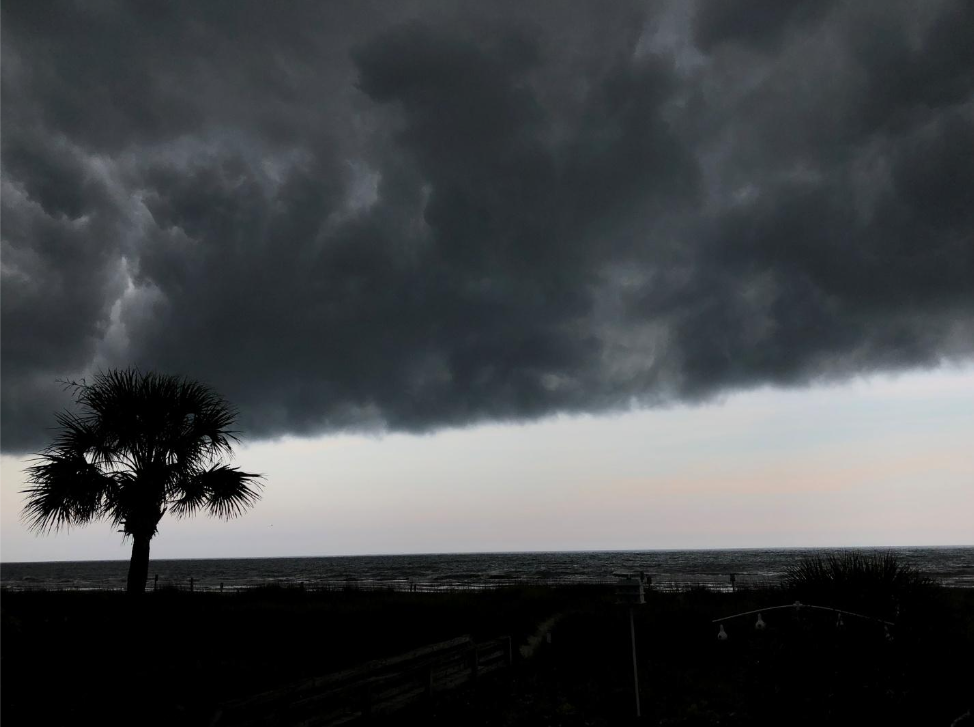
Electrical safety should be a top priority whenever severe storms are in the forecast across South Carolina. Thunderstorms, tropical systems, heavy rain, strong winds, and frequent lightning can all affect your home's electrical system, sometimes causing damage that isn't immediately visible. Even a brief power outage or nearby lightning strike may leave behind hidden hazards that deserve attention.
For homeowners in Conway, Georgetown, and nearby communities, preparing before severe weather arrives can help reduce electrical risks and make recovery safer after the storm passes. While some precautions are simple, evaluating storm-related electrical damage is best left to a licensed electrician to help protect your home and family.
This guide explains how to prepare your home's electrical system before storm season, protect against lightning and power surges, respond safely during power outages, recognize warning signs of electrical damage after severe weather, and understand when it's time to contact Mister Sparky of Myrtle Beach, SC for a professional inspection. By planning ahead and recognizing potential hazards, you can make informed decisions that support electrical safety throughout South Carolina's storm season.
Why Electrical Safety Matters During South Carolina Storms
South Carolina experiences some of the most active thunderstorm weather in the Southeast, with coastal communities also facing tropical storms and hurricanes. These weather events can expose homes to lightning, power surges, flooding, and strong winds that may affect electrical systems. While some damage is obvious, other problems can remain hidden until they create safety concerns or interrupt your home's power.
Understanding how severe weather affects your electrical system can help you recognize potential hazards early and know when a professional inspection is appropriate. Taking a proactive approach to electrical safety can reduce risks before, during, and after a storm.
Common Storm Hazards That Affect Home Electrical Systems
Lightning is one of the leading electrical threats during severe weather. A direct strike or even a nearby one can send a powerful surge through utility lines, potentially damaging electrical panels, appliances, electronics, and other connected equipment. Although surge protection can help reduce the impact, no system can eliminate every risk from a lightning strike.
Heavy rain and flooding also create concerns when electrical equipment is exposed to moisture. Water can affect outlets, wiring, circuit breakers, and outdoor electrical components. In addition, strong winds may bring down tree limbs that damage overhead service lines or other electrical equipment connected to a home. After a storm, any visible damage should be treated with caution until it has been evaluated safely.
South Carolina's Climate Creates Unique Electrical Risks
South Carolina's warm, humid climate supports frequent thunderstorms throughout much of the year, with storm activity often increasing during the spring and summer. Hurricane season can also bring prolonged periods of heavy rain, high winds, and widespread power outages that place additional stress on residential electrical systems.
Homeowners in Conway, Georgetown, and nearby coastal areas may experience weather conditions that increase the likelihood of electrical interruptions or storm-related damage. Preparing for these seasonal events before severe weather arrives can help reduce unexpected problems and support safer recovery once conditions improve.
Prepare Your Home's Electrical System Before Storm Season
Preparing your home's electrical system before storm season can help reduce the risk of damage when severe weather arrives. South Carolina's thunderstorms, tropical systems, and heavy rainfall can place added stress on electrical equipment, making routine maintenance and professional inspections a valuable part of protecting your home. Taking preventive steps before a storm is often easier and safer than dealing with unexpected electrical problems afterward.
Schedule a Professional Electrical Inspection
A licensed electrician can identify electrical issues that may not be obvious during everyday use. Aging wiring, loose connections, damaged outlets, or an outdated electrical panel can become more vulnerable during severe weather. Addressing these concerns before storm season may help reduce the likelihood of unexpected failures when your home's electrical system is under additional strain.
If your home has experienced previous storm damage, frequent breaker trips, or unexplained flickering lights, a professional inspection can help determine whether repairs or upgrades are needed. An inspection also provides peace of mind that your electrical system is ready for South Carolina's changing weather conditions.
Protect Sensitive Electronics from Power Surges
Lightning strikes and utility interruptions can create sudden power surges capable of damaging electronics and household appliances. While individual surge protectors offer protection for specific devices, a whole-home surge protection system helps reduce the impact of surges entering through your home's electrical service.
Whole-home surge protection works alongside point-of-use surge protectors to provide multiple layers of defense for valuable electronics, including televisions, computers, smart home devices, and major appliances. Because every surge is different, no protection system can prevent all damage, but professionally installed surge protection can significantly improve your home's overall resilience.
Keep Trees and Outdoor Electrical Equipment in Mind
Strong winds can cause tree limbs to fall onto overhead electrical service lines, increasing the risk of power interruptions and property damage. Regularly maintaining trees on your property can help reduce this risk, but branches located near utility lines should only be handled by the utility company or qualified professionals.
It's also a good idea to visually inspect outdoor electrical equipment before storm season begins. Look for obvious signs of damage, loose covers, or worn components without opening or attempting to repair any electrical equipment yourself. If something appears damaged or unsafe, contact a licensed electrician to evaluate the situation before severe weather arrives.
Electrical Safety Tips Before Severe Weather Arrives
Storm warnings often provide valuable time to prepare your home before conditions worsen. A few simple precautions can help reduce electrical hazards during severe weather while making it easier to respond if the power goes out. Planning ahead also allows you to focus on your family's safety instead of scrambling for supplies during a storm.
Charge Essential Devices Ahead of Time
Fully charge cell phones, portable battery packs, medical devices, and other essential electronics before severe weather reaches your area. If widespread outages occur, having reliable access to communication and emergency information can make a significant difference.
It's also helpful to keep extra batteries available for battery-powered equipment that your household may depend on. Review your emergency kit periodically so supplies are ready when storm season arrives.
Prepare Safe Emergency Lighting
Power outages can leave your home unexpectedly dark, especially during evening storms. Store flashlights in locations that are easy to access and check that they have fresh batteries before severe weather is expected. Our guide on the benefits of backup generators during coastal storms, also explains how backup power can help households prepare for storm-related outages.
Battery-powered lanterns are another practical lighting option for extended outages. They provide dependable illumination without introducing the fire hazards associated with open flames, making them a safer choice for indoor use.
Know Where Your Electrical Panel Is
Locate your home's electrical panel before an emergency so you know where it is if a power-related issue occurs. Every responsible adult in the household should understand its location, even if they never need to interact with it.
You should also become familiar with warning signs that indicate a potential electrical problem, such as unusual buzzing sounds, burning odors, visible damage, or water near electrical equipment. If any of these conditions are present after a storm, avoid touching the affected equipment and arrange for a licensed electrician to inspect the system once it is safe to do so.
Stay Safe During Power Outages
Power outages are common during severe storms in South Carolina, but restoring electricity should never come at the expense of personal safety. Whether the outage lasts a few minutes or several hours, taking the right precautions can help reduce the risk of electrical hazards while you wait for power to return.
Stay Away from Downed Power Lines
High winds, falling trees, and lightning can damage overhead power lines during a storm. If you see a downed power line, always assume it is energized, even if it appears inactive. Stay well away from the area and keep children and pets at a safe distance.
Report downed lines to your local utility company or emergency services as soon as it is safe to do so. Never attempt to move, touch, or drive over a fallen power line, as doing so can result in serious injury.
Unplug Sensitive Electronics
When the power goes out, consider unplugging sensitive electronics such as televisions, desktop computers, gaming systems, and other valuable devices. This precaution can help reduce the chance of damage from voltage fluctuations or power surges when electricity is restored.
Leave one light switched on so you'll know when power has returned. Once service is restored, reconnect electronics gradually and confirm they are operating normally before regular use.
Use Portable Generators Safely
As discussed in our guide, storm preparedness starts with backup power systems, portable generators can provide temporary power during an outage. However, they should always be operated according to the manufacturer’s instructions. Generators should be used outdoors in a well-ventilated area and positioned away from doors, windows, and vents to help prevent carbon monoxide from entering the home.
Never connect a portable generator directly to your home’s electrical system unless an approved transfer switch has been installed by a qualified electrician. Improper connections can create dangerous backfeeding that puts occupants, neighbors, and utility workers at risk. If you’re considering a standby generator or transfer switch, a licensed electrician can recommend a solution that meets your home’s electrical needs and applicable safety requirements.
Inspect Your Home Safely After the Storm
After severe weather has passed and it is safe to go outside, perform only a visual inspection of your property from a safe distance. Avoid touching electrical equipment, standing water near electrical components, or anything that appears damaged. Storm-related electrical hazards are not always obvious, even after power has been restored.
Look for visible signs that your electrical system may have been affected, such as burn marks around outlets or switches, damaged exterior fixtures, exposed wiring, or an electrical panel that appears damaged. If your home is safe to enter, watch for flickering lights, unusual buzzing sounds, burning odors, or outlets that no longer work properly. These warning signs may indicate damage that requires professional attention.
Some electrical problems remain hidden after a storm. Moisture can enter wiring, outlets, and electrical equipment, while lightning or power surges may damage components without leaving visible evidence. Repeatedly tripped breakers, lights that dim unexpectedly, or appliances that stop working after the storm can also point to underlying electrical issues.
If you notice signs of electrical damage, or if your home experienced flooding or a lightning strike, avoid using affected electrical equipment until it has been inspected by a licensed electrician. A professional evaluation can identify hidden hazards, recommend any necessary repairs, and help restore your home's electrical system safely.
When to Call a Licensed Electrician
Not every electrical issue is easy to identify after a storm. Even if your power has been restored, hidden damage from lightning, heavy rain, or power surges may affect your home's electrical system. If you notice unusual behavior or have concerns about storm-related damage, it's safest to have the system evaluated by a licensed electrician.
Watch for warning signs such as circuit breakers that trip repeatedly, flickering or dimming lights, burning odors, buzzing sounds, damaged outlets, or an electrical panel that appears affected by the storm. These symptoms may indicate underlying problems that require professional attention and should not be ignored.
A licensed electrician can inspect your electrical system, identify hidden hazards, and recommend repairs or upgrades when needed. Professional inspections are especially important after flooding, a lightning strike, or significant storm damage because some electrical issues may not be immediately visible.
If your home in Conway, Georgetown, or the surrounding Myrtle Beach area has been affected by severe weather, Mister Sparky can provide a thorough electrical inspection and recommend appropriate solutions. Addressing potential problems early can help restore your home's electrical system safely and reduce the risk of future electrical issues.
Key Takeaways
- Prepare your home's electrical system before South Carolina's storm season by scheduling inspections and considering surge protection.
- Stay away from downed power lines, flooded electrical equipment, and anything that appears damaged after severe weather.
- During a power outage, use battery-powered lighting and operate portable generators according to the manufacturer's safety instructions.
- Watch for warning signs such as flickering lights, burning odors, buzzing sounds, or repeatedly tripped breakers after a storm.
- If your home experiences flooding, a lightning strike, or signs of electrical damage, contact a licensed electrician to inspect the system before using affected equipment.
Conclusion
South Carolina's storms can bring lightning, heavy rain, strong winds, and power outages that may affect your home's electrical system. Preparing before severe weather and staying alert afterward can help reduce potential hazards and protect your property.
Even if your home appears unaffected, storm-related electrical damage is not always visible. Warning signs such as flickering lights, repeatedly tripped breakers, burning odors, or damaged electrical equipment should never be ignored.
Taking a cautious approach to electrical safety means avoiding damaged electrical equipment and scheduling a professional inspection whenever flooding, lightning, or other severe weather may have impacted your home. A licensed electrician can identify hidden issues and recommend the appropriate repairs.
If you have concerns about your home's electrical system after a storm, contact Mister Sparky of Myrtle Beach, SC to schedule a professional inspection. Our team proudly serves homeowners in Conway, Georgetown, and the surrounding areas with dependable electrical services designed to help keep your home safe year-round.
Schedule Your Post-Storm Electrical Inspection
If your home experienced lightning, flooding, or a power outage after a South Carolina storm, don't leave potential electrical damage to chance. Contact Mister Sparky of Myrtle Beach, SC to schedule a professional electrical inspection and help ensure your home's electrical system is safe and ready for the next storm.