
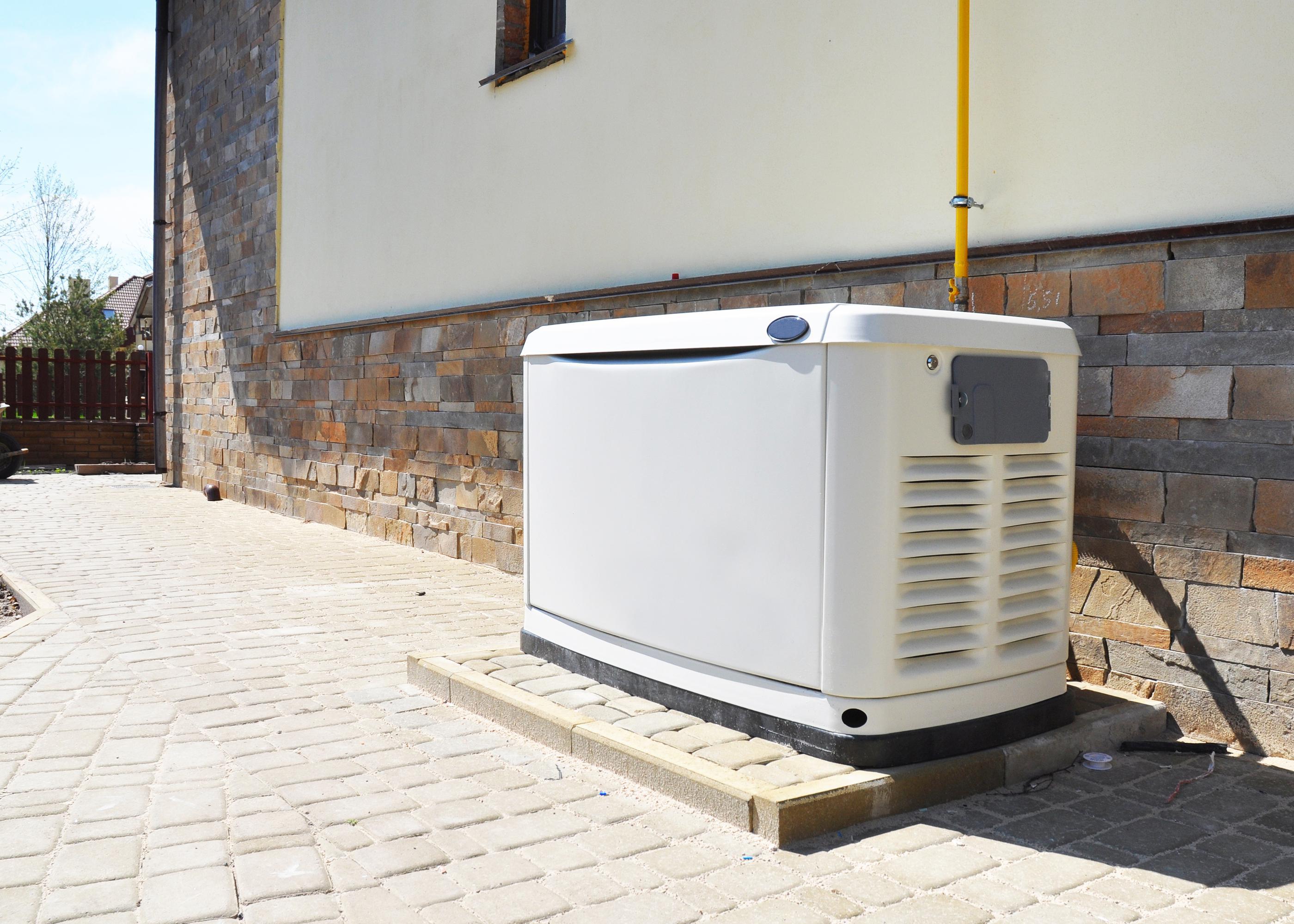
Power outages in southeastern Wisconsin are not limited to one season. Thunderstorms, high winds, fallen branches, ice, heavy snow, and equipment failures can all interrupt electrical service. Depending on the cause, an outage may last long enough to affect heating, cooling, refrigeration, internet access, sump pumps, and other household essentials.
Portable and whole-home generators can both provide backup power, but they serve different needs. A portable generator may be sufficient for a few carefully selected appliances. A permanently installed standby generator can start automatically and supply power to selected circuits or a larger portion of the home. The better choice depends on what you need to operate, how much hands-on setup you are comfortable managing, and what your electrical system can safely support.
Start With Your Backup-Power Priorities
Before comparing generators, determine which parts of your home must remain operational. Some households only want to preserve refrigerated food and charge mobile devices. Others may need backup power for heating equipment, a well pump, a sump pump, lighting, internet equipment, or additional household circuits.
If someone in the home uses electrically powered medical equipment, speak with the equipment provider and appropriate medical professionals about a dedicated emergency plan. A household generator should not be treated as the only safeguard for critical medical needs.
Potential backup-power priorities include:
- Refrigerators and freezers
- Sump pumps or well pumps
- Heating or cooling equipment
- Essential lighting
- Internet and communication equipment
- Garage doors and security systems
- Selected kitchen appliances
An electrician can calculate the starting and running requirements of the equipment you want to support. This helps prevent choosing a generator that is too small or paying for capacity the home does not need.
How Portable Generators Work
Portable generators are temporary power sources that commonly operate on gasoline, propane, or a combination of fuels. Smaller models may support a limited number of appliances, while larger units may supply several selected household circuits when connected through properly installed transfer equipment.
Portable generators require manual setup. The homeowner must move the unit to a safe outdoor location, supply the correct fuel, start the equipment, and connect approved loads according to the manufacturer’s instructions. The unit must also be monitored during use and allowed to cool before refueling.
Benefits and Limitations of Portable Generators
A portable generator generally costs less upfront than a permanently installed standby system. It may be practical for infrequent outages or households that only need to operate a few essentials.
However, portable units require more homeowner involvement. Fuel must be safely stored and replenished, the generator must be positioned correctly each time, and the available power must be divided among selected appliances or circuits. Portable generators may also be noisy, difficult to move, and subject to weather-related operating restrictions.
The equipment a portable generator can support depends on its rated capacity and the starting requirements of the connected loads. Do not assume that a large portable generator can safely operate central air conditioning or another major appliance without a professional evaluation.
How to Operate a Portable Generator Safely
Portable generators produce carbon monoxide, an odorless and colorless gas that can cause severe illness or death. Never operate one inside a home, garage, basement, crawl space, shed, enclosed porch, or carport. Opening doors and windows does not provide adequate protection.
The U.S. Consumer Product Safety Commission advises operating portable generators outside at least 20 feet from the home, with the exhaust directed away from the house and other occupied buildings. Keep the unit away from doors, windows, vents, and other openings. Homes using combustion equipment should also have working carbon monoxide alarms on each level and outside sleeping areas.
Follow the generator manufacturer’s instructions for operation in rain or wet conditions. Never handle electrical connections while standing in water. Use extension cords that are approved for the intended load and outdoor conditions, and do not connect more equipment than the generator or cord can safely support.
Never Backfeed a Home Through an Outlet
Never connect a portable generator to a household outlet using a double-ended power cord. This practice, known as backfeeding, can energize utility lines and endanger utility workers, neighbors, and household occupants. It can also damage the generator and the home’s electrical system.
If you want a portable generator to supply household circuits, have a licensed electrician install compatible transfer equipment or another approved connection method. The equipment must isolate generator power from the utility supply and be suitable for the generator and electrical panel.
How Whole-Home Standby Generators Work
A whole-home or standby generator is installed permanently outside the house. It connects to the home’s electrical system through an automatic transfer switch and typically operates on natural gas or propane.
When utility power fails, the transfer switch isolates the home from the utility supply. The generator then starts and provides power to the circuits included in the system’s design. Once utility service returns and stabilizes, the transfer switch reconnects the home to the grid and the generator shuts down. The timing and operating sequence vary by system.
A standby generator may support selected essential circuits or a larger portion of the home. “Whole-home” does not necessarily mean that every appliance can operate simultaneously. Generator capacity, fuel supply, electrical demand, and load-management controls all influence what the system can power.
Benefits and Limitations of Standby Generators
The main benefit of a standby generator is automatic operation. Homeowners do not have to move equipment outside, run extension cords, or manually start the generator during severe weather.
Natural gas systems can operate without manual gasoline refueling as long as utility gas service remains available. Propane systems can also provide extended runtime when paired with an adequately sized fuel supply.
Standby generators require a larger upfront investment and professional installation. They also need routine inspection, maintenance, and periodic testing so that developing problems can be addressed before an outage.
Which Generator Is Better for Your Brew City Home?
Neither option is right for every household. A portable generator may make sense when outages are infrequent, the budget is limited, and only a few essential items need power. The homeowner must also be prepared to follow placement, fuel, setup, and carbon monoxide safety requirements every time the equipment is used.
A standby generator may be the stronger option when automatic operation matters, outages happen regularly, or the household wants to support a larger group of essential circuits. It may also be useful when manually positioning and fueling portable equipment would be difficult.
Factors to compare before choosing include:
- Which appliances and circuits must remain operational
- Starting and running electrical requirements
- Expected outage frequency and duration
- Available natural gas, propane, or gasoline supply
- Manual versus automatic operation
- Safe generator placement and required clearances
- Electrical panel condition and capacity
- Installation and ongoing maintenance costs
- Noise and local placement requirements
Why Transfer Equipment Is Essential
A transfer switch separates the home from utility power before connecting household circuits to a generator. This prevents generator electricity from flowing back onto utility lines and protects the generator from utility power when service returns.
Standby generators use automatic transfer switches. A portable generator connected to household circuits may use compatible manual transfer equipment or another approved connection installed for that purpose. The proper setup depends on the generator, panel, local requirements, and circuits being supplied.
Generator connections are not a safe DIY electrical project. Mister Sparky® of Brew City provides professional generator installation and can determine which transfer equipment is appropriate for the proposed system.
Can an Older Electrical Panel Support a Generator?
An older panel does not automatically need to be replaced before generator installation. Its condition, available capacity, compatibility, grounding and bonding, and the planned backup loads must all be evaluated.
Replacement or modification may be appropriate when the panel is damaged, obsolete, overcrowded, incompatible with the transfer equipment, or unable to support the design safely. An electrician may also recommend moving essential loads to a dedicated subpanel or using load-management equipment instead of increasing the generator’s capacity.
If changes are necessary, Mister Sparky provides electrical panel upgrades and subpanel services.
How a Professional Generator Evaluation Helps
An electrician can inspect the electrical panel, identify the circuits you want to support, calculate the expected load, and discuss available generator and transfer-switch configurations. The evaluation may also uncover wiring, grounding, panel, or capacity concerns that should be addressed before installation.
Placement requirements, fuel availability, permits, inspections, and utility coordination may also affect the project. These details vary by property and municipality, so it is better to plan an installation before severe weather creates an immediate need.
Mister Sparky® of Brew City also offers electrical inspections and code-compliance services when the condition of the home’s electrical system requires further evaluation.
Prepare Before the Next Power Outage
Planning ahead gives you time to identify essential circuits, compare fuel options, evaluate the electrical panel, and understand the installation requirements. It also provides an opportunity to test carbon monoxide alarms and choose a safe operating location if you plan to use a portable generator.
Do not put up with any malarky when electrical safety is involved. Generator size, placement, wiring, and transfer equipment must work together correctly.
Schedule a Generator Consultation in Brew City
Mister Sparky® of Brew City provides generator services throughout Milwaukee, Waukesha, West Allis, Brookfield, Wauwatosa, New Berlin, Pewaukee, and surrounding southeastern Wisconsin communities.
Our licensed and insured electricians can evaluate your electrical panel, discuss your backup-power priorities, and explain the available options using StraightForward Pricing®. Our generator installation and electrical work are also backed by the UWIN Guarantee and our commitment to get the job done right and get it done safely.
Contact Mister Sparky® of Brew City to schedule a generator consultation and determine which backup-power solution fits your home.