
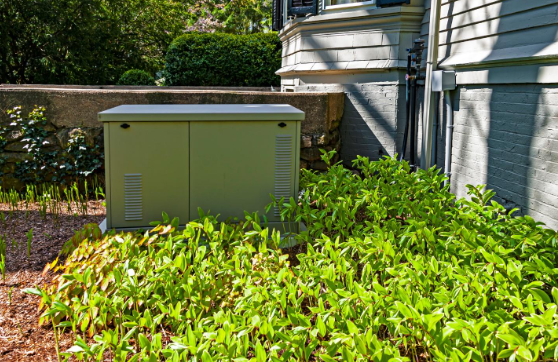
Key Takeaways About Emergency Generators
Emergency generators provide backup electrical power when the utility fails using an engine and alternator. This guide is for Gilbert, SC homeowners preparing for hurricane season and extended outages.
- Identify critical circuits and medical equipment that need continuous power.
- Prevent overloads by performing a professional load calculation first.
- Avoid dangerous backfeed by installing a properly rated transfer switch.
- Spot electrical issues using voltage and current readings during tests.
- Reduce fuel and maintenance risks with monthly inspection and exercise runs.
- Plan installation and placement with a licensed electrician before storms.
Introduction
When hurricane season approaches, power outages shift from inconvenience to real risk for homeowners. Emergency generators provide a steady source of electricity for medical devices, refrigerators, pumps, and sump systems. For families in Gilbert, SC the timing and duration of outages matter for food safety and comfort. Planning now reduces stress when storms arrive.
Lack of backup power can worsen minor damage into costly repairs when sump pumps and security systems fail. A visible sign of trouble is a refrigerator that stops cooling within hours. Professionals check circuit breakers, transfer switches, and grounding to confirm safe generator use. Those electrical checks protect the home and the people inside.
Choosing the right generator capacity prevents overloaded circuits and unexpected shutdowns during storms. A licensed electrician performs a load calculation and inspects the service panel and critical circuits. They will look at GFCI protection, dedicated circuits for medical equipment, and the transfer switch location. Proper sizing keeps essential systems running without tripping breakers.
Preparing a generator ahead of a storm saves time and reduces hazards when power goes out late at night. Homeowners in Lexington, SC should schedule a professional inspection well before peak season to ensure readiness. Professionals will run tests, record voltage and load readings, and provide a written report of findings. That documentation helps homeowners make informed decisions about installation and maintenance.
How Emergency Generators Work During Outages
Emergency generators are machines that produce electricity when utility power stops, using an engine and alternator to supply house circuits. They sense grid loss and start automatically within seconds for standby units. Homeowners often ask how long a generator can run continuously. The answer depends on fuel type and load. A common homeowner question is whether a generator can power an entire house during a storm, and the answer depends on proper capacity and load management.
- The engine burns fuel to turn the alternator.
- The alternator creates AC power for home circuits.
- A transfer switch isolates generator power from the grid.
- Load control prevents overload and automatic shutdown.
When utility power drops, a standby generator uses an automatic transfer switch to move selected circuits to generator power. The transfer switch prevents backfeeding into the grid and protects line workers and equipment. A professional inspects the switch, breakers, and grounding conductor during installation. Visible signs of improper transfer include flickering lights or frequent breaker trips.
To confirm a generator will meet household needs, a technician performs a load test and records voltage and frequency readings under load. They check the service panel, dedicated medical circuits, and GFCI protection in wet areas. Homeowners can also watch for unusual smells or engine sputtering during routine testing and report concerns to a technician. For additional storm preparation tips, read our guide on power outage preparedness for major storms.
Why South Carolina Hurricanes Cut Power Frequently
Strong winds and falling trees during hurricanes commonly damage overhead lines and utility poles, which cuts power to neighborhoods quickly. Flooding can short out substations and transformers, forcing grid operators to de-energize sections for safety. Salt-laden air and flying debris also damage distribution equipment, causing outages that can last hours or days. Repair crews prioritize critical infrastructure, so some residential areas may wait longer for restoration.
High wind and water often create multiple fault points that trip protective devices in the grid to prevent fires and equipment damage. Those automatic protections isolate damaged segments, which interrupts service until crews confirm safe conditions. Outage maps may show scattered outages because damage patterns depend on tree cover and pole placement. Utilities then coordinate bucket trucks and line crews to inspect and repair the most hazardous sections first.
Downed conductors present electrocution and fire risks, so utilities keep lines de-energized until repairs and testing finish. That deliberate delay protects both workers and residents near flooded areas. Homeowners may hear generators running nearby as neighbors use backup power while waiting for restoration. For additional precautions around floodwater and electrical hazards, read our guide on home electrical safety during flood season. In Gilbert, SC, ready backup power reduces disruption when utilities isolate lines for safety.
Professionals diagnose outage causes by inspecting visible damage, testing voltage at the service drop, and checking the main breaker and grounding conductor. A technician also measures incoming voltage and inspects the meter base during a site visit to confirm whether the issue is on the utility side.
Calculating Proper Generator Capacity for Homes
Start by listing every appliance and system you need to run during an outage, noting motors and heating loads that draw higher startup current. A licensed electrician performs a load calculation using the service panel, circuit breaker sizes, and measured running amperage. They will inspect components like the main breaker, grounding conductor, and critical dedicated circuits to verify capacity. This step prevents undersizing and avoids nuisance tripping when multiple motors start at once.
Next, separate loads into continuous and noncontinuous groups to size for sustained operation versus peak startup demand. Continuous loads include refrigerators, medical devices, and sump pumps that must run for hours without interruption. Motors such as air handlers and well pumps create a high inrush current that can be several times their running amps, so electricians factor motor starting into the calculation. Professionals use voltage and amperage readings taken during a controlled test run to confirm real-world numbers.
Choose generators by power rating to handle both the total running watts and the highest combined starting watts expected during simultaneous motor starts. A technician may recommend load sequencing or a manual load-shedding plan to keep critical circuits online without oversizing the generator. They also examine the transfer switch capacity and breaker arrangements to ensure the generator can feed selected circuits safely. Photographs, recorded voltage readings, and a written load worksheet provide homeowners with clear documentation of the decision.
For properties in Gilbert, SC, and nearby areas such as Lexington, SC homeowners should consider future needs like added HVAC capacity or medical equipment when sizing a generator. A professional confirms that the service panel and transfer switch have space and ratings adequate for the chosen generator. They diagnose potential weak points by checking for loose connections, corrosion, and correct grounding before final approval. This diagnostic process reduces surprises during a storm and supports a safer backup power system.
When to Choose Portable Versus Standby Generators
Standby units connect permanently to a home's electrical system and start automatically when utility power fails, providing continuous power without manual setup. They mount on a concrete pad or gravel base outside and require proper clearance from windows and vents for exhaust control. A professional inspects the service panel, grounding conductor, and automatic transfer switch location to ensure safe integration before operation. Homeowners should plan for fuel type and delivery because runtime depends on on-site fuel storage and local fuel availability.
- Automatic start within seconds of outage detection.
- Permanent connection to the transfer switch.
- Needs certified electrical installation and testing.
- Requires scheduled maintenance and fuel checks.
Capacity decisions hinge on which circuits need uninterrupted power and how many motor loads will start at once, influencing generator size selection. Technicians perform a load calculation using circuit breaker ratings and measured running amperage to specify the correct unit. They also check for adequate physical space around the unit and the service panel capacity for future expansion. For homeowners in Gilbert, SC, these site checks confirm that a standby system fits the property and the electrical layout.
Installation logistics include fuel hookups, exhaust routing, and noise considerations to meet neighborhood expectations while maintaining safe operation. A licensed electrician installs the automatic transfer switch and verifies isolation of generator power from the grid to prevent backfeed. Professionals use voltage readings and test runs under controlled load to validate performance and identify wiring issues. For properties in Lexington, SC, a written installation report usually lists clear steps for post-installation maintenance and warranty registration.
Preparing A Backup Power Plan for Safety
Start your backup power plan by listing critical needs and prioritizing the order circuits must receive power during an outage. Include medical devices, refrigerator, sump pump, and communication chargers when deciding priorities. A clear priority list helps a technician design transfer switch circuits that match your household needs. Keep this list in writing and update it when new equipment is added.
Identify safe generator locations and fuel storage options that keep exhaust, vibration, and fuel risks away from living spaces. A professional will check exhaust routing, safe clearance, and grounding conductor connections before approving placement. Documenting these location decisions reduces last-minute changes during a storm and supports safer operation.
Plan manual actions and automatic responses so everyone in your household knows steps when power fails, including shutoff locations and where to find the priority list. Train family members to stop and check breakers, GFCI outlets, and visible wiring before using connected devices. Include a checklist for post-start checks like voltage reading, unusual smells, and generator oil level verification. Clear roles speed safe startup and reduce accidental overloads during high-stress conditions.
Arrange for a professional inspection and written report that documents load calculations, transfer switch wiring, and test results before hurricane season arrives. A technician will diagnose weak points by measuring voltage, checking breaker integrity, and confirming proper grounding conductor installation. Retain the report to guide future maintenance and to show compliance with safety recommendations.
Installing Transfer Switches and Electrical Safeguards
Begin by installing a properly rated transfer switch to keep generator power isolated from the utility and prevent dangerous backfeed to lines. A licensed electrician inspects the service panel and selects a switch sized for the calculated load and breaker arrangement. During installation, the tech verifies grounding conductor continuity and correct bonding at the generator connection to reduce shock and fire risks.
Electrical safeguards include dedicated breakers for high-priority circuits and proper labeling to avoid accidental cross-connection during storms. The electrician confirms GFCI protection where required and assesses AFCI compatibility for living-area circuits to reduce arc-fault fire risks. They also check the main breaker, junction box connections, and torque on lug terminals to prevent loose connections that cause heat and odor. Requesting photos and a simple wiring diagram helps homeowners understand the final setup.
Professionals diagnose transfer switch issues by observing symptoms such as flickering lights, unusual smells, or frequent breaker trips during a controlled generator startup test. Technicians use a multimeter to record voltage at the transfer switch and a clamp meter to measure circuit currents while the generator carries selected loads. They inspect the enclosure for water intrusion and confirm mechanical interlocks operate smoothly to prevent simultaneous utility and generator supply.
Consider surge protection and automatic load-shedding to protect electronics and manage limited generator capacity during long outages. An electrician may install a whole-house surge suppressor at the service panel and configure the transfer switch for priority-load sequencing. Homeowners in Lexington, SC should obtain a written checklist showing tested circuits, measured readings, and recommended maintenance intervals. Always hire a licensed professional for transfer switch wiring and major electrical safeguards to ensure code-compliant, safe operation.
When to Call a Professional Generator Service
Call a professional in Columbia, SC when you notice unusual generator behavior such as repeated stalls, abnormal exhaust smell, or erratic voltage under load. A technician inspects wiring, measures voltage and frequency with a multimeter, and reviews the transfer switch operation to confirm faults. They also check grounding conductor connections and torque at lug terminals to locate loose or corroded contacts that cause heat. For residential homeowners, these diagnostics prevent small electrical issues from becoming fire hazards during South Carolina storms.
- Record observed symptoms before the visit.
- Have circuit labels and priority lists ready.
- Note when noises or smells started.
- Provide recent maintenance records to the technician.
- Keep access clear for safe equipment testing.
Professionals diagnose problems by running a controlled load test while recording voltage and current readings across critical circuits. They use a clamp meter to confirm amperage on motors and a multimeter for voltage stability during startup. Technicians inspect junction boxes, GFCI devices, and breaker operation to find intermittent faults that appear under generator supply. This stepwise check confirms whether the issue is wiring, transfer switch settings, or generator output regulation.
Contact a service when you plan changes like adding HVAC capacity or medical equipment to your priority list to ensure the generator can handle new loads. An electrician performs a new load calculation, inspects the service panel, and recommends transfer switch upgrades if needed. They will produce a written report with measured readings and clear recommendations for wiring or equipment changes.
Maintaining Fuel and Generator Readiness Year-Round
Keep fuel storage inspected monthly to prevent contamination and evaporation, checking for water, sediment, and proper tank seals. Rotate stored diesel or propane per manufacturer guidance and use fuel stabilizer when recommended to maintain combustion quality. Record fuel levels and service dates in a simple log so technicians can review history during inspections. If you detect fuel odors or visible leaks, stop use immediately and contact a qualified technician for safe cleanup and generator repair.
Run the generator under load at least once a month to exercise engine components, batteries, and the alternator under real conditions. During a test, note sounds, exhaust color, and any vibration that could indicate mounting or exhaust issues needing service. A professional will inspect spark plugs, fuel filters, oil level, and battery condition when performing scheduled maintenance visits. Keep written test readings like voltage and run duration for trend checks before hurricane season approaches.
Maintain electrical readiness by checking battery terminals, automatic transfer switch contacts, and service panel torque on lug connections periodically. Use a multimeter to confirm battery voltage and a clamp meter to verify expected current during a test run, providing clear diagnostic data to a technician. If breakers trip or lights dim under generator load, a professional should perform a load survey and inspect GFCI and AFCI devices.
Plan annual professional generator maintenance that includes oil and filter changes, coolant checks, and exhaust inspection to reduce mid-storm failures and extend equipment life. During that visit, the technician will perform a controlled load test and provide a written report with recommendations and measured readings. Keep clear access around the unit and ensure the transfer switch area is free from debris to speed service and reduce hazards. Property owners should schedule these annual checks before South Carolina hurricane season to confirm readiness and document condition.