
Key Takeaways About Standby Generator Maintenance
Standby Generator Maintenance means regular checks and tests to keep your backup power ready. This guidance is for homeowners and property managers who need reliable power during hot, humid seasons and storms.
- Identify early signs of fuel cooling and battery problems.
- Prevent no-start events with scheduled load testing routines.
- Avoid overheating damage by inspecting cooling and airflow.
- Spot transfer switch faults through timed simulated utility failures
- Reduce risk with documented test readings and battery checks.
- Plan seasonal service visits before heat and storm seasons.
Introduction
Standby Generator Maintenance keeps your backup power ready when storms or summer heat cause outages. In Columbia, SC, hot humid weather can increase engine stress and battery drain. Regular scheduled service reduces the chance of failure during severe weather. Homeowners notice the risk when outages last longer than a few hours.
Routine load testing confirms the generator can handle the home's electrical demand under real conditions. A failing transfer switch can leave critical circuits without power when you need them most. That unseen component often causes the most frustration during an outage.
Battery health is another common failure point after long idle periods or heat exposure. Corroded terminals, low charge, or old batteries cause no-start events despite the rest of the generator working. A professional will check voltage and connections and replace weak batteries before they fail. Catching these issues early avoids emergency calls during storms.
Scheduled service creates a predictable maintenance rhythm and documents test results for your records. Technicians record load test readings and inspection notes to confirm readiness over time. If you prefer professional assistance, contact Mister Sparky of Columbia, SC for generator service and scheduling. Prompt maintenance helps keep power available when you need it most.
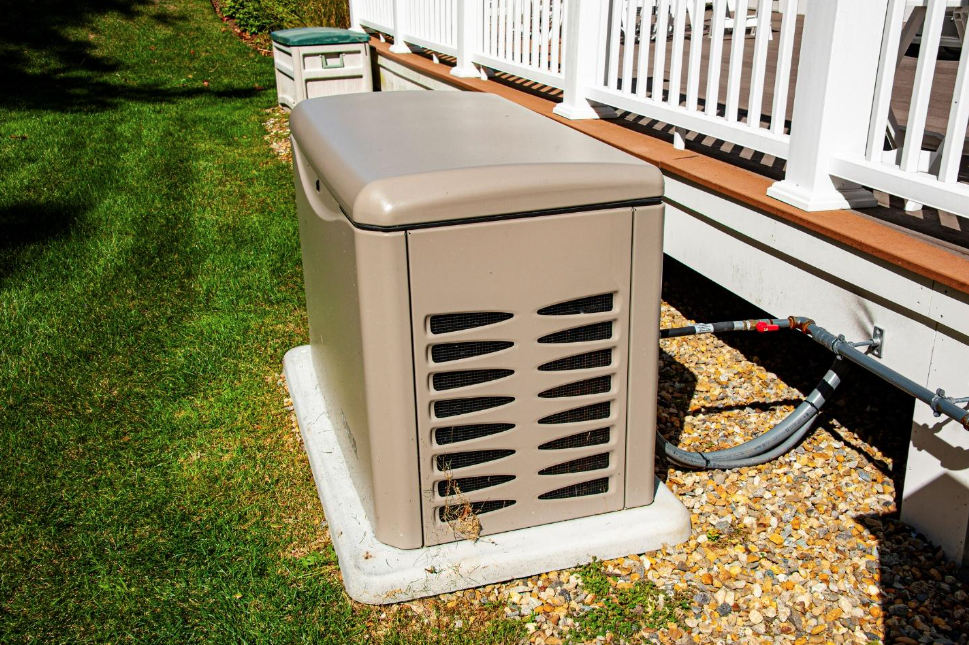
Photo from iStock - Credit: sphraner
Why Standby Generator Maintenance Matters in South Carolina
Why standby generator maintenance matters in South Carolina means keeping equipment reliable through hot, humid summers and severe weather. Regular checks reduce unexpected failures and prolong equipment life. Homeowners often ask, "Will maintenance really prevent a no-start during storms?" Yes, routine inspection and testing catch problems before outages occur. Proper maintenance also protects components from accelerated wear caused by heat and humidity.
- Prevents fuel degradation and clogging.
- Identifies cooling system leaks early.
- Verifies battery condition and charging.
- Ensures the transfer switch operates on demand.
Heat speeds chemical reactions that harm batteries and fuel, making periodic service more than a suggestion. Technicians look for signs like cracked hoses and varnished fuel that indicate heat damage. A common homeowner question is whether heat causes generator failure, and the answer is that prolonged exposure does increase risk. Prompt service helps avoid failures during storms and extreme temperatures.
Maintenance also preserves automatic systems that homeowners rarely see, such as the transfer switch and sensors. Visible symptoms like strange smells, slow starts, or delayed transfer signal deeper issues technicians will confirm. Professionals diagnose problems using voltage readings, load testing outputs, and visual inspection of wiring and connections. If you own a standby generator near Columbia, SC, Gilbert, SC schedule service to reduce outage risk.
How Scheduled Service Prevents Fuel and Cooling Issues
Scheduled service reduces fuel problems by keeping tanks clean and fuel lines clear of deposits that form over time. Technicians drain water from fuel bowls and inspect filters for varnish or clogging that restrict flow. They also check fuel pick-up lines and primer bulbs for soft spots or leaks that cause air intrusion during operation. Catching these issues during service prevents hard starts and unexpected shutdowns when you most need power.
Cooling issues show up as high engine temperature, coolant leaks, or unusual exhaust heat during short runs. During service, a technician inspects hoses, clamps, radiator fins, and coolant level to locate leaks or blockages. They perform simple tests like measuring coolant temperature rise and checking fan operation to confirm adequate heat rejection. Early detection avoids head gasket damage and seized components that require expensive repairs.
Fuel quality declines faster in warm, humid climates, so scheduled service often includes fuel stabilization and system cleaning to limit microbial growth and varnish. Professionals may recommend periodic fuel polishing for tanks that sit long between uses to remove settled contaminants and water. They can also measure fuel pressure and observe injector spray or carburetor function to verify consistent fuel delivery. A recorded fuel-pressure reading gives homeowners a reference for future comparisons.
Technicians diagnose persistent starting or overheating problems by combining visual checks with diagnostic readings such as voltage, pressure, and temperature. For example, a homeowner reporting a hot smell and rapid cool-down after shutdown prompts inspection of coolant hoses, thermostat operation, and radiator airflow. The technician documents findings with test results and photos and then recommends targeted repairs or component replacement.
Load Testing Procedures and When to Act
A controlled load test starts with a technician confirming baseline voltage and generator runtime parameters before applying house loads. They connect known resistive loads and observe frequency and voltage stability for a set period to confirm the unit sustains rated output. Technicians also watch engine RPM and coolant temperature during the test to spot heat-related sag or speed drops under load. If readings fall outside manufacturer tolerances, the technician records values and recommends corrective action promptly.
During testing, professionals verify exercise cycles and automatic start sequences as part of diagnosing intermittent issues that owners often miss. They monitor the transfer of load from utility to generator and back while taking voltage and current measurements at the panel. A common diagnostic step is measuring voltage at the generator output, then at the critical load circuits to find voltage drop or wiring issues. The data collected forms the basis for repair decisions and future comparisons.
Battery-assisted start failures sometimes appear only under load when the starter must crank quickly after extended idle periods. Technicians perform a cranking voltage test and measure resting state charge to determine battery health and alternator charging performance. They also inspect starter connections and grounding conductors for corrosion or looseness that raise internal resistance. If tests show marginal voltage under cranking, replacement or charging system repair is recommended.
Deciding when to act depends on trend data and symptom severity gathered during load tests and inspections. If frequency or voltage deviates briefly but self-corrects, scheduled follow-up may suffice; persistent deviations call for immediate repair to avoid mid-outage failure.
Battery Checks Explained and Replacement Decision Points
An electrical technician starts battery checks by measuring resting voltage with a multimeter and then performing a cranking voltage test under load. They inspect terminals, cable routing, and grounding conductors for corrosion or looseness that increase resistance. Technicians also test the charging system output during a short run to confirm the alternator or charger restores charge. These steps identify weak batteries that still show acceptable resting voltage but fail under starter load.
- Measure resting voltage with a multimeter.
- Perform cranking voltage under starter load.
- Inspect terminals and grounding conductors.
- Test charging system output during run.
Battery age and the frequency of exercise cycles guide replacement timing, since heat accelerates chemical breakdown over months. A professional looks for signs like slow cranking, electrolyte leakage, or a bulging case that indicate imminent failure. They may record voltage trends and compare them to manufacturer recommendations for end-of-life thresholds. Homeowners receive a written report showing test numbers and replacement suggestions for informed decisions.
Replacement decisions balance measured performance and practical risk during outages, especially in hot, humid conditions where failure risk rises. If cranking voltage falls below recommended limits or internal resistance is high, technicians recommend replacement before the next storm season.
Transfer Switch Inspections: What Technicians Look For
Electrical technicians inspect the mechanical interlock and solenoids inside the transfer switch for firm movement and proper seating under manual actuation. They check contact surfaces for pitting or burning that indicates arcing during past transfers and record resistance readings across closed contacts with a portable multimeter. Visible signs such as scorch marks, loose screws, or melted insulation prompt immediate repair or replacement to prevent unreliable switching during outages.
Control circuitry receives a functional test to confirm voltage sensing and command logic operate correctly when utility power drops. Technicians simulate a utility loss and time the switch response while monitoring generator start signal and transfer timing with a stopwatch and voltage meter. They inspect control wiring and terminal connections for tightness, corrosion, or rodent damage that can cause delayed or failed transfers in real events. If the control board shows intermittent faults, professionals document error codes and advise component replacement to restore deterministic operation.
Grounding and bonding receive focused attention because poor ground paths create safety and operational risks during transfers between sources. The technician verifies grounding conductor continuity and checks bonding connections at the switch enclosure and generator frame using a continuity tester. They also examine the enclosure for water ingress or corrosion that compromises terminal integrity over time, especially in humid environments. Any compromised grounding connections lead to immediate corrective action to meet safe operation expectations.
Technicians test load shedding and selective transfer functions for systems where only critical circuits move to generator power during an outage. They verify the transfer switch isolates nonessential circuits and confirms critical loads receive stable voltage without nuisance trips during staged load application. Diagnostic steps often include recording voltage and current at both the switch and critical panel to locate wiring or phasing mismatches.
Common Failure Causes and How They Happen
Corroded fuel fittings and clogged injector nozzles often start as slow performance issues before turning into complete power loss. Homeowners may notice rough idling, white or black exhaust smoke, or reduced runtime as early clues. A technician confirms fuel delivery problems by observing injector spray patterns and measuring fuel pressure at the pump. They may also inspect fuel hoses and clamps for softening or hairline leaks that let air into the system.
Overheating that damages head gaskets or warps components usually follows repeated short, high-load cycles without full cooldown time. Symptoms include coolant loss, coolant-smelling exhaust, or persistent high-temperature readings on the generator gauge. A professional diagnoses engine heat damage by pressure-testing the cooling system and checking compression across cylinders. They also examine radiator fins and fan operation for restricted airflow or failed thermostats causing heat buildup.
Electrical faults like loose grounding conductors, high-resistance lugs, or arcing can cause intermittent failures under load that homeowners describe as flickering lights. Technicians locate these by measuring voltage drop across terminals and using a continuity tester on grounding conductors. They also inspect breaker and panel connections for discoloration or melted insulation that indicate past overheating. Repair often requires tightening connections, replacing damaged lugs, and documenting readings for future comparison.
Battery failure mechanisms include sulfation from long idle periods and thermal degradation from heat that lowers cranking ability during emergencies. Owners report slow cranking or clicking when the starter draws current as early warning signs. During diagnostics, a technician measures resting and cranking voltages and tests internal resistance to decide on replacement. For properties in Columbia, SC, Gilbert, SC consider regular checks to catch battery decline before storm season.
Seasonal Prevention Steps for Hot Humid Climates
Plan seasonal inspections timed around the hottest months to reduce heat-related failures before peak demand arrives. Technicians focus on airflow paths, coolant concentrate, and belt tension during these visits to prevent overheating. Homeowners should note any new smells or changes in runtime and report them before scheduled service. For properties in Columbia, SC, Gilbert, SC consider noting weekly exercise logs to spot trends between visits.
- Clear vegetation and debris near the generator enclosure.
- Check venting and louvers for insect nests.
- Verify coolant level and antifreeze concentration.
- Inspect rubber hoses and belts for cracking.
Keep the battery compartment cool and shaded where possible because heat shortens battery life and performance. Simple steps like insulating the enclosure and adding passive vents help lower temperatures during standby periods. A professional can fit temperature-tolerant battery options and recommend maintenance intervals based on measured ambient heat. Owners who notice slow cranking or corrosion should arrange a diagnostic check promptly.
During high humidity seasons, watch for condensation signs inside enclosures that cause electrical corrosion and shorts. Technicians may recommend desiccant packs or controlled ventilation to limit moisture accumulation over time. Inspect control panel seals and conduit entries for leaks that let humid air reach contacts and sensors. If you detect erratic transfer timing or visible corrosion, contact a technician to confirm the diagnosis with voltage and continuity tests.
Recordkeeping of seasonal service, test readings, and any repairs creates a clear maintenance history that helps predict future needs. Use a simple log with dates, runtime hours, and load-test outputs to track component trends between professional visits. This data helps technicians recommend timed replacements rather than reactive fixes during storms.
When to Call a Professional for Generator Service
Call a professional when you notice persistent warning signs like repeated failed starts, unusual exhaust odors, or sudden loss of output under load. These symptoms point to issues that need hands-on diagnosis with tools such as a multimeter, compression gauge, or fuel-pressure tester. A technician will perform systematic checks including starter cranking voltage, fuel delivery inspection, and control board fault reading to confirm the cause. Prompt testing prevents collateral damage that can arise from continued attempts to run a compromised system.
If the automatic transfer timing drifts or the generator takes longer than expected to pick up critical circuits, arrange a service visit right away. A professional will simulate a utility failure and time the transfer while recording voltage and current at key points to diagnose delays. They will also inspect contact surfaces and control wiring for intermittent faults that only appear under cycling conditions. Documented test results help decide whether repair or component replacement is the correct next step.
Contact a technician when you find visible corrosion, water ingress, or burned wiring inside the enclosure, since these create safety risks and unreliable operation. The technician uses continuity tests and visual inspection to locate compromised grounding conductors, loose lugs, or arcing damage. They may recommend enclosure sealing or targeted electrical repairs to restore safe operation and prevent repeat failures. For property owners in Gilbert, SC, scheduling a professional inspection reduces the risk of outage-time surprises.
Request professional service before major storm seasons or when routine diagnostics show declining trends in battery cranking voltage or load-test stability. A technician can run comparative load tests, record readings, and propose timed replacements based on measured decline rather than guesswork. If repairs are recommended, a written report with measured values and suggested actions gives homeowners clear decision points. When you decide to schedule, contact Mister Sparky® of Columbia, SC to arrange expert generator service and professional diagnosis.