
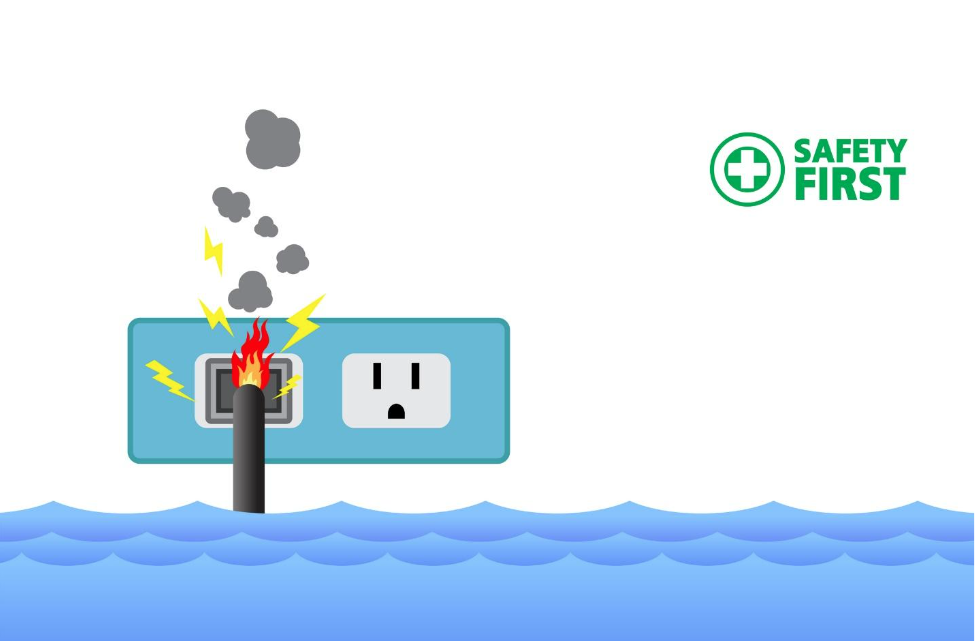
Key Takeaways About Home Electrical Safety
Home electrical safety covers hazards that arise when water reaches wiring panels outlets and equipment. This guide helps homeowners and property managers know what to watch for and when to call a qualified electrician after flooding.
- Identify visible water staining corrosion or mineral deposits on panels.
- Prevent use of submerged outlets switches and appliances until inspected.
- Avoid touching electrical equipment if you feel tingling or see water.
- Spot burning smells buzzing sounds or persistent tripping on circuits.
- Reduce risk by documenting damage and saving photos for inspections.
- Plan professional testing including voltage continuity and infrared scans.
Introduction
Flood season brings water into places it does not belong, and that creates urgent risks for home electrical safety. Water can hide damaged wiring, corroded connections, and compromised circuit breakers that fail later. Visible flooding around outlets or panels often signals deeper problems behind walls or under floors. Homeowners who ignore these signs may face shocks, fires, or extended power loss.
Common electrical hazards during floods include energized equipment in wet areas and outlets submerged or splashed repeatedly. Appliances left on during rising water can short and transmit current through standing water. Moisture also accelerates corrosion on grounding conductors and inside junction boxes. These issues make repairs more complex and increase danger for anyone entering flooded spaces.
Warning signs to watch for include burning smells, tripped breakers that will not reset, and switches that feel warm to touch. Flickering lights, unexplained power loss to a circuit, or outlets that spark when used also indicate serious problems. In Gilbert, SC, older homes with basement flooding risk hidden damage that appears weeks after an event. For properties in Lexington, SC, repeated dampness around service panels can erode safety margins and require closer inspection.
If you spot any of these cues, a qualified electrician should inspect the home before power is fully restored. A professional will check the service panel, test GFCIs, and measure voltage and continuity to confirm safety. They can also document needed repairs with photos and written findings for insurance purposes. Contacting a licensed electrician reduces the chance of shock, fire, and further equipment loss.
How Flooding Causes Electrical Failures and Risks
How flooding causes electrical failures and risks refers to how water contacts electrical components and creates shock and fire hazards. Water conducts electricity and can bridge connections that should remain separate, creating short circuits. It also leaves mineral deposits that continue to conduct after water levels drop. Homeowners often ask if water-damaged outlets can be safely used again, and the short answer is no without inspection and testing by a professional.
- Water can short live conductors.
- Corrosion degrades connections over time.
- Insulation can soak and fail later.
- Moisture can trigger hidden arcing.
Floodwaters reach service panels, junction boxes, and outlet cavities differently depending on a home's layout and flood height. Panels sitting on raised concrete might avoid minor flooding while nearby outlets still get wet. A professional will open enclosures, visually inspect for corrosion, and use a voltage reading and continuity test to confirm damage. These diagnostic steps help determine whether replacement or repair is required for safe operation.
Water that only splashes can still cause delayed failures by corroding grounding conductors and terminal screws. Corrosion increases resistance and creates heat under load, which raises fire risk when circuits are later used. For homeowners in Gilbert, SC, prolonged dampness after a flood can let corrosion progress unnoticed inside walls. Documenting visible damage and readings helps with insurance claims and repair planning.
Flooding also contaminates wiring and devices with sediment and organic material that hold moisture. A technician may use an infrared camera to find hot spots and moisture meters to confirm damp areas behind panels. In Lexington, SC properties, repeated wet-dry cycles can stress insulation and connectors and cause intermittent faults. If you smell burning, see arcing, or experience unexplained outages, contact a qualified electrician for a full inspection and written findings.
Common Home Electrical Hazards During Flood Season
Hidden junction boxes and buried splices often become hazards when floodwaters reach crawlspaces or utility chases. Moisture causes paint-like residue and mineral deposits that can bridge conductors and cause intermittent shorts. A compromised grounding conductor can raise touch potential on metal enclosures and appliances when circuits carry load. Homeowners in Gilbert, SC should note any damp basements where junctions are located and treat them as potentially unsafe until inspected.
Service panels with water staining or rust on the cabinet door deserve attention even without immediate failure. Corroded terminal screws and bus bars can loosen under load and produce heat that leads to arcing. Water intrusion into multi-wire circuits can create unintended shared neutrals that show confusing symptoms during operation. In Lexington, SC properties, panels in low-lying closets or porches require prompt evaluation after flooding events to prevent delayed failures.
Outlets and switches that have been submerged or repeatedly splashed may retain moisture inside their housings long after visible water recedes. Plastic faceplates can hide moisture around mounting screws and inside the box where wiring connections sit. A wet outlet often reads unstable voltage or fails continuity checks when tested under load. These conditions increase shock risk and make replacement of the device and possibly the box necessary.
Appliance junctions, motorized equipment, and permanently wired comforts can hide damage where cord connections meet fixed wiring. Moisture-driven corrosion increases resistance at these points and causes localized heating under normal use. A qualified electrician will open enclosures, perform voltage readings, and use a continuity test to confirm safe operation. Regular observation for unusual sounds or odors helps homeowners identify these hidden hazards early.
Warning Signs of Water Damaged Electrical Systems
Look for discoloration, flaking paint, or white mineral deposits inside outlet boxes and on panel doors after water recedes. These signs suggest prolonged moisture exposure and possible conductive residues that create intermittent faults. A technician will remove covers and inspect terminal screws, bus bars, and wiring insulation for corrosion or brittle insulation. If you notice odd tastes from air near outlets or persistent damp spots, treat the area as potentially compromised.
Be alert for outlets or switches that lose function only when humid or during storms, which indicates moisture-driven shorts or failing connections. Homeowners may hear faint buzzing from a wall or notice lights dim when certain appliances run, both pointing to poor connections. An electrician will perform voltage readings under load and continuity tests to confirm sources of voltage drop or high resistance. They may also use a moisture meter to locate lingering dampness behind finishes.
Check for discoloration, charring, or melting around receptacles and cords after flooding, even if devices appear to work normally. Heat damage can develop slowly as corroded connections raise resistance and generate localized heat when circuits carry current. A professional will open the device box, test the grounding conductor, and verify GFCI function to determine whether replacement is required. Documenting photos and written test readings helps with insurance and repair planning.
If you smell a persistent burning odor from walls or near the panel, act quickly and avoid using affected circuits until checked. In a common situation, a homeowner might report a smell after power returns and then an electrician inspects with an infrared camera to find hot spots. The electrician will also perform a load calculation and thermal scan to find overloaded or corroded components. For residential homeowners, repeated post-flood odors often prompt deeper enclosure and wiring inspections.
Loose or stiff switches that feel rough or sticky can hide moisture or corrosion inside the mechanism even if power seems normal. A qualified electrician will remove the device, test contacts, and replace affected switches or outlets as needed to restore safe operation. During inspection, they check for shared neutrals and proper labeling at the panel to avoid future confusion. Homeowners should report any devices that behave inconsistently after flood events for prompt evaluation.
Flooded Equipment Risks and What to Inspect
Flooded mechanical equipment like water heaters and HVAC air handlers can trap water around electrical terminals and motor housings, creating delayed failures and safety hazards. Inspect for standing water near appliance bases and check junction boxes for sediment or biofilm that can bridge conductors. A qualified electrician will open panels and appliance access covers to look for corrosion and perform a continuity test on motor windings and ground connections. If wiring shows green or white corrosion, replacement of terminals or pigtails is often required to restore reliable connections.
- Check mounting bolts and terminal screws for corrosion.
- Inspect control boards for water stains or mineral deposits.
- Test motor windings for continuity and shorts to ground.
- Verify grounding conductors are intact and securely terminated.
Transformers and power supplies in sump pumps, HVAC controls, and pool equipment often sit low and can flood, causing insulation breakdown and internal shorts. Look for charring, swollen components, or melted insulation on cords and inside control enclosures as signs of internal damage. A technician will use a voltage reading and insulation resistance test to determine whether a device can be safely returned to service. In Gilbert, SC homes, basement-located controls deserve prompt checks after water recedes to limit future failures.
Meter sockets and service entrance conductors that have been submerged need careful evaluation because corrosion at these high-current points increases fire risk under load. An electrician will visually inspect the socket, remove the meter if necessary, and measure voltage drop and temperature under load to detect high-resistance connections. They may recommend replacing the socket or service conductors if readings or infrared scans show hotspots. Documented test results and photos help homeowners when coordinating repairs or insurance claims.
Low-voltage systems such as doorbells, thermostats, and security panels also suffer from flooding when junctions are wet or connectors corrode. These systems often show intermittent faults, unexplained resets, or communication errors before failing completely. A professional will trace wiring, perform continuity checks, and inspect terminals at control boards to confirm reliability.
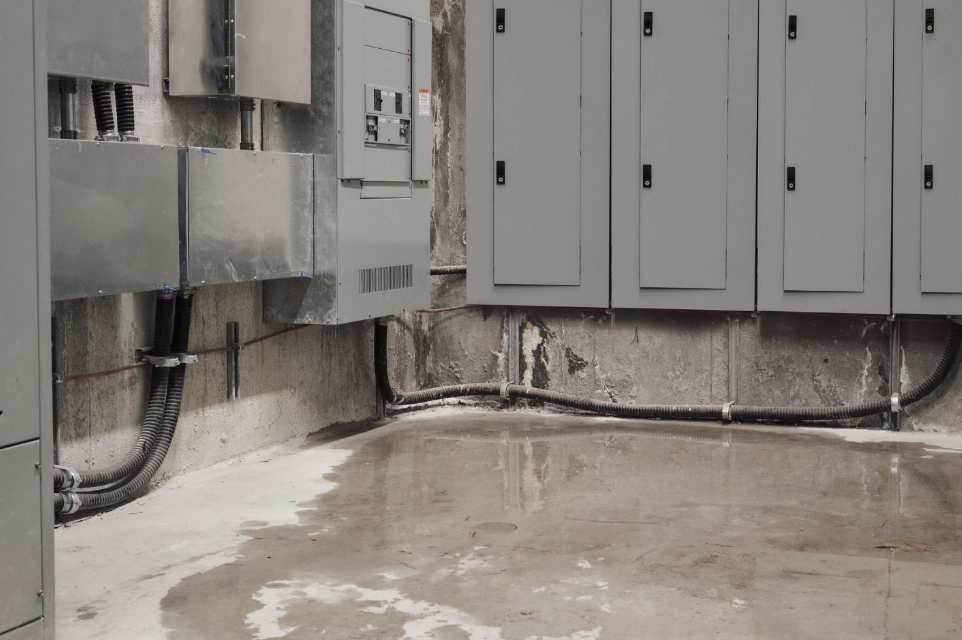
Photo from iStock - Credit: Petra Richli
How Circuit Breakers and GFCIs React to Water
Circuit breakers may trip immediately when water creates a short, but moisture can also cause slow failures that show only under load. A technician inspects a breaker by turning off power, removing the panel cover, and looking for corrosion, overheating marks, or mineral residue on terminals. They use a voltage reading and a thermal scan to confirm whether a breaker or bus connection draws excess current or runs hot. If a breaker has visible corrosion or fails dielectric checks, replacement is usually required to restore safe operation.
GFCIs respond differently because they monitor imbalance between hot and neutral conductors and trip quickly on ground faults. Ground-fault devices exposed to water can nuisance-trip or fail to trip at all if internal components corrode or if mineral deposits bridge contacts. An electrician will press the test and reset buttons, measure leakage current, and perform a trip time test to verify proper operation. Faulty GFCIs often need full replacement rather than repair after moisture intrusion.
Water inside junction boxes or outlet cavities can create intermittent arcing that does not immediately trip breakers and remains dangerous. A professional diagnosing this uses continuity tests, insulation resistance measurements, and careful visual inspection with documented photos to locate arcing sites. They may also simulate load conditions to see if a circuit trips or develops high resistance only when appliances run. These diagnostics provide objective readings homeowners can use for repair planning and insurance claims.
Service panels that show water staining require checks of the main breaker, grounding conductor, and meter connections for high-resistance joints and corrosion. An electrician measures voltage drop and may perform an infrared scan during a controlled load to detect hotspots not visible at rest. For homeowners in Gilbert, SC and those in Lexington, SC, documenting readings and photos helps prioritize repairs and supports communication with insurance adjusters. After tests, professionals provide a written report listing failed components and recommended replacements to restore home electrical safety.
When Homeowners Should Call a Qualified Electrician
If you notice persistent tripping, burning smells, or outlets that remain dead after drying, call a qualified electrician right away. A professional will shut down circuits safely and use voltage readings to confirm whether energized parts remain wet or corroded. They perform continuity tests on grounding conductors and inspect junction boxes for hidden mineral deposits that create faults. Documented test results help homeowners plan repairs and support insurance claims.
When visible rust or loose terminals appear at a service panel, an expert should evaluate connection torque and temperature under load. Technicians remove covers, test breakers with a meter, and perform a thermal scan during a controlled load to reveal hotspots. They may also test GFCI trip times and measure leakage current on suspect circuits to verify device integrity. These diagnostics show whether replacement or targeted repair is necessary.
If motorized equipment or control boards behaved erratically after flooding, request a professional inspection before restoring regular use to avoid motor burnout. An electrician checks motor winding continuity, tests insulation resistance, and examines control terminals for corrosion or shorted components. They trace low-voltage control wiring and confirm proper grounding at appliance junctions to reduce future failures.
Call a licensed electrician in Lexington, SC when intermittent faults persist despite drying and basic checks, because elusive problems often hide in shared neutrals or multi-wire circuits. The technician will perform load simulation, isolate circuits, and use continuity and voltage drop measurements to pinpoint the fault location. They provide a written report that includes photos and readings, aiding repair decisions and insurance processes.
Steps to Safely Power Down and Isolate Circuits
Start by turning off individual breakers for areas affected by flooding, leaving the main breaker alone unless advised. Approach the panel only if you can stand on dry, non-conductive material and wear rubber-soled shoes. Do not touch equipment if you see water inside the panel or feel tingling when near metal surfaces. If any doubt exists, stop and call a professional to avoid shock or worsening damage.
- Label circuits before touching breakers.
- Use a non-contact voltage tester for nearby outlets.
- Keep children and pets away from wet areas.
- Wear insulated gloves if available.
- Document conditions with photos for records.
Next, isolate affected circuits by unplugging devices and moving cords above the waterline when safe to do so. Avoid handling cords if the plug or cord shows insulation damage or corrosion. A qualified electrician will later check continuity and grounding after circuits are isolated and appliances are removed. Take notes of which outlets or appliances were submerged to show the inspector.
After isolation, do a basic visual check of outlet covers, junction boxes, and visible wiring without opening enclosures. Look for loose screws, green corrosion, or mineral deposits that suggest internal damage needing professional testing. Do not attempt to open a meter socket, main service, or sealed enclosures, those require a licensed technician.
If you must restore limited power for sump pumps or refrigerators, discuss temporary safe options with a licensed electrician first. They can advise which circuits are lowest risk and may install temporary isolations or replacements to reduce hazard. A professional will confirm safe reconnection with voltage readings, continuity tests, and a written report.
Preventive Measures for Long Term Home Electrical Safety
Develop a regular maintenance plan that targets high-risk components such as service panels, GFCIs, and junction boxes to preserve long-term home electrical safety. Schedule visual inspections and basic testing at least annually, and after any significant flood event, to catch corrosion or moisture infiltration early. A qualified electrician in Gilbert, SC can run voltage readings, continuity tests, and record thermal scans to build a trend of component performance. Maintain clear documentation of inspections and test results for future reference and insurance purposes.
Upgrade vulnerable devices proactively when inspections show age-related wear or recurring nuisance trips to reduce future failures and improve safety margins. Consider replacing GFCIs and wiring devices that live in damp locations even if they still function to avoid latent faults. An electrician will check grounding conductors and tighten terminal connections to proper torque values during upgrades to prevent heat from high-resistance joints. These targeted replacements reduce the chance of hidden faults developing after repeated wet-dry cycles.
Improve moisture control in and around electrical enclosures to limit corrosion and conductive residue buildup that undermine home electrical safety long term. Actions include elevating panels off floors when feasible, sealing entry points against repeated splash, and ensuring adequate ventilation in crawlspaces and basements to speed drying. During upgrades, professionals may add protective gaskets or replace metal boxes showing surface degradation to extend service life.
Plan for periodic functional testing of safety devices to confirm they still operate under realistic conditions and to document reliability over time. A technician can execute trip time tests on GFCIs, perform controlled-load checks on breakers, and inspect bond and grounding continuity with a meter to produce objective measurements. Keep a schedule of these tests and act if readings drift outside expected ranges to avoid sudden failures.