
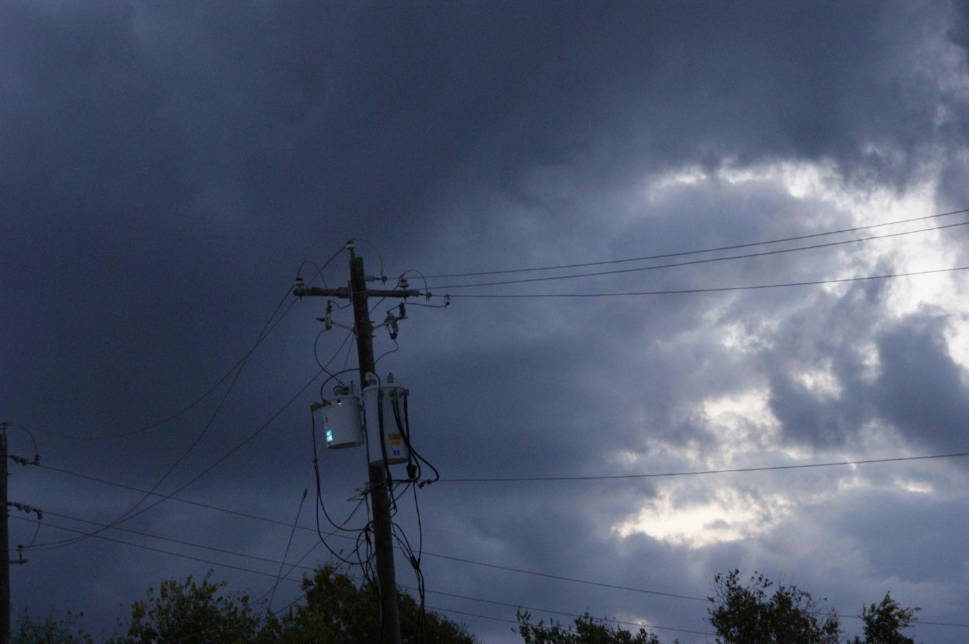
Key Takeaways About Power Outage Preparedness
Power outage preparedness means planning actions and equipment to keep people and systems safe during extended power loss. This guidance is for homeowners and property managers and matters before and after major storms.
- Identify essential circuits appliances and medical devices for priority power.
- Prevent water damage by protecting meter sockets and outdoor boxes.
- Avoid unsafe DIY repairs when you notice burning smells or arcing.
- Spot warning signs like flickering lights warm outlets and panel buzzing.
- Reduce food loss with thermometers coolers and limited door openings.
- Plan backup options and schedule an electrician for transfer switch needs.
Introduction
Major storms can cut power for hours or days, leaving homes dark and systems offline. Power outage preparedness helps homeowners reduce immediate safety risks like lack of lighting or refrigeration loss. When critical devices stop working, small problems can turn serious quickly. Preparing ahead matters most when storms threaten homes in Columbia, SC and surrounding areas.
Loss of power affects more than lights and phones, it can stop sump pumps, security systems, and medical equipment. These failures create water damage risks, security gaps, and health concerns for residents. Understanding which systems are essential lets homeowners prioritize actions before a storm. The right preparation lowers the chance of emergency repairs after power returns.
People often notice warning signs before a long outage, such as frequent flickers or unusually warm outlets. Those cues signal a need to check breakers, GFCI protection, and the electrical panel for visible damage. A qualified electrician can confirm whether the issue is a home wiring problem or a wider service outage. Early inspection helps prevent hidden problems from worsening during a storm.
Planning for extended outages reduces stress and protects valuables like refrigerated food and sensitive electronics. Homeowners in Blythewood, SC may face similar challenges when a storm causes widespread interruptions. Practical prep focuses on safety, maintaining essential systems, and knowing when to call a professional. Clear decisions ahead of time improve outcomes and keep families safer during major storms.
Understanding Power Outage Preparedness and Causes
Power outage preparedness means planning actions and equipment to keep people and systems safe during extended power loss.
- Identify essential circuits and appliances.
- Keep a list of critical medical devices.
- Know where main shutoffs and breakers are located.
- Store safe emergency lighting options.
Storms cause outages in different ways, so homeowners should learn common causes and signs before a storm arrives.
One common homeowner question asks what warning signs to watch for before a big outage, flickering lights and hot outlets are key clues.
Professionals diagnose outage risks by inspecting the service panel, testing breakers, checking grounding conductors, and taking voltage readings to confirm problems.
How Storms Interrupt Power: Why It Happens
Strong winds and falling trees commonly damage overhead lines and poles, creating sudden widespread outages. Heavy rain and saltwater intrusion can short underground service components and junction boxes, causing the utility to isolate sections. Lightning strikes may damage transformers or service equipment, producing localized surges that trip protection devices. Each of these events interrupts the normal flow from the utility to a home’s service panel and downstream circuits.
Water entering meter sockets, junction boxes, or outdoor disconnects can create dangerous faults and corrosion over time. Moisture often shows as rust on exposed conductors or discoloration around connections during a visual inspection. A professional would remove the meter and inspect the socket, test continuity, and take voltage readings to confirm a moisture-related fault. Homeowners should avoid handling the meter or live conductors and call a licensed electrician when water damage appears.
Vegetation contact and animal interference cause many transient outages by bridging conductors or gnawing insulation near lines. Repeated brief flickers usually indicate a loose connection, worn service conductor, or an intermittent equipment fault at the pole or transformer. An electrician diagnosing the problem will check the grounding conductor, inspect the service entrance, and use a voltage reading to detect intermittent drops. For properties in Columbia, SC and Blythewood, SC, trimming and professional line clearances can reduce risk before storms arrive.
When a transformer or sectionalizing device fails, utilities often de-energize larger areas to protect crews and equipment. This protective action prevents fires and wider damage, but it can extend outage duration for affected households. A homeowner noticing repeated surges or a burning smell at the service panel should stop using major appliances and request an urgent inspection. A written report with measured voltages and visible findings helps coordinate repairs between the homeowner, electrician, and utility company.
Recognizing Warning Signs and When to Act
Watch for repeated dimming or brief power outages that happen before a storm arrives, as these often signal a weak connection or stressed equipment. Pay attention to unusual sounds like buzzing at the service panel or a faint burning odor near outlets, and stop using affected circuits immediately. If ground-fault devices trip often during routine tasks, note which circuits and when the trips occur for a professional to review. An electrician will perform basic voltage readings and inspect the panel bus for loose connections when diagnosing these symptoms.
Loss of certain circuits while others remain powered can indicate a multi-wire branch issue or a failing breaker that needs replacement. Photograph any visible damage such as scorch marks around breakers, melted insulation, or rusted outdoor disconnects to show to the technician. A homeowner who smells ozone near outdoor equipment should avoid touching the meter and call the utility and an electrician for coordinated checks. During inspection, professionals commonly test continuity, check neutral connections, and confirm proper grounding conductor attachment.
Watch your electric bill for unexplained spikes, which may point to a hidden fault drawing current even before a storm damages equipment. Note the timing of flickers, like whether they coincide with heavy appliance starts, so the electrician can run load calculations and check the service panel rating. For homes in Columbia, SC, seasonally increased demand can reveal marginal service issues that need correction before storms. A testing report with recorded voltage and breaker load observations helps prioritize repairs between homeowner and technician.
If water appears around outdoor meter bases or junction boxes, treat it as an urgent safety cue and keep clear of the area until a professional arrives. In a common situation, visible corrosion on lugs or discoloration around connectors suggests moisture intrusion that an electrician will confirm with visual inspection and voltage tests. For properties in Blythewood, SC, homeowners should note wet spots and unplug nearby exterior devices before a service call. Share photos and symptom timing with the electrician to speed diagnosis and reduce repair time.
Protecting Essential Systems with Simple Steps
Start by protecting systems that could cause damage when power returns, such as sump pumps and water heaters, using simple shutoff steps. Turn off or isolate appliances that could restart and overload circuits when power returns to avoid tripped breakers. Label critical shutoffs and circuit breakers for quick action during or after a storm. Keep a waterproof flashlight and a charged battery pack near these labels for easy access.
- Cover outdoor electrical boxes with plastic sheeting.
- Move small electronics off the floor in basements.
- Unplug sensitive equipment during severe weather.
- Secure battery backups for modems and routers.
Protect refrigeration and frozen food by minimizing door opening and moving perishables to a cooler with ice if needed. Use appliance thermometers to monitor internal temperatures and decide what to discard after an outage. If a freezer stays below 40°F, food remains safe longer than one left at higher temperatures. Take photos of spoiled items for insurance records if losses occur.
Safeguard medical and safety devices by arranging battery backups and verified outlet protection ahead of time. Test backup batteries in smoke detectors, carbon monoxide alarms, and rechargeable oxygen concentrators monthly. Keep a list of device models and power needs for technicians to reference if repairs or replacements become necessary. For homeowners in Columbia, SC and Blythewood, SC, share those device details with a local electrician when arranging pre-storm checks.
Planning for Extended Outages and Decisions
Decide in advance which household needs take priority if an outage lasts several days, such as heating, refrigeration, and medical devices. Create a written list showing circuits, appliance priority, and estimated runtime needed for each device. Include model numbers and approximate wattages so a technician can advise on suitable backup solutions. Store this list in a waterproof folder near the main electrical panel for quick reference when power fails.
Plan for water management if sump pumps or well pumps could stop working during an extended outage to avoid flooding. Consider routing sensitive items away from low areas and elevating valuables to reduce water damage risks. A professional can inspect the sump pump, check the check valve, and confirm the float switch operates without obstruction. Share photos of the pump and pit with the technician to speed diagnosis if problems occur.
Decide how you will preserve refrigerated food by estimating cooler space, ice supply, and how often doors will open during an outage. Label and rotate perishables ahead of time to use high-risk items first, lowering total loss if refrigeration stops. Use appliance thermometers to track temperature and record readings for possible insurance claims after extended outages. If you rely on powered medical equipment, document battery run times and contact a licensed electrician for transfer-switched options.
Set trigger points that tell you when to call a professional, such as persistent panel buzzing, breaker failures, or repeated GFCI trips during recovery. Prepare to provide an electrician with voltage readings, photos of scorch marks, and a timeline of symptoms to speed troubleshooting. For large properties or multiple critical circuits, arrange a pre-storm consultation to discuss transfer switches and safe generator connections with a professional. Homeowners in Blythewood, SC and Columbia, SC should note local outage histories when planning priorities and scheduling inspections.
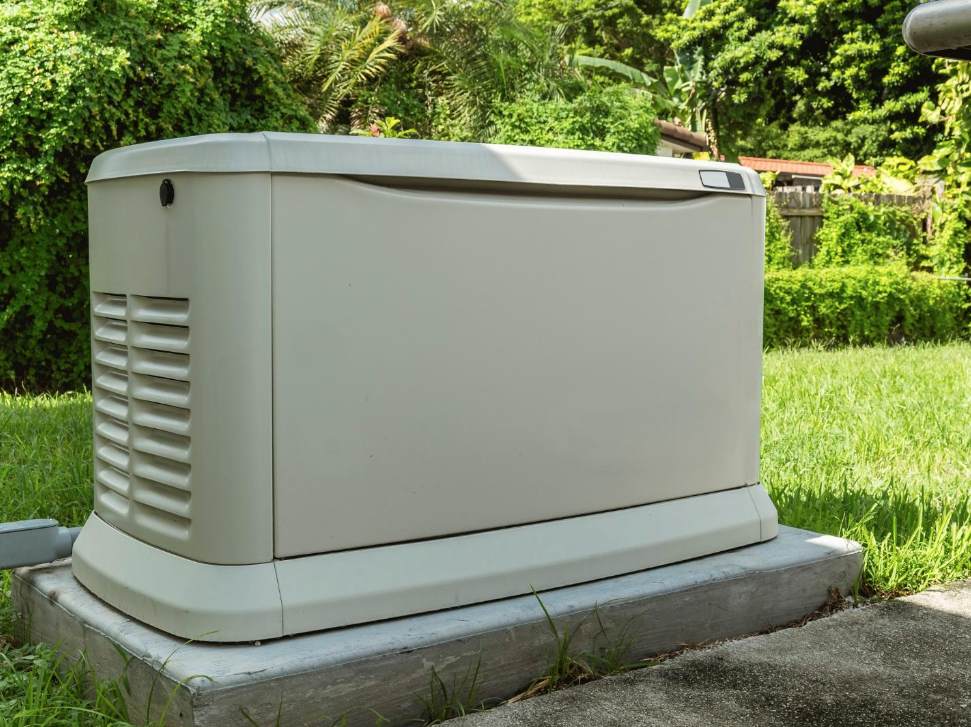
Photo from iStock - Credit: MDV Edwards
Backup Power Options: When to Consider Generators
Whole-house standby units attach to the main service through a transfer switch and run automatically when grid power fails, making them a common choice for long-duration outages. These systems connect to the service panel and require a licensed electrician to perform a load calculation and install a proper transfer switch. A technician will inspect the service panel, confirm grounding conductor continuity, and verify breaker sizing before recommending a unit. For homeowners in Columbia, SC, siting and fuel access often influence which standby option makes the most sense.
Another fixed option uses dedicated circuits with an automatic transfer switch to power specific essentials like heating, refrigeration, and medical equipment. This approach reduces installation complexity by limiting how much load the backup system must handle during an outage. Professionals diagnose suitability by checking appliance nameplates, calculating continuous and starting wattages, and mapping circuits to a transfer switch. Homeowners should keep model numbers and device wattages available for the electrician to review during the site visit in Blythewood, SC.
Fuel choice affects runtime, maintenance, and safety requirements, so weigh propane, natural gas, and diesel against household needs and available hookups. Natural gas often provides extended runtime without refueling, but an electrician must confirm proper supply pressure and a shutoff strategy during storms. A technician will inspect the fuel connection, confirm ventilation for combustion air, and ensure transfer switch wiring meets load demands. Plan for routine maintenance visits and checks of oil or fuel filters to keep the system ready for long outages.
When deciding whether a fixed generator is worth the cost, compare probable outage duration, critical loads, and the impact of lost systems like sump pumps or medical devices. A professional will perform a site assessment, measure voltage at the service entrance, and provide a written load profile showing expected runtimes under typical load. Consider permit needs, pad construction, and noise rules when siting equipment, and ask the electrician for a quote that includes transfer switch installation. If uncertain, schedule a pre-installation consultation so the technician can confirm system sizing and safety steps.
When to Call a Professional Service for Safety
If you detect scorching smells, visible arcing, or repeated breaker failure after storm damage, call a licensed electrician immediately. Describe symptoms, circuit locations, and any recent smoke or buzzing at the panel when you call. A professional will perform voltage readings, continuity tests, and inspect breaker connections to confirm hazards before restoring circuits. Prioritize safety and avoid using damaged outlets or reset attempts until cleared by the technician.
- They will inspect the main service panel.
- They will test grounding conductor continuity.
- They will take voltage and load measurements.
- They will document visible corrosion or scorch marks.
- They will recommend temporary isolation or repairs.
Call a professional when a critical system like a sump pump or medical device loses reliable power during recovery. The electrician will check the dedicated circuit, confirm GFCI or AFCI operation, and measure outlet voltages under load. Providing photos, device model numbers, and observed timing of failures speeds diagnosis and helps the technician plan parts. This supports timely repairs and reduces risk of water damage or interrupted medical support.
Request an electrician if you plan to install a transfer switch or tie a standby system into the service panel for long outages. The technician will conduct a load calculation, inspect breaker sizing, and verify clearances and grounding for safe connection. Ask for a written work scope that lists tests, measurements, and any recommended panel upgrades before approving work. For homeowners in Columbia, SC and Blythewood, SC, schedule inspections ahead of storm season to avoid last-minute delays.
Homeowner Checklist for Preparedness and Recovery
Keep a waterproof folder near the main panel that holds appliance model numbers, estimated wattages, and contact information for a licensed electrician. Include photos of visible panel damage and a short timeline of symptoms to speed post-storm diagnosis and repair coordination. A technician will appreciate circuit labels and any prior voltage readings recorded during disturbances. Keep replacement parts receipts and warranty information in the same folder for insurance and repair reference.
Create a priority list for recovery tasks that ranks safety items first, followed by water management and refrigeration concerns. Note which circuits feed sump pumps, well pumps, medical devices, and refrigeration to guide emergency isolation or restoration. During an inspection, a professional will use a voltage reading and continuity test to confirm circuit integrity before reconnecting loads. Recording these checks in writing reduces repeated visits and clarifies repair scope.
Assemble a recovery kit with spare GFCI outlets, labeled breaker handles, basic hand tools, and replacement smoke alarm batteries for quick fixes after power returns. Store a flashlight and charged battery pack with the kit so you can perform safe visual inspections at night without powering circuits. If you find scorch marks or a burning smell, stop attempts at DIY repairs and contact a licensed electrician immediately to perform load measurements and panel inspection. For planning trips or scheduling repairs, note local outage history in Columbia, SC to prioritize inspections before storm season.
Assign roles to household members for tasks like shutting off breakers, moving perishables, and documenting damage for insurance claims during the recovery phase. Train one person to photograph damaged equipment and keep timestamped notes including when the utility restored service and any unusual sounds or smells. Share device model numbers and photos with the electrician in advance so they can prepare parts and test procedures for faster turnaround. For homes in Blythewood, SC, ensure someone knows where main shutoffs and the waterproof folder are located for efficient recovery actions.