
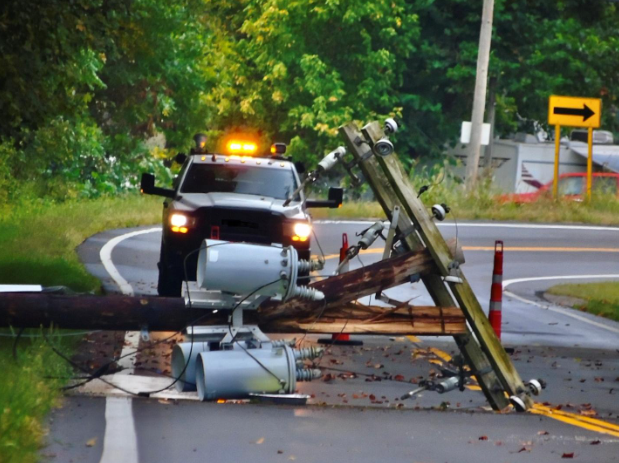
Key Takeaways About Power Line Damage
Power line damage means physical or electrical harm to overhead or service wiring that creates a safety hazard. This summary is for homeowners and property managers to use immediately after a storm when safety and reporting matter most.
- Identify downed wires, sparks, or damaged poles from a safe distance.
- Prevent contact by keeping people, pets, and vehicles well away.
- Avoid touching fences, metal objects, or water near damaged lines.
- Spot signs like burning smells, humming noises, or scorched materials.
- Reduce risk by documenting the scene and calling the utility.
- Plan to hire a licensed electrician after the utility clears the area.
Introduction
Storms that knock down power lines create urgent, visible risks around homes and yards. Fallen lines can still be energized and cause fires or electrocution when touched. When lines are down, neighbors and passersby may not realize the danger. Recognizing obvious electrical hazards fast can prevent injuries and property loss.
Power line damage also disrupts critical home systems like refrigeration and medical equipment. Loss of power increases the chance of food spoilage and unsafe indoor temperatures. Families with children or elderly members face higher risks from sudden outages. Preparing to keep people safe during an outage matters as much as addressing the downed lines.
You must avoid approaching or moving anything near damaged lines until a qualified crew makes the area safe. Visible sparks, arcing sounds, and burned insulation are clear warning signs to keep your distance. Report the situation to your utility company right away so trained workers can isolate the hazard. While waiting for crews, keep everyone inside and away from windows if live wires are nearby.
Knowing when to call a licensed electrician helps after utility crews clear the immediate hazard. An electrician inspects the service panel, grounding conductor, and any interior wiring that may have been affected. They will also document damage and recommend repairs to make the home safe again. Homeowners in Cayce, SC and Irmo, SC should prioritize safety and professional checks after power line damage.
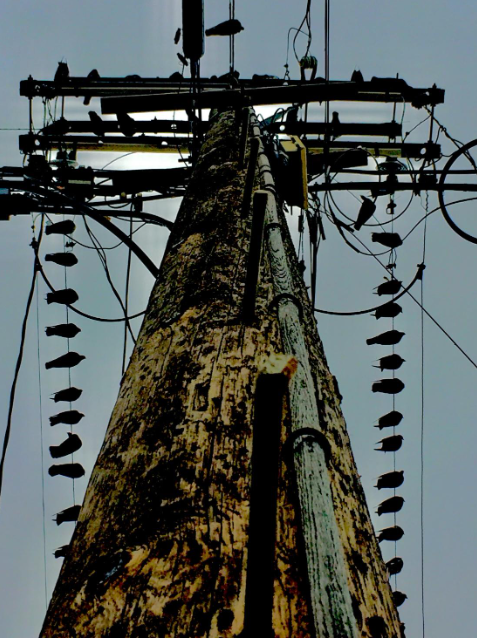
Photo from iStock - Credit: stitched photography
Recognizing Power Line Damage After Severe Storms
Recognizing power line damage means spotting broken, sagging, or sparking conductors and hazards near your property.
- Look for downed wires on the ground.
- Watch for tree limbs resting on lines.
- Listen for buzzing or cracking sounds.
- Check for burn marks on poles or nearby objects.
Visible arcing, sparks, or a humming noise often signal energized wires and immediate danger to people and pets. Homeowners often ask if a wire touching a fence is safe, the answer is no, do not touch the fence and keep others away. In one testable check, stand well back and look for motion like flickering lights on nearby trees that indicate electrical activity. If you smell burning insulation outside, treat it as a live-electrical hazard and report it to authorities immediately.
Fallout from storms can hide damage under leaves or debris, making wires hard to see in low light. For example, in a common situation, a neighbor might see a charred tree branch and call the utility while a professional checks the service drop and grounding conductor at the house. Take photos from a safe distance for reporting, do not attempt to move wires or debris yourself. Emergency crews and utility workers will confirm whether lines are energized and secure the area before anyone approaches.
If you see damage near your meter, service panel, or junction box, wait for utility crews then contact a licensed electrician for interior inspection. An electrician will check the service entrance, circuit breaker operation, and grounding system for heat or corrosion after the utility clears the line. Homeowners in Cayce, SC and Irmo, SC should keep records of any visible damage and share those photos with the utility and electrician. Keeping everyone inside and away from windows near downed lines reduces the chance of injury while help is on the way.
How Power Lines Fail and Why It Happens
Power lines fail in several mechanical and electrical ways that start outside the home and end with visible hazards. Poles can split or hardware can shear off when heavy wind or debris applies sudden force. Conductors may separate at insulators, causing arcing that can burn pole fittings and nearby vegetation. Where a service drop connects to a home, the physical pull can loosen the mast or damage the junction box.
Corrosion and age increase the chance of failure by weakening fasteners, connectors, and grounding conductors over time. Salt, humidity, and animal activity accelerate wear on exposed components and can create intermittent faults. Loose connections raise resistance and heat under load, which may produce smell, smoke, or burned insulation before a break occurs. A crew inspecting a failed span often looks for rust, frayed strands, and melted conductor covering as clues.
Ice, falling limbs, and vehicle strikes commonly trigger failures by adding weight or direct impact to the system. When a tree limb presses on the line, it can abrade insulation and create a path to ground that leads to sustained arcing. In South Carolina storms, cascading failures sometimes occur where one pole break increases loading and stress on adjacent poles and crossarms. Utility crews trace the sequence of damage by comparing pole hardware condition and conductor tension along the route.
Professionals diagnose power line damage with visual inspection, simple measurements, and coordination with the utility for de-energizing lines. They document broken insulators, snapped conductors, and grounding continuity, and may take photos and voltage readings after the line is safe. For example, in a common situation, a homeowner reports a snapped service drop and the inspector checks the meter base, service head, and grounding conductor next. Homeowners in Cayce, SC and Irmo, SC should keep these observable signs in mind when reporting power line damage.
Common Causes of Power Line Damage Explained
Wind-driven debris often strikes conductors and insulators, causing localized breaks or abrasion that lead to visible faults. Impact can nick insulation, exposing bare strands that create short circuits or arcing to nearby objects. Vegetation contact wears coverings over time and can produce intermittent faults that appear after a South Carolina storm passes. Utility crews look for these wear points when tracing the cause of power line damage.
Falling trees and large limbs transfer their kinetic energy into poles and spans, sometimes shearing hardware or bending crossarms. A partially broken pole may lean and increase conductor tension, creating new failure points down the line. When a service drop is strained, the mast or weatherhead at a house can separate from the meter base. An inspector would note cracked wood, torn conductor strands, and displaced fittings during their assessment.
Lightning electrical damaged insulators, transformers, and line terminals even if they do not snap a conductor outright. Surge energy may char connectors and compromise insulating materials, which later fail under load or moisture. Signs include pitted metal, melted insulation, and scorch marks on pole hardware or transformer housings. A diagnostic check often includes a visual inspection and recorded photos to document the strike damage.
Animal interference and corrosion cause gradual deterioration that South Carolina storms then expose as sudden failures during heavy loading. Birds, squirrels, and nesting materials create paths for faults or transfer heat to components that then fail under stress. Salt and moisture accelerate corrosion on fasteners and grounding components, reducing mechanical strength over time. A professional inspection will include checking grounding conductor continuity and hardware condition to confirm these causes.
Vehicle collisions and construction accidents produce blunt trauma that severs poles or pulls down spans, creating immediate hazards and long outage sections. Impact sites typically show splintered pole wood, twisted brackets, and displaced crossarms that indicate force direction. First responders and utility crews record these features to coordinate repairs and establish responsibility for damages. For practical steps to prepare your home before severe weather, refer to our guide on power outage preparedness for major storms.
Electrical Hazards to Watch for In Your Yard
Look for unusual pooling of water near buried service conduits or around the meter because moisture can create conductive paths. Damp soil against exposed grounding conductor sections increases shock risk when lines are damaged. If you notice scorch marks on fences or garden equipment, keep children and pets away until a utility crew checks the area. In Cayce, SC homeowners should treat any outdoor electrical smell as an immediate hazard and report it promptly.
- Do not touch fallen wires or nearby metal objects.
- Keep the area clear of people and pets.
- Block driveways if a line crosses the entrance.
- Note the exact location for reporting to the utility.
Watch for energized-looking signs such as small arcs at junctions or sizzling sounds from vegetation near conductors. Sparks near transformers, junction boxes, or service heads indicate active faults needing professional attention. A visible burn pattern on tree bark or soil discoloration can show where current found a ground path. Residents in Irmo, SC should photograph hazards from a safe distance for reports without approaching the scene.
Check yard structures like metal sheds, fences, and irrigation systems for unexpected warmth or tingling when approached carefully at a distance. If you observe static or hair standing on your arms, move away immediately and alert others to the danger. Inspect outdoor lighting fixtures for blown bulbs, charred sockets, or melted wiring as a sign of erratic power. When in doubt about grounding or service equipment, wait for utility crews and then hire a licensed electrician to confirm safety.
Immediate Safety Steps to Protect Your Family
Start by moving family members and pets to an interior room away from windows and exterior walls until the area is declared safe. Close interior doors and keep battery-powered flashlights and a charged phone nearby in case power is unstable. Avoid using wired landline phones or touching metal radiators if you suspect electrical arcing outside. If anyone shows signs of shock or burns from electrical incidents, call emergency services immediately and do not touch the person unless power is confirmed off.
Keep clear of pools, wet porches, and standing water near downed lines because water can carry electrical current from energized conductors. If conditions are safe, unplug sensitive electronics indoors to reduce the risk of damage from power surges. For additional preventive measures, read our guide on thunderstorm power surge protection to learn how to protect household appliances and electrical systems during severe weather. Avoid using outlets or electrical devices in damp areas until conditions are safe. If your refrigerator or medical equipment needs power, consider safe relocation options rather than approaching damaged lines.
Mark the hazard zone visually from a safe distance using cones, chairs, or tape so neighbors and responders can see it at night without approaching. Record the exact location and take photos from a distance to share with the utility and first responders when safe to do so. Do not attempt to clear debris, trim branches, or move anything touching a wire, wait for trained crews to de-energize the scene.
After the utility notifies you the area is secure, inspect service entry visible outside for loose mast, damaged weatherhead, or burned meter base and report concerns to a licensed electrician. An electrician will test voltage at the service panel, check grounding conductor continuity, and inspect GFCI and AFCI devices for proper operation. If you smell burning or see scorch marks indoors after the event, keep everyone out and call for professional electrical evaluation.
Reporting Downed Lines to Authorities and Utilities
Contact your electric utility immediately using their emergency line when you see downed conductors or unsafe equipment near your property. Give clear details about the exact location, nearby landmarks, and visible hazards so crews can prioritize response. If local emergency services are needed because people or animals are injured, call 911 before notifying the utility. Keep a record of the time and the name of the person you spoke with for follow-up.
When reporting, describe whether lines are on the ground, across a roadway, or touching structures so responders understand the risk. Mention any smells of burning, visible arcing, or sparks, as these indicate energized faults requiring urgent attention. Share photos from a safe distance only if a utility portal accepts attachments, which helps crews assess equipment visually. Avoid sending images that reveal exact interior meter details for safety and privacy reasons.
After you report to the utility, inform your homeowner insurer and document damage with date-stamped photos for claims purposes when safe to do so. If a line contacts your service mast or meter, tell the utility this specifically so they coordinate with an electrician for safe reconnection. For properties in Cayce, SC homeowners should note nearby pole numbers or transformer locations if visible to speed utility tracking. Keep copies of all communications and any incident numbers provided by authorities.
Do not attempt to move poles, re-route vehicles, or cut trees near downed lines, only utility or emergency crews should do those tasks. If a utility says the line is de-energized, still wait for a written or verbal confirmation and let trained workers inspect the service head and grounding conductor. A professional will perform visual checks and voltage measurements at the meter and service panel to confirm safety. Once cleared, schedule a licensed electrician to inspect interior wiring and issue a repair estimate or written report.
When to Call a Professional After Power Line Damage
If your home still feels unsafe after utility crews leave, call a licensed electrician to perform a full service inspection. The electrician will test voltage at the meter, check the grounding conductor continuity, and examine the service panel for heat damage. Request a written report that lists required repairs and any compromised components to support insurance claims. Keep a copy of the report and any photos taken during the inspection for future reference.
- Ask for voltage and continuity readings.
- Have the electrician inspect the meter base.
- Request checks on breakers and AFCI/GFCI devices.
- Get a written estimate for required repairs.
Call immediately if you notice burning smells indoors, tripped breakers that do not reset, or visible arcing at devices. These signs may indicate internal wiring or surge damage that could increase the risk of an electrical fire. If you need urgent assistance but are unsure whom to contact, our guide on how to find reliable 24-hour emergency electricians explains what to look for when choosing a qualified professional. An electrician can use diagnostic tools and visual inspections to identify affected circuits and appliances. They may also recommend keeping damaged circuits disconnected until repairs are complete to reduce further risks.
Schedule an inspection when South Carolina storm damage involved the service drop, mast, or meter base even if power feels normal after restoration. A professional will verify mechanical connections and confirm the weatherhead and connectors are secure and properly grounded. For homes near Cayce, SC properties, documenting repairs helps coordinate with the utility and insurance for reimbursement. If you live in Irmo, SC, include timed photos and technician notes when filing claims to support your case.
Preventing Future Damage with Home Hardening Tips
Start by trimming or removing trees and limbs that overhang service lines, keeping a safe clearance to reduce future contact. Hire a qualified arborist to prune branches because improper cutting can increase risk to conductors and property. Inspect fencing and tall structures near the service route and lower or relocate objects that could fall into lines. Property owners in Cayce, SC may want to document tree work to show proactive mitigation to their utility or insurer.
Upgrade exterior service components when a professional recommends stronger materials to resist wind and impact. An electrician can replace a damaged mast, weatherhead, or meter base with sturdier fittings and confirm proper bonding of the grounding conductor. Ask the electrician for voltage and continuity readings after upgrades to verify connections and grounding meet safety expectations. Keep written inspection notes and photos to track changes over time and support any future claims.
Protect outdoor wiring and connections by relocating or raising vulnerable equipment away from likely debris paths and vegetation. Have a qualified electrician move low-hanging outdoor lighting, conduit, and irrigation controls higher on a wall or to a protected enclosure to limit exposure. Use weatherproof junction boxes and properly sealed fittings so moisture cannot enter and corrode terminals or grounding points. An electrician will check device enclosures and suggest GFCI protection where moisture exposure increases shock risk. For more information about preventing electrical shocks, read our guide on GFCI outlets: the safety feature every home needs.
Consider hardening measures around the meter and service entrance to reduce repair needs after South Carolina storms and accelerate safe restoration. Simple steps include fastening loose hardware, tightening brackets, and ensuring clear access for utility crews and inspectors during an emergency. Maintain a visible address and remove obstructions so responders can reach the service quickly after power line damage. If you have questions about specific upgrades, call trusted electrician in Columbia, SC for an assessment and a written scope of recommended work.













