
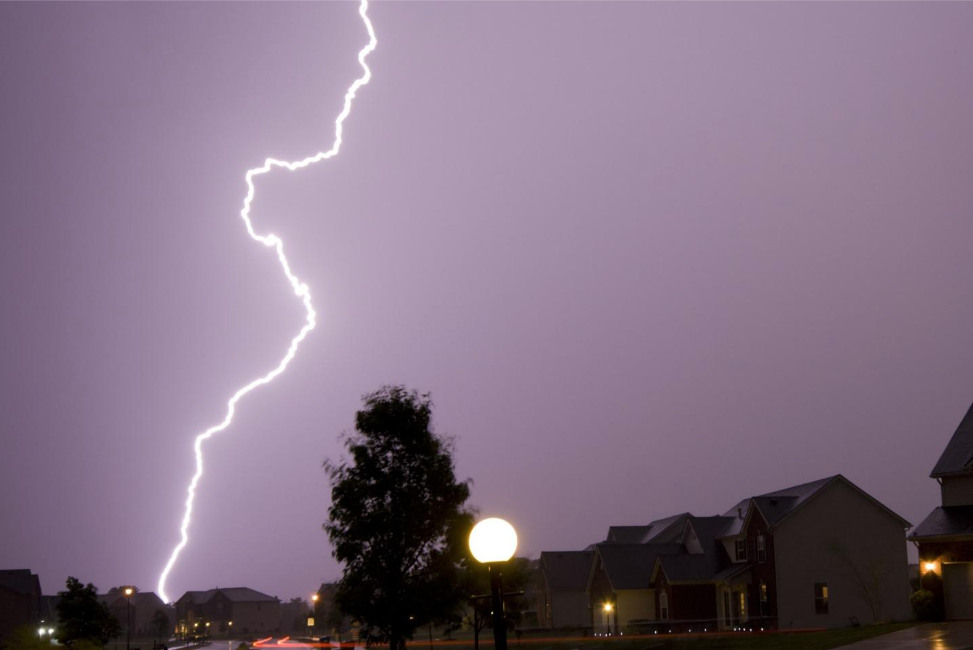
Key Takeaways About Lightning Electrical Damage
Lightning electrical damage means harm to a home's wiring appliances outlets or panel caused by lightning related surges. This summary is for homeowners and property managers to spot risks after storms and act quickly.
- Identify scorch marks melted plastic buzzing sounds or persistent tripping.
- Prevent further harm by turning off affected breakers and unplugging devices.
- Avoid using suspect outlets switches or appliances until inspected.
- Spot grounding bonding and panel discoloration during a visual check.
- Reduce risk by installing whole home surge protection and grounding improvements.
- Plan a licensed electrician inspection promptly for testing and documentation.
Introduction
Lightning electrical damage can be subtle but dangerous after a storm passes through. Sudden surges and direct strikes can harm wiring, outlets, appliances, and the service panel. Homeowners often notice odd behavior or smells before seeing visible damage. Recognizing early signs matters to avoid fire risks and costly replacements.
Many problems start with a voltage spike that travels through wiring and connected devices. You might hear popping or humming from outlets or breakers after a thunderstorm. Appliances can fail weeks later after sustaining hidden damage. Early detection helps protect sensitive electronics and the home's electrical system.
Visible clues sometimes appear on faceplates, outlet covers, and near the panel. Burn marks, melted plastic, or scorch odors point to a serious problem. A tripped breaker that will not reset could indicate internal damage to the panel or wiring. These signs often require a professional evaluation to determine safety.
For properties in Cayce, SC and homes near Irmo, SC, storms can bring the same electrical risks. South Carolina weather-related wiring problems may be more common during active storm seasons. If you notice unusual electrical behavior after a storm, treat it as a potential hazard. Scheduling a professional inspection protects your family and your property.
How Lightning Affects Home Electrical Systems
How South Carolina lightning affects home electrical systems refers to how high-voltage events damage wiring, outlets, appliances, and the service panel. Direct strikes and nearby strikes create powerful surges that can overwhelm wiring insulation and devices. Homeowners often ask whether a single lightning strike can damage multiple circuits, and the answer is yes because surges travel along conductors and connected equipment. If you notice unusual smells, sounds, or tripped breakers after a storm, treat those as potential indicators of damage.
- Voltage spikes can char wire insulation.
- Surges can damage circuit breakers and fuses.
- Outlets and switches may melt or discolor.
- Appliances can suffer motor and circuit board damage.
Lightning electrical damage may show immediately or appear later as intermittent faults and failures. A strike can degrade insulation causing slow arcing that begins hours or days later and creates heat and fire risk. Professionals answer whether a device failed from lightning by checking internal components and comparing symptoms to normal failure patterns. For properties in Cayce, SC, a delayed appliance failure after a storm often indicates underlying surge damage needing inspection.
Surges enter homes through overhead lines, underground service, cable, and phone lines and then jump across devices and connections. Damage paths follow grounding conductors, neutral paths, and any bonded metal creating unexpected points of failure. During an inspection, an electrician will test voltage continuity, perform a visual panel inspection, and use a multimeter to check for abnormal readings. In a common situation, a homeowner hears popping from an outlet and a pro will open the cover to inspect for burn marks and loose connections.
Grounding and bonding issues influence how energy dissipates and whether damage stays localized or spreads to many circuits. Weak or missing grounding can raise danger during surges and increase equipment damage. An electrician will check the grounding conductor, inspect the service panel bonding, and test GFCI and AFCI operation to confirm safety. For homes near Irmo, SC, confirming proper grounding reduces the risk that future storms will produce similar damage.
Why Lightning Electrical Damage Occurs and How It Travels
A lightning strike creates an abrupt transfer of electrical energy that finds the path of least resistance through a home's metal and wiring. Energy can jump across small gaps at junction boxes and outlet terminals, burning contacts and creating carbon tracking. Thermal stress from a surge can crack insulation and loosen screw terminals, which later causes intermittent arcing and heat. Homeowners may not see immediate failure because damaged insulation can hide faults until movement or humidity exposes them.
Conductive paths include service conductors, neutrals, equipment grounding conductors, coaxial cables, and metallic plumbing that is bonded to the electrical system. Current can flow through the grounding system and back into circuits via improper bonds or shared neutrals, spreading damage beyond the strike point. Surge energy often follows cable and phone lines into electronics, then returns through the neutral and grounding paths. In a common situation, a homeowner smells burning near a wall and an electrician will trace the path using visual checks and voltage readings.
How damage travels depends on system layout and protective devices like surge protectors and breaker coordination. Surge protectors at the panel divert some energy, but a direct or nearby strike can exceed their capacity and allow current into branch circuits. An electrician will use a multimeter and continuity tests to locate burned conductors, inspect junction boxes for melted connectors, and check AFCI and GFCI functionality for signs of failure. Recorded test results and photographs form a useful inspection report to document issues for repairs or insurance claims.
Grounding quality greatly affects whether lightning electrical damage stays localized or becomes widespread across circuits. Poor bonding or corroded ground connections raise the potential for higher voltages on neutral and equipment conductors during a surge event. For residential homeowners, verifying grounding and replacing compromised surge devices reduces the chance of recurring problems. When visible heat damage exists, call a licensed electrician promptly to perform diagnostic tests and recommend specific repairs.
Common Warning Signs in Outlets and Wiring
South Carolina’s warm, humid climate and frequent thunderstorms can expose homes to conditions that put added stress on electrical systems. After a strong storm, homeowners should pay attention to changes in outlets, wiring, and protective devices, especially if lightning occurred nearby.
Cracked, melted, or discolored outlets
One of the clearest warning signs of lightning electrical damage is visible damage around an outlet. Hairline cracks, slight melting, scorch marks, or discoloration may indicate excess heat or electrical energy affected the device. Buzzing, sparking, or a burning smell can also point to damaged internal contacts. An electrician can inspect the outlet and connected wiring to determine the extent of the damage.
Burning odors or damaged wire insulation
Electrical damage is not always visible at the outlet. A persistent burnt smell near walls, closets, junction boxes, or appliances may indicate overheated wiring. South Carolina’s high humidity can also make moisture intrusion an important concern, particularly after storms. An electrician can distinguish moisture-related problems from heat or surge damage and identify connections or wiring that need attention.
GFCI or AFCI devices that repeatedly trip
Protective devices that keep tripping or refuse to reset after a lightning event may have sustained damage. Repeated tripping can also indicate another problem within the circuit, including moisture or a wiring fault. Because humid and stormy conditions are common in South Carolina, homeowners should not assume repeated trips are simply a nuisance. An electrician can test the device and circuit to determine the cause.
Flickering or changing light brightness
Lights that flicker or noticeably change brightness can signal a loose or damaged electrical connection. The issue deserves particular attention if it starts immediately after a severe South Carolina thunderstorm or when other appliances operate. An electrician can trace the affected circuit and check for wiring or connection problems that may require repair.
Homeowners in Cayce, Irmo, and surrounding South Carolina communities should watch for these warning signs after severe weather. Electrical inspections can uncover electrical damage that may not be obvious from the outside.
Appliance Symptoms Indicating Possible Electrical Damage
Appliance behavior after a storm can point to hidden lightning electrical damage when devices act unusually or fail under normal use. Motors may hum loudly, struggle on startup, or stop mid-cycle indicating winding or capacitor stress. Look for unusual smells like ozone or burning plastic that come from appliance vents during operation. If multiple unrelated appliances fail around the same time, that increases the likelihood of a surge-related issue.
- Appliance won't start but has power indicated by lights.
- Electronic displays flicker or show garbled characters.
- Motors make grinding or high-pitched noises.
- Repeated internal fuses blow without clear cause.
When one appliance draws more current than normal, breakers may trip or the device may overheat while running. A technician will check motor windings, run capacitor condition, and internal fuses to locate damage. They may also use a multimeter to measure voltage at the appliance and test for neutral-to-ground voltage. Documenting symptoms and test results helps decide between repair and replacement.
Smaller electronics like TVs and computers may show intermittent faults long after a storm because circuit boards sustain partial damage. An inspection often includes opening the device to look for scorch marks, swollen capacitors, or separated solder joints. Professionals can bench-test power supplies and measure ripple and output voltages to confirm component failure.
Electrical Panel Issues After Storms and What to Inspect
After storms, check the service panel for discoloration or melted insulation around conductor terminations that indicate overheating. A loose main lug or breaker can show heat patterns or a burnt odor near the bus. An electrician will inspect breaker tightness using torque tools and measure voltage under load to find high-resistance connections. If you see white powdery corrosion at aluminum conductor terminations, that also requires prompt attention.
Look for damage to surge protective devices or panel-mounted transient protectors that may show scorch marks or failed indicator lights. A failed protector may still appear intact yet not clamp surges properly, so testing is necessary. Technicians use a multimeter and insulation resistance tests to confirm protector failure and check neutral-to-ground voltages. In Cayce, SC homes, panel-mounted surge device failure after storms can leave circuits vulnerable to future spikes.
Inspect the grounding and bonding conductors where they enter the panel and where the grounding electrode conductor attaches to the service equipment. Loose or corroded bonds raise neutral voltage during a surge and can cause equipment damage elsewhere. A pro will perform continuity checks and measure resistance to earth to verify the ground path. For homes near Irmo, SC, verifying these connections reduces the chance of hidden system stress after a strike.
Check for tripped AFCI or GFCI breakers that will not reset; this can indicate internal arc or ground-fault damage inside the breaker. An electrician will bench-test suspicious breakers and replace any that fail functional checks to restore protection. They will also inspect panel bus bars and wiring for carbon tracking, which can appear as fine black lines inside the enclosure. Recording test results and photos helps document damage for repairs and insurance claims.
Immediate Safety Actions and When to Turn Power Off
If you detect burning smells, visible sparks, or hot wall surfaces after a storm, shut off power at the affected circuit first. Turn the specific breaker off rather than the main when you can identify the circuit by location or labeling. If breakers will not move or you see smoke near the panel, cut power at the main disconnect and exit the building immediately. Contact a licensed electrician right away and avoid re-entering until a qualified professional inspects the area.
When several circuits show trouble but the panel seems intact, turning off nonessential branch breakers reduces risk and limits further damage to appliances. Unplug sensitive electronics before switching breakers back on to prevent another surge from damaging devices. Leave one light on to show whether power returns when the electrician starts testing. A professional will then perform controlled energizing to watch for immediate faults and abnormal current draw.
If you notice arcing noises from a receptacle or persistent tripping of a breaker, avoid using that outlet and switch the breaker off for safety. Do not attempt to repair wiring yourself; even a small mistake can create a fire hazard or electrocution risk. A technician will use a multimeter, insulation resistance test, and visual inspection to confirm arc faults or high-resistance terminations. In Cayce, SC homeowners should consider this approach for any outlet that behaves unpredictably after storms.
Document symptoms with photos and notes before power changes so the electrician can compare conditions during diagnosis and testing. The professional will bench-test suspect breakers and measure neutral-to-ground voltages to determine whether damage is present. If grounding connections appear compromised, they may recommend disconnecting equipment until repairs restore a safe ground path. For properties near Irmo, SC, this documentation also helps with insurance discussions and repair planning.
When to Call a Professional for Lightning Electrical Damage
If you notice repeated breaker failures, burned odors, or appliances failing after a storm, schedule a professional inspection promptly. A licensed electrician will prioritize safety and perform tests you should not attempt alone. They will document findings in a written report for repairs or insurance discussions. For homeowners in Cayce, SC, acting quickly reduces the chance of hidden damage worsening.
- Inspectors perform voltage and continuity tests.
- They open junction boxes to check connections.
- Technicians bench-test suspicious breakers off-site.
- They photograph damage and record readings for reports.
An electrician diagnosing lightning electrical damage will begin with visual inspection and targeted electrical measurements. They will use a multimeter and insulation-resistance tests to identify high-resistance terminations and fault paths. Confirming neutral-to-ground voltages helps reveal compromised grounding or shared-neutral faults. The pro may also test GFCI and AFCI devices under controlled conditions.
Call a professional immediately if you detect smoke, persistent hot surfaces, or non-resetting breakers after a storm. Avoid restoring power until a qualified inspector completes controlled energizing and watches for abnormal currents. An electrician can recommend repairs, replacements, or surge protection upgrades based on measured results.
Preventive Measures to Reduce Future Lightning Damage Risk
Install whole-house surge protection at the service panel to divert large transient energy away from branch circuits and devices. A licensed electrician will select a device rated for your service voltage and coordinate it with existing breakers. Proper installation includes testing the protector and documenting clamp behavior during commissioning for future reference. This approach reduces the chance that a future surge causes widespread appliance or wiring damage.
Improve grounding and bonding where tests show elevated resistance or poor connections to earth, since a solid ground path helps dissipate surge energy safely. An electrician will measure resistance to earth and tighten or replace corroded grounding conductors and clamps as needed. Upgrading bonding at the service and bonding metallic plumbing reduces unexpected current paths during a surge. For homeowners in Cayce, SC, these upgrades can lower the risk that transient events harm equipment.
Use point-of-use surge protectors for sensitive electronics and replace them after a known surge event because sacrificial components can fail without visible signs. Choose protectors that show a working indicator and mount them on dedicated circuits or behind entertainment centers to protect multiple devices. An electrician can recommend placement and confirm the protector is on a properly grounded receptacle. In a common situation, a homeowner notes burned-smelling plastics and a pro advises replacing both the device and the protector after testing.
Arrange for periodic electrical inspections that include torque checks, visual inspection of terminations, and testing of protective devices like AFCIs and GFCIs to catch degradation before failure. Regular checks help spot hairline carbon tracking, loose neutrals, and failed surge devices that degrade over time. Documented inspection reports guide prioritized repairs and support insurance claims if future damage occurs. For properties near Irmo, SC, scheduled inspections provide a practical plan to reduce repeated lightning electrical damage risk.

Protect Your Home After a Lightning Strike
Electrical damage after a storm may not be immediately visible. If you notice burning odors, repeated breaker trips, damaged outlets, or unusual appliance behavior, Mister Sparky® of Columbia, SC can inspect your electrical system for potential problems. Contact the team to schedule an electrical inspection and ask about surge protection options that can help protect your home from future storms.