
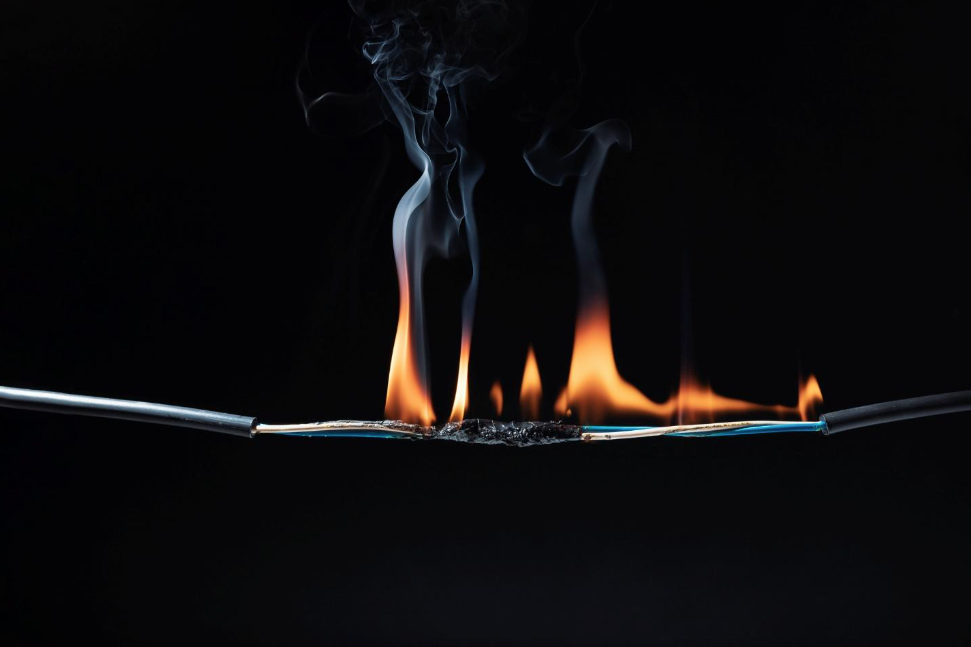
Key Takeaways About Electrical Fire Warning Signs
This article explains common electrical fire warning signs homeowners may miss. It is for homeowners and property managers who need to act when subtle electrical cues appear.
- Identify persistent burning smells near outlets or appliances promptly.
- Prevent overloaded circuits by tracking high draw devices and usage.
- Avoid using outlets that feel warm hot or show scorch marks.
- Spot flickering lights and note when and where they occur.
- Reduce repeated breaker trips by unplugging devices and documenting events.
- Plan to call a licensed electrician for inspection and written diagnostics.
Introduction
Electrical problems can start small and become dangerous fast when homeowners miss warning signs. Burning odors, flickering lights, warm outlets, and frequent breaker trips are common early clues. Each sign points to different underlying faults that can lead to fire if left unchecked. Recognizing these signs matters because lives and property are at stake.
Sometimes a faint burning smell gets dismissed as a candle or dust after a long absence. Other times lights that flicker only when certain appliances run are ignored as normal. These small observations often precede insulation damage, loose connections, or overloaded circuits. Noticing the pattern and timing of symptoms helps reveal real hazards.
Many electrical issues develop inside walls, behind outlets, or at the service panel where homeowners cannot see damage. Heat at an outlet or repeatedly tripping breakers often means a circuit problem or poor connection. An electrician can inspect the service panel, junction boxes, and wiring to find the source. Early attention reduces the chance of an actual fire starting.
Homeowners in Chapin, SC and Columbia, SC face the same subtle warning signs that affect homes everywhere. Paying attention to smells, sounds, and when problems occur gives clear clues to an electrician. When observations are paired with professional diagnosis, repairs address the cause rather than symptoms. Acting sooner helps protect your home and family.
Recognizing Burning Odors and What They Mean
Recognizing burning odors means identifying smells that come from electrical sources rather than common household items.
- Persistent acrid smells indicate overheating insulation.
- Sweet or metallic odors can mean melting transformers.
- Burning plastic often points to wiring or outlet damage.
- Musty hot smells may come from motors or appliances.
A burning smell that returns when you use a specific outlet likely comes from that circuit or device.
If the odor appears without an obvious source, homeowners should check outlets, switches, and nearby appliances for discoloration or scorch marks.
For additional guidance on identifying potential hazards, homeowners can review our guide on electrical safety inspection checklist for homeowners. Even a faint burning smell after a long absence should not be ignored, especially if it persists or returns. A qualified electrician can inspect the electrical system, identify the source, and recommend necessary repairs.
Understanding Flickering Lights: Why It Happens
Lights that flicker can mean several different electrical issues, and timing matters for diagnosis. Flicker that happens when large appliances start often points to voltage drop from heavy loads on the same circuit. Random or persistent flicker while nothing heavy runs suggests a loose connection at a fixture, switch, or in a junction box. Homeowners should note whether flicker affects one room, several outlets, or the whole house to narrow the location.
A professional begins diagnosis by reproducing the flicker and observing conditions while the circuit is under load. An electrician will inspect connections at the fixture, switch, and junction boxes, and check the service panel for loose lugs or corrosion. They may use a voltage reading and a continuity test to confirm intermittent connections or grounding faults. Infrared scans can reveal hotspots at terminals that are otherwise hidden behind insulation.
Some flicker results from neutral or multi-wire branch circuit problems that raise fire risk through arcing or overheating. Loose neutrals at the panel can cause unpredictable voltage swings that stress devices and insulation. An electrician checks the neutral and grounding conductor continuity and looks for shared neutrals wired improperly. Homes in Chapin, SC with older wiring sometimes show these patterns and benefit from a focused panel inspection.
Frequent dimming when motors start or when HVAC compressors cycle shows load imbalance more than a loose connection, but it still needs attention. In Columbia, SC properties, seasonal appliance use can expose weak panels or undersized feeders that cause voltage sag. If you notice bulbs dimming, sockets sparking, or fixtures warming during flicker events, schedule an inspection promptly. For a professional evaluation, refer to related electrical services for panel, outlet, and wiring inspection.
Warm Outlets and Switches When to Act
Warm outlets or switches often signal a loose connection or high resistance at the terminal, which creates heat under load. Feeling heat when a device is plugged in means the contact might not be tight enough to carry current safely. Loose screws, corroded contacts, or damaged wiring can raise resistance and produce enough heat to melt insulation over time. If you notice warmth that gets worse with heavier appliance use, treat it as a potential hazard requiring inspection.
High-power appliances, such as space heaters and window air conditioners, can place significant demands on electrical circuits. Overloaded circuits or damaged connections may cause outlets and wiring to overheat. An electrician can evaluate circuit capacity, inspect accessible wiring, and check for signs of electrical damage. Homeowners can also learn about whole home surge protection that shields our electronics, although surge protection does not prevent overheating caused by loose connections or overloaded circuits.
A quick homeowner check includes unplugging devices, then touching the outlet face and switch cover to compare temperature to other locations in the house. Look for discoloration, melting at plastic, or a loose-fitting plug that wiggles while warm, these are clear signs of contact damage. Avoid removing outlet covers or working on wiring yourself, turn off the breaker before any closer inspection at the receptacle. In Chapin, SC homes with older outlets, these simple checks can reveal problems early enough to prevent escalation.
Professional diagnosis uses observable symptoms and handheld tools to confirm the issue before repair. An electrician will measure voltage under load, perform a continuity test on the circuit, and inspect the panel connections and GFCI or AFCI devices for proper operation. They document findings with photos, readings, and a written report to show the fault location and recommended repair. If warming appears with burning odors or sparking, shut off power immediately and contact a licensed electrician in Columbia, SC to reduce fire risk.
Frequent Breaker Trips Causes and Next Steps
Repeated breaker trips often indicate an overloaded circuit, faulty wiring, or a problem with the breaker itself. Homeowners should record when trips occur and which appliances were operating beforehand. Note whether the breaker trips during periods of heavy electrical use or when a particular device runs. These patterns can help an electrician identify possible causes. For more information, homeowners can review our guide on breaker diagnostics for persistent tripping issues.
Common causes of repeated breaker trips include:
- Overloads happen when too many devices draw current on one circuit.
- Short circuits create sudden high current and immediate trips.
- Ground faults trip breakers when hot touches grounded parts.
- Worn or failing breakers can trip without an actual fault.
A basic homeowner check begins by unplugging devices on the affected circuit and resetting the breaker to see if it holds. If the breaker stays on with nothing plugged in, the problem shifts toward wiring, a hidden short, or a failing breaker. Electricians will use a clamp meter to measure load and a continuity test to find shorts or improper neutrals. They may also inspect the service panel for loose lugs and signs of heat using an infrared camera.
If trips continue after removing obvious loads, avoid repeatedly resetting the breaker and limit use of that circuit immediately. A professional can perform a load calculation, test GFCI and AFCI protection, and open junction boxes to inspect connections. For homeowners in Chapin, SC and those in Columbia, SC experiencing frequent trips, document times and conditions to share with the electrician. That information speeds diagnosis and helps the technician suggest targeted repairs rather than trial-and-error fixes.
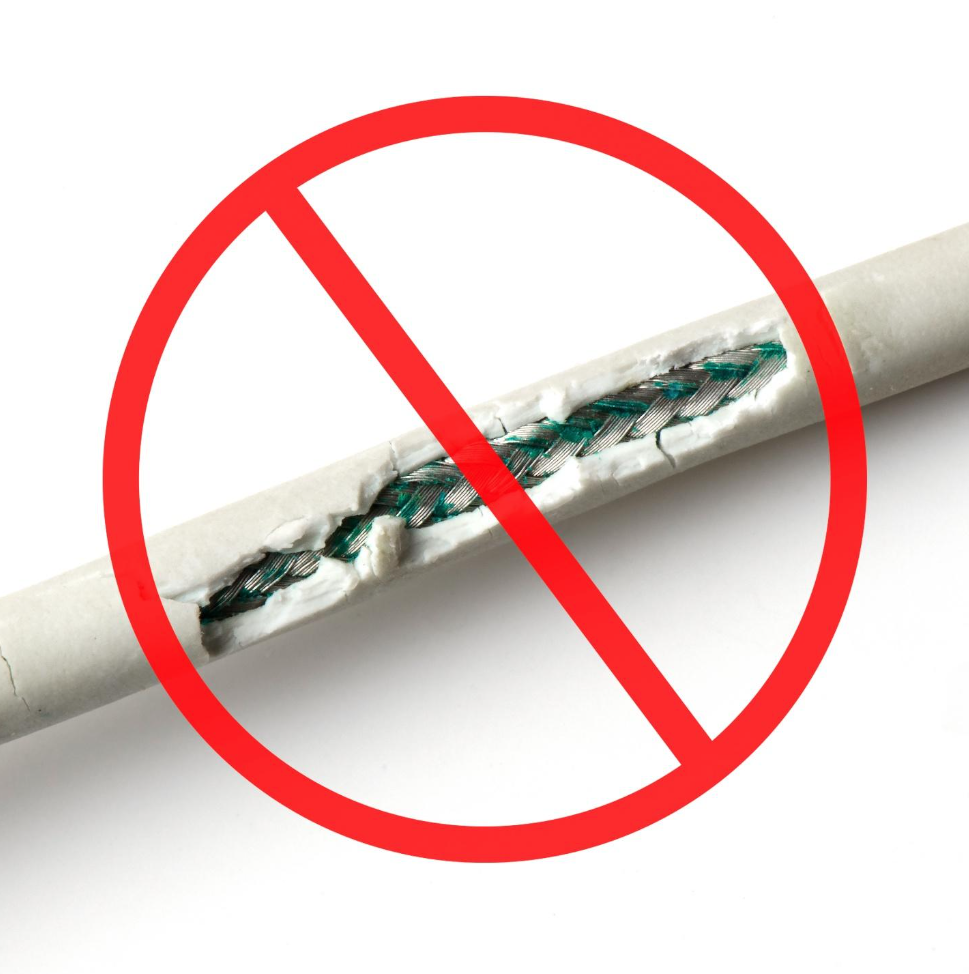
Photo from iStock - Credit: Andrey Mitrofanov
Hidden Wiring Issues: How It Works and Risks
Hidden wiring faults can develop inside junction boxes, walls, and ceilings, making them difficult for homeowners to detect. Heat, physical damage, and rodent activity can weaken wire insulation and increase the risk of electrical faults. Loose connections may also generate excessive heat, potentially damaging nearby wiring and materials. If you notice a persistent burning smell without an obvious appliance source, concealed wiring could be responsible. Homeowners can review our electrical rewiring safety guide to better understand potential wiring hazards and when professional repairs may be necessary.
Electricians inspect hidden wiring by accessing junction boxes, opening the panel, and tracing the affected circuit to confirm fault locations. They use a continuity test to find opens or shorts and a voltage reading to detect improper voltages under load conditions. Infrared cameras reveal hotspots behind finishes, and a clamp meter measures current to spot unexpected loads on a branch circuit. These diagnostic steps produce measurements and photos to guide safe repairs rather than guesswork.
Certain wiring materials and age-related factors increase risk when damage occurs, especially where insulation becomes brittle or connections corrode. Aluminum branch circuits and older cloth-insulated wiring demand careful handling because they can loosen at terminals and create overheating points. Grounding conductor condition and proper neutral terminations also matter, since shared neutrals or poor grounds can cause unusual voltages that stress insulation.
Repair options range from tightening and reterminating connections to replacing damaged runs or upgrading the entire circuit depending on the defect found. When walls must be opened, a professional documents the fault, explains required repairs, and provides a written estimate before work begins. Avoid using circuits with repeated unexplained behavior and do not attempt splice repairs without turning off power, contact a licensed electrician for diagnosis and electrical repair.
Overloaded Circuits Prevention and Decision Guidelines
Overloaded circuits often show less obvious signs than sparking or smoke, so prevention starts with tracking what devices run together. Create a simple circuit map by labeling outlets and breakers, then note which plugs power heavy loads like space heaters or window AC units. A clear map helps decide whether to redistribute appliances or add a dedicated circuit for a high-draw device. When multiple high-draw devices share one breaker, the wiring heats long before the breaker trips.
Limit use of extension cords and power strips for permanent loads because they hide overload conditions and can overheat in confined spaces. Use a clamp meter or ask a technician to measure current draw during typical operation to compare with the branch circuit ampacity. If measured continuous load approaches 80 percent of breaker rating, upgrade planning is necessary to reduce fire risk and meet safer operating margins. A professional can explain whether a circuit addition or load balancing will solve the issue.
Deciding when to call an electrician depends on measurable symptoms as well as observations you can record, like how often a breaker trips or which receptacles feel warm. A licensed electrician will inspect the panel, test breakers, check connections, and perform a load calculation using voltage and amperage measurements. They may also open junction boxes or use an infrared camera to locate hidden hotspots and provide a written report of findings and recommendations. For homeowners in Chapin, SC, documenting times and appliance use speeds diagnostics and helps prioritize repairs.
After diagnosis, repair options range from tightening terminals and replacing breakers to installing subpanels or running new branch circuits, depending on the root cause. Expect the electrician to recommend corrective actions based on load testing and inspection results rather than guessing at a solution. If the panel shows signs of deterioration or undersizing relative to household demand, plan upgrades to reduce future overload risk. Contact a licensed electrician in Columbia, SC when you detect repeated overload symptoms or when suggested repairs include panel work or new circuits.
Appliance Signs of Electrical Faults and Responses
Appliance behavior can reveal electrical problems before visible damage appears. Unusual humming, repeated shutdowns, or excessive heat may indicate worn components or internal electrical faults. Appliances that frequently trip circuit breakers may have damaged wiring, faulty motors, or other electrical problems. If several appliances experience similar issues, an electrician may need to inspect the home's electrical system. Understanding appliance and electrical fire safety can help homeowners recognize warning signs and know when to seek professional assistance.
Common appliance warning signs include:
- Unusual burning smell coming from an appliance.
- Appliance cord or plug feels warm during normal use.
- Sparking at the plug when you insert it.
- Appliance repeatedly trips its breaker or fuse.
When an appliance emits burning odors or smoke, unplug it immediately if safe and shut off the circuit at the breaker. Do not try to open or fix internal components yourself because capacitors and wiring can retain dangerous energy. A technician begins diagnosis by isolating the appliance, testing its cord and plug with a continuity check, and measuring current draw under load. They may also inspect the appliance for melted insulation, leaked fluids, or motor windings showing discoloration as part of a written report.
Some faults originate at the appliance but stress the home wiring, such as motors drawing excessive starting current or heating elements developing shorts. Electricians use a clamp meter to record amperage during startup and steady state to compare with nameplate ratings. They will also test the branch circuit for voltage drop and proper grounding conductor continuity to rule out supply-side contribution. If repair requires panel work or dedicated circuits, a licensed electrician provides options and safety timelines.
Share observations and any photos or video with the technician to speed diagnosis and prioritize repairs. If an appliance fault produces sparks, smoke, or persistent burning smells, stop using the device and arrange an immediate inspection. Scheduling a qualified electrician in Chapin, SC ensures the issue is diagnosed with proper measurements and repaired to reduce electrical fire risk.
When to Call a Professional for Electrical Fire Warning Signs
If you notice warning signs of a serious electrical problem, contact a licensed electrician promptly. Explain when the symptoms started, which outlets or appliances are affected, and whether you noticed unusual smells or sounds. The electrician may also ask about previous breaker trips, recent electrical work, and problems affecting multiple rooms. Providing these details can help the technician identify areas that need attention. For guidance on choosing a qualified professional, review our guide on how to find reliable 24-hour emergency electricians.
A professional first isolates the circuit and performs basic safe checks before opening panels or junction boxes to avoid creating hazards. They will use a clamp meter to measure current, a voltage tester to check supply, and continuity tests on suspicious runs. An infrared camera or thermal scan often follows to find hotspots hidden behind finishes without destructive opening. These measurements produce clear evidence to decide whether immediate repair, temporary shutdown, or a scheduled replacement is needed.
Call immediately if you notice persistent burning odors with visible smoke, sparking at outlets, or a hot electrical panel enclosure accompanied by tripped breakers. For nonemergency but concerning signs, such as intermittent arcing sounds or gradually worsening warmth at outlets, schedule an inspection within days. Homeowners in Chapin, SC should avoid using affected circuits until a professional confirms they are safe. When a problem involves repeated trips across several breakers, contact an electrician to check the service panel and grounding conductor continuity.
Ask the electrician for a written report that includes voltage and amperage readings, photographs of affected components, and suggested repairs with timelines. This documentation helps you decide about immediate fixes versus planned upgrades and provides a record for insurance if damage occurred. If repairs require opening walls or running new branch circuits, the report guides what to expect and how long work might take. Request confirmation that recommended work will correct the root cause of the electrical fire warning signs rather than only addressing symptoms.













