

Key Takeaways About Electrical Safety Inspection
An Electrical Safety Inspection checks a home's wiring, protective devices, and panels for hazards. This summary is for homeowners and property managers who need guidance before selling, remodeling, or after noticing electrical symptoms.
- Identify worn wiring insulation and evidence of overheating or arcing.
- Prevent shock by verifying grounding and GFCI AFCI protection function.
- Avoid overloads by checking breaker sizing and conducting load measurements.
- Spot loose connections at outlets switches junction boxes and panels.
- Reduce fire risk by documenting test readings photos and prioritized repairs.
- Plan follow up work with a licensed electrician for safe corrective action.
Introduction
An electrical safety inspection shows what a licensed electrician looks for when a home has hidden risks. Worn wiring, overloaded circuits, and faulty grounding often create fire and shock hazards. Homeowners notice flickering lights, burning smells, or breakers that trip frequently. These signs mean the electrical system needs a focused, professional check.
Licensed electricians inspect service panels, circuit breakers, and grounding conductors for visible damage and correct connections. They test GFCI and AFCI devices to confirm they trip properly under fault conditions. Junction boxes and outlet wiring receive a close visual and operational check for loose or overheated connections. Detecting a problem early reduces risk of property damage and personal injury.
Common electrical hazards include outdated two-prong outlets, aluminum branch wiring, and undersized wiring feeding modern loads. Professionals also look for improper DIY modifications that bypass safety devices or use incorrect wire sizes. Many older homes show deterioration from age or previous repairs that lacked proper techniques. Addressing these issues prevents repeated breaker trips and hidden heat buildup.
For homeowners in Columbia, SC and Blythewood, SC a timely inspection makes sense when you sell, remodel, or notice electrical symptoms. An electrician will document findings with test readings, photos, and a written report to guide repairs. Prioritizing fixes often means replacing damaged breakers, adding grounding, or installing GFCIs in wet areas. If you suspect a hazard, contact a licensed electrician to assess the risks and recommend corrective steps.
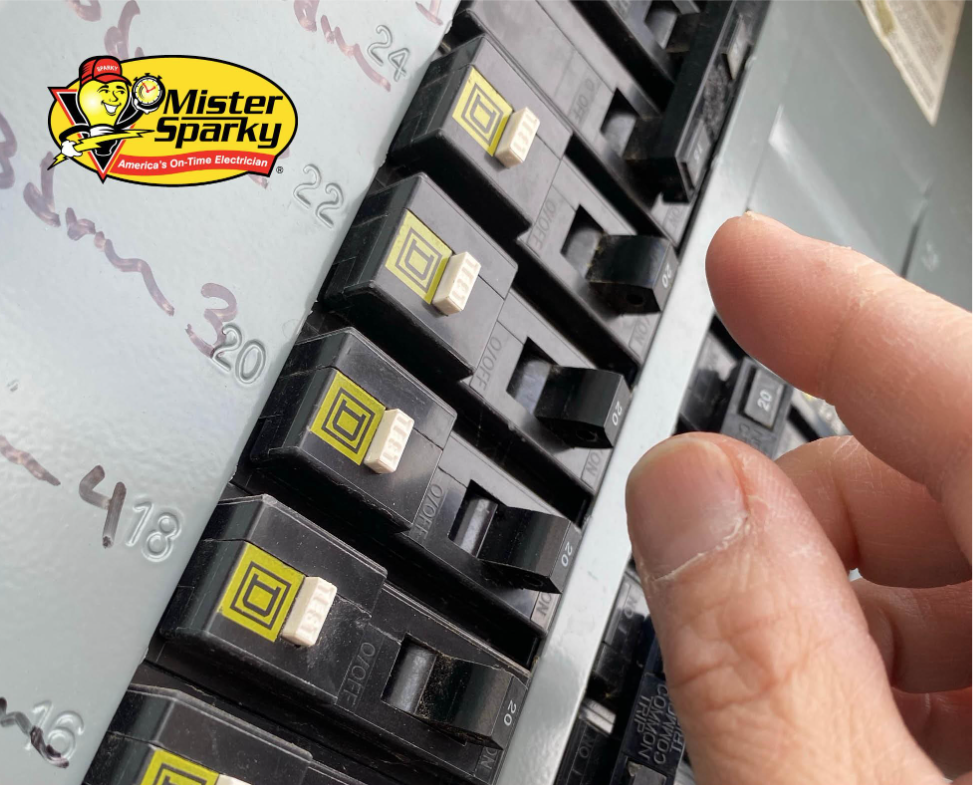
What Licensed Electricians Inspect in Homes
An electrical safety inspection is a systematic check of a home's wiring, devices, and protective equipment by a licensed electrician. The inspector verifies service conductors, the meter enclosure, and the main disconnect for signs of overheating or corrosion. They look for correct grounding and bonding at the panel and equipment to reduce shock risk. Homeowners often ask whether inspections cover outlets and switches, and the answer is yes, these receive both visual and functional checks.
- Service entrance and meter
- Service panel and breakers
- Branch circuit wiring
- Outlets, switches, and fixtures
- GFCI and AFCI devices
Electricians test protective devices such as GFCIs and AFCIs using built-in or handheld testers to confirm proper tripping. They perform voltage and polarity checks at receptacles and use a continuity test on grounding conductors when accessible. A visual inspection of junction boxes confirms there are no shared neutrals, burnt insulation, or open splices. These steps answer whether a circuit is safe to use until repairs occur.
Inspecting branch circuits includes checking wire size against breaker ratings and looking for undersized or damaged conductors. The professional notes signs of overheating like discolored insulation, brittle sheathing, or melted terminals. They also open the panel to check for loose connections and signs of arcing that indicate replacement is needed. For homeowners, this reveals if a circuit can safely carry modern appliance loads.
Areas commonly tested include kitchens, bathrooms, garages, and outdoor outlets because moisture raises shock risk substantially. In Columbia, SC homes, electricians pay special attention to wet-area GFCI protection during inspections. For older houses in Blythewood, SC, inspectors look for outdated two-prong outlets and lack of grounding. After testing, an electrician documents findings with measurements, photos, and a recommended repair list to guide next steps.
Common Wiring Problems and Why it Happens
Older cloth-insulated wiring and knob-and-tube remnants still appear in some homes and they deteriorate with age. Insulation that feels brittle or shows exposed conductors often indicates replacement is needed. An electrician confirms the issue by inspecting insulation condition and performing a voltage reading at affected circuits. If heat damage exists, the technician documents photos and recommends new branch circuits or rewiring to modern standards.
Aluminum branch circuits can cause repeated loose connections and overheating when paired with devices made for copper conductors. Symptoms include warm outlet covers, flickering under load, or breakers tripping without clear cause. A professional would open the panel, check for oxidized terminals, and use a torque wrench to verify connection tightness and continuity. Depending on findings, the electrician may suggest pigtailing with proper connectors or full rewiring for safety.
Shared neutrals and improper multi-wire branch circuits create overload and shock risks when not installed correctly or when breakers are not tied. Owners may notice certain lights dim when large appliances run or breakers tripping unexpectedly during simultaneous loads. The electrician tests for correct phasing and measures currents with a clamp meter to confirm balancing and neutral loading. Corrective steps often include installing a tied breaker, separating circuits, or adding an additional neutral conductor.
Damaged or undersized conductors cause heat buildup and degraded performance, especially where modern appliances demand higher current. Signs include discolored insulation near terminals, persistent tripping, or outlets that no longer accept plugs securely. A qualified electrician traces the circuit, measures voltage drop under load, and checks breaker sizing against conductor ampacity. Recommended fixes range from replacing damaged runs to upgrading wire size and breakers to match expected loads.
Loose connections at receptacles, switches, or within junction boxes often lead to arcing and intermittent power loss that homeowners mistake for bad devices. Detectable clues are buzzing sounds, warm faceplates, or scorch marks around outlets and fixtures. To diagnose, the professional removes covers, inspects terminations, performs a continuity test, and may use an infrared camera to spot hot spots. Repairs typically involve tightening or replacing terminals, replacing damaged devices, and securing junction box splices with approved connectors.
Overloaded Circuits: Causes and When to Act
Circuits overload when connected devices draw more current than the branch circuit is designed to carry, causing heat and tripped breakers. Common causes include multiple high-draw appliances on one run, extension cord reliance, and adding new outlets without upgrading wiring. A licensed electrician performs load calculations using circuit breaker ratings and measured currents with a clamp meter to confirm overload conditions. If persistent overload appears, the professional documents readings and recommends redistribution or a dedicated circuit for heavy loads.
Signs that you have an overloaded circuit include frequent breaker trips, dimming lights when appliances start, and warm outlet faceplates under load. The electrician will isolate the circuit, unplug devices, and run controlled tests to reproduce the symptom while recording voltage and current. Infrared scanning can reveal hidden hot spots at connections and along runs that indicate excessive heating before insulation fails. Based on diagnostics, correcting the issue may require adding a new circuit or upgrading conductor size to match expected demand.
Temporary fixes homeowners sometimes try include swapping plugs between outlets or using power strips, but these actions can mask underlying imbalance and delay repairs. A proper fix may involve installing a new 20-amp circuit for kitchen countertop appliances or moving a refrigerator to its own dedicated run. For properties in Columbia, SC older kitchens often need circuit updates to handle modern appliance loads safely and reliably. Always have a licensed electrician execute wiring changes to maintain code compliance and reduce fire risk.
When overload leads to repeated overheating or visible damage, act promptly because overheating can degrade insulation and increase arcing risk. In Blythewood, SC homes with recurring breaker trips, document when trips occur and which devices were running to help the electrician diagnose load patterns. The technician typically provides a written report with voltage and current readings, photos of problem locations, and prioritized repair options. If you suspect an overloaded circuit, contact a licensed electrician to inspect, test, and recommend corrective steps.
Faulty Outlets, Switches, and How They Fail
Outlets and switches fail in several mechanical and electrical ways that pose shock or fire risk to homeowners. A common mechanical failure is a loose mounting or worn internal contact that makes intermittent connection and heating. Electricians look for warm faceplates, buzzing noises, or outlets that accept plugs loosely as signs of wear needing replacement. If a switch or receptacle shows scorch marks, stop using it and arrange for a professional evaluation promptly.
- Loose terminal screws can overheat.
- Backstabbed wires often become unreliable.
- Broken yokes allow movement and arcing.
- Damaged insulation exposes conductors.
Diagnosing an electrical fault starts with observable symptoms and basic tests a licensed electrician performs during an inspection. They remove the device cover, check wire terminations, and use a voltage meter to confirm proper supply and polarity. A continuity test on the switch or outlet confirms internal contact integrity and can reveal intermittent opens. When visible heat damage exists, the electrician documents photos and records voltage readings for the report.
Remedies depend on cause but typically include replacing the device with proper terminations and tightening connections to correct torque values. For outlets lacking a ground, the electrician may replace with a grounded receptacle or install a GFCI if grounding is impractical. In older homes in Columbia, SC upgrading two-prong outlets to grounded or GFCI-protected receptacles reduces shock risk around living spaces. For persistent failures tied to wiring, the professional may recommend re-running the branch circuit or adding a new run to modern standards.
For example, a homeowner notices an outlet humming and lights dim briefly when a vacuum runs, suggesting loose connections or shared loading. The electrician would isolate that circuit, remove the receptacle, and inspect the wire terminations and junctions for looseness or corrosion. They might use an infrared camera to find hidden hot spots and a clamp meter to measure current while the vacuum runs to confirm overload or loose contact heating. Based on those findings, the electrician provides repair options and a prioritized safety recommendation in writing.
Electrical Panel Issues: How They Work and Risks
Service panels often show wear that affects safety, such as rusted enclosures or loose bus connections that cause heating. A licensed electrician opens the panel and inspects breaker seating, bus bars, and grounding conductor attachment points for corrosion or movement. They perform a voltage reading at the main and individual breakers to confirm stable supply and identify unusual drops under load. If the inspector finds overheating signs, they document readings and photos to guide corrective work by a professional.
Older breakers can lose their internal connection ability and fail to trip on a fault, creating fire risk when overloaded or shorted. The electrician tests breakers by using controlled load checks and by observing trip behavior during simulated faults with standard diagnostic tools. They also check for incompatible replacement breakers, improper handle ties, or double-lugged neutrals that affect proper trip coordination. When a breaker fails testing, replacement with the correct type and amperage is typically recommended for safety.
Panel overcrowding and improper labeling hide hazards, especially when circuits are added without proper panel capacity checks or documentation. An inspector counts installed circuits, compares them to panel rating, and performs a load calculation using measured currents to see if the service can support existing loads. They examine neutral and grounding configurations to ensure no shared neutrals or loose bonds that could create shock paths. Corrective actions often include installing a subpanel, relocating circuits, or updating labeling for accurate future maintenance.
Signs of arcing or burning inside a panel call for immediate attention because arcing damages insulation and can lead to fire if left unaddressed. The electrician uses visual inspection, infrared scanning, and torque checks on terminations to locate loose connections or oxidized conductors that cause arcing. For homeowners in Columbia, SC and Blythewood, SC, documenting when intermittent trips or burning smells occur helps the electrician reproduce the condition safely. If evidence of arcing exists, the technician will recommend replacing damaged components and securing all connections to restore safe operation.
Smoke Detector Alarms and Safety Upgrades Recommended
Start by confirming smoke detector placement and age, as older units lose sensitivity over time and fail to alert early. A licensed electrician checks power sources for each alarm, verifying hardwired units have intact wiring and battery backups functioning. They test interconnection so that one alarm triggers all linked alarms, using standard test procedures to confirm signal transmission. If alarms are missing on required levels, the electrician will recommend additional devices to meet safe coverage.
An inspector inspects alarm mounting and wiring in ceilings and high wall positions because loose or damaged connections reduce effectiveness. They look for improper shared neutrals or circuitry that could disconnect a hardwired alarm during a fault, using a voltage meter and visual wiring checks to diagnose. For battery-only units, the pro checks expiration dates and replaces old batteries with fresh units to confirm reliable operation. Homeowners should note frequent chirping or dead zones that indicate maintenance or replacement is needed.
Upgrading to combination smoke and carbon monoxide alarms may be advised when sleeping areas lack CO protection, since CO presents a subtle, high-risk hazard. The electrician measures detector response by conducting manufacturer-recommended sensitivity checks and documents findings in a written report for repair prioritization. For older homes in Columbia, SC and Blythewood, SC, inspection often reveals gaps in alarm coverage that a professional will map and correct. Recommended fixes can include adding hardwired interlinked alarms or replacing units with newer photoelectric or dual-sensor models.
When visible wiring damage or unreliable interconnects appear, the professional traces circuits and performs continuity tests to confirm circuit integrity before recommending fixes. They may suggest relocating alarms away from bathrooms or kitchens to reduce nuisance alarms, improving long-term reliability and prompt response. If an alarm fails testing, replacement with units meeting current UL standards and proper installation is usually the safest remedy. For any signs of electrical fault affecting alarms, contact a licensed electrician to diagnose and repair rather than relying on DIY fixes.
When Homeowners Should Call a Professional Electrician
Call a licensed electrician in Columbia, SC when you encounter signs that suggest hidden electrical damage beyond simple fixes. If you smell burning near outlets or see persistent scorch marks, shut off power and seek professional assessment immediately. Repeated breaker trips that continue after removing loads deserve a diagnostic inspection with current measurements and panel checks.
- Burning smells near outlets or fixtures.
- Repeated breaker trips after unplugging devices.
- Sparks or visible arcing at devices.
- Warm or discolored outlet covers.
- Loss of grounding at three-prong outlets.
If you notice intermittent power loss affecting multiple rooms, call an electrician to trace the circuit path and test connections. The professional will use a clamp meter, voltage readings, and continuity checks to find loose neutrals or shared neutral problems. Visible corrosion at the service equipment or a panel that hums under load also needs immediate evaluation. Mention any patterns you observed to help the electrician reproduce the symptom safely during inspection.
Contact a pro before starting remodeling that changes kitchens, bathrooms, or adds heavy appliances requiring new circuits or panel capacity. An electrician performs load calculations and inspects available breaker spaces to advise on adding dedicated circuits or a subpanel. If smoke or burning odors occurred recently, avoid using suspect circuits until a licensed electrician confirms safety. For older properties in Blythewood, SC, an inspection often reveals concealed wiring issues when walls are opened for renovation.
Simple Repairs, Testing, and Prevention Homeowners Can Do
You can test GFCI and AFCI outlets yourself by using the built-in test button and a simple outlet tester to confirm wiring and trip response. If a device does not trip or the tester shows an open ground, stop using that circuit and label it until a professional inspects. Small repairs like replacing worn faceplates or tightening loose switch screws reduce risk when done with power off at the breaker. Always verify power is off with a non-contact voltage tester before touching wiring or devices.
Homeowners can clean and secure visible connections in dry, accessible junction boxes by removing covers and checking for loose wirenuts or exposed conductors. If you find burnt insulation or brittle wire, leave the area untouched and call a licensed electrician to evaluate the extent of damage. You may replace single non-metallic cable clamps that are missing or broken to prevent abrasion where the cable enters boxes. Use only listed connectors sized for the conductor to maintain safe containment of wires.
Simple load tests help identify overloaded circuits by unplugging devices and running a suspected appliance alone while observing breaker behavior and voltage stability. A clamp meter reading by a pro confirms measured current but you can note symptoms such as dimming lights or breaker warming during the test to report. Replace batteries in battery-backed smoke and CO alarms and test interconnects to ensure alarms signal together, then document results for the electrician if further wiring is needed. For homeowners in Columbia, SC regular quick checks help catch deteriorating devices before they cause more damage.
Preventive habits reduce electrical risks: avoid extension cord reliance, label circuits clearly after any change, and rotate heavy loads across different outlets where possible. When replacing outlets, choose GFCI or properly grounded devices appropriate to the location rather than using adapters that defeat safety features. In Blythewood, SC during seasonal checks, inspect exterior receptacles for weatherproof covers and replace cracked devices promptly to prevent moisture intrusion. If any diagnostic check produces unclear results or reveals heat, arcing, or exposed conductors, contact a licensed electrician for a full Electrical Safety Inspection.