
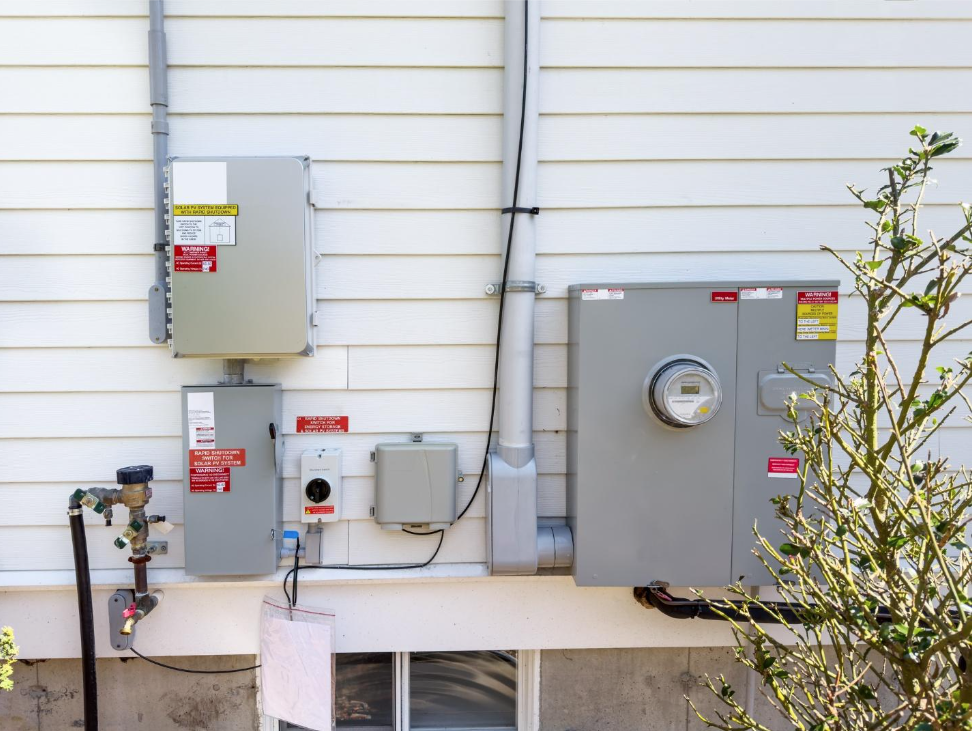
Key Takeaways About Whole Home Surge Protection
Whole home surge protection is a panel-mounted device that diverts dangerous voltage spikes away from household wiring. This summary is for homeowners and property managers who want to protect appliances and electronics before and after storm seasons.
- Identify visible damage like scorch marks and burned outlets quickly
- Prevent costly failures by installing panel level surge devices early
- Avoid DIY panel work and hire a licensed electrician for safety
- Spot recurring odd device behavior as a sign of system surges
- Reduce risk with layered protection using panel and outlet protectors
- Plan inspections after storms and document readings and photos
Introduction
Power surges from storms and utility switching can send sudden voltage spikes through a home electrical system. Those spikes can damage a refrigerator compressor, ruin a desktop power supply, or fry circuit boards in smart devices. Homeowners often notice odd behavior first like blinking lights, a TV that won’t power on, or a computer that crashes during a storm. In South Carolina, repeated small surges add up to costly replacements over time.
Whole home surge protection sits at the service panel and helps stop excess voltage before it reaches outlets and appliances. Proper protection reduces the chances of losing an oven control board or an expensive entertainment receiver during a thunderstorm. Home networks and smart thermostats also depend on steady voltage to keep settings and schedules intact. Replacing electronics costs more than installing a preventative device in many cases.
Symptoms homeowners see include blown fuses, tripped circuit breakers, and burned or discolored outlet faces. You might smell a faint burning near an outlet or hear a pop when a surge happens. In some homes in Irmo, SC these signs appear after a nearby lightning strike or after heavy grid switching. Noticing repeated small failures is a clear signal that the electrical system needs a closer look.
A licensed electrician can inspect the service panel, grounding conductor, and existing surge devices to confirm protection needs. Professionals will check voltage readings and look for signs of past surge damage on appliances and outlets. For older panels or homes with many smart devices, adding whole home surge protection often makes sense. If you see frequent device failures, call a professional to avoid further damage and replace components only when recommended.
What Whole Home Surge Protection Does Mechanically
Whole house surge protectors are devices at the service panel that redirects or absorbs excess voltage to protect a home's circuits. It works by giving sudden high voltage a low-resistance path to ground or by clamping the voltage to a safe level. A homeowner often asks, "Will this stop lightning from hitting my TV?" and the answer is that it reduces transferred surge energy but does not prevent a direct lightning strike. Professionals consider it a first line of defense that significantly lowers the energy reaching downstream outlets and appliances.
- Shunts large transient voltage to ground quickly.
- Clamps small, frequent overvoltages to safer levels.
- Monitors component health with visual indicators.
- Works with branch-level protectors for layered defense.
The device uses metal-oxide varistors or gas discharge tubes to change behavior during a spike. Under normal voltage they present almost no resistance and do not affect devices. During a surge, the varistor becomes conductive and diverts current away from the home wiring. Technicians check these components for wear or visible failure when diagnosing protection performance.
Grounding and bonding are key mechanical parts that let the device work correctly in a house. A poor grounding conductor will limit surge current flow and reduce protection effectiveness. Electricians test grounding with voltage readings and continuity tests to confirm a low-resistance path. For homeowners in Irmo, SC and West Columbia, SC, visible signs like scorch marks or tripped breakers help identify when tests are needed.
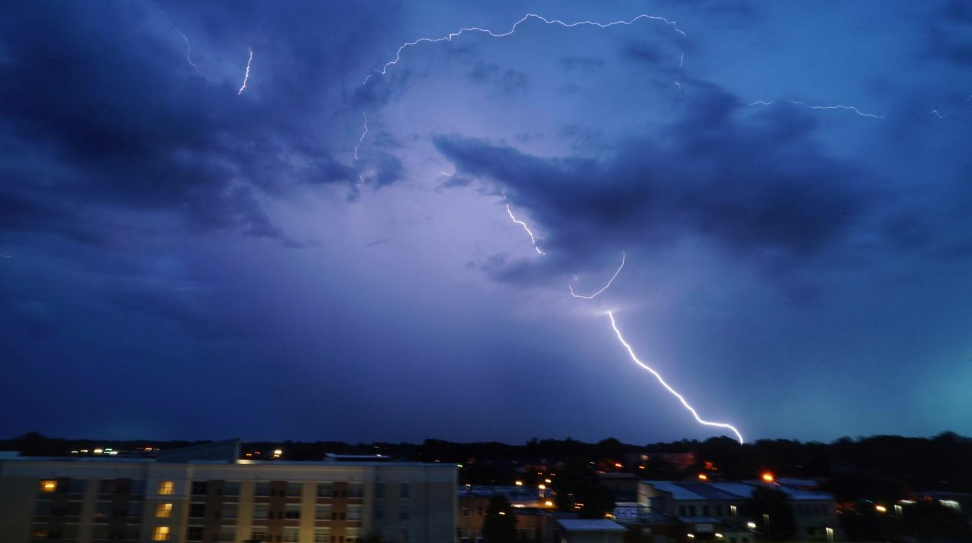
Photo from iStock - Credit: Jonathan Balko
Why Voltage Spikes Happen in South Carolina
Thunderstorms and utility switching often cause rapid changes in voltage that travel through distribution lines and into homes. These spikes occur when nearby lightning strikes, switching events at substations, or equipment faults introduce a sudden surge of energy onto the grid. When that excess energy follows service conductors into a house it seeks paths through appliances, electronics, and wiring to reach ground. Understanding the sources helps homeowners see why whole home surge protection complements outlet-level devices instead of replacing them.
Inductive surges from large motors starting and stopping on a shared circuit create shorter, high-energy spikes that stress electronics repeatedly. Seasonal storms in South Carolina can also produce conductive surges when lightning strikes power lines or infrastructure close to neighborhoods. Utility companies sometimes perform load balancing or fault clearing that creates measurable overvoltage for brief periods. These brief events can degrade circuit boards and power supplies over months without causing an immediate, obvious failure.
Improper or aging service equipment at the meter and panel can allow neutral-to-ground shifts that create damaging voltage differences across devices. A loose connection at the main breaker or a corroded grounding conductor increases localized heating and transient voltage amplitudes. Electricians diagnose these conditions by taking voltage readings between hot, neutral, and ground and by inspecting connections for discoloration or arcing damage.
External sources are not the only cause, switching inside a home can matter too, such as large compressor motors cycling in HVAC systems or pool pumps. These internal events produce lower-energy spikes but happen frequently and shorten electronics life across TVs, routers, and smart devices. A professional will review load distribution, check the service panel, and may recommend whole home surge protection alongside targeted outlet protectors. Documentation of voltage readings, photos of damaged components, and a written report clarify where protection will help most and support informed decisions.
Common Devices at Risk and Damage Signs
Large appliances like refrigerators and HVAC motors often show early signs of surge stress such as motors that hum louder, run hotter, or cycle irregularly. Electronics including desktop computers and gaming consoles may present corrupted files, sudden freezes, or power supplies that fail after storms. Entertainment receivers and soundbars can develop distorted audio, blown internal fuses, or failure to power on after a transient event. A homeowner who notices repeated electronic oddities should document the symptoms and preserve the device for inspection.
Smart devices and home networking gear often behave oddly before full failure, showing frequent disconnects, loss of settings, or firmware corruption after power anomalies. Observing a router that reboots during heavy electrical activity suggests upstream voltage events instead of the device itself. Technicians check outlet voltage, examine surge protector indicators, and test devices with a basic voltage reading to confirm damage origin. For properties in West Columbia, SC a pattern of router and thermostat errors after storms supports a surge-related diagnosis.
Signs on physical components include melted or discolored outlet faces, scorch marks at plugs, and burn odors near panels or junction boxes after an event. Circuit breakers that trip repeatedly without a clear load cause, or breakers that show visible overheating during inspection, point toward repeated transient stress. Electricians inspect the service panel, grounding conductor, and make continuity and voltage readings between hot, neutral, and ground to identify abnormal potentials. They may record readings and take photos to include in a written inspection report for homeowner decisions.
For a practical diagnosis, professionals look for consistent symptom patterns across unrelated devices on different circuits to confirm a system-level surge problem. In a common situation, a homeowner reports a TV, refrigerator, and smart thermostat failing within weeks after storms, the technician then checks panel connections, surge components, and grounding resistance. If surge protection is absent or shows failed indicators, electricians will recommend whole home surge protection and document test results for the homeowner.
When to Install Whole Home Surge Protection
Consider installing whole home surge protection when you add expensive electronics or undertake major electrical work that changes load patterns. Homes adding an electric vehicle charger or a new HVAC circuit especially benefit because higher local loads change fault and surge behavior. A professional will compare service panel age and breaker condition before recommending installation to match the home's needs. If you notice repeated device glitches after upgrades, a surge device may prevent further failures.
- After major appliance installation
- When upgrading the electrical panel
- Before adding high-load circuits
- If frequent unexplained device failures occur
Another prompt for installation is when the grounding conductor or bonding shows wear during inspection by a trained electrician. Technicians test grounding continuity and measure voltage between hot, neutral, and ground to confirm vulnerability. If readings show abnormal potential or a grounding path with high resistance, installers will advise adding whole home surge protection. This step ensures diverted surge energy actually reaches a safe path to ground.
Homes that host many smart devices and network equipment often should add whole home surge protection before persistent firmware corruption appears. Professionals may record outlet voltage and inspect circuit layouts to locate surge entry points before installation. For a property in Irmo, SC where storms cause repeated router resets, this diagnostic evidence supports the decision. Installing protection can extend the life of home networking gear and smart hubs.
If an electrician documents visible panel damage, scorch marks, or failed MOV indicators, install protection promptly rather than waiting for catastrophic device failure. The technician will capture photos and test results in a written report to justify the upgrade and guide placement. For homeowners in West Columbia, SC, timely installation after inspection reduces the chance of losing refrigerators, entertainment receivers, or computers during the next grid disturbance. Always have a licensed professional perform the inspection and installation to manage safety risks properly.
How Installation Works and What Technicians Check
Technicians begin by turning off main power and visually inspecting the service panel, breakers, and nearby junction boxes for loose connections. They use a voltage meter to take readings between hot, neutral, and ground to confirm normal operating values. A continuity test on the grounding conductor verifies a low-resistance path so surge energy can safely divert away from devices. If they find corroded lugs or loose neutrals, those issues get corrected before any surge device is connected.
Installers measure the panel space and determine a suitable surge protective device specification based on the service amperage and available mounting locations. They will identify the best wiring route for short conductors from the device to the panel, since shorter leads improve clamping performance during a transient. Technicians also check for existing point-of-use protectors and coordinate layered protection to avoid redundant protection gaps. Documentation of model, serial number, and installation photos is typical for homeowner records.
After mounting the device, electricians connect it to the main lug or breaker and secure the grounding conductor to the panel ground bus with an appropriate lug. They tighten connections to manufacturer torque recommendations and then restore power while watching for correct indicator lights on the surge unit. A final set of voltage readings confirms the device clamps voltage within expected tolerances under normal conditions. If indicator lights show a fault, the technician replaces or isolates the unit and explains next steps.
As part of the diagnostic process, professionals test downstream outlets and sample device plugs to ensure the protection is effective across circuits. They may simulate a controlled load change while observing breaker stability and voltage response to detect any weak spots. Technicians record all readings and provide a written report with photos and repair recommendations for homeowner review. Homeowners in Irmo, SC and West Columbia, SC often find these inspection notes helpful when tracking appliance issues after storms.
Maintenance Tips to Keep Protection Performing Well
Check surge protector indicator lights monthly and note any change in status, since a failed indicator often means reduced protection. If you observe a blown or unlit indicator, contact a licensed electrician rather than attempting repairs yourself. Technicians will replace the module or the entire unit based on manufacturer guidance and recorded test results. Keeping a dated photo of the indicator helps track when failures occur over time.
Schedule an electrician in West Columbia, SC, to perform voltage and continuity checks every few years or after major storms to confirm grounding integrity remains low resistance. During these visits, a professional will also inspect panel lugs and tighten connections to proper torque values. Ask the technician to record measurements and provide a written report for your maintenance records. This documentation shows trends and supports decisions about replacement timing.
Replace sacrificial components like MOV modules according to manufacturer lifespan recommendations or sooner if diagnostics show degradation. A qualified electrician uses a simple visual inspection and voltage readings to spot worn modules and will note any discoloration or heat damage.
Keep records of installed surge device model, serial number, and inspection dates to guide future technicians and warranty claims. If you add major appliances or a new EV charger, ask the electrician to reassess the surge device capacity and mounting placements.
When Homeowners Should Call a Professional Service
If you notice repeated outlet discoloration, buzzing at the panel, or intermittent device failures after storms, call a professional promptly. A licensed electrician will perform voltage readings and continuity tests to locate the source and measure grounding resistance. They can also inspect breaker torque and visible connections for signs of overheating or arcing. For homeowners, leaving these checks to a professional reduces fire risk and prevents further electronic damage.
- Document visible damage and symptoms with photos.
- Keep records of device failures and dates.
- Turn off affected circuits if you smell burning.
- Contact a licensed electrician for diagnostic testing.
If the electrician finds abnormal voltages or a high-resistance grounding path, they will recommend targeted repairs or upgrades. Diagnosis includes checking hot-to-neutral and hot-to-ground voltages under load and inspecting surge module indicators. Technicians often use a multimeter and continuity tester to gather evidence for a written report. That report helps homeowners prioritize repairs and understand protection needs.
A call to a professional is also warranted when adding major loads or smart-home equipment that increases risk for sensitive electronics. The technician will reassess capacity and may suggest a higher-rated device or additional branch-level protectors.
Preventative Practices for Safer Smart Homes
Start by grouping sensitive smart devices on dedicated circuits to limit exposure when a problem appears, keeping noisy motors and routers separate. A professional can perform a load distribution check and recommend circuit changes if required. Labeling circuits after changes helps homeowners and technicians troubleshoot future issues quickly without guessing. Clear labels also speed diagnostic testing and reduce time technicians spend onsite.
Use a layered protection plan that includes robust outlet-level protectors for high-value items and whole home surge protection at the panel. Check that plug-in protectors have healthy indicator lights and replace units that show warning signs. A technician can test downstream outlets with a voltage meter to ensure protectors cooperate with panel devices. This provides overlapping defense and reduces risk of single-point failures.
Regularly update firmware on smart hubs, routers, and thermostats to reduce reboot issues unrelated to voltage events, and maintain device backups when possible. If a device repeatedly loses settings after storms, document the failures and schedule diagnostic testing with a licensed electrician. Homeowners may find pattern documentation useful when seeking repairs or upgrades. Clear records help technicians correlate electrical tests with device behavior during diagnostics.
When wiring new smart devices, route Ethernet and control wiring away from heavy appliance circuits to minimize induced transients and noise on signal lines. Electricians can test for induced voltage and run continuity checks on network drops to confirm clean signal paths. For homes in West Columbia, SC adding many smart devices, consider professional network and electrical coordination before installation. Coordinated planning prevents frustrating intermittent faults and reduces repeated service calls.