
Key Takeaways About Smart Grids
Smart grids are electrical systems that detect faults and reroute power automatically. This summary is for homeowners and property managers who want to know how it helps during outages.
- Identify fault locations quickly using meter and line sensor data.
- Prevent large outages by isolating small circuit segments rapidly.
- Avoid repeated trips by confirming repairs with meter event logs.
- Spot equipment failure signs through voltage current and waveform readings.
- Reduce repair time by sending crews with correct parts first.
- Plan household safety steps and documentation for faster technician diagnosis.
Introduction
Power outages can leave homes dark, refrigerators warming, and medical devices at risk for hours. In coastal communities, outages also disrupt businesses and traffic signals. Smart grids help detect where power stops flowing and can speed up response. For many homeowners the key concern is how long power stays off.
Traditional grids often wait for crews to patrol lines and find faults by sight. Modern smart grids use sensors and automated controls to spot disruptions quickly. That faster detection reduces guesswork for utility crews and homeowners. Faster pinpointing means fewer houses experience long outages.
Smart grids can reroute electricity around a damaged line to keep more homes powered. That rerouting limits the number of customers who lose all service during a fault. It also helps critical facilities stay online while repairs begin. For residents the result is less disruption to daily routines and safety systems.
In places like Wilmington, NC and Bolivia, NC power interruptions affect both daily life and emergency response. When a professional investigates an outage they look at device readings, broken equipment, and customer reports. Those diagnostics guide crew priorities and restore power more efficiently. Reducing outage time matters for comfort, safety, and local commerce.
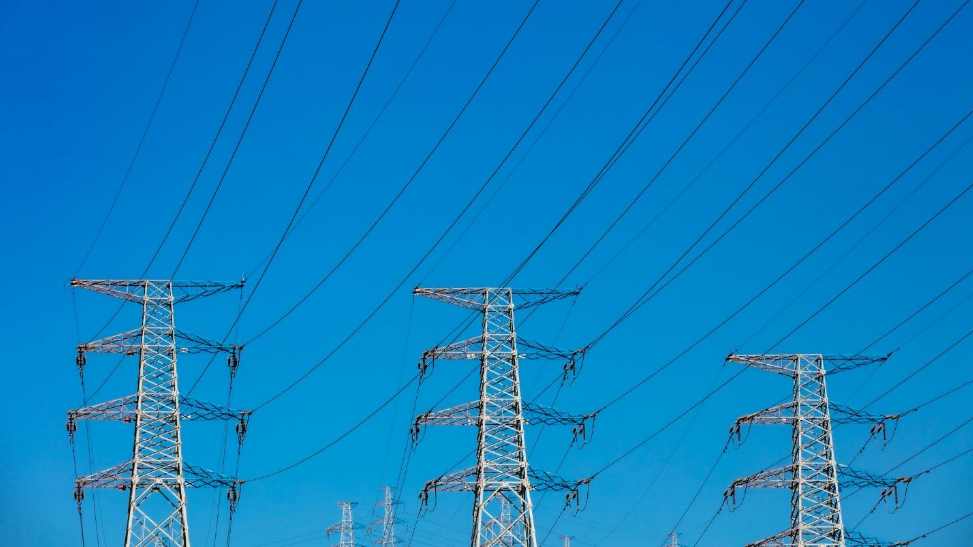
Photo from iStock - Credit: shilh
How Smart Grids Detect Outages and Why It Happens
How smart grids detect outages means using sensors and automated signals to spot stops in power flow quickly.
- Line sensors send fault indicators to the utility.
- Smart meters report sudden voltage loss.
- Distribution automation isolates troubled sections.
- Remote switches allow quick sectional control.
Grid sensors monitor voltage, current, and frequency on lines and transformers to detect abnormal readings fast.
When homeowners ask how the grid knows their house lost power, utilities use smart meter reports and line device alarms to confirm interruptions immediately.
Technicians then review device logs and perform on-site checks like voltage readings at the service panel and visual inspection of the nearest transformer.
Common Local Causes of Wilmington Power Interruptions
Downed tree limbs and fallen branches often cause local outages by striking overhead lines during storms. Vegetation contact can short a conductor or damage an insulator, which trips protective devices and cuts power to a section. Utilities inspect the line and nearby poles to find visible damage and take readings at the nearest transformer and service panel. A technician will compare recorded fault times from line sensors with incoming customer outage reports to confirm the cause.
Equipment failure on distribution hardware also produces interruptions, such as a failing transformer or a defective fuse link that opens under load. Signs homeowners might notice include flickering lights or repeated brief interruptions before a full outage occurs. In coastal areas, salt and moisture exposure may also raise questions about corrosion and electrical components. For more context on this issue, see our guide, “Does coastal air harm electrical wiring?” Crews diagnose equipment problems by checking voltage and current readings at the device and by testing continuity through switches and fuses. Repair often requires replacing the failed component and rechecking nearby protective settings to prevent repeat faults.
Animal contacts and debris on conductors create common short circuits that utilities track with fault indicators and meter event logs. When animals cause an arc, the event usually appears as a sudden, sharp fault in the recorded waveform and triggers protective isolation. Technicians perform visual inspections of the pole, transformer, and junction boxes and may use an infrared camera to find hot spots. Restoring service can mean removing the animal hazard and replacing damaged insulators or connectors.
Human-caused interruptions such as vehicle collisions with poles or accidental dig-ins at service lines affect both customers and crews. Drivers hitting poles or contractors striking underground lines create immediate, often localized outages with visible physical damage. Utilities coordinate with emergency responders, take photos of the scene, and run voltage checks at nearby service points to map the outage footprint.
Early Warning Signs Homeowners Should Watch For
Unusual sounds from electrical equipment at home can signal trouble before an outage. Buzzing at the service panel, repeated breaker trips, or a humming meter deserve attention. A professional would check voltage readings, inspect the panel, and test GFCI and AFCI devices. Early checks help utilities prioritize repairs when multiple faults appear across the grid.
Lights that flicker specifically when large appliances start can indicate a local voltage sag issue. An electrician would perform load checks, measure voltage at the panel, and review smart meter event logs if available. Tracking when flicker happens gives crews clues about nearby transformer or connection stress. Noting appliance names and times helps professionals correlate customer reports with grid data.
Intermittent service that clears after a few minutes often points to a protective device operation or a loose connection. Technicians diagnose by comparing outage timestamps from smart meters and taking continuity measurements at junction boxes. Homeowners can help by recording exact outage times and any visible signs like scorch marks or smell of burning.
Repeated brief interruptions across days may reveal a degrading component on the local line or transformer. A professional would inspect the transformer, pole hardware, and upstream switches while reviewing fault waveforms from line sensors. In Bolivia, NC homeowners noticing repeated events should report them with times and appliance behavior to aid diagnosis. Clear symptom notes let crews match field observations with automated grid logs and plan targeted repairs.
How Self Healing Systems Reroute Power Automatically
Self-healing systems detect a fault and change the path of electricity using automated switches and sectionalizers near the problem. These devices open or close in seconds to isolate the damaged segment and keep nearby feeders energized. A utility control center sends a command when telemetry shows an abnormal current or voltage pattern. Homeowners may see service restored to part of their block while crews prepare for repairs elsewhere.
- Automated switches redirect current around a fault.
- Sectionalizers isolate the smallest possible circuit segment.
- Reclosers attempt to restore service briefly after a temporary fault.
- Smart relays report status back to the control center.
After rerouting, operators verify stability by watching meter and line readings for a few minutes. If readings return to normal, the reroute holds and fewer customers stay without power. If instability appears, the control center re-isolates the problem and limits the outage footprint further. This staged approach reduces unnecessary full-circuit outages while crews mobilize.
Field technicians diagnose the cause by checking device status, visual damage, and voltage at the nearest transformer and service panel. They use voltage readings, continuity checks, and recorded fault waveforms to confirm the automated system's location data. For properties in Wilmington, NC and Bolivia, NC technicians often compare customer reports with device logs to pinpoint the repair site. Homeowners should report exact outage times and any unusual sounds or smells to help confirm the diagnosis.
Utilities Response Steps and When to Contact Professionals
When utilities receive automated fault alerts, they follow a set sequence to confirm the problem and protect crews and customers. First, dispatchers check telemetry and meter event logs to determine the affected feeders and any safety risks. Next, they issue isolation commands to remote switches while coordinating crew routes and required equipment. Customers who report downed lines or sparks should allow crews space and avoid approaching the area for safety.
Field crews then perform visual safety checks and targeted diagnostic tests before beginning repairs to damaged components. Technicians inspect the pole, transformer, and service connections while taking voltage readings at the service panel and junction points. They use continuity tests, infrared scans, and device status reports to find hidden hot spots or intermittent faults. If the repair involves a locked enclosure or complex splice, crews may need additional permits or utility-owned parts before restoring full service.
Homeowners should call a licensed electrician when they notice repeated breaker trips, burning smells, or scorch marks near outlets after power is restored. A professional will test GFCI and AFCI devices, measure panel voltages, and inspect grounding conductors to confirm household safety. For properties in Wilmington, NC technicians may compare panel readings with recorded outage timestamps from smart meters to help locate lingering issues. Prompt electrical inspection reduces fire risk and prevents appliance damage from unstable supply.
Utilities also ask customers to report persistent issues that automated systems do not fully resolve, such as frequent flicker or partial outages over days. A utility or contracted crew will schedule a follow-up patrol and may replace fuses, reterminate conductors, or swap a failing transformer based on diagnostic evidence. If you notice unusual post-restoration behavior, document times and affected appliances to help technicians correlate field observations with grid logs. For recurring or unclear problems in Bolivia, NC contacting both your electric provider and a licensed electrician ensures coordinated diagnosis and repair.
Practical Home Preparations to Minimize Outage Impact
Start by assembling a compact outage kit with flashlights, battery-powered lanterns, fresh batteries, and a battery charger for phones. Keep a manual list of appliance shutoff priorities to reduce inrush when power returns and prevent tripped breakers. Store copies of appliance manuals and warranty paperwork in a single folder so technicians can reference models if damage occurs. Label circuit breakers in the panel clearly to speed any on-site checks electricians perform after an outage.
Protect sensitive electronics by unplugging them during an outage to avoid surge damage when power returns. A professional electrician will check panel voltages and examine surge protection devices if appliances show signs of stress. Keep refrigerators and freezers closed to preserve cold air, and move perishable food to a cool insulated container when outages last. Note the time food was exposed to warmer temperatures so technicians and insurers can evaluate any losses.
Plan for critical medical or support equipment by identifying battery backups or uninterruptible power supplies and ensuring they are charged ahead of storms. A licensed electrician can test an uninterruptible power supply and verify correct wiring at the service panel before any outage occurs. Store contact numbers for your electric provider, a licensed electrician, and healthcare providers in both paper and digital forms.
Inspect and clear vegetation near meter and service entrances to reduce the chance of local faults during storms, trimming only where safe and visible from the ground. Photograph your electrical panel and major appliances for records, technicians use photos and recorded symptoms to match field findings with meter logs. If you notice persistent panel noise or repeated breaker trips after an outage, call a licensed electrician to perform voltage readings and continuity checks.
How Smart Grids Reduce Restoration Time and Costs
Smart grids shorten repair times by giving crews precise fault locations, which reduces time spent patrolling lines manually. That accuracy lets utilities send the correct crew with needed parts on the first trip. Faster crew routing lowers labor hours and reduces traffic delays around work zones. Homeowners often see power return sooner because technicians focus directly on the damaged component.
- Fewer patrol miles save fuel and crew time.
- Preloaded parts reduce repeat visits for replacements.
- Targeted dispatch limits the number of affected customers.
- Telemetry often confirms repairs before crews leave site.
Automated isolation keeps most of a feeder energized while crews repair the fault, which cuts the number of customers needing alternate power. That selective outage reduces spoilage risk for food and lowers backup equipment runtime. Utilities log the automated actions and share event timestamps that electricians use during on-site checks. These records shorten the verification process and let teams close jobs faster.
When diagnosing lingering problems, professionals compare smart meter event logs with on-site voltage and continuity measurements to confirm fixes. They inspect junction boxes, transformers, and service panels and take voltage readings to validate restoration. Photographs and written reports from the crew record repair steps and parts used for billing and future reference.
What to Expect from Technicians During Grid Repairs
Technicians arrive with clear safety protocols and set up work zones before touching any utility equipment. They will confirm isolation of the fault using device status and voltage readings at the nearest transformer and service point. Expect crews to take photographs and record meter event timestamps to document the condition before beginning repairs. If you see crews working near your service, keep a safe distance and follow any directions for access or power shutdowns.
A field tech will perform visual inspections of poles, crossarms, and service terminations while also using a handheld voltmeter for spot checks. They may open junction boxes to inspect connections and test continuity across fuses and splice points to find hidden faults. When equipment needs replacement, the crew records part numbers and serials to match inventory with repair logs. Homeowners often notice crews testing breakers or checking the meter as part of these confirmation steps.
Expect technicians to consult grid logs and smart meter events to confirm the fault location before committing to a permanent repair. They will compare on-site voltage traces and recorded waveforms with telemetry to avoid unnecessary replacements. If a safety hazard appears, crews will secure the area and postpone nonessential repairs until it is safe to continue.
After repair, crews perform final verification by taking post-repair voltage readings and ensuring protective devices operate correctly during load changes. They often leave a written or photographed record of the steps taken and any replaced parts for utility records and homeowner reference. If any household issues persist, a technician will recommend a licensed electrician to test panel grounding, GFCI devices, or appliance wiring. For safety concerns or repeated problems, contact a professional in Wilmington, NC rather than attempting further checks yourself.