

Key Takeaways About Home Standby Generators
Home standby generators provide automatic backup power for selected or whole-house electrical loads. This guide is for homeowners planning installation, permitting, placement, and maintenance before storm seasons or long outages.
- Identify critical circuits and document running and starting currents.
- Prevent backfeed with a properly installed transfer switch.
- Avoid code issues by securing permits and inspection approvals early.
- Spot fuel or exhaust problems during initial tests and routine checks.
- Reduce downtime with a seasonal maintenance and exercise schedule.
- Plan pad placement clearances and conduit routes for safe installation.
Introduction
Installing a home standby generator involves more than picking a model and plugging it in. Fuel choices, electrical load decisions, and transfer switch type all affect safety and daily use. Poor planning can create code violations, electrical hazards, or unreliable backup during storms. Homeowners need clear information to avoid costly mistakes and unsafe installations.
Fuel type matters for run time, storage, emissions, and local code compliance. Natural gas and propane behave differently and require different connection and venting approaches. Diesel offers long runtime but needs secure fueling and spill containment. Choosing fuel affects placement and maintenance schedules for years.
Deciding which circuits a generator will power requires a realistic load prioritization plan. Critical loads like medical equipment, refrigeration, and sump pumps often come first. A transfer switch type determines whether the generator powers selected circuits or the whole home. Incorrect sizing or transfer setup can overload the system or leave important circuits without power.
Permits and placement clearances prevent safety and code problems during inspections and future sales. Local officials and inspectors check set back distances, ventilation, and noise limits in places like Wilmington, NC and Leland, NC. Regular maintenance keeps the system reliable and extends component life. If you see fuel leaks, oil spots, or unusual sounds, contact a professional for inspection and generator repair services.
Fuel Options for Home Standby Generators Explained
Fuel options for home standby generators refer to the types of fuel a permanently installed generator can use, and how each affects runtime, storage, and safety. Natural gas connects to a home's supply for continuous run time without refueling. Propane requires an on-site tank and may need refill planning for extended outages. Diesel stores on-site and gives long runtime but needs secure containment and odor control to avoid spills.
- Runtime depends on load and fuel type.
- Storage rules differ for propane and diesel.
- Emissions affect placement and ventilation.
- Fuel availability changes during widespread outages.
Homeowners often ask which fuel lasts longest without refueling, and diesel typically provides the longest continuous runtime. A professional will inspect fuel lines, measure pressure, and run a load test to confirm fuel delivery. They will look for visible leaks, check tank venting, and read pressure or flow outputs during a simulated run. This diagnostic step ensures the chosen fuel will meet expected runtime and delivery needs.
Natural gas lowers the need for tank space but depends on utility availability and line sizing to the generator. Propane tanks require placement clearances and a certified installer for piping and leak testing. Diesel systems need spill containment, filter maintenance, and periodic fuel polishing against microbial growth. For properties in Wilmington, NC owners should consider local utility reliability when choosing a fuel to avoid surprises.
Fuel choice also affects long-term maintenance tasks and code requirements, which can influence permitting and inspection outcomes in Leland, NC for new installs. Regular checks include fuel line inspections, tank vent integrity, fuel filter changes, and periodic exercise runs to circulate fuel. If you smell exhaust near the unit, see stains under a tank, or detect low pressure during testing, contact a qualified technician to investigate. Professionals will document readings and provide a written report to support permitting and future service decisions.
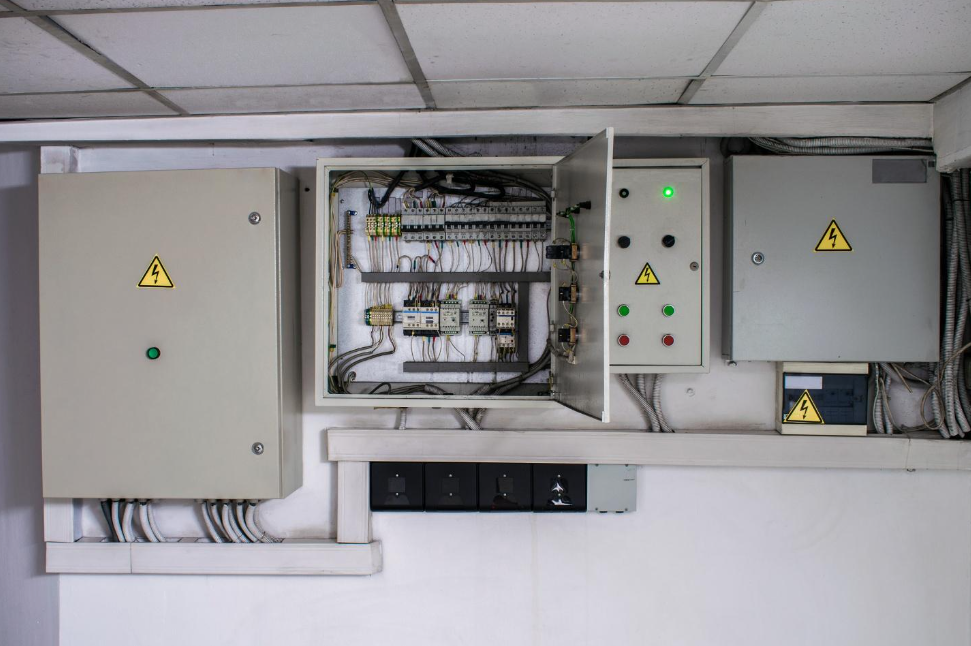
Photo from iStock - Credit: klmax
How Transfer Switches Work and Choosing Types
Transfer switches provide a safe way to move power sources from the utility to a generator without backfeeding the grid. An electrician inspects the service panel, measures load using a clamp meter, and verifies neutral and ground separation before recommending a switch. Visible signs for inspection include scorched breaker terminals, loose connections, or inconsistent voltage readings at the panel during testing. A clear diagnostic includes written voltage and continuity readings recorded during the inspection for later comparison.
Automatic transfer switches (ATS) sense utility loss and shift loads within seconds to minimize outage interruption. Manual transfer switches require human action at the switch and are simpler but slower during emergencies. Professionals test ATS function by simulating loss, observing transfer timing, and confirming generator start and stabilization under load. If transfer time exceeds manufacturer specs or stalls, technicians trace controls, solenoids, and wiring for fault isolation.
Service-rated transfer switches allow whole-house switching when the generator can meet the peak load, while load-center or split-load switches allocate power to selected circuits. A contractor will perform a load calculation, inspect critical circuits, and map which breakers a switch should control using panel labeling. During inspection, they check breaker ampacity, GFCI/AFCI locations, and available spare spaces in the panel for safe connections. Homeowners should note which appliances need simultaneous power to avoid oversizing or unexpected outages.
Transfer switch placement must allow access for maintenance, proper clearance from vents, and a secure path for the generator output conduit. Technicians confirm conduit routes, cable lengths, and junction box locations to reduce sharp bends and moisture exposure. For installations near Wilmington, NC, and Leland, NC, inspectors will check mounting and weatherproofing for compliance with applicable local codes. Automatic generator monitoring can also help keep your standby system ready by alerting you to operating or maintenance issues that may need attention. If you notice burning smells or tripped breakers after a transfer, contact a licensed electrician to inspect the wiring and transfer switch.
Prioritizing Home Circuits and Load Calculation Steps
Start by listing critical circuits that must stay on during an outage, such as medical equipment, well pumps, refrigeration, and heating controls. A professional will inspect the main service panel and use a clamp meter to record running and starting currents for motors. They check GFCI and AFCI locations and note any shared neutrals that affect isolation during transfer. This diagnostic record becomes the basis for the sizing and prioritization plan provided in a written report.
Next, calculate continuous versus motor-start loads to avoid undersizing the generator. Technicians apply diversity factors and motor starting multipliers, then sum wattage and convert to amperes at the service voltage for comparison with generator ratings. They may perform a simple appliance audit by running items and measuring voltage and current to confirm nameplate assumptions. This step catches hidden heavy loads like electric water heaters that homeowners sometimes forget to include.
Decide whether to use a load-management strategy with staged shedding or a fixed list of priority circuits. Load-management devices cycle lower-priority loads off automatically to keep total demand below the generator's limit. An electrician will wire load-shedding control through the transfer switch and test switching under simulated load conditions to verify timing and reliability. If circuit breakers trip during testing, the technician traces wiring and checks for overloaded neutrals or incorrect breaker sizing.
Finally, document the final circuit map, expected run times for critical loads, and recommended generator size in plain terms for homeowners. Maintenance and future additions rely on this documentation to prevent accidental overloading when new appliances are added. For residential homeowners, keep these records with permit paperwork for inspections and possible resale. If you notice unusual noises, flickering lights, or persistent tripped breakers during test runs, contact a licensed electrician for follow-up diagnostics and corrective work.
Placement Clearances and Site Preparation Requirements
Choose a level, firm pad for the unit to sit on that resists settling and keeps the generator level during operation. A concrete pad or rated composite pad works well and reduces vibration transfer to the home. Ensure the pad location allows routing of conduits and fuel lines without sharp bends or long unsupported runs. A professional will verify elevations and may use a level and tape to confirm placement before final mounting.
- Keep combustion air and exhaust clear of openings.
- Allow service access on at least two sides.
- Place the pad on compacted, stable soil.
- Route fuel and electrical conduits neatly to the pad.
Maintain manufacturer clearance distances from walls, windows, and HVAC intakes to prevent exhaust entering the building. Mark setback lines and measure from the building facade to confirm compliance during installers' layout checks. Install a small barrier or landscaping to discourage people from sitting on or near the generator base. If you notice exhaust odors near vents during an initial test, stop and call a technician to inspect exhaust routing immediately.
Plan for noise and neighbor considerations by orienting the enclosure away from sleeping areas and property lines whenever possible. Check local ordinances and homeowners association rules for maximum permitted sound levels prior to installation. Electrical routing should include a short, protected run to the transfer switch to minimize voltage drop and reduce conductor costs. During site prep, technicians will document conduit paths and take photos for the permit application packet.
Confirm clearances for fuel systems based on the fuel type and provider requirements to avoid later code issues in Wilmington, NC and elsewhere. Propane and diesel tanks may need additional setbacks, containment, and signage per supplier rules and permit conditions. Ask the installer to provide a written clearance diagram showing measurements from the unit to property features for your records. Keep those diagrams with your maintenance schedule and permit paperwork for future inspections in Leland, NC.
Permitting Process and Local Code Compliance Guidance
Start the permit process by contacting your local building department to learn required forms and inspection steps before ordering equipment. Provide plans that show generator location, fuel piping, electrical conduit routes, and transfer switch wiring for review. Inspectors commonly require manufacturer spec sheets and a site diagram to confirm clearances and exhaust direction. Keep copies of submitted documents and any correction notices for later inspections.
A licensed electrician or fuel technician usually submits electrical and fuel permits on your behalf and schedules rough and final inspections with authorities having jurisdiction. During permit review, expect inspectors to verify grounding, bonding, conduit protection, and correct overcurrent protection at the transfer switch. They will also check for proper neutral-to-ground separation and that GFCI or AFCI requirements remain intact where applicable. Plan for at least one site visit during rough-in and a final inspection after startup.
For fuel connections, inspectors confirm proper materials, shutoff valves, and leak testing procedures for propane or natural gas piping installed to generator inlets. They may require pressure testing records and visible support spacing for pipes to meet code expectations. A technician will perform a leak test with soapy water or pressure gauges and document results for the inspector. If the inspector flags an issue, address it promptly and provide corrected documentation for approval.
Noise and emissions considerations sometimes appear in permit conditions and require addressing before final sign-off in Wilmington, NC installations. Documenting exercise runs, sound measurements, and exhaust routing can help satisfy noise mitigation requirements during inspection. For properties near Leland, NC, keep records of fuel deliveries, tank inspections, and maintenance logs available for permit or resale documentation. If you encounter unclear permit language or safety questions, hire a professional to inspect and provide a written report for the authority having jurisdiction.
Maintenance Schedules with Seasonal Task Recommendations
Set a regular exercise schedule to keep fuel and lubricants circulated and prevent stale fuel problems in home standby generators. Run the unit under load periodically to confirm starting, governor response, and voltage stability while noting run duration and ambient conditions. A technician will record oil pressure, coolant temperature, and voltage readings during an exercise run to compare with future tests. Keep those recorded readings in a log to spot gradual declines before they become failures.
Seasonal checks should align with changing temperatures to protect batteries and cooling systems from extremes that reduce lifespan. In fall, verify coolant concentration and radiator condition and replace coolant if test strips indicate breakdown or improper freeze protection. During spring inspections, inspect belts, hoses, and exhaust connections for winter damage and tighten mounting hardware as needed. Battery tests using a load tester and terminal cleaning prevent no-start conditions when outages occur after storms.
Fuel-specific tasks include filter changes, water drains, and microbial treatments for diesel and propane systems on recommended intervals. Inspect fuel lines, fittings, and vent connections visually each season for stains, odors, or loose clamps that indicate leaks or seepage. A professional will perform pressure checks on gas piping and fuel pressure measurements at the generator inlet to confirm steady delivery under load. Keep service sheets and any recorded pressure or flow outputs with your maintenance log for permit or resale needs in Wilmington, NC.
Electrical maintenance focuses on transfer switch operation, battery chargers, and breaker integrity to ensure safe automatic transfer during outages. Test the automatic transfer switch annually by simulating a utility loss and watching for correct sequencing, contact wear, and timing within manufacturer guidance. Inspect grounding conductors and tighten neutral and ground connections while checking panel breaker labels against the documented circuit map saved during installation. For properties in Leland, NC, schedule a professional inspection before seasonal storm seasons to catch issues early and provide a written report for your records.
Troubleshooting Common Failures: Why They Happen
Hard starts, failure to transfer, and repeated shutdowns often point to fuel delivery problems like clogged filters or air in lines. A technician will inspect fuel filters, check tank vents, and measure fuel pressure at the generator inlet during diagnosis. They will also observe starting behavior, listen for abnormal starter sounds, and record voltage and oil pressure readings. If exhaust smells enter the house during startup, stop operation and contact a professional for immediate inspection.
- Check fuel filter condition visually and replace when clogged.
- Listen for fuel pump noise during startup.
- Inspect tank vents for blockages or ice.
- Verify fuel line fittings are tight.
Electrical faults can cause failure to accept load or nuisance tripping of breakers during transfer operations. An electrician will use a clamp meter to measure inrush and running currents on suspect circuits and test the transfer switch contacts for continuity. They inspect neutral-to-ground separation in the panel and measure voltage stability under simulated load to confirm correct sequencing. Keep recorded current and voltage readings for future comparisons and permit records.
Battery and control issues can cause no-start conditions and erratic automatic transfer behavior during storms or extended outages. Technicians test battery voltage and inspect charger output and wiring connections for corrosion. They also review control module fault codes and generator start attempts to identify intermittent electronic problems. These diagnostic checks help determine the best emergency power solutions for homes based on the condition and performance of each system.
When to Call a Professional for Standby Generators
Call a professional when you notice consistent abnormal noises during start or run cycles that you cannot diagnose safely. A technician will inspect mounts, bearings, and exhaust components, and they will use a sound-level check and vibration observations to locate mechanical faults. Do not try to tighten internal fasteners or tamper with fuel systems yourself because those actions can create hazards. If you smell fuel near the unit during operation, stop and schedule a service visit immediately.
If the generator fails to carry expected loads after transfer, seek a licensed electrician to perform a formal load acceptance test and panel inspection. The electrician will measure running and inrush currents with a clamp meter and confirm correct transfer sequencing at the switch. They will also check for overloaded neutrals, incorrect breaker sizing, or contact wear that requires replacement. Maintain written test results for future reference and permits.
Engage a qualified fuel technician for any visible fuel staining, dripping, or regulator anomalies on propane or diesel systems, since these signs point to leaks or venting problems. The technician will perform pressure and leak tests, inspect piping supports, and verify tank venting and containment are intact. They may also sample fuel for contamination in diesel systems and advise on polishing if microbes or water are present. Documented repairs and test outputs help with inspections and resale paperwork.
Schedule professional service in Wilmington, NC for anything involving automatic transfer control faults, persistent starting failures, or battery charging irregularities that you cannot resolve with basic maintenance. A technician will read control-module fault codes, test battery under load, and validate charger output with a multimeter to isolate the root cause. They will also inspect wiring harnesses and grounding connections and produce a written diagnostic report with recommended repairs.