
Discover the best emergency power solutions for homes in North Carolina. Learn how backup power options improve safety, comfort, and preparedness during unexpected outages.
Introduction:
Emergency power solutions help North Carolina families stay safe and comfortable when unexpected outages occur. Severe weather can disrupt daily routines without warning. Coastal storms, strong winds, and heavy rain often affect electrical service across the region. Reliable preparation helps reduce uncertainty during these challenging situations.
North Carolina experiences a wide range of environmental conditions throughout the year. Summer thunderstorms can bring lightning and damaging winds. Hurricane season creates additional concerns for many coastal communities. Winter weather can also place stress on local power infrastructure.
When electricity is unavailable, essential systems may stop working. Heating, cooling, refrigeration, lighting, and communication devices often depend on a stable power supply. As a result, many property owners explore backup options before an emergency occurs. Planning ahead helps improve safety and convenience during service interruptions.
Different backup power systems offer unique advantages for various needs. Some provide power to an entire property, while others support only critical circuits. Understanding these options helps residents make informed decisions about outage preparedness. Choosing the right emergency power solutions can provide greater peace of mind throughout the year.
Understanding Emergency Power Solutions and Their Benefits
Unexpected power outages can disrupt daily routines, affect comfort, and create safety concerns. Reliable backup power systems help maintain access to essential electricity when utility service is unavailable. From preserving critical appliances to supporting communication devices, these systems play an important role in emergency preparedness. Understanding how backup power options work can help property owners make informed decisions about long-term reliability and resilience.
Maintain Essential Electrical Functions
Backup power systems help keep important appliances and devices operating during an outage, reducing disruptions to daily activities.
Enhance Safety and Security
Reliable electricity supports lighting, security systems, and communication devices when utility power is unavailable.
Protect Perishable Food and Medications
Continuous power helps refrigerators and freezers maintain safe temperatures during service interruptions.
Support Indoor Comfort
Backup systems can help maintain heating and cooling equipment during extreme weather conditions.
Safeguard Sensitive Electronics
Consistent power helps reduce the risk of interruptions that may affect computers, entertainment systems, and other electronic devices.
Provide Flexible Power Options
Standby generators, portable generators, and battery backup systems offer solutions for a variety of electrical needs and property types.
Promote Long-Term Preparedness
Having a backup power plan in place helps reduce uncertainty and improves readiness for unexpected outages.
Benefit From Professional Expertise
Experienced electrical technicians can evaluate power requirements, recommend suitable emergency power solutions, and help ensure safe, code-compliant operation.
Choosing the right emergency power solutions involves evaluating electrical needs, outage risks, and long-term goals. Professional guidance can simplify the decision-making process and help ensure a safe and dependable system. With proper planning, residents can improve preparedness, maintain essential services, and gain greater peace of mind during unexpected power interruptions.
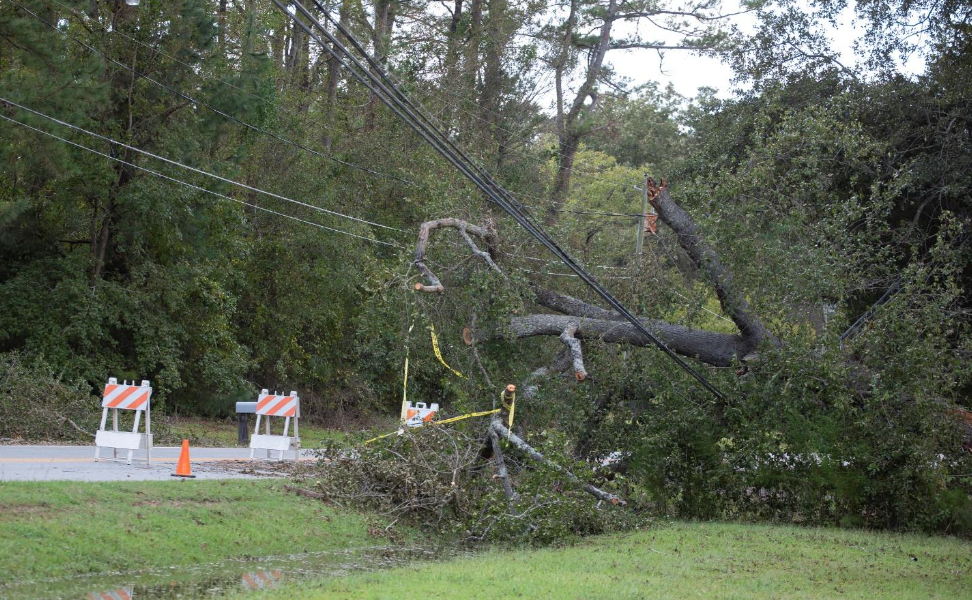
Photo from iStock - Credit: gsagi
Common North Carolina Power Outage Risks
Electrical outages can affect communities across North Carolina at any time of year. While some interruptions are brief, others may last for several hours or longer depending on the cause. Understanding what commonly leads to electrical service disruptions can help residents better prepare for unexpected situations. Recognizing these risks is an important step toward improving outage readiness and planning for reliable backup power.
Severe Weather and Thunderstorms
Severe weather, including winter ice events, is one of the leading causes of grid failures throughout North Carolina. Thunderstorms often bring strong winds, heavy rain, and lightning that can damage power lines and electrical equipment. Even a short storm can create service interruptions if utility infrastructure is affected. As a result, weather-related outages remain a common concern across the state.
Hurricanes and Tropical Storms
Hurricane season presents additional challenges, particularly for coastal areas. High winds, flooding, and storm surge can damage utility poles, transformers, and other critical electrical components. Restoration efforts may take longer when widespread damage occurs. Consequently, many residents prepare for potential outages before major storms arrive.
Fallen Trees and Environmental Factors
Trees and vegetation can also contribute to electrical disruptions. Strong winds and saturated soil may cause trees or large branches to fall onto utility lines. Environmental conditions such as flooding and erosion can further impact electrical infrastructure. These factors often increase outage risks during periods of extreme weather.
Equipment Failures and Grid Demand
Not all outages are caused by storms. Utility equipment can experience failures due to age, wear, or unexpected technical issues. In addition, periods of extreme heat or cold may place greater demand on the electrical grid. Understanding these potential causes helps residents make informed decisions about outage preparedness and backup power planning.
Knowing the common causes of power outages can help residents take a proactive approach to emergency preparedness. While electrical disruptions cannot always be avoided, understanding local risks can make planning more effective. Reliable backup power solutions provide an added layer of protection when unexpected outages occur in North Carolina.
Standby Generators: A Reliable Whole-Home Power Option
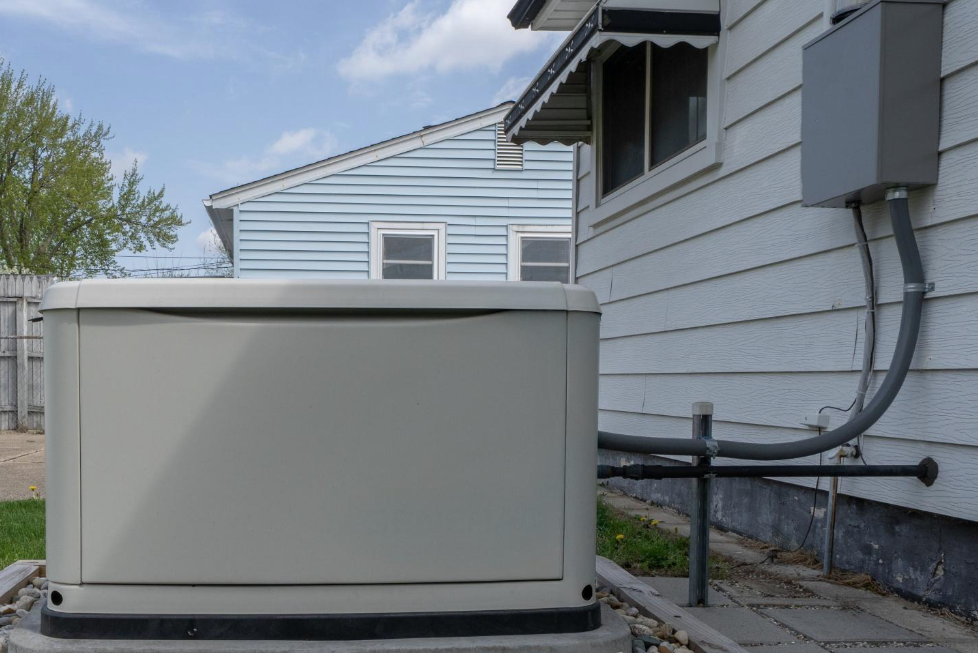
Standby generators are among the most dependable backup power systems available. These units are permanently installed and connected to a property's electrical system. When utility power fails, they can activate automatically within seconds. This quick response helps minimize disruption during an outage.
Many residents choose standby generators because they provide power to multiple circuits or an entire property. Essential systems can continue operating without the need for manual intervention. Heating, cooling, refrigeration, and lighting often remain available during service interruptions. As a result, daily routines can continue with greater comfort and convenience.
North Carolina's weather patterns make power outage protection especially valuable. Severe thunderstorms, hurricanes, and strong coastal winds can increase the risk of extended outages. A whole home generator helps provide consistent power during these challenging conditions. This added reliability can be particularly beneficial during peak storm seasons.
Professional generator installation is essential for safe and effective operation. Certified electricians evaluate electrical requirements and ensure proper system integration. Regular inspections also help maintain lasting performance, and dependability. With expert guidance, property owners can invest in a solution that supports safety and preparedness for years to come.
Portable Generators and Temporary Backup Power Options
Portable generators offer a flexible source of electricity during short-term outages. Many people use them to power selected appliances and essential devices. These units can provide temporary support when utility service is unavailable. As a result, they are often considered for emergency preparedness plans.
Unlike permanently installed systems, portable generators typically require manual setup and operation. Their power capacity may be more limited than emergency power solutions. Because of this, users often prioritize critical equipment during an outage. Understanding these limitations helps set realistic expectations.
Portable generators can be useful during severe weather events in North Carolina. Summer thunderstorm season, Atlantic hurricane season, and other environmental conditions may lead to temporary power interruptions. Having access to backup electricity can help support comfort and communication needs. However, each property's requirements may vary based on electrical demands.
Safety should always remain a top priority when considering temporary power equipment. Professional electricians can help determine whether a portable generator aligns with a property's needs. They can also provide guidance regarding proper electrical connections and system compatibility. Working with qualified professionals helps promote reliable performance and safe operation.
Battery Backup Systems for Modern Homes
Battery backup systems have become increasingly popular in recent years. These systems store electricity for use during power outages. When utility service is interrupted, stored energy can help keep important devices running. This capability provides an additional layer of preparedness for unexpected situations.
Many battery systems operate quietly and require minimal ongoing attention. Unlike fuel-powered equipment, they do not rely on combustion during operation. This feature appeals to those seeking a clean and efficient backup power option. As technology continues to improve, battery storage solutions have become more capable and reliable.
Some battery backup systems can support essential circuits during an outage. Lighting, communication devices, and select appliances may continue operating depending on system capacity. The amount of available backup power varies based on energy storage and electrical demand. Therefore, a professional assessment is important when evaluating available options.
North Carolina residents often consider battery storage as part of a broader energy strategy. Severe weather events and seasonal storms can make backup power planning a priority. An experienced electrician can help determine whether battery technology aligns with a property's needs and goals. With proper planning, these systems can contribute to greater resilience and peace of mind.
Choosing the Right Emergency Power Solutions for Your Property
Selecting the right emergency power solutions starts with understanding your electrical needs. Every property has different energy demands and priorities. Some occupants may focus on essential appliances, while others prefer broader coverage. Evaluating these requirements helps narrow the available options.
Outage frequency is another important factor to consider. Areas affected by seasonal storms may experience more frequent service interruptions. In North Carolina, extreme weather can create varying levels of risk throughout the year. Understanding local conditions helps support informed planning decisions.
The size and layout of a property can also influence system selection. Larger properties often require different solutions than smaller residences. Future energy needs may also affect home resilience. Considering both current and future requirements helps maximize the value of a backup power investment.
Professional evaluations provide valuable insight during the decision-making process. Experienced electricians can assess electrical loads and identify practical solutions. Their recommendations help ensure safety, reliability, and code compliance. With expert guidance, property owners can confidently choose emergency power solutions that align with their goals.
Emergency Power Solutions for Families in Bolivia, NC
Residents in Bolivia, NC understand the importance of preparing for unexpected power outages. Weather conditions throughout the year can affect electrical reliability. Strong storms, heavy rain, and seasonal weather events may disrupt utility service. Planning ahead helps reduce the impact of these interruptions.
Residential backup power systems can help maintain access to essential electrical functions during an outage. Refrigeration, lighting, and communication devices often remain a priority. Reliable power can also help improve comfort when service interruptions last longer than expected. As a result, many families explore backup options before extreme weather arrives.
The right solution depends on several factors, including electrical usage and property requirements. Some households may benefit from whole-property coverage. Others may prefer systems that support only critical circuits and equipment. Evaluating these needs helps ensure a more effective backup power strategy.
Working with experienced electrical professionals in Bolivia, NC can simplify the selection process. Qualified electricians assess power demands and recommend solutions that align with specific goals. Their expertise helps support safe installation and dependable performance. With proper planning, residents in Bolivia, NC can improve preparedness and confidence during future outages.
Emergency Power Solutions for Properties in Castle Hayne, NC
Castle Hayne, NC experiences environmental conditions that can challenge electrical reliability throughout the year. Severe thunderstorms, tropical weather systems, and strong winds may contribute to unexpected service interruptions. These events can occur during any season, although hurricane season often brings heightened concerns. As a result, many residents prioritize backup power planning before dangerous weather develops.
A dependable backup power system helps maintain access to essential electrical functions when utility service is unavailable. Reliable electricity can support refrigeration, lighting, communication devices, and other important systems. This added protection helps reduce disruptions during extended outages. Consequently, backup power has become an important consideration for many properties in the area.
Not every property requires the same level of power support. Some residents seek whole-property coverage for maximum convenience and reliability. Others focus on maintaining electricity for critical systems during emergencies. Evaluating daily energy needs and outage risks helps determine the most appropriate solution.
Working with experienced electrical professionals in Castle Hayne, NC helps ensure a safe and effective backup power strategy. Qualified electricians can assess system requirements, identify suitable options, and verify code compliance. Their expertise supports lasting reliability and dependable operation. With proactive planning, residents in Castle Hayne, NC can improve preparedness and confidence when unexpected outages occur.
Safety Considerations When Selecting Emergency Power Systems
Safety should remain a primary consideration when evaluating emergency power options. A properly designed system helps support reliable operation during an outage. It also reduces the likelihood of electrical hazards and equipment issues. Careful planning can help protect both people and property.
Different emergency power systems have unique electrical requirements. Factors such as system size, power demand, and installation location all influence performance. Understanding these requirements helps ensure the selected solution meets operational needs. Professional evaluations can identify important considerations before installation begins.
Electrical codes and industry standards play an important role in system safety. Compliance helps promote dependable operation and supports future reliability. Trusted electrical technicians stay informed about current requirements and best practices. Their knowledge helps ensure backup power systems function as intended.
Routine inspections and ongoing maintenance also contribute to safe operation. Regular evaluations can help identify potential concerns before they become larger problems. In addition, professional service helps maintain system performance throughout the year. A proactive approach to safety supports greater confidence during unexpected power outages.
Why Professional Expertise Matters for Backup Power Planning
Choosing a backup power system involves more than selecting equipment. Every property's electrical demands are unique and require careful evaluation. Professional assessments help identify emergency power solutions that align with current and future needs. This process supports reliable performance when outages occur.
Experienced electrical technicians understand the factors that influence backup power reliability. They evaluate electrical loads, system compatibility, and overall safety requirements. Their knowledge helps ensure that recommended solutions meet industry standards. As a result, property owners can make informed decisions with greater confidence.
Authoritative guidance becomes especially valuable in areas affected by severe weather. North Carolina residents often face summer storms, hurricanes, winter ice events, and other environmental challenges that can impact electrical service. A qualified professional can recommend options based on local conditions and outage risks. This expertise helps support long-term preparedness and resilience.
Trust is essential when planning for emergency situations. Working with a reputable electrical provider helps ensure clear communication and dependable recommendations. Professional service also promotes compliance with applicable codes and safety standards. With expert support, property owners can feel confident that their backup power strategy is designed for reliability and peace of mind.
Preparing for Future Power Interruptions
Power outages can occur without warning and affect daily life in many ways. Dangerous weather, equipment failures, and other unexpected events may interrupt electrical service. Preparing in advance helps reduce uncertainty during these situations. A reliable backup power strategy can improve comfort, safety, and peace of mind.
Today's emergency power options offer solutions for a wide range of needs. Standby generators, portable generators, and battery storage systems each provide unique advantages. Understanding these options helps property owners make informed decisions about outage preparedness. The right choice often depends on energy demands, property characteristics, and future household needs.
North Carolina residents face environmental challenges that can increase the risk of service interruptions throughout the year. Thunderstorms, Atlantic hurricanes, and seasonal weather patterns may impact electrical reliability. Planning before an outage occurs can help ensure essential systems remain available when they are needed most. Professional guidance can further support safe and dependable results.
Investing in emergency power solutions is an important step toward greater preparedness and resilience. Working with experienced electrical professionals helps ensure that systems are selected and installed with safety in mind. A well-planned backup power strategy can provide lasting confidence during unexpected outages. By choosing the right emergency power solutions, property owners can better protect their comfort, convenience, and security.
Partner With Trusted Backup Power Experts
If you are exploring reliable backup power options in North Carolina, Mister Sparky of Wilmington, NC is ready to help. Our experienced electricians can evaluate your electrical needs and recommend emergency power solutions designed for safety, reliability, and long-term performance. Contact our team today to learn how professional backup power planning can help keep your property prepared for future outages.
Frequently Asked Questions About Emergency Power Solutions
What is the most reliable emergency power solutions option for residential property?
The most reliable emergency power solutions option depends on a home's energy needs, outage frequency, and backup power goals. Many homeowners choose standby generators because they automatically restore power when an outage occurs. Battery backup systems can also provide dependable electricity for essential appliances and circuits. A professional electrical evaluation can help determine the best emergency power solution for your property.
How do standby generators work during a power outage?
Standby generators are a popular component of modern emergency power solutions. These systems are permanently connected to a home's electrical system and fuel source. When utility power is interrupted, an automatic transfer switch detects the outage and starts the generator. Power is then supplied to selected circuits or the entire home, depending on the system design.
Are battery backup systems a good alternative to generators?
Battery backup systems can be an effective part of emergency power solutions for homes and businesses. They operate quietly, require minimal maintenance, and can support essential electrical loads during an outage. However, runtime depends on battery capacity and overall energy consumption. An experienced electrician can help determine whether a battery backup system meets your property's needs.
Why are power outages common in North Carolina?
North Carolina experiences a wide range of weather conditions that can disrupt electrical service. Hurricanes, thunderstorms, strong winds, heavy rainfall, and winter storms can damage power lines and utility equipment. Fallen trees and unexpected equipment failures may also contribute to service interruptions. These conditions make emergency power solutions an important consideration for many property owners.
How can residents in Bolivia, NC, prepare for unexpected outages?
Preparation begins by identifying the appliances, systems, and devices that are most important during a power outage. Homeowners can then evaluate available emergency power solutions based on their energy requirements and priorities. Working with a certified electrician helps ensure the selected solution meets safety standards and performance expectations. Planning ahead can provide greater comfort, convenience, and peace of mind when severe weather affects the area.