
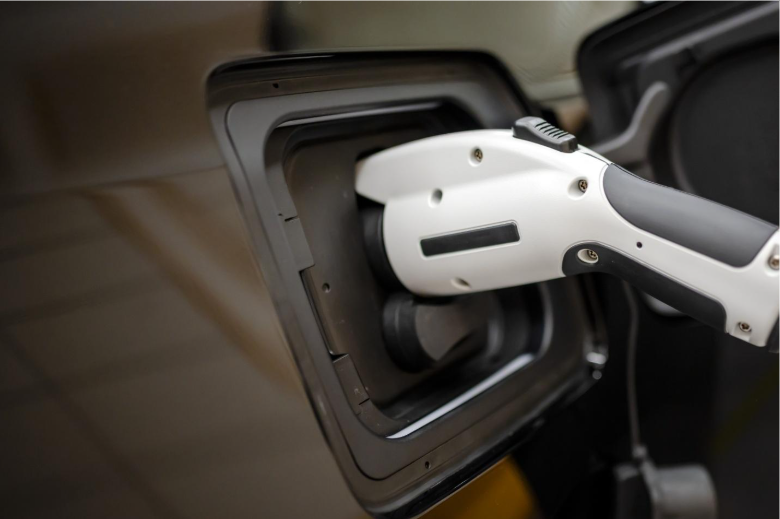
Key Takeaways About EV Charger Installation
- EV charger installation starts with an electrical assessment. A licensed electrician can evaluate panel capacity and the home's existing electrical loads before determining an appropriate charging setup.
- Level 2 chargers may be plug-connected or hardwired. The right option depends on the charging equipment, electrical system, location, and applicable code requirements.
- Circuit and breaker sizing must match the charging system. Charger output, wiring, overcurrent protection, and available electrical capacity need to work together.
- GFCI requirements can vary by installation. The connection method, equipment, and locally adopted electrical code can affect the protection required.
- Charger placement affects everyday convenience. Vehicle position, charging-port location, cable reach, walking paths, and exposure to vehicle traffic should be considered.
- Permits and inspections are part of the process. New Hanover County provides permitting and inspection requirements for residential EV charging projects in the Wilmington area.
- Professional planning helps avoid costly installation problems. Evaluating the electrical system before buying equipment can help homeowners choose a charger that fits their home and vehicle.
Introduction
EV charger installation at home involves much more than choosing a charger and finding a convenient spot on the garage wall. A Level 2 charger can place a substantial, sustained demand on a home's electrical system. The panel capacity, circuit design, charging equipment, location, and code requirements all need to work together.
For homeowners in Wilmington, NC, planning also includes local permitting and inspection requirements. Understanding the process before selecting equipment can help you ask better questions and avoid choosing a charger that doesn't suit your home's electrical system. A safe, dependable setup starts with careful planning for EV charger installation.
Start with Your Home's Electrical Capacity
Before deciding how powerful a Level 2 charger should be, an electrician needs to determine how much electrical capacity the home has available. The size of the electrical service is only one part of that evaluation. Existing loads from air conditioning, water heating, cooking equipment, and other major appliances also matter.
A load calculation helps determine how a new EV charging load fits into the home's electrical system. New Hanover County specifically directs residents planning EV charging to consult a licensed electrical contractor to assess panel capacity and load. Its residential permit checklist may also require an electrical one-line diagram or load calculation showing information such as panel size and the proposed new circuit.
Finding an open space in an electrical panel doesn't automatically mean the home has enough capacity for the desired charger. The electrical system needs sufficient capacity for the additional load. Depending on the property and equipment, an electrician may recommend a different charging configuration, load-management approach, or electrical upgrade.
This assessment is useful before buying charging equipment. It allows the charger choice to follow the capabilities of the home instead of forcing the electrical system to accommodate a charger selected first.
Outlet vs. Hardwired Level 2 EV Chargers
Level 2 home charging equipment can generally be plug-connected to a compatible receptacle or permanently connected through a hardwired installation. Both approaches can provide convenient home charging when properly designed and installed.
A plug-connected charger can offer flexibility because the charging unit isn't permanently wired into the circuit. However, that doesn't make an ordinary existing garage outlet suitable for Level 2 charging. The receptacle, branch circuit, electrical protection, and charging equipment all have to be appropriate for their intended use.
A hardwired charger eliminates the plug-and-receptacle connection between the branch circuit and charging equipment. This arrangement may suit homeowners who expect the charger to remain in one location. Some equipment or installation conditions may also call for a permanent connection.
The right choice depends on more than convenience. Charger specifications, circuit requirements, applicable electrical rules, location, and how the equipment will be used should all factor into the decision. A licensed electrician in Wilmington, NC can evaluate those conditions and the manufacturer's instructions before recommending either approach.
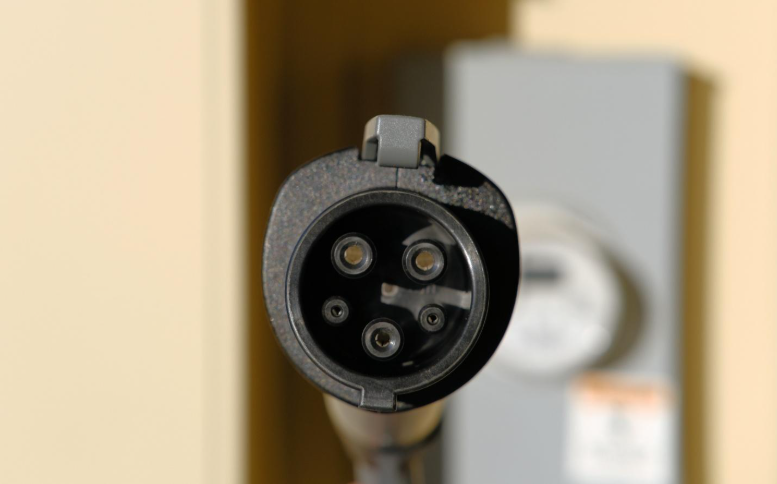
Photo from iStock - Credit: Neal McNeil
Why EV Charger Installation Needs the Right Circuit
A Level 2 charger represents a significant electrical load that may operate for hours at a time. Its supply circuit needs to be designed for the charging equipment rather than treated like a convenient place to plug in another household appliance.
New Hanover County’s residential EV charger checklist asks applicants to identify details such as the new breaker, conductor size, and GFCI or AFCI protection when applicable. The county also advises that EV charging equipment should be UL listed and properly sized for the circuit.
An existing garage receptacle should not be assumed suitable simply because the charger’s plug fits or an adapter is available. The condition and design of the entire circuit matter. Homeowners interested in the broader electrical infrastructure involved can also read our guide, “advanced electric vehicle support systems.”
Proper EV charger installation considers the charger and its electrical supply as a complete system. Circuit protection, wiring, connection method, panel capacity, and equipment requirements all need to work together.
Breaker Size and Charger Output Work Together
Charger output and circuit-breaker rating are related, but they aren't interchangeable. A charger's advertised amperage doesn't tell a homeowner everything needed to determine the electrical circuit that should supply it.
EV charging can operate as a continuous electrical load. NFPA materials for NEC Article 625 address overcurrent protection for circuits supplying EV charging equipment and the additional sizing considerations associated with continuous duty.
This means a homeowner shouldn't select a larger breaker simply because faster charging sounds appealing. The breaker protects the electrical circuit, and its rating must coordinate with the conductors, equipment, circuit design, and applicable electrical requirements.
Charging speed also isn't determined by the breaker alone. The vehicle has its own charging capabilities, and the charging equipment has output limits. The home's available electrical capacity can impose another practical limit.
For these reasons, breaker sizing is a design decision for a qualified electrical professional rather than a setting for homeowners to experiment with. The goal is a properly coordinated charging system, not simply the largest possible circuit.
GFCI Requirements Depend on the Charging Setup
Ground-fault circuit-interrupter protection, commonly called GFCI protection, is designed to protect people from certain electrical shock hazards. For more background on how this protection works, see our guide, “Understanding GFCI outlets: function and importance.” EV charging installations can have specific ground-fault protection requirements, so this protection matters when comparing connection methods.
NFPA materials addressing NEC Article 625 include ground-fault protection provisions for receptacles and outlets used for EV charging. These provisions have also changed between code cycles. Requirements for a specific home can depend on the connection method, equipment, and locally adopted electrical code.
Homeowners should not assume that protective features built into an EV charger satisfy every requirement for the branch circuit supplying it. Equipment listings, manufacturer instructions, and locally applicable electrical requirements all need to be considered.
This is another reason to choose between a receptacle and a hardwired charger during the electrical planning process. The connection method can affect how the installation needs to be designed and protected.
Choose a Location That Works with Your Vehicle
Electrical requirements aren't the only factors that determine where a charger belongs. A well-planned location should also make everyday charging convenient while protecting the equipment and cable from unnecessary damage.
Start by considering where the vehicle normally parks and where its charging port is located. Different EV models place their charging ports in different areas. A charger that's convenient for one vehicle may require an awkward cable route for another.
Equipment installed outdoors also needs to be suitable for the environment where it will operate. New Hanover County's EV charging guidance tells applicants to identify outdoor-rated equipment where applicable and to consider protection from vehicle traffic.
Future use can matter as well. A household may replace its current EV or add another electric vehicle later. While it's impossible to plan for every future vehicle, thoughtful placement can make the charging area more adaptable.
A convenient location reduces the need to stretch charging cables across the garage or driveway. That brings another often-overlooked part of installation planning into focus: cable management.
Don't Overlook Charging Cable Management
A charging cable is handled frequently, so its route deserves attention during charger placement. A poor location can leave excess cable across a walking area or place unnecessary strain on the connector.
The charger should be positioned so its cable can comfortably reach the vehicle's charging port without being stretched. When possible, cable storage should also keep the cord away from normal walking and driving paths.
Homeowners should use the storage and cable-management features intended for their charging equipment. Keeping the connector properly stored when it isn't attached to the vehicle can also help protect it from accidental impact and everyday garage activity.
Garage doors, storage areas, bicycles, tools, and vehicle movement are worth considering before the charger is mounted. Cable management may seem minor compared with electrical capacity, but it can have a major effect on how convenient the charging setup feels every day.
Permits and Inspections Matter in Wilmington
For Wilmington homeowners, permitting isn't an afterthought. New Hanover County states that most EV chargers require an electrical permit and provides a specific residential EV charger permitting process for Level 1 and Level 2 installations.
Residential submissions can require an electrical permit application, a plan or sketch showing the charger location, electrical information, and manufacturer documentation. Additional information may be necessary when the project includes an electrical service or panel upgrade.
New Hanover County identifies a rough inspection when wiring will be concealed and a final electrical inspection for residential EV charging projects. Additional inspection can be necessary when the work includes a service upgrade.
Within Wilmington, New Hanover County handles building permits and conducts electrical inspections and code compliance. Homeowners should confirm the requirements for their specific property and project before work begins, since scope and property conditions can affect the process.
An inspection provides an independent code-compliance checkpoint before the project is considered complete. Keeping permit and inspection records with other home documents can also create a useful record of the electrical work performed.
Common EV Charger Installation Mistakes to Avoid
A successful EV charger installation depends on decisions made before the charger goes on the wall. Electrical capacity, equipment requirements, charger location, and local inspection rules can all affect the final setup. Avoiding these common planning mistakes can help homeowners prepare for a safer, more practical charging system.
- Buying a charger before checking electrical capacity. A home's panel and existing electrical loads should be evaluated before choosing charging equipment. The highest-output charger isn't necessarily the right match for every home.
- Assuming an existing outlet is suitable. An available garage receptacle doesn't automatically mean it can support the intended Level 2 charger. The entire circuit and connection need to meet the equipment's requirements.
- Choosing a breaker based only on desired charging speed. Breaker sizing must coordinate with the charger, conductors, circuit design, and available electrical capacity. A larger breaker alone doesn't make a charging setup appropriate.
- Overlooking GFCI requirements. Required ground-fault protection can depend on the equipment, connection method, and applicable electrical code. These requirements should be evaluated as part of the installation plan.
- Picking an inconvenient charger location. A poorly positioned charger may leave the cable stretched across walking areas or unable to reach the vehicle comfortably. Parking position and charge-port location should influence placement.
- Forgetting about cable management. Charging cords should be easy to store and positioned to reduce trip hazards, accidental damage, and unnecessary strain on the connector.
- Ignoring manufacturer requirements. Charging equipment comes with specific installation and operating requirements. Those instructions need to be considered alongside applicable electrical codes.
- Skipping permits or inspections. Required permits and inspections provide important code-compliance checkpoints. Wilmington-area homeowners should confirm the applicable New Hanover County requirements before work begins.
- Assuming every home needs the same setup. Electrical systems, vehicles, charging needs, and available capacity vary. A professional assessment can help determine an appropriate EV charger installation for the individual property.
Plan EV Charger Installation Around Your Home
A reliable home charging setup starts with the home and vehicle, not with the charger's maximum output. Electrical capacity, load calculations, circuit requirements, breaker sizing, connection type, ground-fault protection, equipment location, and cable management all contribute to the final design.
For Wilmington homeowners, the process also includes understanding New Hanover County's permitting and inspection requirements. A licensed electrical contractor can assess the existing system, review the selected charging equipment, and determine what installation approach fits the home and applicable requirements.
If you're preparing to add Level 2 charging at home, arrange a professional electrical assessment before selecting the final equipment and installation configuration. Careful planning is the foundation of dependable home EV charger installation.