
Key Takeaways About a House Not Getting Enough Power
This topic explains why lights dim outlets feel weak and appliances struggle. Homeowners and property managers should act when dimming trips or smells appear.
- Identify when voltage drops occur under normal appliance loads.
- Prevent loose or corroded connections from causing heat and arcing.
- Avoid running multiple high draw appliances on one circuit.
- Spot sensory warnings like buzzing burning smells or hot panels.
- Reduce risk by documenting voltage readings and trip events.
- Plan a professional inspection with recorded tests if problems persist.
Introduction
When lights dim while the microwave runs or wall outlets feel weak, your house not getting enough power is a real problem. Those symptoms can mean wiring, panel, or service issues that affect daily life. Electrical shortages strain appliances and can make circuits trip frequently. Homeowners notice the problem as flicker, slow motors, and unexpected outages.
Insufficient power raises safety and reliability concerns that deserve attention right away. Overheating connections and overloaded breakers increase fire risk and can shorten appliance life. A clear look at symptoms helps decide whether a simple fix or a professional visit is needed. For households in Wilmington, NC and nearby areas, identifying the cause prevents escalation.
Signs often start small and grow over weeks or months before becoming obvious. You might hear humming from a panel or smell a faint burning near an outlet when demand increases. These sensory cues point to loose terminals, failing breakers, or inadequate service capacity. Tracking when and where problems occur gives useful clues.
Electrical problems rarely resolve themselves and can affect resale value and comfort in a home. Property managers and homeowners in Leland, NC should treat recurring dimming or frequent trips as a serious warning. A professional diagnosis uses voltage checks, load assessments, and panel inspections to confirm the cause. Acting on clear signs reduces risk and restores reliable power.
How House Not Getting Enough Power Happens Mechanically
How a house not getting enough power happens mechanically means faults in service, panel, wiring, or load distribution reduce available voltage. One common homeowner question is whether dimming lights mean low service voltage, and yes, they often do when load causes drop across connections. Voltage drop occurs when conductors carry heavy current and resistance at connections or long runs causes lower voltage at devices. Loose neutral or multi-wire branch circuit issues can shift voltage and make some circuits weak while others run normally.
- Loose service neutral increases voltage imbalance.
- Corroded equipment grounding raises resistance and heat.
- Undersized or damaged conductors cause voltage drop.
- Failing breakers lose contact and limit current flow.
- Shared neutrals can create unexpected voltage swings.
Mechanically, a loose terminal or corrosion raises resistance and drops voltage under load, producing dimming and weak outlets. A professional would measure voltage at the service entrance, panel bus, and load-side outlets to confirm where the drop appears. Technicians use a multimeter to record voltage under no-load and under typical appliance load to compare readings. They also inspect connections visually and with torque checks to find loose or overheated terminals.
Another mechanical cause is undersized service conductors that were adequate before but are now overloaded by modern appliance demands. For example, older 60-amp services installed decades ago may struggle with today's central air and multiple large appliances. An electrician will perform a load calculation and inspect service cable size, meter socket condition, and breaker ratings before recommending upgrades. Homeowners often notice appliances that slow, buzz, or trip breakers when multiple loads run together.
Panel layout and shared circuits can create apparant low power when a heavy load draws from a single phase or leg, leaving other circuits fine. In a common situation, a homeowner notices lights dim only when the air conditioner cycles and the electrician checks bus voltages and distribution balance next. Professionals may use an infrared camera to find hot spots on bus bars or connections that indicate resistance and power loss.
Common Electrical Panel Problems and When to Act
One frequent panel problem is loose or corroded connections that heat under load and reduce delivered voltage. Homeowners might notice intermittent power to outlets or a faint burning odor near the panel when loads change. A technician would open the panel, visually inspect terminals, and use a torque wrench and infrared camera to find hot spots. Confirming bad connections often requires voltage readings at the bus and at branch circuit terminals while under typical load.
Failing breakers can also mimic a house not getting enough power by limiting current to a circuit instead of tripping reliably. Symptoms include slow motor starts, repeated trips under modest loads, and unusual clicking noises from the panel. An electrician checks breaker contact resistance, swaps suspect breakers with known-good ones, and measures voltage drop across the breaker under load. Replacing worn or damaged breakers restores proper contact and clears one potential source of low power.
Panel overcrowding and poor circuit organization create heat and poor connections that worsen under heavy demand and can reduce usable capacity. Signs include doubled-up conductors under a single lug, unlabelled circuits, and space for improving load distribution. During an inspection, a professional will perform a load calculation, map branch circuits, and look for signs of overheating like discolored insulation or melted wire ends. If the panel lacks capacity, the recommended fixes range from reconfiguring circuits to installing a larger panel or subpanel.
Corroded service equipment and aged meters sometimes cause voltage loss before power reaches the panel and can make a house not getting enough power feel widespread. Visible green or white corrosion, loose meter connections, and water intrusion evidence point toward utility-side or service-entrance issues. A licensed electrician documents readings at the meter, service entrance, and main lugs, then shares findings in a written report and advises whether the utility should inspect their connection. Homeowners in Wilmington, NC and Leland, NC should keep records of symptoms and test results to speed any needed service discussions.
Aging Service Wiring Causes and What to Do
Older service wiring often uses cloth-insulated or undersized conductors that degrade and increase resistance over time. Homeowners may spot brittle insulation or charred sheathing near junctions during visible checks. A technician inspects the service conductors, meter base, and main lug connections to measure voltage drop and look for overheating. If readings show significant drop under load, replacing the service cable or upgrading conductor size becomes necessary.
Aluminum branch wiring and aluminum-to-copper transitions deserve attention because they can loosen and corrode at terminations. Loose terminations raise contact resistance and create heat that reduces delivered voltage to circuits and appliances. An electrician will perform torque checks on lugs and use a thermal camera to record hot spots before recommending repair or retermination. Properly executed repairs restore good contact and reduce the chance of future voltage loss.
Old neutral conductors present subtle but serious problems when they develop high resistance or intermittent connection. A failing neutral can cause uneven voltages between legs and make some circuits weak while others appear normal. Professionals trace neutrals, test continuity and load balance, and measure voltage at outlets relative to neutral and ground to confirm the issue. Repair options include reterminating the neutral, replacing the run, or upgrading the service conductor as needed.
When aging wiring reaches the end of useful life, safe upgrades follow targeted diagnostics and a clear plan of work. Expect an electrician to provide a written report with recorded voltage readings, thermal images, and recommended repairs or service upgrades.
Overloaded Circuits Symptoms and Immediate Steps
Overloaded circuits often produce repeated breaker trips during high-demand times when several appliances run together. You might hear a faint sizzling at an outlet or notice a warm cover plate during heavy use. Immediate checks include unplugging nonessential devices and switching off space heaters or extra chargers to reduce load. If trips stop after shedding load, the circuit likely exceeds its designed capacity and needs evaluation.
- Unplug extra devices on the affected circuit.
- Move major appliances to other circuits if possible.
- Reset the breaker only after it cools down.
- Note the time and what was running when it tripped.
Another symptom is lights that dim or flicker only when a specific circuit runs heavy loads, indicating localized overload rather than whole-house supply trouble. Check which outlets and fixtures share the circuit by turning breakers off one at a time and observing which devices lose power. Avoid running high-draw appliances together on the same breaker, and spread loads across separate circuits when practical. Labeling circuits during this process helps for future troubleshooting and safer use.
If outlets feel weak or devices charge slowly while breakers remain closed, measure the outlet voltage with a multimeter if you can do so safely. Record no-load and loaded voltages to see how much the voltage drops under normal appliance operation. A professional can perform the same checks, test breaker contact resistance, and inspect the branch wiring for undersized conductors or loose terminations. For homeowners in Wilmington, NC or properties in Leland, NC, keeping a brief log of voltage readings and trip events speeds diagnosis.
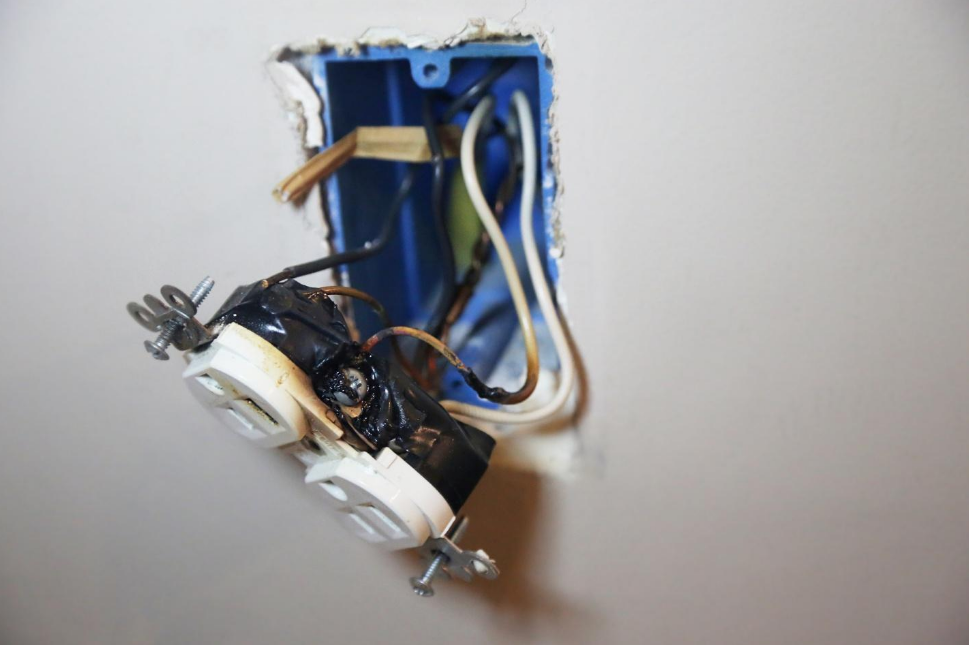
Photo from iStock - Credit: Kiyyah
Utility Supply Issues and When to Contact Provider
When problems trace back to the utility, the issue often shows as low voltage at the meter or intermittent service from the pole. A technician will take voltage readings at the meter socket and at the main lugs to confirm whether the supply falls below normal under load. If those readings show significant drop, the next step is to document times, loads, and symptoms before contacting the power company for an upstream inspection. Keep written notes and any test values to share with the provider so they can reproduce or prioritize the problem.
Visible signs of utility-side trouble include corroded meter hardware, water in the meter base, or repeated outages that affect multiple nearby circuits. If you notice arcing sounds at the meter or a burning odor there, stop touching equipment and call your utility immediately while staying a safe distance away. Utilities can check their transformer, neighborhood connections, and service fuse for faults that reduce delivered voltage to a home. An electrician can also coordinate with the utility after documenting safe voltages and connection conditions.
In some cases, the utility may need to adjust transformer tap settings or replace aged equipment to restore proper service voltage and capacity. Before scheduling that work, an electrician performs a load calculation and records voltage during typical high-demand times so the utility sees measured evidence. This collaboration prevents unnecessary in-home repairs when the root cause lives on the supply side and ensures the provider addresses capacity or equipment defects. Homeowners should expect the utility to respond when meter or transformer faults appear in documented tests.
If the provider confirms good upstream voltage but problems persist, a professional must inspect the meter base, service conductors, and main lugs for hidden faults. Technicians will look for loose terminations, corrosion, and contact resistance using a torque wrench, thermal imaging, and multimeter readings under load. After those checks, a written report with voltage traces and images helps the utility or contractor decide on repairs or upgrades.
Appliance Loads Affecting Home Power and Fixes
High-draw appliances like electric ranges, heat pumps, and clothes dryers can pull heavy current and reveal weak supply or poor connections. When those appliances run, you might notice lights dim or small motors stall briefly under load. A pro will check individual appliance breaker ratings against measured circuit current to see if the device draws more than the branch allows. If an appliance draws excessive current, options include dedicated circuits, upgraded branch wiring, or replacing a failing motor or control board.
Large appliances sometimes have internal faults that increase current draw without obvious outside signs such as a burning smell or unusual noise. Technicians use a clamp meter to record running amperage at the appliance and compare that to the nameplate rating and breaker capacity. If readings are consistently above normal, the next steps include inspecting appliance wiring, testing motor windings for continuity, and recommending repair or replacement. For properties where multiple heavy appliances run together, staggering cycles can reduce simultaneous demand and lessen voltage drop.
Shared circuits feeding multiple outlets or a mix of lighting and appliance loads often cause localized low-voltage symptoms during heavy use. An electrician traces which outlets and fixtures share the circuit, measures voltage at several points, and inspects connections in junction boxes and outlet terminals. Fixes can include reconfiguring loads to different circuits, installing a new dedicated circuit for a specific appliance, or re-terminating loose connections to restore full voltage under load. For Wilmington, NC homeowners, documenting which appliances coincide with dimming events helps technicians find the culprit faster.
Some fixes improve capacity without replacing appliances, such as adding a subpanel or balancing loads between service legs to reduce phase imbalance. A professional performs a load calculation and measures leg-to-leg voltages while appliances run to confirm imbalance or overload. If needed, they may recommend installing separate circuits or moving high-draw appliances to the opposite leg to balance service demand. Property managers in Leland, NC should keep records of appliance tests and voltage readings to support targeted electrical upgrades.
Safety Warning Signs Requiring Professional Evaluation
If you notice buzzing, crackling, or a persistent burning smell from outlets or the panel, stop using affected circuits and call a professional immediately. These sensory warnings often mean loose connections or arcing that can cause fires if left unchecked. A technician will isolate the circuit and perform visual and electrical tests to locate the fault. Do not attempt to tighten lugs or work inside the panel yourself.
- Buzzing or crackling sounds near outlets.
- Faint burning smells from receptacles or the panel.
- Repeated arcing or visible sparks when plugging devices.
- Breaker handles that feel hot to touch.
Frequent unexplained breaker trips that increase in number or frequency require professional evaluation rather than repeated resets. An electrician will log trip times and load conditions, then check breaker contact resistance and trip characteristics. They may swap or test breakers and perform circuit tracing to rule out hidden faults. Proper diagnosis prevents unsafe temporary fixes and reduces fire risk.
Visible damage such as charred insulation, melted outlets, or discolored panel components signals overheating and possible high-resistance joints that lower delivered power. A technician will use a thermal camera and multimeter to compare temperature and voltage readings under load. Written test results and photos help prioritize repair steps like reterminating conductors or replacing damaged devices. Acting quickly reduces equipment damage and restores safer, full-voltage delivery.
Intermittent full-house low voltage, combined with unexplained appliance failures or motor stalling, suggests service-entrance or neutral issues needing professional coordination with the utility. A pro documents voltage at the meter, main lugs, and panel under typical loads before advising on next steps. Homeowners in Wilmington, NC and property managers in Leland, NC should keep those records for any follow-up with the power provider. Timely professional diagnosis protects appliances and prevents escalation to more serious hazards.
When to Call Mister Sparky for Power Problems
If your home shows progressive symptoms that suggest a supply or service problem, schedule a professional inspection promptly. A technician will perform voltage under-load tests at the meter, main lugs, and branch circuits and record results. They will also document thermal images and physical evidence to support any needed repairs or coordination with the utility. Having those recorded readings speeds decision-making and prevents patchwork fixes that leave the underlying issue unresolved.
When troubleshooting reveals unclear origins or intermittent faults, expect a systematic diagnostic process rather than immediate replacement work. The electrician will map circuits, test breaker contact resistance, and measure current draw on suspect appliances with a clamp meter. If meter-side or service-entrance issues appear, the technician can provide a written report you can share with your power company. This documented approach clarifies responsibility and helps plan repairs or service upgrades efficiently.
Contact a trusted electrician in Wilmington, NC, if repeated trips, worsening dimming, or sensory warnings continue despite simple load adjustments and basic outlet checks. A professional will inspect junction boxes, reterminate loose connections, and check neutral continuity with a multimeter to isolate faults. They may recommend rebalancing loads between service legs or installing a subpanel to reduce localized overloads.
Property managers and owners in Leland, NC should schedule an inspection when problems affect multiple units or recur after temporary fixes. Technicians provide clear next steps, cost factors, and timelines based on measured voltage readings and observed damage. If work requires coordinating with the utility, the electrician will share findings and advise on safe interim actions. Booking a professional assessment gives you a documented path to restore full, reliable power and address underlying safety risks.