Key Takeaways About Home Energy Equipment
Home energy equipment refers to the electrical panels, wiring, motors, and controls that power a house and deliver comfort. This summary is for homeowners and property managers who need to spot problems before they cause safety or performance issues.
- Identify frequent breaker trips and warm panel covers as urgent signs.
- Prevent overloads by documenting high demand appliances and runtime.
- Avoid hidden losses by measuring voltage drop and phantom loads regularly.
- Spot unusual noises flicker or intermittent resets during heavy use.
- Reduce energy waste by repairing motors capacitors and restrictive airflow.
- Plan an electrical assessment when adding EV chargers or larger HVAC.
Introduction
Homes rely on a patchwork of electrical panels, breakers, meters, and appliances that age at different rates. When components become outdated or undersized they struggle to keep up with modern loads. That can mean frequent tripped breakers, higher bills, or dangerous overheating. Recognizing those early signs prevents small issues from turning into major failures.
Rising power demands from EV chargers, smart devices, and larger HVAC systems can expose weak points in wiring and panels. Older service panels and worn breakers were not designed for continuous high loads. Ignoring that mismatch increases fire risk and can shorten equipment life. Homeowners should pay attention to changes in how systems perform under load.
Efficiency matters as much as capacity because inefficient equipment wastes energy and raises monthly costs. Inefficiency shows up as longer run times, uneven heating or cooling, and unusual noises from motors or transformers. Those symptoms often point back to components like capacitors, contactors, or aging motors. Addressing them reduces bills and improves comfort.
In places like Wilmington, NC and Oak Island, NC seasonal use and humidity can reveal hidden electrical weaknesses. A professional electrical assessment measures load, inspects grounding, and tests breakers to confirm deficiencies. That inspection produces clear diagnostic readings and a written report to guide decisions. Acting on that information keeps systems safe and reliable.
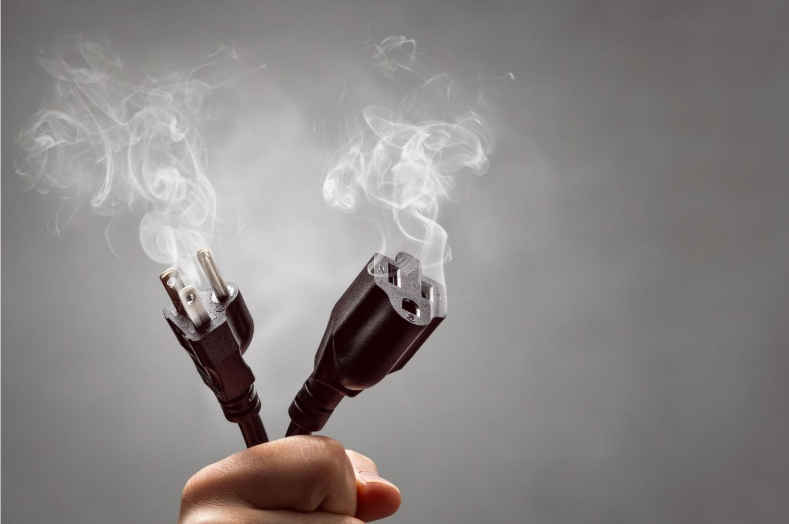
Photo from iStock - Credit: gchapel
How Aging Systems Lose Performance Over Time
Aging home energy equipment means components slowly lose capacity, responsiveness, and safety margins over time.
- Insulation on wires degrades
- Breakers can weaken and nuisance-trip
- Motors lose efficiency and torque
- Connections can corrode or loosen
Mechanical wear and electrical stress cause gradual performance loss that homeowners often miss until a failure happens.
Thermal cycling, vibration, and moisture shorten the life of parts like capacitors, contactors, and motor bearings more quickly than expected.
Homeowners often ask whether noisy or slow equipment signals the end of useful life, the answer depends on measured performance and safety checks.
A professional would inspect wiring, test breakers with voltage and load readings, and record results in a written report for next steps.
Signs Your Home Energy Equipment Is Overloaded
Frequent tripped breakers that happen only when certain appliances run often mean the electrical demand exceeds available capacity. You might notice the main breaker stays closed while individual breakers trip under load. A technician would perform a load calculation and use voltage and current readings to confirm which circuits are overloaded. That diagnosis reveals whether redistribution of loads or panel upgrades are needed to restore safe operation.
Warm or discolored covers on the service panel or outlet faceplates are classic overload clues you should not ignore. Heat often comes from loose connections or undersized conductors carrying more current than intended. An electrician inspects connections, checks torque on lug terminals, and takes infrared camera readings to find hot spots. Repairing bad connections or replacing worn components prevents damage and reduces fire risk.
Frequent nuisance trips from GFCI or AFCI devices suggest a problem beyond normal appliance startup currents. A pro will isolate the nuisance trips by testing the device, checking grounding, and performing continuity tests downstream. They may record voltage fluctuations or harmonics that indicate sensitive electronics or motor inrush currents causing trips. The written report from these tests helps you decide between targeted repairs and broader panel or circuit changes.
When you add an EV charger or a larger HVAC unit and lights dim or motors labor, that shows capacity limits in real time. Homeowners can see these symptoms when new equipment raises continuous load. A proper assessment includes a full load study, inspection of the service conductor size, and a review of breaker sizing and panel bus condition. Those inspection outputs guide safe upgrades so new equipment operates reliably without overloading existing systems.
Reduced Efficiency Explained: Why It Happens
Components lose efficiency when internal resistance rises or tolerances drift, causing more energy to convert to heat instead of useful work. Motors and transformers commonly show this as higher operating temperature and slower response under the same load. A technician would measure operating currents and compare them to manufacturer-rated values to quantify the loss. Those readings help decide whether cleaning, lubrication, or part replacement will restore expected performance.
Airflow and heat-transfer problems reduce system efficiency when filters, coils, or vents restrict movement, forcing fans and compressors to run longer. Simple checks include measuring static pressure in ductwork and inspecting evaporator coils for dirt buildup. Professionals may use an infrared camera and airflow meter to pinpoint blockages and temperature differentials across components. The collected measurements show whether cleaning or component replacement is the best next step.
Electrical losses increase when connections corrode or terminals loosen, creating voltage drops and wasted energy at contact points. An electrician would perform voltage drop tests and take torque readings on lug terminals to confirm poor connections. Infrared scans often reveal hot spots caused by increased resistance before visible damage appears. Repairing or replacing affected conductors and tightening lugs reduces losses and improves overall equipment efficiency.
Control components like capacitors, contactors, and thermostats lose accuracy or charge capacity, which forces systems to cycle more frequently and run inefficiently. Technicians test capacitors with a capacitance meter and check contactor contacts for pitting or welding. For thermostats, calibration checks and temperature differential measurements confirm control accuracy. Fixing or replacing these controls often reduces run time and lowers energy use for the whole system.
Strange Noises, Flickers and Unusual Behavior
Unusual sounds, flickering lights, and intermittent device resets often point to electrical stress or failing components in home energy equipment. A humming transformer, buzzing panel, or rattling motor signals vibration or loose parts that need inspection. Flicker when large loads start suggests voltage drop or weak connections rather than a problem with the appliance itself. If you notice appliances resetting or clocks losing time, that indicates brief voltage interruptions worth investigating.
- Buzzing near the panel often means loose lugs.
- Clicking relays may show failing contactors.
- Flicker at lights can indicate voltage fluctuation.
- Intermittent resets often mean unstable supply.
A professional diagnosis begins by reproducing the symptom and measuring conditions during the event using voltage and current meters. They check panel connections, perform a voltage-drop test, and watch for transient dips while an appliance cycles. Infrared scans help find hot spots that may not show visible damage but cause noise or flicker. The technician documents readings and recommends repairs based on those measured outputs.
Common component checks include tightening lug terminals, testing breakers for proper trip characteristics, and inspecting GFCI and AFCI operation under load. Technicians also test capacitors and contactors on motors that make unusual noises during startup. For properties in Oak Island, NC sudden storm-related surges can reveal weak surge protection or worn equipment. Homeowners in Wilmington, NC should note when noises or flicker correlate with specific appliances to help the inspector narrow the cause.
Increased Bills and When to Investigate
Unexpected increases in monthly energy bills often signal more than a rate change, they can indicate failing components in your home energy equipment. Track usage patterns for a few billing cycles to spot sudden jumps tied to seasons or new appliances. Compare meter readings at the start and end of known heavy-use days to find abnormal consumption spikes. If bills rise while household habits stay the same, consider a focused inspection to find hidden losses.
One common cause of higher bills is equipment running longer to achieve the same output, which points to degraded parts or restrictive airflow. Technicians check refrigerant charge, measure compressor and fan motor currents, and record runtime to quantify reduced performance. They may also perform a voltage drop and current balance on multi-phase equipment to find electrical inefficiencies. The inspection results guide whether repairs or component replacements will lower energy use.
Another issue is phantom loads from electronics and poorly performing controls that draw continuous power when idle, quietly raising your total consumption each month. An electrician uses clamp meters and smart plugs to measure standby currents and identifies devices that contribute most to phantom load. Replacing inefficient controls, adding timers, or consolidating loads can reduce these hidden drains on your system.
At times, higher bills come from undersized service capacity that forces equipment to operate near limits, increasing energy waste and wear. A professional load calculation and panel inspection reveal whether the service conductor, breakers, or bus are contributing to poor performance. The technician records voltage and current readings and produces a written report with recommended upgrades and expected energy savings.
Upgrading Options for Improved Energy Efficiency
Start by prioritizing equipment that delivers the biggest efficiency gains for the budget, such as replacing old motors or inefficient HVAC compressors. A professional will compare measured performance to modern baseline efficiency ratings and recommend options with documented improvements. Upgrades can include higher-efficiency motors, modern contactors, and properly sized capacitors that reduce run time and electrical losses. These component changes often restore performance without requiring full system replacement.
Consider targeted panel and circuit upgrades when repeated voltage drop or load imbalance appears during peak use. An electrician may add subpanels, replace worn breakers, or rebalance loads after recording current and voltage with clamp meters. Upgrading service conductors or installing larger breakers can prevent persistent dimming and allow new equipment to run safely. Documentation from the inspection helps plan phased upgrades to control cost and disruption.
Switching to smarter controls and better surge protection reduces phantom loads and protects sensitive electronics from transient events. Professionals install programmable thermostats, load-shedding relays, and hardwired surge protectors after checking compatibility with existing wiring and controls. Smart controls let you set schedules and observe runtime to optimize energy use based on real measurements. For homeowners in Wilmington, NC adding these controls often yields quick payback by cutting idle energy draw.
When replacing major equipment, choose units sized for actual measured loads rather than nameplate assumptions to avoid oversizing or undersizing. A qualified technician performs a load calculation and inspects service capacity while recording readings and producing a written recommendation. In coastal homes in Oak Island, NC selecting appropriately rated equipment and corrosion-resistant components helps maintain efficiency over time. These steps focus upgrades on measurable outcomes and documented performance improvements.
When to Call a Professional Home Energy Service
Call a licensed electrician in Wilmington, NC when you observe persistent safety concerns or when work will affect the service panel or grounding. A professional confirms hazards with voltage readings, torque checks, and an infrared scan. They will produce a written report showing measured results and recommended repairs or upgrades. Scheduling an assessment avoids guesswork and clarifies whether repairs or a service upgrade is necessary.
- When breakers trip frequently under normal use.
- When outlets or switches feel warm to the touch.
- When appliances reset or lose power intermittently.
- When adding major new equipment to the electrical service.
Call for an electrical assessment before installing high-demand equipment so load calculations can guide the work. A technician measures current draw, inspects conductor size, and checks breaker capacity during the assessment. They may recommend panel changes, subpanels, or circuit reconfiguration based on those measurements. This step reduces the chance of nuisance trips or unsafe loading after new equipment connects.
If you smell burning, hear buzzing near the panel, or see discoloration, contact a pro immediately for a safety inspection. The inspector will test GFCI and AFCI function and perform continuity tests downstream of suspect circuits. They document faults and suggest prioritized repairs to restore safe operation
Preparing Your Home for Equipment Replacement
Clear the immediate work area around the panel and major equipment to give technicians safe access and room to set tools. Move furniture, store boxes away from breaker cabinets, and ensure the path from the driveway to the service entry is unobstructed. Label any circuits you know like HVAC or range to speed the electrician's verification steps during the swap. Leave a small lamp or fan plugged into critical circuits so the tech can simulate loads when needed.
Photograph existing wiring layouts, meter labels, and nameplates on equipment to preserve configuration details for comparison after replacement. These photos help professionals confirm conductor routing and existing grounding before they disconnect anything. Keep a clear list of high-demand items such as EV chargers, heat pumps, or workshop equipment to share during the pre-work load review. Providing this list reduces guesswork and helps the contractor plan upgrades that match your actual use.
Prepare a temporary power plan for sensitive electronics and refrigerators to avoid data loss or food spoilage during work that requires shutting off circuits. Back up computers and unplug surge-protected equipment before the crew begins to protect devices from transient events. Ask the electrician whether they will use lockout-tagout procedures and request an estimated outage window to schedule appliance downtime. For properties in Oak Island, NC consider moving time-sensitive items to a protected area if an extended outage is possible.
Clear communication with the crew reduces delays and unexpected costs during replacement projects. Point out access issues, pets, and preferred parking spots so the team can work without interruptions. Request that the technician document final voltage and current readings and provide a written report showing the new configuration. Homeowners in Wilmington, NC should keep that report with other maintenance records for future reference and warranty needs.