

Key Takeaways About Power Reliability Concerns
Power reliability concerns refers to factors that make home electrical service unpredictable like storms corrosion and temporary utility switching. This summary is for homeowners and property managers who need practical steps before and after outages.
- Identify visible signs such as scorch marks buzzing or frequent trips.
- Prevent corrosion by inspecting seals and exterior service hardware regularly.
- Avoid using damaged circuits and contact a licensed electrician quickly.
- Spot transient interruptions by logging times and appliance behavior.
- Reduce damage risk by staging heavy appliances during recovery periods.
- Plan an outage kit and label breakers for faster safe responses.
Introduction
Power reliability concerns are a real problem for homeowners on the coast where storms and salt air can stress electrical systems. Outages and flickering power affect safety, food storage, and daily routines. Damaged utility infrastructure and short-term interruptions make home systems less predictable. For residents, these issues can escalate quickly during severe weather in North Carolina.
Unstable power does more than cause inconvenience every time a breaker trips or a surge occurs there is risk to electronics. Repeated voltage swings can shorten appliance life and harm sensitive equipment. Visible signs often precede larger failures and deserve attention from a professional.
Homeowners often notice warning signs such as frequent breaker trips, buzzing outlets, or lights that dim when appliances start. Strange smells near panels or scorch marks on receptacles indicate higher risk and need inspection. Small symptoms can point to failing components in the service panel, grounding, or wiring. Acting early reduces the chance of extended outages and costly damage.
A clear plan for noticing problems and calling a qualified electrician matters more than guessing about causes. A professional inspection looks at the service panel, grounding conductor, circuit breakers, and visible wiring for hazards. Technicians use voltage readings and visual checks to confirm issues and recommend fixes. Preparing ahead helps protect your home and minimizes disruption when the next outage happens.
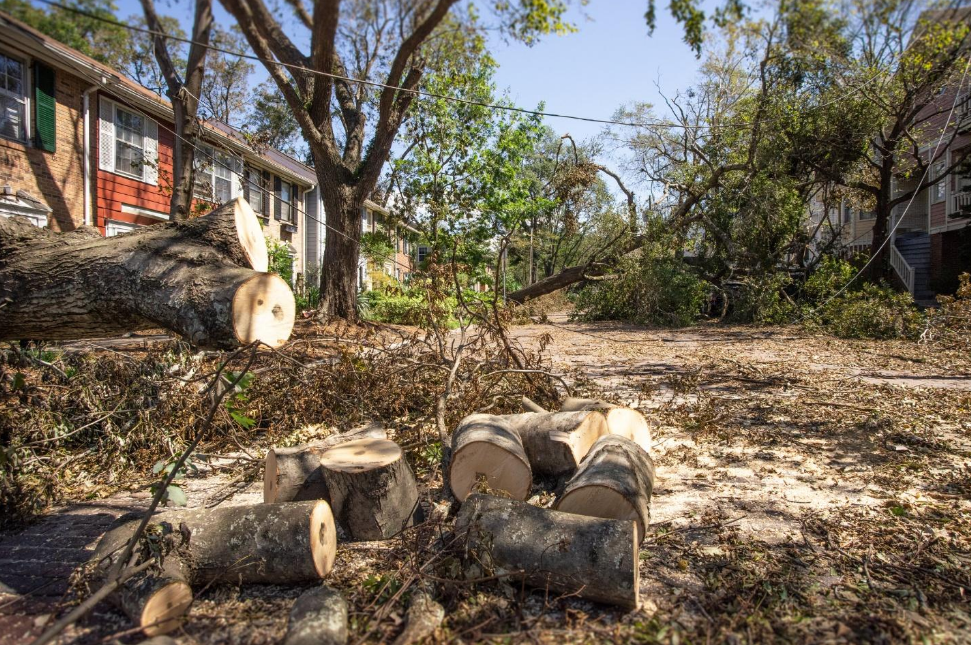
Photo from iStock - Credit: Darwin Brandis
How Storms Cause Power Reliability Concerns
- How North Carolina storms cause power reliability concerns involves wind, falling debris, and salt-driven corrosion that damage overhead lines and connections.
- High winds can topple trees onto power lines.
- Salt air accelerates metal corrosion at connections.
- Flooding can undermine pole foundations.
Wind-driven branches and loose tree limbs often create immediate outages by snapping conductors or shorting phases. Homeowners commonly ask why lights flicker during gusts, loose or arcing connections near the home often cause that symptom. A visible sparking sound near the service drop or panel warrants professional attention because it can indicate a serious connection fault.
Heavy rain and coastal humidity can corrode service clamps, meter bases, and junction boxes over time and cause intermittent faults. Salt contamination speeds that process on exterior components, so inspection of exposed lugs and grounding points is important after storms. In Wrightsville Beach, NC salt and moisture make these corrosion risks more common on seaside properties.
To confirm storm-related damage a pro will inspect the service head, meter base, overhead drop, and panel for loose connections and burnt areas. They will take voltage readings, check continuity, and look for melted insulation or arc marks on breakers and wiring.
Damaged Utility Infrastructure and Failure Modes
Utility equipment ages and fails in predictable ways that affect service reliability. Corroded connectors at the meter base can create high-resistance joints and cause intermittent voltage drops. Insulators on crossarms or transformers may crack, letting moisture bridge conductors and create short circuits. A technician looks for melted insulation, discoloration, and loose hardware during a visual inspection.
Failure modes often start small and produce specific symptoms homeowners can notice before an outage. Repeated small surges can wear down motors and electronics, and loose neutral connections cause lights to fluctuate between bright and dim. Field crews use voltage readings and infrared camera scans to find hot spots on connections and breakers. Confirming a failing neutral requires checking voltages under load and testing continuity to the grounding conductor.
Service equipment damage sometimes appears at the pole, on the service drop, or inside the meter enclosure. Broken conductors or damaged fuses on the utility side lead to open circuits or partial phase loss affecting multi-wire houses. During an inspection, a professional documents readings and photos to show evidence of arcing or burning at the junction box. For homeowners in Wrightsville Beach, NC, coastal corrosion makes threaded connections and exposed lugs especially important to check.
Identifying the cause determines whether the utility or a licensed electrician should act next. Utilities handle failures on their lines or poles, while issues inside the meter or panel require a qualified electrician to replace components. A common diagnostic sequence includes a visual check, voltage and continuity measurements, and a written report of findings. Nearby grid problems sometimes affect multiple properties in Wilmington, NC and help technicians prioritize repairs.
Temporary Service Interruptions and Local Factors
Temporary interruptions often come from localized switching by the utility during maintenance or to isolate a fault, causing short outages that restore quickly. These events can follow transformer recloser operations that cycle power off and on to clear transient faults without full repairs. Homeowners may notice lights blink or a brief silence in HVAC compressors during those cycles, which can repeat until the utility secures the line. A pro can confirm this pattern by measuring voltage before and after a reported interruption to record transient behavior.
Street-level equipment and neighborhood load shifts also trigger short outages when crews redirect feeders to balance demand or repair equipment elsewhere. During high-demand periods, automatic protective devices can open to prevent more serious failures, producing momentary loss of service. An electrician diagnosing repetitive short interruptions will check the main breaker, perform load calculations, and inspect the meter socket for loose connections. They may also document voltage dips with a portable logging meter to provide evidence for the utility.
Localized animal contact and debris on overhead hardware remain common sources of brief outages that utilities often clear quickly, but homeowners feel the impact nonetheless. Visible burn marks at an exterior junction or smelling ozone near the meter can indicate arcing that caused the interruption. A professional will visually inspect service conductors, test continuity, and look for loose lugs or damaged insulation before recommending repairs or a written report for the utility. For properties in Wrightsville Beach, NC, inspecting exterior clamps and seals after such events helps detect early corrosion that invites recurrence.
Temporary interruptions can also arise from internal faults that only appear under specific loads, such as when a water heater or pump cycles. A technician diagnosing this will perform a simple load test, monitor circuit breaker behavior, and take voltage readings during appliance startup. If readings show a large voltage drop or a tripping pattern, further panel or wiring work may be necessary to prevent repeated outages. Homeowners concerned about recurring short interruptions should schedule an inspection with a licensed electrician in Wilmington, NC who can produce a written diagnosis and repair plan for submission to the utility or for internal fixes.
Warning Signs Homeowners May Notice at Home
You might notice appliances acting differently in specific rooms, such as slower motor starts or dimmer lights under load. These symptoms sometimes point to a weakened neutral or shared multi-wire branch issues needing inspection. A professional will compare voltage readings on affected circuits during appliance startup to confirm a wiring or panel problem. Keep a simple log of times and appliances involved to help the electrician diagnose intermittent faults efficiently.
- Frequent breaker trips on one circuit.
- Buzzing or warm outlets when in use.
- Lights that change color or flicker with loads.
- Scorch marks or discolored receptacles.
- Unusual smells near the panel.
Odd noises from the service panel, like buzzing or popping, often indicate loose connections or overloaded breakers that need attention. An electrician will open the panel, look for loose lugs, and take infrared or voltage spot checks to locate hot spots. They may also perform a continuity test on the neutral and grounding conductor to rule out intermittent contact. Documented readings and photos can support further utility action if the fault lies outside your meter.
GFCI or AFCI devices that trip without a clear cause suggest ground faults or shared neutrals creating unsafe conditions. Technicians isolate circuits and use a continuity tester or clamp meter to pinpoint the fault path during diagnosis. Repeated nuisance trips merit replacement or a deeper wiring inspection to prevent unpredictable outages. Homeowners should note which outlets or appliances trigger trips to speed the troubleshooting process.
Small but consistent voltage dips when large appliances start indicate weak service connections or undersized feeders for modern loads. An electrician will run a simple load test, measure voltage under startup and steady-state, and check breaker sizing against expected appliance draw. If readings show excessive drop, upgrades to conductor size or tightening service connections may be needed.
When to Call a Professional for Power Reliability Concerns
If a problem produces sparks, burning smells, or visible heat at the panel, call a licensed electrician immediately for safety. These signs can indicate arcing, loose lugs, or overloaded components that pose fire risk. A professional will cut power, inspect connections, and use voltage readings to confirm hazards before repairs. Do not try to tighten service lugs or access the meter yourself because that work may be on the utility side.
When outages or severe flickering repeat after North Carolina storms, schedule a diagnostic visit to track intermittent faults and collect evidence for the utility. A technician will log voltage under load, photograph damaged components, and perform continuity tests on neutrals and grounding conductors. That documentation helps determine whether the fault sits on the customer side or requires utility action. Bringing your log of events and times speeds diagnosis and improves repair accuracy.
If multiple circuits trip together or neutral-related voltage swings appear, contact a professional to prevent equipment damage and unsafe shocks. The electrician will inspect the service panel, test breakers with a voltage meter, and check shared multi-wire branch circuits for correct tying. They may also perform an insulation resistance check or a simple load test to reproduce the fault safely.
Call a technician when exterior service hardware shows corrosion, moisture intrusion, or loose seals that let salt air reach connections near the meter or service head. A pro will visually examine the meter base, test for high-resistance joints with voltage drop readings, and recommend repairs or replacement if needed. If problems trace to the utility's lines or poles, the electrician can prepare a written report for them.
Simple Preparations to Reduce Outage Impact
Start by assembling a simple outage kit with water, nonperishable food, flashlights, and fresh batteries kept in an easy-to-reach spot. Include a battery-powered radio and spare phone chargers to maintain communication during extended interruptions. Store a basic tool kit and glow sticks for safe movement when lights fail. Review the kit quarterly to replace expired items and test battery-operated devices.
Label critical circuit breakers inside your panel so family members can safely isolate loads during an outage or unusual behavior. Keep a written list of high-priority circuits like refrigerator, sump pump, and HVAC to reduce food loss and property damage. Place contact numbers for your utility and a licensed electrician near the panel for quick reference. Teach household members how to shut off individual breakers without touching wiring or meter components.
Take photos of your main electrical panel, meter, and exterior service points for insurance and repair documentation after an event. A technician can use those images to compare pre- and post-event conditions and speed diagnostic work. Keep copies of appliance manuals and recent service records with the photos to show expected loads and past repairs. Store digital backups in the cloud and a printed set in your outage kit for redundancy.
Create a simple power-priority plan listing which appliances to run and when to stagger heavy loads during recovery or limited service conditions. This helps prevent nuisance trips and reduces risk to older wiring by avoiding simultaneous startups of multiple large motors. Share the plan with anyone who may house-sit or manage the property while you are away. Review and update the plan after any panel upgrades or major appliance changes.
Safe Practices During and After Power Outages
During an outage, treat any downed lines as energized and stay well away until utility crews confirm safety. Keep children and pets out of areas with fallen wires and avoid standing water where electrical paths might exist. If you smell burning inside the house after power returns, turn off the main breaker and call a licensed electrician to inspect the panel and wiring. Document any damage with photos for insurance and repair records before beginning cleanup tasks.
- Turn off sensitive electronics at surge-protected strips.
- Unplug major appliances if voltage seems unstable.
- Use battery-powered lights rather than candles for safety.
- Keep refrigerators and freezers closed to preserve food.
After power returns, avoid immediately reconnecting all high-load appliances to prevent nuisance trips and damage to older wiring. Reintroduce large motors one at a time, waiting a few minutes between each to reduce inrush current and detect abnormal sounds. If breakers trip repeatedly, record the sequence and times, then schedule a diagnostic visit with a licensed electrician for troubleshooting. Technicians will perform voltage checks, inspect the service panel, and run load tests to confirm safe operation.
If you notice hot breakers, scorch marks, or burning smells after restoration, shut off the main and contact a professional immediately as these signs suggest arcing. An electrician will inspect the grounding conductor, circuit breakers, and meter base, and may use a voltage meter and infrared camera to find hot spots. For resident concerns in Wrightsville Beach, NC, document the issue for both your electrician and the utility if outdoor hardware also looks compromised.
Long Term Steps to Improve Local Power Reliability
Plan upgrades that reduce long-term outages by focusing on system redundancy and durable components. Consider replacing aged service conductors and improving grounding conductor connections to lower failure risk. A licensed electrician can evaluate breaker capacity and recommend balanced load distribution across phases to prevent overloads. Ask for a written assessment showing measured voltage drops and suggested conductor sizes for future work.
Improve outdoor hardware protection by choosing weather-rated enclosures and corrosion-resistant fasteners where components sit exposed. Seal junction boxes and use marine-grade clamps to limit salt intrusion that accelerates degradation. A professional will inspect meter seals, test for high-resistance joints, and record infrared readings to locate hot spots before they fail. This documented evidence helps prioritize repairs that reduce future interruptions.
Work with your utility and neighborhood associations to support tree-trimming cycles and harder-to-access feeder maintenance that limit storm damage. Provide documented outage patterns and technician reports to help utilities identify chronic trouble spots needing infrastructure attention. An electrician can prepare a short report with voltage logs, photos, and fault descriptions for submission.
Invest in targeted panel and circuit upgrades to match today’s appliance loads and prevent nuisance trips during high demand. Replace aging breakers with modern devices and consider AFCI or GFCI protection where code and safety improvements make sense. A technician will run load calculations, measure startup current with a clamp meter, and recommend circuit reconfiguration when readings show excessive inrush. Keep the electrician’s written recommendations for future reference and for utility coordination in Wilmington, NC.