
Key Takeaways About Power Outage Preparedness
Power outage preparedness means planning steps to keep people safe and protect electrical equipment during storms. This guide helps homeowners and caretakers prepare before severe weather when outages are likely.
- Identify critical circuits and label them for quick access.
- Prevent surge damage with panel or point of use protection.
- Avoid dangerous backfeed by using a transfer switch with generator.
- Spot warning signs like buzzing panels or repeated breaker trips.
- Reduce outage risk by trimming trees and securing outdoor equipment.
- Plan roles and checklists so family members act quickly and safely.
Introduction
When severe weather approaches, losing power can turn common home tasks into safety risks and stress. Outages can interrupt medical devices, sump pumps, and refrigeration that keep food safe. Flickering lights or a sudden silence in appliances are early signs of trouble worth preparing for. Homeowners who wait until the storm arrives often face harder choices and more damage.
Protecting essential electrical equipment matters because replacements and spoiled contents cost time and money. Sensitive electronics like routers and refrigerators respond poorly to surges when power returns. Proper preparation reduces the chance of electrical fires and equipment failure after restoration. Families with members who rely on powered medical equipment need a clear plan before outages begin.
Backup power planning helps a household maintain critical functions while avoiding unsafe actions during a blackout. A good plan balances what must stay powered with what can wait until power returns. Planning also helps when utility crews make staggered repairs and neighborhoods experience different restoration times. Preparing ahead prevents risky improvisation during stressful conditions.
Local conditions can affect how quickly power returns, so homeowners should review risks specific to Wilmington, NC, and Rocky Point, NC before storms. Visible damage, strange smells, or repeated breaker trips are signs that need professional attention. A qualified electrician can inspect panels, grounding conductors, and GFCI protection to confirm readiness. Taking these steps ahead of severe weather reduces harm and speeds recovery after the storm passes.
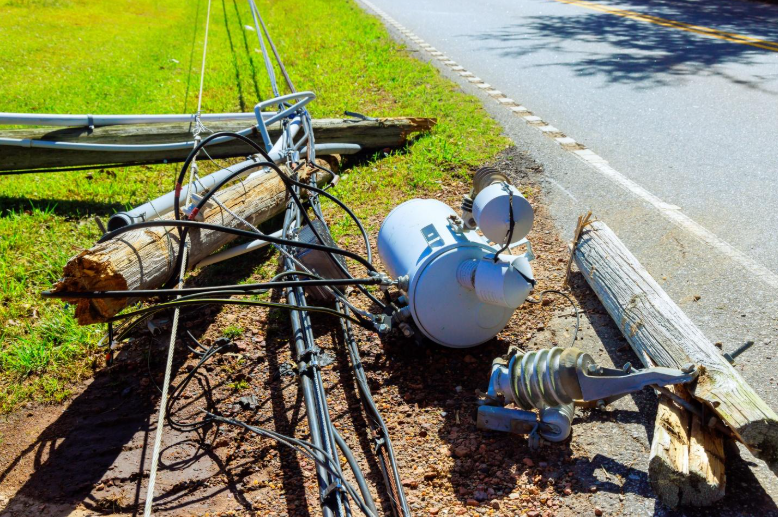
Photo from iStock - Credit: photovs
Understanding Why Power Outages Happen and Risks
Understanding why power outages happen involves identifying common causes and the risks they create for a household.
- Fallen trees can sever overhead lines.
- Flooding can damage underground equipment.
- Lightning can cause transformer failures.
- Equipment overloads can trip breakers or substations.
Storms often damage distribution equipment and cut service to many homes at once, creating safety risks inside houses. A common homeowner question is how outages threaten safety, the answer is that loss of lighting, refrigeration, and medical devices raises immediate hazards. Inspect visible service entrances and meter bases for loose parts after a wind event but avoid touching damaged components. If you smell burning or see damaged insulation, contact a professional electrician without delay.
Outages can also cause electrical surges when power returns, which can harm electronics and appliances. Use surge protection on critical circuits and unplug sensitive devices when a storm approaches to reduce damage. A professional would diagnose vulnerability by checking the service panel, grounding conductor, and AFCI or GFCI protection during an inspection. They may record voltage readings and provide a written report showing weak points and recommended fixes.
For properties in Rocky Point, NC, and Wilmington, NC, local conditions can affect how quickly utility repairs arrive and how long hazards persist. Homeowners should note observable cues like repeated breaker trips or buzzing from outlets to prioritize repairs. A clear list of most-at-risk systems helps plan mitigation and backup power decisions later in the article. If you need help assessing risks, schedule a safety inspection with a licensed electrician to confirm vulnerabilities and next steps.
Recognizing Early Warning Signs Before Loss
Watch for gradual changes in power behavior that often precede a full outage, such as repeated dimming during appliance starts. Notice unusual sounds from the service panel, like buzzing or arcing, which indicate loose connections or overloaded circuits. If smoke or the smell of burning plastic appears, stop using affected circuits and contact a professional immediately. Homeowners in Wilmington, NC should note timing and frequency of these symptoms to help technicians diagnose the cause faster.
Pay attention to specific appliance behavior that signals electrical stress, such as refrigerators cycling more often or lights flickering only on certain breakers. Test GFCI outlets and note any that fail to reset, since they protect wet-area circuits and can indicate wiring problems. A professional would inspect the panel, use a voltage reading and continuity tests, and check grounding conductors to confirm the source. For properties in Rocky Point, NC, documenting which systems act up first helps prioritize repairs before storms arrive.
Look for signs at outlets and cords like warmth, scorch marks, or loose plugs, which point to poor contact or overloaded circuits and raise fire risk. Record when these issues occur and what devices were running, so a technician can reproduce conditions safely during inspection. Diagnostic steps include checking breaker trip histories, measuring voltage under load, and examining junction boxes for loose connections. Keep photos and notes to share with an electrician during the service call.
Recognize patterns that suggest broader distribution problems rather than a single appliance fault, such as multiple homes on the same block losing power intermittently. Note whether surges appear only when large devices start, which may indicate a need for a load calculation at the service panel. A professional would perform a load calculation and inspect AFCI protection to recommend circuit upgrades if needed. If you see repeated breaker trips or hear persistent buzzing, schedule an inspection promptly to reduce outage risk.
Assessing Household Electrical Vulnerabilities and Priorities
Start by listing circuits and appliances that must keep running during an outage, prioritizing safety and health needs first. Include lighting for exits, sump pump connections, refrigeration for medicines, and any powered medical devices. Note the breaker number or label for each circuit to make activation and troubleshooting easier during a storm. A clear inventory helps decide which circuits need surge protection or dedicated attention from an electrician.
Inspect visible equipment for wear or risky setups that increase outage likelihood, such as overloaded multi-plug adapters or extension cord clusters. Check the service panel cover for scorch marks, loose screws, or breakers that do not stay engaged, and record those observations. A professional would confirm these findings using a voltage reading and continuity tests at the panel and junction boxes. Those measurements help determine whether breakers, grounding conductors, or AFCI/GFCI protection require repair or replacement.
Assess devices sensitive to surges and plan protection by circuit or device priority rather than protecting everything at once. Identify routers, smart-home hubs, refrigerators, and HVAC controls as high-priority items for surge suppression or dedicated circuits. During an inspection a technician may use an infrared camera to spot hot connections and measure voltage under load to confirm weak points. Those diagnostics provide a written report with prioritized repairs homeowners can schedule before a storm.
Estimate how long you could safely be without power and which systems would fail first to set realistic backup goals for your home. Include checks on battery backups for smoke detectors, backup power for medical equipment, and emergency lighting locations. For homeowners, document which circuits control sump pumps and well equipment to avoid flood risks. Use these priorities to guide emergency purchases and any electrician consultations you schedule.
Power Outage Preparedness for Essential Equipment
Identify critical equipment connections and label where each device plugs into the service panel or a dedicated outlet for quick isolation. Include specific items like the refrigerator circuit, sump pump breaker, and any circuit feeding medical devices. A professional would inspect those labeled circuits with a voltage reading and continuity test during a pre-storm visit. Keep photos of labels and the panel interior to share with an electrician if issues arise later.
- Document which breaker controls the sump pump.
- Note the refrigerator and freezer circuit number.
- Label outlets used by medical equipment.
- Mark the HVAC control circuit for reference.
Protect sensitive electronics by using surge protection at the circuit or point-of-use where practical and appropriate for the device. For network equipment and modems, move devices off shared power strips and onto protected outlets to limit surge exposure. During an inspection, a technician may check for proper grounding conductor connections and confirm surge protective device compatibility. If grounding is poor, corrective work reduces the chance of surge damage when service is restored.
Plan simple, safe shutdown steps for each essential system to prevent damage during sudden outages or wet conditions near electrical equipment. For example, turn off nonessential breakers before a storm to reduce startup load when power returns and avoid tripping. A professional would verify load distribution by performing a load calculation and checking circuit breaker ratings during a diagnostic visit. Keep a short written checklist near the main panel to guide household members during an outage.
Planning Backup Power Options and Safety Checks
Decide which backup power sources fit your needs and budget, focusing on whole-house transfer switches and fixed wiring options. Have an electrician inspect the service panel and recommend a transfer switch compatible with your meter and main breaker. The professional will perform a load calculation and check grounding conductors to size the switch and identify required panel upgrades. Expect the electrician to provide written recommendations and a scope of work before any installation begins.
Arrange safe wiring pathways and dedicated circuits for prioritized loads like medical equipment and sump pumps to reduce overload risk during use. A licensed electrician will verify circuit breaker ratings and separate critical loads onto their own breakers with proper labeling. They will also test GFCI and AFCI protection on affected circuits to ensure shutdown under fault conditions. Documented test results and photos help you track completed safety checks for future storms.
Include battery-based uninterruptible power supplies for sensitive electronics and for short-duration support of communication equipment during outages. During inspection, a technician will measure voltage stability and assess the UPS capacity needed for routers and medical devices under load. Ensure UPS units connect to properly grounded outlets on dedicated circuits to limit surge and backfeed risks. Store manufacturer manuals and warranty information where you can access them during an emergency.
Plan clear safety checks before activating any backup source to prevent backfeed into utility lines that can harm crews and equipment. A professional will confirm transfer switch settings and verify that the meter base disconnect prevents utility backfeed when backup power is engaged. Test the system under controlled conditions and record voltage readings and run times for critical loads so you know realistic operating limits. If you smell burning, hear unusual sounds, or see tripped breakers during testing, stop and call a qualified electrician immediately.
Preventive Measures to Reduce Outage Likelihood
Trim trees and remove loose debris from around overhead service lines to reduce the chance of contact during high winds. Secure outdoor meter enclosures and inspect visible conduit for loose fittings that vibrate during storms. A licensed electrician can tighten service entrance hardware and verify the grounding conductor remains properly connected. These steps lower the risk of service interruptions caused by mechanical damage.
Upgrade aging breakers and replace corrosioned lugs in the service panel to prevent heat-related failures under stress. Have a professional perform an infrared scan to spot hot connections that point to high-resistance joints needing repair. Replacing worn breakers and tightening panel connections reduces nuisance trips and the likelihood of outage from internal faults. Keep records of repair photos and test readings for future reference.
Improve surge protection at the service panel level and verify device compatibility with your home grounding system to limit damage from system disturbances. Ask an electrician to measure grounding resistance and confirm surge protective devices are installed according to accepted practice. Proper panel-mounted protection reduces damage when utilities switch loads or a nearby transformer fails. This work helps protect sensitive equipment and shortens recovery time after restoration.
Inspect outdoor-rated junction boxes, conduit seals, and GFCI devices to stop moisture intrusion that can cause short circuits during heavy rain. Replace cracked outlet covers and install weatherproof enclosures for exterior disconnects to keep water away from live parts. For properties in Wilmington, NC and Rocky Point, NC, check sump pump wiring and well circuit terminations for corrosion before storm season. If you see melting insulation, persistent arcing, or frequent trips, contact a qualified electrician to diagnose and repair the issue promptly.
When to Call a Professional Electrician for Help
If you notice repeated breaker trips, burning smells, or visible damage after a storm, contact a licensed electrician to investigate promptly. A professional will inspect the service panel, test breakers, and check the grounding conductor for faults and loose connections. They may perform voltage readings and continuity tests to identify intermittent faults that cause outages. Do not attempt complex panel work yourself, these risks include shock and fire that require professional tools and training.
- Inspect service entrance and meter base for visible damage.
- Test GFCI and AFCI protection on affected circuits.
- Perform load calculations for prioritized circuits.
- Check grounding conductor continuity and connections.
If critical circuits fail during a storm despite resets, schedule an electrician to perform a controlled diagnostic. The technician will reproduce symptoms safely, measure voltage under load, and examine junction boxes for loose neutrals or scorched insulation. They can also recommend panel upgrades or separate dedicated circuits for essential loads to reduce future outage risk. Ask for written findings so you can track repairs and plan further preparedness steps.
Homeowners with sump pumps, well pumps, or medical devices should get prioritized inspections before severe weather arrives in Wilmington, NC. An electrician will verify dedicated circuit protection, proper GFCI function, and secure connections at the pump disconnect or control box. If surge protection or transfer hardware is part of your backup plan, the electrician will confirm correct grounding and switching to prevent backfeed hazards. Schedule inspections early in the storm season to address issues while parts and crews remain available.
When repeated post-storm surges damage appliances or electronics, call a professional for a focused surge and grounding assessment in Rocky Point, NC. The specialist will check panel-mounted surge protective devices, test grounding resistance, and inspect bonding at the meter and panel. Based on measurements, they will advise on repairs, relocations of critical loads, or improved surge suppression strategies. Prioritize fixes that protect medical equipment and refrigeration to reduce health and spoilage risks.
Creating a Family Power Outage Response Plan
Start by assigning clear roles so each family member knows actions during an outage without needing to ask. Include who retrieves the emergency kit, who checks on neighbors with special needs, and who handles communications with utilities. Keep contact cards with phone numbers and device instructions in the kit for quick reference during stress. Practice the sequence once so response steps feel familiar when a storm arrives.
Create a map of important electrical locations in the home showing the main breaker, labeled critical circuits, and outlet locations for medical equipment. Tape the map inside the panel door and make a photo copy for your emergency folder to share with caretakers. Note where GFCI and AFCI-protected outlets are and which circuits feed sump or well equipment. A technician can use your map to speed inspections and confirm circuit assignments during a visit.
Establish communication rules that use text messages first, then phone calls when power is out to prevent network congestion and conserve device batteries. Designate an out-of-area contact who can relay status to distant family if local networks fail. Plan regular check-in times and an alternate meeting spot if people must leave the house for safety. Keep portable battery packs charged and practice charging routines so devices remain usable during extended outages.
Include clear shutdown and restart steps for prioritized equipment to avoid surge damage when power returns and to reduce overload risk. Teach family members how to turn off nonessential breakers and which critical breakers to leave on during an outage. Record simple diagnostic checks, such as listening for unusual motor sounds and checking for tripped breakers before calling for help. If you encounter burning smells or melting insulation at any point, stop and contact a licensed electrician in Wilmington, NC immediately.