
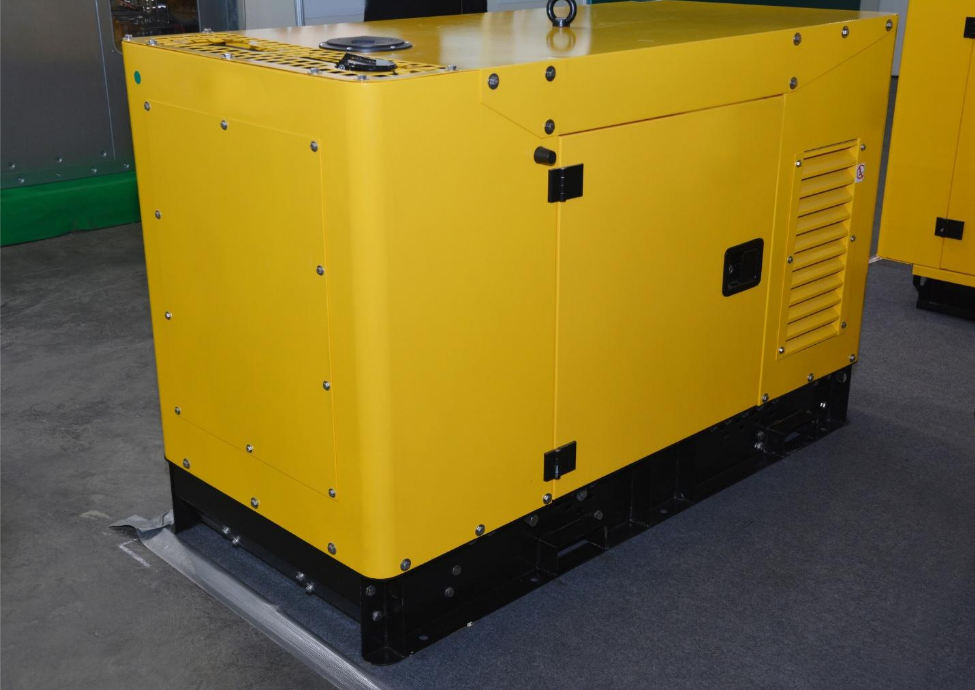
Key Takeaways About Hurricane Generator
A hurricane generator provides backup power for selected home systems during extended outages. This guide is for homeowners and property managers planning or maintaining backup power before and during North Carolina hurricane season.
- Identify critical loads and calculate starting and running wattage.
- Prevent carbon monoxide and fire risks with safe placement.
- Avoid backfeed hazards by using a proper transfer switch.
- Spot fuel and electrical issues early with regular inspections.
- Reduce failure risk by exercising the unit under load monthly.
- Plan professional inspections for load calculations and final commissioning.
Introduction
When a hurricane cuts power, a home without reliable backup faces safety risks and costly damage. A properly selected hurricane generator keeps critical systems running during long outages. Many homeowners underestimate fuel needs, transfer switch options, and safe placement around the house. Clear choices before the storm reduce danger and stress for occupants and property.
Homes in Bolivia, NC often depend on electricity for wells, sump pumps, and medical equipment. Losing power can allow flooding or create life-threatening situations quite quickly. Preparing means matching a generator to real household loads and site conditions. Poor placement or improper wiring can create carbon monoxide or electrical hazards.
For properties near Wilmington, NC, moisture and wind exposure make maintenance and weatherproofing more important. Regular checks on fuel lines, battery chargers, and circuit connections help prevent failures when power goes out. A licensed electrician can inspect transfer switches and the service panel to confirm safe integration. Knowing when to call a professional protects your family and your home.
Decisions about fuel type, capacity, and permanent installation shape how well a backup system performs during storms. Correct sizing avoids overloading the generator and prevents nuisance tripping of breakers. Professional diagnosis includes load calculations, panel inspection, and voltage testing to confirm compatibility. Thoughtful planning removes guesswork when outages arrive.
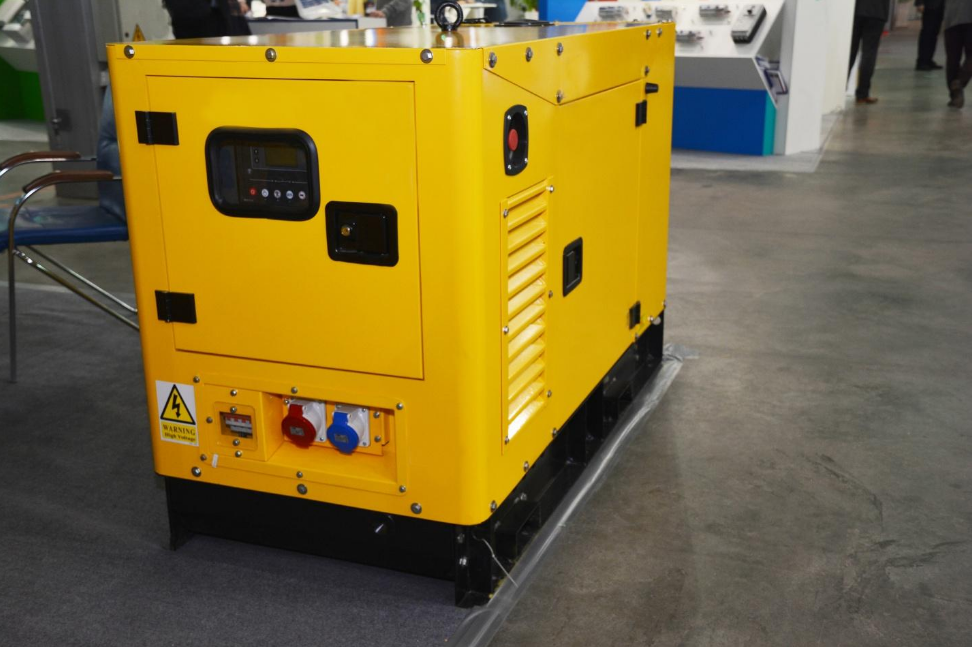
Photo from iStock - Credit: Lex20
Types of Home Generators and How They Work
Types of home generators are the different permanent backup systems that supply whole-house or partial-house power during outages.
Standby generators run on natural gas or propane and start automatically when power drops, making them practical for families needing uninterrupted power. These units connect to the home's transfer switch and service panel for safe operation. A common homeowner question asks whether a standby model can run heating and medical equipment together, and the answer depends on correct sizing and load management. Professionals confirm compatibility by inspecting the transfer switch, measuring voltage, and reviewing load distribution across breakers.
- Standby generators provide automatic start and whole-house capability.
- Inverter-based standby models offer cleaner power for electronics.
- Diesel standby units suit long runtime needs in some cases.
- Liquid propane connections require secure fittings and ventilation checks.
Inverter generators within permanent systems condition voltage for sensitive devices and reduce fluctuations that harm electronics, which homeowners often ask about. These systems pair with automatic transfer switches to protect both utility lines and appliances. During inspection, a technician will check grounding conductors, transfer switch settings, and perform voltage readings to verify safe output.
Diesel and propane options each have strengths for long outages, so owners ask which fuel lasts longer on site, diesel stores well but needs fuel treatment and propane resists contamination. A professional will examine the fuel supply line, tank ventilation, and battery charger operation when diagnosing poor starts. For properties near Wilmington, NC, exposure to salty air makes enclosure material and protective coatings important to prevent rust. If you want a detailed inspection or installation, schedule a certified electrician to confirm load calculations and transfer switch wiring.
Fuel Options for Generators and When to Choose
Fuel choice affects runtime, storage, and safe handling for a hurricane generator. Natural gas provides continuous fuel if the utility line stays active, removing the need to refill on site during long outages. Propane sits in sealed tanks and resists microbial contamination, but tanks limit onsite capacity compared with continuous gas service. Diesel delivers high energy density for long runtimes but requires treated storage and careful fuel condition monitoring to avoid injector or filter problems.
Consider fuel availability after a storm when deciding on a system. A home tied to natural gas needs a functioning supply line and pressure to run the generator continuously. If roads close or deliveries pause, propane tanks can provide independent operation for multiple days depending on tank size. For diesel systems, expect professionals to inspect filters, fuel lines, and the day tank before hurricane season to reduce start failures.
Maintenance demands differ by fuel and affect safety and reliability during emergencies. Owners should check fuel lines, connections, and venting for propane or diesel systems to prevent leaks and odors. Battery chargers, fuel filters, and automatic transfer switch contacts need periodic inspection and cleaning for all fuel types. A technician uses visual checks, pressure tests, and voltage readings to confirm fuel-fed systems will start and transfer load correctly when needed.
Decide based on practical trade-offs rather than brand claims or convenience. In Bolivia, NC, homeowners often balance tank size, delivery logistics, and the likely duration of outages when choosing fuel. For coastal properties near Wilmington, NC, corrosion-resistant fittings and routine inspections reduce failure risk from salty air. If you are unsure which fuel option matches your needs, schedule a professional assessment that includes fuel line inspection, tank condition reporting, and a written recommendation.
Sizing Your Generator for Bolivia Home Needs
Start by listing appliances and circuits you must run during a storm, such as well pumps, sump pumps, refrigerator, lights, and medical equipment. Add the starting wattage for motors like pumps and air handlers because motors require more power to start than to run. A simple home inventory helps a technician perform a load calculation using actual running and starting wattages to size the right generator. The professional will confirm panel labeling and measure voltage under load to validate the estimate before recommending capacity.
Whole-house systems require a generator sized for peak demand plus a margin to avoid overload during motor starts. If you plan staged loads, professionals set up load management either inside the transfer switch or with subpanel controls to stagger high-draw devices. Homeowners often discover underpowered units when breakers trip on first use, which a proper load study prevents. An electrician verifies breaker allocation and tests transfer switch operation as part of the sizing process.
Common generator capacities for homes vary, so the right selection depends on cumulative wattage and expected simultaneous operation. Technicians use a combination of circuit inspection, clamp-on ammeter readings, and consultation about typical appliance usage to predict peak loads. They also check service panel limits and grounding conductor adequacy to ensure the generator integrates safely with the electrical system. For properties in Bolivia, NC discuss likely runtimes and fuel capacity needs with the installer during the sizing review.
After sizing, professionals document their findings in a report noting recommended kilowatt capacity, expected runtimes, and any panel upgrades required. That report typically includes suggested transfer switch type and whether the service panel needs additional breakers or a larger main to accommodate the generator. A qualified electrician will also perform voltage and frequency testing on commissioning to confirm stable output under load. If you need a formal inspection or installation, schedule a licensed electrician in Wilmington, NC to perform the load calculation and system check before hurricane season.
Safe Placement Practices and Local Code Considerations
Place a hurricane generator on firm, level ground at least several feet from doors and windows to avoid exhaust entering the home. Positioning should allow clear access for fuel delivery and maintenance without blocking emergency egress routes. Keep the unit away from overhangs and shrubs that can trap exhaust or fuel odors near the house. If you smell fuel or notice excessive soot, stop operation and contact a professional immediately.
- Keep 3 to 5 feet of clearance around the generator.
- Place the unit on a concrete or gravel pad to reduce settling.
- Ensure exhaust points face away from openings into the house.
- Do not store flammable liquids near the generator.
Local codes influence setback distances, pad construction, and grounding requirements, so consult local officials before installing a permanent unit. An electrician will inspect the grounding conductor, bonding to the service panel, and conduit runs during site evaluation. They will also confirm transfer switch placement relative to the generator and meter to meet code intent.
Weather protection matters: use corrosion-resistant fasteners and a listed rain enclosure rated for outdoor generator use to resist coastal humidity. A technician inspects vents, muffler routing, and control wiring to confirm weatherproofing does not trap exhaust or heat. Regular inspections should include chassis grounding checks and tightening of terminal connections to prevent arcing and overheating. If you want a professional inspection, schedule an electrician who can provide written findings and corrective recommendations.
To diagnose placement issues, a pro will look for exhaust staining, measure carbon monoxide at sample points, and perform voltage readings under load. Observable symptoms include discolored siding, strange exhaust smells near windows, or tripped breakers when the unit runs. The inspection will include visual checks of the pad, clamp-on ammeter readings on generator output, and verification of transfer switch interlocks. After diagnosis, the electrician will supply a report with measurements, photos, and clear next steps for safe correction.
Transfer Switches Explained: Why They Matter
A transfer switch isolates your home's circuits from the grid and prevents dangerous backfeed that can injure utility workers. It also lets the hurricane generator feed selected circuits without manual rewiring at the panel. Professionals test transfer switch interlocks, contactor operation, and control wiring to confirm safe changeover during power loss. If contacts look burned or the switch fails to actuate, a licensed electrician should inspect and replace components.
There are manual and automatic transfer switch types, and the choice affects convenience and safety during prolonged outages. An automatic transfer switch senses utility loss and starts the generator, then transfers loads without homeowner action. Technicians verify the ATS timing, voltage sensing thresholds, and generator start signal to ensure smooth transitions under real load. Diagnostic checks include voltage readings and contact resistance measurements to confirm clean switching.
Properly sizing the transfer switch to match breaker circuits and the generator's kW rating prevents nuisance trips and overheating. Electricians confirm bus connections, breaker assignments, and grounding conductor continuity when installing or inspecting a switch. They may use a clamp-on ammeter to record load distribution and a voltage meter to observe transfer behavior under engineered load. If the service panel lacks space, the technician will describe options such as subpanels or load management upgrades.
Homeowners often notice symptoms like flickering lights, delayed transfer, or burning smells when the switch is failing and should stop using the system until it is checked. For example, a homeowner might hear a grinding noise during transfer, see a delayed generator start, and then call a pro who checks contact alignment and control voltages. Regular inspection includes exercising the transfer switch and recording switch cycle results on a written report.
Maintenance Tasks Homeowners Can Do Regularly
Inspect the generator battery monthly for corrosion and secure connections, looking for cracked cables or loose terminals that cause weak starts. Clean terminals with a wire brush and baking soda solution if you see white or green buildup. Check the battery charger indicator light to confirm it shows normal charging activity. If the battery fails load testing, contact a professional for replacement and disposal guidance.
Run the generator under load on a scheduled basis to exercise the engine and prevent fuel system issues from stagnation. Operate essential circuits through the transfer switch for 15 to 30 minutes to warm the engine and circulate oil. While running, listen for unusual knocks or vibrations that indicate mechanical wear needing inspection. Record run times and observations to show a technician during any service visit.
Keep the fuel system in good order by inspecting visible lines and fittings for leaks, cracks, or odor, and tighten loose clamps. Replace fuel filters according to manufacturer intervals and before hurricane season to reduce start failures. For units using stored fuel, rotate supply per guidelines and note any dark or cloudy fuel that suggests contamination. If you detect leaks or strong fuel smells near the unit, shut it down and call a professional immediately.
Inspect cooling and exhaust components regularly for obstruction, rust, or loose mountings that reduce performance and create hazards. Check coolant level and condition on liquid-cooled units and ensure radiator fins are clear of debris that can restrict airflow. Look for exhaust soot buildup or discoloration around vent exits that could signal poor combustion or backpressure. A licensed electrician or technician should test output voltage and ground continuity annually to confirm safe operation and advise on any repairs.
Preparing for Outages and Emergency Operation Steps
Create an outage checklist that lists priority circuits, fuel checks, and contact numbers so household members know actions during a storm. Place flashlights, fresh batteries, and a battery-powered radio in one accessible spot to avoid searching in the dark. Assign roles for shutting down sensitive equipment and for monitoring generator operation so tasks do not get missed under stress. Keep written start-up and shutdown steps taped near the transfer switch for quick reference during an outage.
- Test the automatic start before North Carolina storm season.
- Label priority circuits in the panel clearly.
- Store spare fuel safely and inspect it regularly.
- Keep carbon monoxide detectors on every floor.
When utility power fails, follow a clear startup sequence to prevent damage or unsafe conditions for occupants and technicians. Verify that the transfer switch is in the correct position before starting the generator to avoid backfeed hazards. Start the unit and observe gauges for oil pressure, coolant temperature, and battery charging to confirm normal operation. Listen for unusual sounds and watch for smoke or fuel odors, and shut down immediately if any unsafe signs appear.
During operation, perform periodic visual checks of electrical connections and grounding for signs of overheating or loose terminals that could cause failures. Monitor load distribution and cycle noncritical loads if breakers trip to reduce strain on the system. Keep children and pets away from the generator and exhaust path to prevent burns and carbon monoxide exposure. If you detect persistent voltage fluctuation or tripped breakers, stop using the system and contact a professional for diagnostic testing.
After power returns, follow a safe shutdown procedure to avoid surges and equipment damage when reconnecting to the grid. Let the generator cool and shut it down per manufacturer steps before returning the transfer switch to utility position. Record run duration, fuel usage, and any anomalies to give technicians useful information during post-storm inspections.
If you prefer a professional to verify setup or respond to problems, arrange service with a licensed electrician who will perform voltage readings, clamp-on ammeter load checks, and transfer switch diagnostics. A technician will inspect the grounding conductor, breaker condition, and control wiring and produce a written report with repair recommendations. Keep service records and the report accessible for future reference and for faster troubleshooting in subsequent storms.
When to Call a Professional for Generator Service
If you notice repeated failure to start, unusual smoke, or persistent voltage swings during operation, call a professional immediately. These symptoms suggest internal faults that require a technician to open the control panel and perform voltage readings. A licensed electrician will use a clamp-on ammeter and multimeter to confirm output under load. They will also inspect internal wiring, contactor condition, and generator grounding for safety.
Schedule professional service before North Carolina hurricane season if you plan fuel system changes or transfer switch upgrades that affect permanent wiring. The technician will perform a formal load verification using circuit inspection and clamp-on current measurements to confirm capacity. They may recommend panel modifications or subpanel wiring to balance loads safely. This prevents overloading and reduces risk during long outage operations.
After an extended runtime or a storm, have a pro inspect fuel filters, cooling system, and battery charging systems to prevent later failures. The professional will look for contaminated fuel, check filter condition, and test battery voltage under load for reliable starts. They will also perform a visual inspection of exhaust routing and chassis fasteners for storm-related damage. Request a written report with readings and suggested repairs for your records.
When control panel alarms activate or the automatic transfer switch fails to actuate, stop using the generator and arrange for inspection promptly. A technician will test ATS sensing thresholds, control voltages, and contact resistance to diagnose failures. They will also verify service panel interlocks and check breaker coordination to prevent dangerous backfeed.