
Key Takeaways About Electrical Capacity
Electrical capacity means the safe amount of electricity your service and panel can deliver at once. This summary is for homeowners and property managers who notice repeated electrical issues or plan major electrical additions.
- Identify frequent breaker trips and dimming during regular appliance use.
- Prevent overheating by checking breaker handles and outlet faceplates.
- Avoid unsafe conditions by calling a licensed electrician promptly.
- Spot load issues with voltage readings and clamp meter measurements
- Reduce peak demand using timers smart controls or load management.
- Plan upgrades after a professional load calculation and written report.
Introduction
Homes built decades ago often have electrical systems sized for far fewer devices than modern households use. Increasing ownership of electric vehicles and larger HVAC systems pushes more load through old service panels. When capacity gets tight, circuits trip more often and appliances run less efficiently. For homeowners, reduced reliability and higher fire risk make capacity a real concern.
Electric vehicle chargers add a steady high-power draw that can stress a panel designed for lighter use. Modern appliances and smart home gear add many simultaneous draws throughout the day. These combined loads can expose weak points like undersized breakers or poor grounding. Recognizing the strain early helps prevent outages and equipment damage.
Noise, smells, and timing of failures give clues that electrical capacity may be inadequate. Buzzing from the panel, a hot breaker, or outlets that feel warm point to overloaded circuits. Homeowners in Wilmington, NC, and Kure Beach, NC may notice these signs sooner with humid summers that push HVAC use. Addressing problems before a major failure limits repair scope and cost.
A professional inspection confirms whether the service panel, grounding conductor, and breaker arrangement meet current demands. An electrician will perform load calculations and take voltage readings to identify overloads. Written reports and photos help homeowners plan an upgrade or targeted fixes. Acting on clear diagnostic results reduces risk and restores reliable power.
How Electrical Capacity Works and Why It Matters
Electrical capacity means the total safe amount of electricity a home's service and panel can deliver at once.
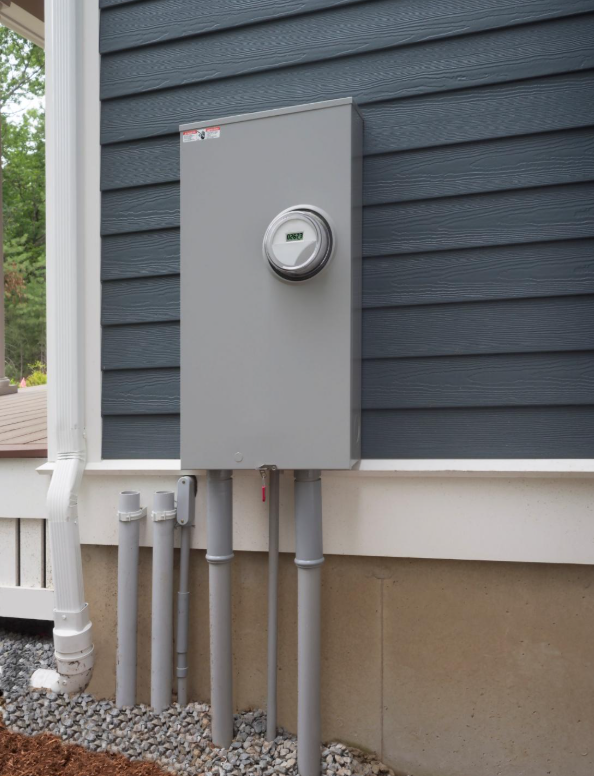
The system limits come from the service rating, meter, main breaker, and panel bus bar size, which determine available amperage. A homeowner often asks, "How much load can my panel safely carry?" A professional answers this by performing a load calculation that compares connected and expected loads to the panel rating. That diagnostic step clarifies whether simultaneous appliance use will exceed capacity and cause nuisance tripping.
- Service rating sets the maximum amperage available.
- Main breaker protects the service conductors.
- Individual breakers limit branch circuit loads.
- Grounding and bonding support safe fault clearing.
Electrical capacity matters because it affects safety and appliance performance when many devices run at once. If capacity is too low, lights dim and motors run hot under load. Homeowners in Wilmington, NC may notice dimming during peak HVAC cycles or heavy appliance use. A professional will check voltage readings at the panel and perform continuity checks on grounding conductors to confirm issues.
Understanding capacity helps prioritize upgrades like adding dedicated circuits or increasing service amperage for an EV charger or bigger HVAC. In a common situation, a homeowner hears buzzing from the panel and finds breakers warm, the electrician then records voltage under load and inspects the breaker terminations. Those inspection outputs guide whether minor fixes or a service upgrade provides the safest, most cost-effective solution for the home in Kure Beach, NC.
Common Home Upgrades That Increase Load
Adding an electric vehicle charger often requires a dedicated 240-volt circuit and can add a continuous high draw that stresses existing panels. Installing a larger heat pump or upgraded air handler for HVAC frequently needs a new dedicated circuit and higher starting current, which raises simultaneous load. Modern kitchens with multiple high-power appliances such as ovens, induction cooktops, and dishwashers create overlapping peaks when used together during meal prep times. A professional will check the combined demand from these appliances to see if the service rating can handle them without nuisance trips.
Home renovations that add new circuits for lighting, workshops, or home theaters increase branch-circuit count and total load on the panel. Upgrading to electric water heaters or heat-pump water heaters shifts significant continuous load onto the service and often needs a higher amperage main. Large laundry areas with high-efficiency dryers and multiple washers can cause frequent cycling and higher simultaneous draws. In these cases, an electrician performs a load calculation and inspects breaker spacing to determine if the panel can safely accommodate the additions.
Smart homes add many low-power devices but they can add up when combined with other loads during peak hours and create unexpected demand spikes. Adding zone controls, whole-home Wi‑Fi thermostats, and multiple charging stations increases the number of circuits and potential simultaneous draws. A proper diagnosis includes voltage readings at the panel during peak operation and inspection of the bus bar and breaker terminations. For homeowners in Wilmington, NC this becomes important in summer when thermal comfort systems run longer and stress may show during peak times.
When replacing older appliances, higher-efficiency models sometimes use different electrical characteristics that require dedicated circuits or AFCI/GFCI protection. A professional will check panel capacity, grounding conductor continuity, and breaker compatibility before approving new appliance connections. In a common situation, a homeowner adds an EV charger and notices lights dimming when the dryer runs, an electrician then records voltage under load and reviews breaker loads to recommend upgrades. For properties in Kure Beach, NC, this diagnostic step helps plan the right service increase rather than piecemeal fixes.

Photo from iStock - Credit: SouthWorks
Why It Happens with Electric Vehicle Chargers
Electric vehicle chargers draw sustained current for long periods, which raises the baseline demand on the home's service and panel. Continuous draws change how load cycles behave, keeping high-amperage circuits active for hours and reducing headroom. That sustained use can expose weak connections, poor terminations, or undersized service conductors that otherwise perform fine during brief peaks. A professional inspects breaker terminations and measures voltage under continuous charger load to check for harmful drops.
Most home panels have limited spare breaker spaces and bus capacity, so adding a charger can require rearranging or replacing equipment to fit a dedicated circuit. An electrician will map existing circuits and perform a load calculation that includes the charger as a continuous load. They may test for voltage imbalance between legs and look for signs of overheating at the main lug and bus. These measurements guide whether a subpanel, panel reconfiguration, or service upgrade is necessary.
Charger installation also interacts with other high-demand devices, creating overlapping peaks during evenings when people arrive home and run ovens, dryers, and HVAC equipment. Simultaneous draws increase the chance of nuisance trips and dimming lights, especially if the panel lacks capacity for additional continuous loads. Technicians will record load profiles during typical use and may use clamp meters to measure individual circuit currents. Those recorded readings help determine if load management or a higher-amperage service is the better solution.
For North Carolina homeowners, coastal humidity can drive longer HVAC runtimes that coincide with charging windows and raise combined demand further. For property owners, adding a charger without rechecking service capacity risks exposing latent issues like loose neutral connections or inadequate grounding. A clear diagnostic report with voltage readings, breaker temperatures, and wiring inspection photos gives homeowners the facts they need to decide on upgrades. If any unsafe conditions appear, contact a licensed electrician in Wilmington, NC to evaluate options and schedule proper work.
Warning Signs Your Electrical System Is Strained
Look for persistent or growing patterns of trouble rather than one-off events when assessing strain on electrical capacity. Noticeable signs include repeated breaker trips during predictable activities like laundry or cooking. A burning or metallic smell near the panel or outlets requires immediate professional attention. Flickering or dimming lights that happen with the same appliance use point to overloaded circuits or voltage drop.
- Frequent breaker trips during normal use.
- Hot or discolored outlet plates.
- Buzzing sounds from the service panel.
- Appliances that stall or reset under load.
Outlets or faceplates that feel warm to the touch indicate excessive heat from loose connections or overloaded circuits. A professional will check outlet temperature, breaker loading, and terminal tightness during an inspection. Repeated GFCI or AFCI trips on the same circuit suggest underlying wiring faults or shared neutral problems. Tracking when and where trips occur helps narrow the likely overloaded circuit or device.
Visible signs such as scorch marks, melted insulation, or charred wiring are serious indicators and require emergency assessment. Electricians use clamp meters and voltage readings to compare under-load values to expected ranges. They also inspect the bus, main breaker, and grounding conductor for loose terminations or signs of overheating. Photographs and recorded readings become part of the diagnostic report to support recommended repairs or upgrades.
For homeowners in Wilmington, NC and those near Kure Beach, NC, seasonal patterns can reveal hidden capacity limits when HVAC and other systems run together. A simple homeowner check is noting whether problems cluster during high-demand periods like hot afternoons or evenings. If issues repeat, schedule a licensed electrician to perform a load calculation and visual inspection. That professional evaluation clarifies whether targeted fixes or a service upgrade will restore reliable, safe power.
When to Call a Professional for Service
If you notice repeated problems that match patterns described earlier, call a licensed electrician for a full diagnostic visit. The technician will perform a load calculation, measure voltage under typical loads, and inspect main breaker terminations. They also check grounding conductor continuity and test GFCI or AFCI devices to find wiring faults. This inspection produces a written report with readings and photos to guide repairs.
Schedule a visit promptly if you detect smells, visible damage, or hot outlets that worsen with use. During the service call, an electrician will use a clamp meter to record individual circuit currents and an infrared camera to spot hot connections. They will verify neutral and bonding integrity and confirm breaker compatibility with the panel bus. These steps help determine whether targeted repairs will restore safety.
Request a quote when diagnostics show persistent voltage drop, repeated main breaker trips, or overloaded branch circuits during typical use. The professional may recommend options such as adding dedicated circuits, rearranging loads, or increasing service amperage based on measured loads. Ask for a clear scope, timeline, and permit requirements so you can compare choices. Homeowners in Wilmington, NC should plan for scheduling lead times during busy seasons.
If you plan a major new installation like a home EV charger or larger HVAC, arrange a pre-install assessment to confirm the existing service can handle it. The electrician will map panel space, evaluate bus bar capacity, and test for voltage imbalance between legs under simulated load. For properties in Kure Beach, NC with tight panel spaces, a pre-check prevents surprise rework and informs whether a subpanel or service upgrade is necessary. Book an inspection to get definitive diagnostic results and next-step recommendations.
Options for Increasing Residential Electrical Capacity
One option is adding a subpanel to increase usable circuit space without changing the main service rating, which helps organize new dedicated circuits. An electrician installs the subpanel off an existing breaker and ensures correct breaker sizing and grounding conductor continuity. This approach suits homes with full breaker slots but spare amperage on the main service, and it keeps installation time and disruption lower than a full upgrade. A professional will record circuit currents and torque main lugs to confirm safe connections after adding the subpanel.
Another route is replacing individual breakers or adding higher-capacity branch circuits to serve motors, EV chargers, or kitchen appliances when the service rating allows. Upgrading branch breakers requires verifying bus bar compatibility and confirming AFCI or GFCI protection as code requires. The electrician performs voltage readings and checks for voltage imbalance between legs before approving larger branch circuits. If wiring is old or terminations show overheating, they document photos and recommend repairs prior to breaker swaps.
Where the service rating is insufficient, increasing the service amperage provides the most headroom for modern loads and simultaneous use, but this requires utility coordination and meter work. The process involves replacing the meter base, service conductors, and main breaker to match the new amperage while following code-required grounding and bonding updates. A licensed electrician arranges utility disconnection and reconnection and submits permit paperwork when necessary, then records post-upgrade voltage and load readings. For homeowners, planning ahead for utility scheduling reduces downtime during the swap.
Load management and smart controls offer a lower-cost alternative that limits simultaneous draws without major hardware changes, useful when service upgrades are not yet practical. Devices like timed relays, demand-load controllers, or smart EV charging controls shift or throttle loads so peak demand stays within existing electrical capacity. During a diagnostic visit, a technician will map circuit use and recommend control settings based on measured peak currents and typical occupant behavior. Residential homeowners can pair these controls with appliance scheduling to avoid overlapping high draws during evening hours.
What An Upgrade Process Looks Like Stepwise
A typical upgrade starts with permit-ready planning and a clear scope that lists equipment changes and shutdown needs. The electrician documents panel ratings, main breaker size, and meter arrangement during planning. They schedule utility coordination and any needed outage windows to minimize homeowner disruption. Expect a written scope with timeline and inspection milestones before work begins.
- Verify existing service rating and panel condition.
- Plan breaker and conductor replacements as needed.
- Coordinate utility disconnection and reconnection times.
- Schedule inspections with the local authority.
On the first work day, technicians de-energize the service and confirm safe lockout procedures. They remove panel covers and photograph existing terminations and bus condition for records. Next, they mount new equipment, swap the main breaker, or install a new meter base if required. Each replacement receives torque checks and terminal re-inspections before re-energizing.
After installation, the electrician runs load tests and records voltage readings under simulated peak demand. They use a clamp meter to log currents on each branch and check neutral and grounding conductor continuity. The team documents results with photos and a written report for permit finalization. This diagnostic output supports any follow-up adjustments or balancing.
Finally, the inspector verifies compliance and signs off so the utility can restore normal service when needed. Homeowners receive the written report and recommendations for future maintenance or load management. For homes, plan a follow-up check within months to confirm performance under real-world usage. This stepwise process reduces surprises and confirms the upgrade met the intended electrical capacity goals.
How to Prevent Future Capacity Shortfalls
Plan routine panel maintenance to reduce surprises and preserve usable electrical capacity over time. During a professional inspection, an electrician can check connections, breaker condition, and signs of heat or corrosion. Keeping service records can also help track changes and identify issues that may need attention.
Adopt simple load habits to reduce peak demand during busy hours at home. Stagger high-draw appliances, such as laundry equipment, ovens, and EV chargers, rather than running them all at once. Smart controls and appliance timers can also help shift suitable loads to different times. For more ways to distribute electrical demand effectively, read our guide to electrical load balancing for safer and smoother power.
Consider a professional load assessment after adding major electrical equipment or completing a significant renovation. An electrician can evaluate circuit demand and determine whether the existing electrical service still meets the home's needs. The results can help identify potential load-balancing measures, load-management options, or future electrical upgrades.
Load-management technology may also help households make better use of available electrical capacity. Demand controllers and compatible EV charging controls can manage when certain high-draw equipment operates. An electrician can determine which options are appropriate for the home's electrical system and available capacity.