
Electrical Fire Prevention Tips for NJ Homeowners This Fall
Once the summer crowds clear out of Ocean County and the evenings turn chilly, the way we use electricity at home starts to change. It gets dark earlier, so the lights stay on longer, both inside and out. Space heaters come out of the closet, and the holiday decorations start going up. We all spend more time indoors, too, which puts more demand on our outlets and circuits.
That makes fall a great time for a quick electrical safety check around the house. A few simple steps now can help you avoid common problems before the busiest months of the year.
Test Smoke Alarms Before Heating and Holiday Season
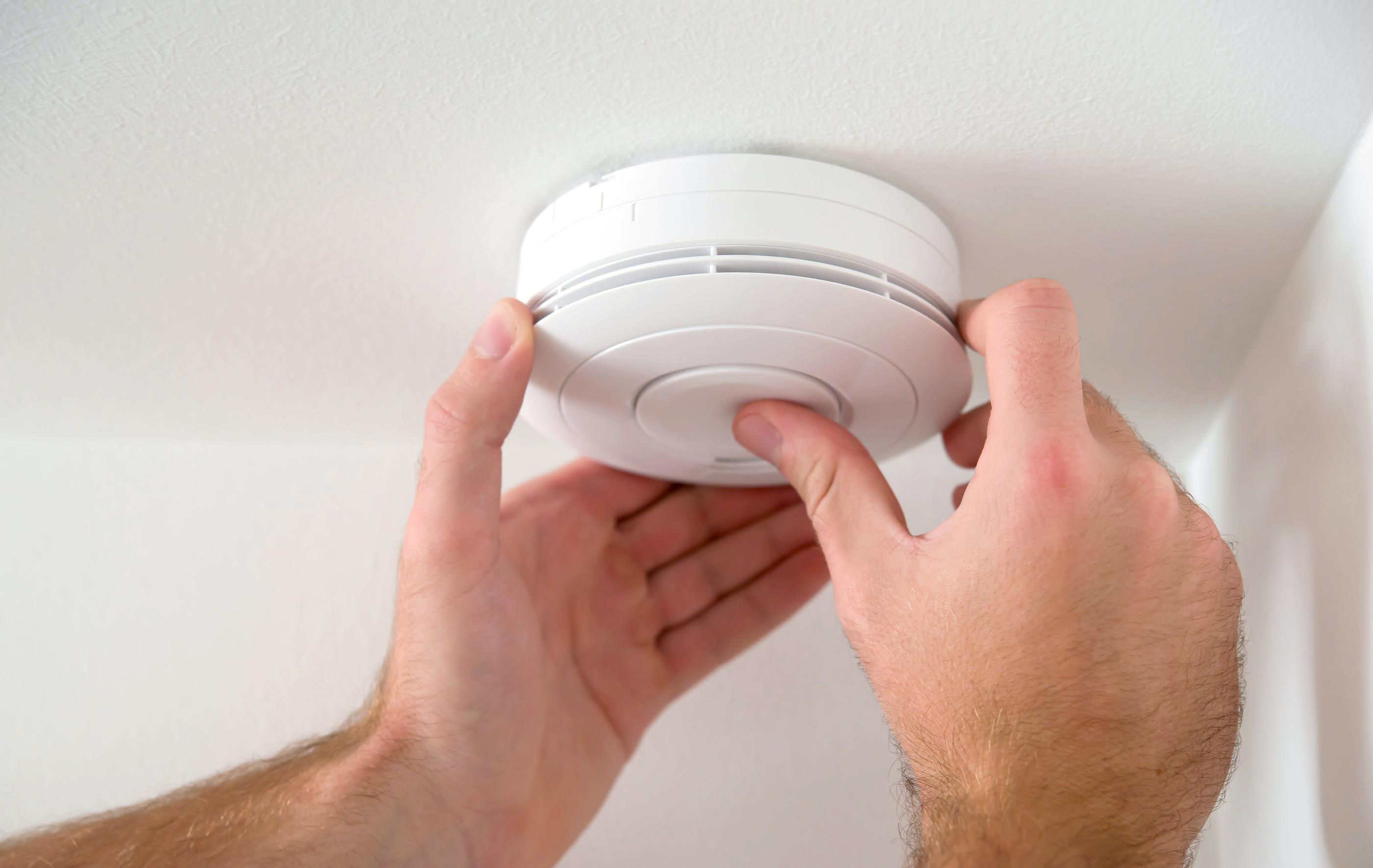
Before you turn on the heat or hang the first string of lights, check your smoke alarms. Press the test button on each one and make sure it sounds loud and clear.
If your alarms use regular batteries, put in a fresh set. Some newer alarms have sealed 10-year batteries instead, so check which kind you have. Look for the date on the back of each alarm, and replace any alarm that's about 10 years old. Finally, make sure no alarms were taken down or turned off during painting, cooking, or other projects.
Inspect Extension Cords Before Using Fall Decorations
Extension cords get a lot of use during decorating season. A cord that worked fine last year may have cracked or frayed while it sat in the garage or shed. Check each one before you plug anything in.
Look for these warning signs:
- Cracks along the cord
- Frayed or exposed wires
- Loose plugs
- Worn or melted coating
- Bent prongs
If a cord is damaged, replace it instead of patching it. Electrical tape won't properly fix the cord's protective coating, and a taped cord can still overheat or cause a shock.
Use Outdoor-Rated Electrical Equipment Outside
Not every electrical product can handle the weather. For outdoor lights, extension cords, timers, and decorations, check the package or label to make sure they're rated for outdoor use. Indoor products used outside can short out or cause a shock, especially when they get damp.
A covered porch doesn't make indoor products safe, either. Rain can blow in sideways during a nor'easter, and our salty, humid shore air still reaches cords and connections. Choosing outdoor-rated equipment from the start is the easiest way to avoid trouble.
Keep Electrical Connections Out of Wet Areas
Fall rain and coastal storms can leave decks, yards, porches, and driveways wet for days. Keep plugs and cord connections off the ground and away from low spots where puddles form.
Use weather-resistant covers on outdoor outlets, especially the kind that stay closed while something is plugged in. Salt air near the bay and the beach can also corrode outdoor outlets and covers faster, so check them for rust each fall. Outdoor equipment should be plugged into GFCI-protected outlets, which cut the power fast if they sense a problem. Fall storms can also cause power surges, and whole-home surge protection can help protect your electronics and appliances.
Be Careful When Portable Heaters Come Back Out
Space heaters can make a chilly room cozy, but heating equipment is one of the leading causes of home fires. Plug your heater straight into a wall outlet that's in good shape. Skip extension cords and power strips, since most aren't made for a heater's steady power draw.
Keep at least three feet of space between the heater and blankets, curtains, furniture, and rugs. Don't run the cord under a rug, where it can overheat without anyone noticing. If a heater or its cord is damaged, stop using it and get a new one.
Stop Ignoring Warm or Discolored Outlets
Outlets and switches often give early warning signs of a wiring problem. Don't ignore them, even if everything still seems to work.
Watch for these signs:
- Outlet or switch covers that feel warm
- Buzzing or sizzling sounds
- Scorch marks or brown spots
- Plugs that slip out easily
- Burning smells
- Breakers that trip often
These signs often mean loose wiring or an overloaded circuit. A licensed electrician should check both before they turn into a bigger problem.
Do Not Overload Older Circuits
Holiday lights and inflatable decorations add up fast, especially when they share a circuit with a space heater. Many homes around here, from shore bungalows to the ranch homes in Holiday City and Leisure Village, were built decades ago. Their wiring wasn't designed for everything we plug in today.
Too much on one circuit may trip the circuit breaker, and in some cases, the wiring can overheat. Spread your decorations and appliances across different circuits when you can. If your breakers trip often or you're not sure what your home can handle, an electrical inspection can give you clear answers.
When to Stop DIY Troubleshooting
Many of these fall safety checks are easy to do yourself. Some problems, though, need a licensed electrician instead of more troubleshooting.
Call an electrician if you notice:
- Sparks from outlets or switches
- Burning smells
- Breakers that keep tripping
- Outlets or switch plates that feel hot
- Wiring that looks damaged
- Water near outlets, panels, or other electrical equipment
Opening outlets or panels to look for the cause can put you at risk of a shock. If it's safe, turn off the device and leave the electrical repair to a licensed electrician. When it comes to electrical work, our advice is simple: don't do it yourself.
Play It Safe With Your Home's Electrical System This Fall
Fall is a great time for a basic home safety check, and most of these steps only take a few minutes. Testing smoke alarms, checking cords, using outdoor-rated equipment, and keeping space heaters clear of fabric and furniture all add up to a safer season.
When something doesn't look or feel right, play it safe. At Mister Sparky®, we're your neighbors right here in Beachwood, and our licensed technicians are available 24/7. With StraightForward Pricing®, you'll know the cost before we start, no malarky. Our Club Membership also includes a yearly safety check, and we're proud to be America's On-Time Electrician®.
Schedule a fall electrical safety inspection with Mister Sparky® today. We proudly serve Toms River, Brick, Berkeley, Manchester, and neighborhoods across Ocean County.