
Living in Ocean County means enjoying the Jersey Shore, but it also means preparing for our region's unpredictable weather. Coastal storms, thunderstorms, and nor'easters can interrupt electricity, leaving homeowners without power for extended periods. When the lights go out, life can come to a standstill.
Fortunately, backup generators provide a reliable solution. Both portable and whole-home generators supply your house with electricity, but they operate differently. The best choice for your home depends on your power needs, budget, and outage frequency. This guide compares your generator options to help you decide.
Why Backup Power Matters for Ocean County Homeowners
The Jersey Shore's coastal location also makes the area vulnerable to severe weather. High winds, heavy rain, and storm surges can easily damage power lines and infrastructure. Many residents remember the prolonged outages from Superstorm Sandy, which highlighted the need for reliable backup power.
A power outage is more than an inconvenience. It can disrupt your daily life and even pose risks to your property. Without electricity, you can lose refrigeration for food and medicine, power for sump pumps, and access to essential heating and cooling equipment. For homes with well pumps, an outage can mean no running water.
Different Backup Power Needs for Year-Round and Seasonal Homes
Your needs may also vary based on how you use your property. Year-round homeowners in communities like Toms River, Brick, and Jackson often prioritize keeping essential appliances like furnaces, refrigerators, and medical devices running during cold winter outages.
For seasonal properties along the shore, the priorities might be different. A backup generator can help protect the home when owners are away. It can power a sump pump to prevent water damage or keep pipes from freezing, providing peace of mind.
How Do Portable Generators Work?
Portable generators are standalone engines that provide temporary electricity. They run on gasoline or propane and have outlets for plugging in extension cords connected to specific appliances. When the power goes out, you must manually move the generator outdoors, start it, and run cords to the items you want to power.
These units are designed to power a few selected appliances rather than an entire house. Their operation is manual, requiring you to be present to set up and refuel the machine during an outage.
Benefits of Portable Generators
A portable generator's main advantage is its lower upfront cost and flexibility. You can take it with you for other uses, such as camping or work sites. For homeowners who only experience brief outages and need to run a refrigerator and a few lights, a portable generator is a practical, budget-friendly solution.
Limitations and Safety Concerns
Portable generators come with significant limitations. They have a limited power capacity and require you to store and handle fuel, which can be difficult during a storm. They are also noisy and require manual operation, which may not be feasible for everyone, especially in severe weather.
Most importantly, they pose safety risks if used improperly. Fuel-burning portable generators produce carbon monoxide and must always be operated outdoors, at least 20 feet away from doors, windows, and other openings, with the exhaust pointed away from the home. Never connect a portable generator to your household wiring without a transfer switch installed by a qualified electrician.
How Do Whole-Home Standby Generators Work?
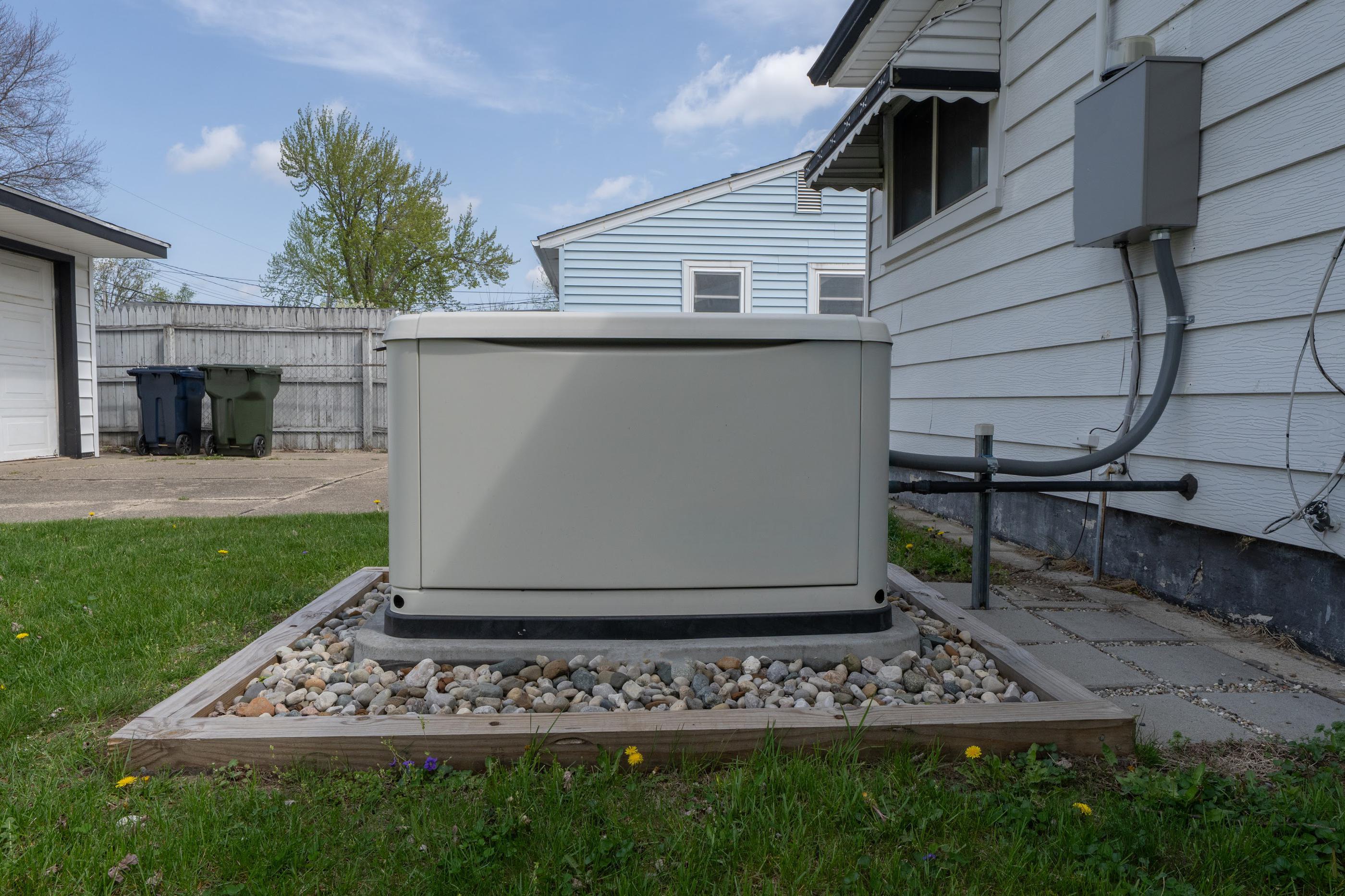
A whole-home standby generator is a permanently installed system that works automatically. It connects to your home’selectrical panel through an automatic transfer switch. Within seconds of a power outage, the switch disconnects your home from the grid and signals the generator to start, restoring power to your entire house or to pre-selected circuits.
These generators run on natural gas or propane. The generator's capacity determines how many systems it can power, from lights and a refrigerator to central air conditioning.
Benefits of Whole-Home Generators
The biggest benefit of a whole-home generator is seamless, automatic operation. You don't have to do anything when the power goes out. Its greater power capacity can handle major systems, which is crucial for households that rely on sump pumps, well pumps, or medical equipment. This provides unmatched peace of mind during extended outages.
Drawbacks to Consider Before Installation
Standby generators have a higher upfront cost for the unit and professional installation. They also require a dedicated space outside your home and need routine maintenance. In flood-prone areas, special consideration must be given to placement and elevation to protect the equipment from water damage.
What Should Jersey Shore Homeowners Consider Before Choosing a Generator?
When comparing portable vs. whole-home generator options, there isn't one answer that fits every situation. Portable generators have a lower initial price, and standby generators offer greater convenience but require a larger investment.
To make the right choice, start by listing the essential appliances and equipment you want to run during an outage. Consider everything from your refrigerator and furnace to lights, computers, and medical devices. This will help you determine your power needs.
Also, think about the practicalities of an outage. Automatic backup power is particularly valuable for households where someone may not be able to safely set up and operate a portable generator during a storm.
Generator Safety and Maintenance Tips for NJ Homeowners
Regardless of which type of generator you choose for your Ocean County home, safety and maintenance are key. Follow the manufacturer’s maintenance schedule, test your generator regularly, and check fuel supplies before storm season arrives. Timely generator repairs and routine upkeep ensure it will work when you need it most.
Install carbon monoxide detectors in your home, especially if using a portable unit. Ensure any generator has proper ventilation and is connected correctly to your home's electrical system by a professional. Never operate any generator inside a garage, basement, or other enclosed space.
Choose the Right Backup Generator for Your Ocean County Home
Ultimately, the right choice comes down to your priorities. If you need to power just a few essentials during short outages and are comfortable with manual setup, a portable generator may suffice. If you want seamless, automatic power for your entire home, a whole-home standby generator is the superior option.
Making the right decision involves understanding your home's electrical capacity and your family's needs. The team at Mister Sparky® can help you evaluate your home's power requirements, select from the best home generators, and provide professional installation for safe, reliable backup power. We are located in Beachwood, NJ, and serve the surrounding areas of Ocean County, including Toms River, Brick, Berkeley, and Manchester.
Don't wait for the next storm to leave you in the dark. Contact Mister Sparky® today for expert generator services in Ocean County, NJ.