
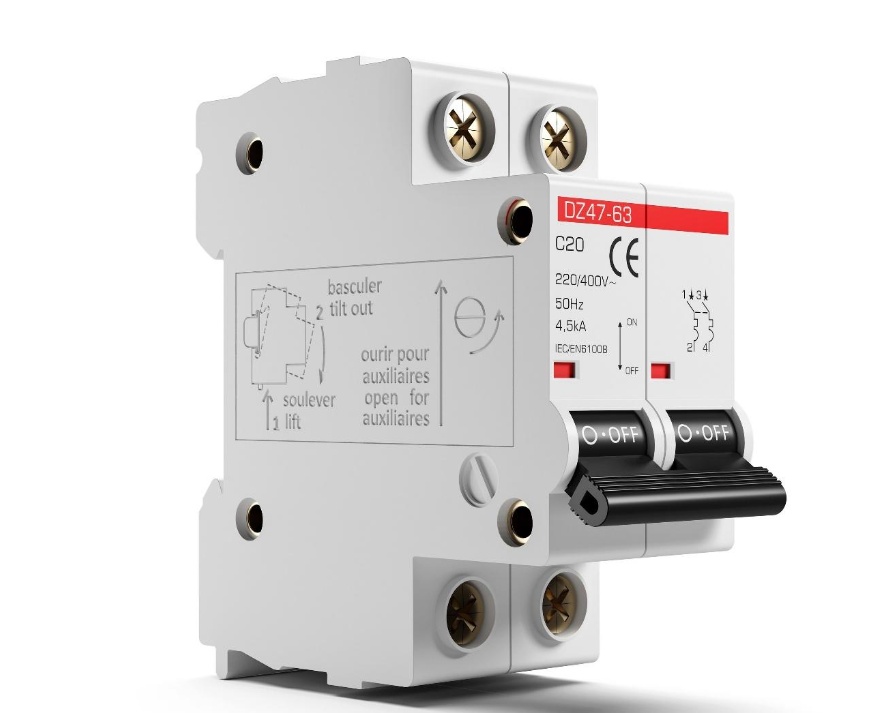
Key Takeaways About Double Pole Breakers
This article explains the difference between double pole breakers and single pole breakers in plain language. It is for homeowners and property managers who notice trips or buzzing. Other tips include:
- Identify whether a circuit requires 120 volt or 240 volt service.
- Prevent neutral overloads on shared multi wire branch circuits.
- Avoid using circuits that show burning smells or warm outlets.
- Spot simultaneous outages or linked breaker trips as warning signs.
- Reduce nuisance trips by checking wire gauge and breaker sizing.
- Plan a professional inspection that includes voltage and current measurements.
Introduction
Modern homes use a mix of circuits that look similar but behave very differently. Understanding double pole breakers versus single pole breakers matters when appliances trip or when adding new equipment. Mistakes about which breaker to use can overload a circuit or leave a device underprotected. Homeowners who notice frequent trips or flickering lights should pay attention to these differences.
Single pole breakers usually handle standard 120-volt circuits for lighting and small outlets. Double pole breakers tie into both hot legs to provide 240 volts for larger appliances and HVAC equipment. Confusing the two can cause nuisance trips or unsafe wiring conditions that create shock and fire risks. These issues often start as simple symptoms like buzzing panels or warm outlets.
Electrical load, voltage, and required protection determine which breaker a circuit needs. A proper match protects wiring and connected devices from damage and overheating. Professionals use a load calculation and voltage readings to confirm correct breaker selection and panel balance. For homeowners in Irmo, SC even small mistakes can lead to repeated outages and unnecessary service calls.
Signs such as breaker labels that do not match device function or circuits that trip together suggest a mismatch. A qualified electrician will inspect the panel, test voltages, and check grounding and AFCI or GFCI protection where required. Properties in West Columbia, SC commonly show these problems when older panels are updated without a full load review. Acting early reduces risk and keeps circuits working as intended.
What Double Pole Breakers Mean and How They Work
Double pole breakers are two linked breaker modules that protect both hot legs of a 240-volt circuit and disconnect both hots together.
- They occupy two adjacent panel slots.
- They share a common trip mechanism.
- They handle higher combined current than a single pole.
- They feed devices that need two hot legs.
Inside the breaker, each pole monitors one hot conductor and trips if either side overloads or faults to ground. A homeowner often asks whether a tripping double pole means a bad appliance, and the answer is not always, it can mean an overload, short, or imbalance. An electrician will measure voltage across the two hot legs and perform a load calculation to confirm the problem. Professionals also check the panel for loose connections and correct breaker sizing during diagnosis.
Double pole breakers use a handle tie or common-trip mechanism so both poles open together, preventing one side from remaining live. Visible symptoms include two related circuits tripping at once, buzzing at the panel, or appliances losing power suddenly. During inspection, a technician will use a multimeter to read 240 volts between the hot legs and use a clamp meter to record current on each conductor. For homeowners in Irmo, SC spotting simultaneous outages on linked outlets is a strong cue to stop using the circuit and call a pro.
These breakers protect wiring and equipment by matching breaker amperage to conductor size and expected load, preventing overheating and fire risk. A common homeowner question is whether you can replace a single pole with a double pole, the safe response is that swap decisions require a load review and proper wiring. An electrician will confirm wire gauge, test continuity, and verify grounding before upgrading or changing breaker type. In West Columbia, SC properties with older panels, professionals often find mislabeled or improperly tied breakers during a routine inspection.
Understanding Single Pole Breaker Operation and Limits
Single pole breakers protect one hot conductor and interrupt only that leg when an overload or short occurs. They usually feed 120-volt lighting circuits and general-purpose receptacles, and they rely on a single trip mechanism that responds to current above the breaker rating. A homeowner might notice a single breaker that trips repeatedly, warm faceplates, or lights dimming when an appliance starts. These are signs the breaker or the circuit wiring may be overloaded or developing a fault that needs inspection.
Unlike double pole breakers, single pole units do not monitor or disconnect a second hot leg, so they cannot protect multi-wire branch circuits from certain types of imbalance. When two circuits share a neutral, a correctly installed two-pole or handle-tied solution prevents the neutral from carrying unintended current. An electrician diagnosing this will open the panel, visually inspect the neutral and hot conductor terminations, and perform a continuity and voltage check. They may use a clamp meter on each conductor to confirm whether currents sum correctly on the shared neutral.
Single pole breakers have physical and amperage limits based on conductor size and the breaker trip curve, and exceeding those limits causes repetitive trips or conductor heating. During diagnosis, a professional checks wire gauge, breaker labeling, and measures voltage drop under load to spot undersized wire or loose connections. They also confirm whether GFCI or AFCI protection is required for the circuit and test those devices as part of the inspection. Homeowners in Irmo, SC who smell burning plastic or see discolored outlets should stop using the circuit and arrange a professional evaluation promptly.
In a common situation, a dryer outlet circuit trips a single pole breaker even though the dryer uses 240 volts, hinting at a miswired or partially open leg. The electrician would first verify voltages at the outlet and at the breaker, then trace conductor continuity back to the panel with a multimeter. Evidence such as one hot leg reading near zero volts or a loose terminal suggests a panel-side wiring issue that a technician corrects. For properties in West Columbia, SC older installations sometimes show improper breaker installations, so a clear diagnostic report helps homeowners decide on repairs or upgrades.
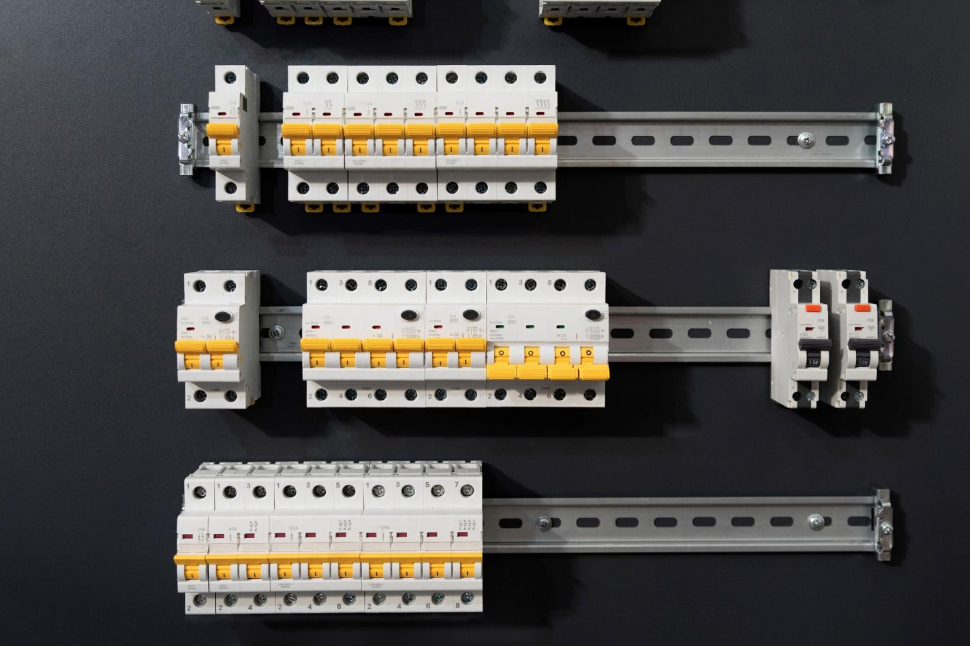
Photo from iStock - Credit: sergei scherbak
Voltage Differences Between Single and Double Pole Breakers
Single pole breakers connect one hot leg to neutral and normally carry about 120 volts in residential panels. Double pole breakers span both hot legs and provide around 240 volts across the two hots. A homeowner can measure this difference with a multimeter by reading from one hot to neutral and then between the two hots. Proper voltage readings help confirm whether a breaker type matches the circuit’s intended supply.
Voltage behavior under load also differs between the two breaker types and affects appliance performance. On a 240-volt circuit, motors and heating elements draw power from both legs and will run poorly if one leg drops toward zero. A technician diagnosing voltage issues will record no-load and under-load voltages with a multimeter and use a clamp meter to compare currents on each hot conductor. These measurements reveal imbalances that indicate wiring faults or a failing breaker.
Shared-neutral multi-wire branch circuits require correct breaker selection to avoid unexpected voltages on the neutral conductor. Without a tied two-pole breaker, simultaneous disconnection of both hot legs does not occur, which can leave the neutral carrying dangerous currents or create overvoltage on some devices. An electrician will inspect the panel for handle ties, check neutral termination, and verify voltages between each hot and neutral to ensure the neutral is not overloaded. In Irmo, SC homeowners experiencing odd outlet behavior should have these checks performed promptly.
When confirming whether a circuit needs a double pole breaker, professionals follow a clear diagnostic path starting with voltage tests at the device and panel. They then verify conductor gauge, breaker amp rating, and measure current under typical loads to confirm the breaker protects the wiring properly. Written test results and photos often accompany a repair recommendation so homeowners understand the voltage evidence. For properties in West Columbia, SC, documenting readings helps plan safe upgrades or replacements when panels show mixed breaker types.
Electrical Loads Suited for Double Pole Breakers
Large appliances that draw continuous high current commonly require double pole breakers to safely handle their load and disconnect both hot legs. Examples include central air handlers, electric ranges, and water heaters that use two hot conductors without a neutral. A professional checks conductor gauge and appliance nameplate amperage to confirm breaker sizing before making changes. If wiring shows discoloration or a warm conduit, stop using the circuit and schedule a professional inspection.
- Electric ranges and ovens
- Central air conditioning units
- Electric water heaters
- Clothes dryers without a 120V control circuit
Some motors and compressors draw heavy startup amps that stress a single pole breaker and need the 240-volt feed a double pole provides for proper operation. An electrician will measure motor inrush with a clamp meter and compare running current to breaker trip ratings. They also inspect the device's control circuit to determine if a separate 120-volt feed is present. Correct diagnosis prevents nuisance trips and extends motor life.
HVAC equipment often pairs a 240-volt compressor with 120-volt control circuits that share a disconnect and overcurrent protection provided by a double pole breaker. During inspection, a technician verifies both hot-to-hot voltage and hot-to-neutral readings at the equipment. They check the disconnect, wiring terminals, and grounding conductor for tight connections and signs of overheating. For homeowners in Irmo, SC, having this verification documented helps with safe replacement planning.
When adding heavy loads, professionals perform a panel load calculation and balance loads across both hot legs before installing a double pole breaker. They inspect the service panel for available two-slot spaces, proper neutral termination, and any required AFCI or GFCI protection. A confirmed diagnosis includes voltage readings, clamp meter currents, and written recommendations for breaker size and wire changes. If panel capacity limits exist, the electrician will outline options rather than guessing at a replacement breaker.
Common Causes of Double Pole Breaker Trips and Why
One common cause of double pole breakers tripping is an internal imbalance between the two hot legs caused by a failing breaker mechanism. A weakening trip coil or thermal element can open at lower currents than rated, producing nuisance trips. A professional diagnoses this by measuring current on each hot leg with a clamp meter and comparing readings to the breaker rating. If the breaker fails to hold at normal load, replacement is typically recommended for safety.
Loose or corroded connections at the breaker or bus can create heat and intermittent contact that triggers trips under load. Technicians look for darkened terminals, melted insulation, or hot readings with an infrared camera during inspection. They tighten connections, retorque lugs to spec, and recheck voltages under load to confirm the issue is resolved. Homeowners in Irmo, SC commonly notice burning smells or warm panel covers when this occurs and should stop using the circuit immediately.
Shared-neutral wiring errors on multi-wire branch circuits can cause unexpected current imbalances that make a double pole breaker trip or behave erratically. During diagnosis, the electrician traces conductors, verifies the neutral is properly landed, and measures hot-to-neutral voltages at outlets and at the panel. Correcting a swapped conductor or a loose neutral often stops the trips and restores safe operation. For properties in West Columbia, SC an inspection will document readings and recommended wiring corrections.
Appliance faults such as a shorted heating element, failing compressor, or motor winding degradation can draw surges that exceed breaker trip thresholds. A pro will isolate the appliance, test continuity of heating elements, and measure motor inrush with a clamp meter to confirm the load signature. If the appliance shows internal faults, repairing or replacing it prevents repeated trips and avoids unnecessary panel work. Recording test results helps homeowners decide whether appliance repair or circuit changes are the best next step.
Recognizing Warning Signs of Breaker or Circuit Problems
Unusual sounds or smells near outlets and panels often signal worsening circuit issues that need attention soon. Humming or buzzing at the panel can indicate a loose connection or arcing that worsens with load. A persistent burnt-odor near a breaker or device suggests overheated insulation or a failing component inside the panel. If you notice these cues, stop using affected circuits and arrange an inspection.
Intermittent power to a single appliance or paired outlets may point to a loose terminal or a failing breaker contact. A professional will first observe the symptom timing and affected devices, then open the panel to look for discoloration or loose screws. They will use a multimeter to confirm voltages and a clamp meter to record current while the circuit is operating. Diagnostic photos and readings help homeowners decide whether repair or replacement is necessary.
Repeated trips that occur under similar conditions suggest an overload or a device drawing intermittent high current, rather than a random fault. During diagnosis, the electrician traces wiring, checks tightness at the breaker and load, and measures motor inrush or heating element continuity to isolate the source. They will also test any installed GFCI or AFCI protection to rule out nuisance trips from sensitive devices. Documented test results clarify whether the breaker or the appliance needs replacing.
Visible damage at outlets, scorch marks, or loose-fitting plugs are signs the underlying circuit may be compromised and should not be ignored. A technician inspects the outlet, pulls the cover, verifies wire terminations, and tests hot-to-neutral and hot-to-hot voltages to determine the fault location. For homeowners in Irmo, SC a clear record of readings and photos helps prioritize repairs and prevent repeat failures. In West Columbia, SC property owners noticing these signs should arrange prompt professional evaluation to reduce fire and shock risk.
When Homeowners Should Call a Professional Electrician
If you smell burning or hear persistent arcing from a panel, stop using affected circuits and call a licensed electrician right away. A pro will inspect connections, take temperature readings with an infrared camera, and document loose or overheated terminations. They will also test breaker trip function with a multimeter and clamp meter while observing load behavior. Do not attempt internal panel repairs unless you are qualified and equipped for safe work.
- When breakers trip under normal loads
- If outlets or plugs feel warm
- When humming or buzzing increases with load
- If multiple circuits lose power together
When adding major appliances or HVAC equipment, schedule a professional evaluation to confirm panel capacity and correct breaker type for safe operation. The electrician performs a load calculation, verifies conductor sizes, and may recommend a two-pole breaker for appropriate 240-volt circuits. They will also check for required AFCI or GFCI protection and proper neutral handling on shared-neutral circuits. This prevents miswiring that could otherwise overload a neutral or create dangerous voltage conditions.
If a breaker trips repeatedly despite correct loading, a technician will isolate the circuit and test the appliance or motor for internal faults before replacing the breaker. Diagnostic steps include continuity tests on heating elements, motor winding resistance checks, and motor inrush measurement with a clamp meter during startup. The pro will also inspect the panel for signs of corrosion, loose neutrals, or bus damage and provide a written report with readings. Homeowners in Irmo, SC should keep that documentation when planning repairs or upgrades.
For older panels showing intermittent failures, an electrician may recommend replacing aged breakers or the entire panel to restore reliable overcurrent protection. They will review grounding and bonding, torque connections to specification, and retest circuits under load to confirm stable operation. If the inspection involves multi-wire branch circuits, the technician ensures tied breakers disconnect both hot legs simultaneously. Property owners in West Columbia, SC benefit from such thorough inspections to reduce repeat service visits and improve safety.
Safe Solutions and Preventive Maintenance for Circuits
Start with basic preventive tasks you can do safely, such as testing GFCI outlets and checking for warm receptacles during typical use. Record any recurring trips, strange smells, or noises so a technician can compare those observations with diagnostic readings. A professional would verify your notes by measuring voltage, performing a clamp meter current check, and taking infrared photos of hot spots for the report. These simple steps help a pro prioritize corrective actions without unnecessary panel work.
When breakers age, replacing worn units prevents failures but requires matching breaker type and conductor size to the circuit's needs. A licensed electrician inspects wire gauge, tests continuity, and confirms required AFCI or GFCI protection before swapping a breaker. They will also verify that multi-wire branch circuits use properly tied two-pole protection to avoid neutral overloads. This conservative approach reduces repeat trips and improves long-term circuit reliability.
Routine maintenance includes tightening visible terminal screws and cleaning dust from the panel exterior, but internal work must stay with qualified personnel. During a service visit, the technician retorques lugs to specification, checks neutral and grounding conductors, and runs load checks under typical appliance use. They may recommend balancing loads across both hot legs to reduce stress on double pole breakers and the service. Homeowners in Irmo, SC benefit from documented torque and load readings for insurance or resale purposes.
For recurring or unclear issues, a targeted diagnostic helps confirm whether the breakers, wiring, or appliance causes trips. The pro isolates the circuit, measures motor inrush and running currents with a clamp meter, and performs continuity tests on heating elements to pinpoint faults. If panel replacement is required, they will present options based on measured service demand and circuit count, not guesswork. Property owners in West Columbia, SC should keep written test results to compare future inspections and track improvements.