
Key Takeaways About Electrical Repair
Electrical repair covers diagnosing and fixing wiring problems, outlets, breakers, and related hazards. This guide is for homeowners and property managers who notice symptoms and need action before risks escalate.
- Identify flickering lights loose connections or voltage issues quickly.
- Prevent repeated breaker trips by documenting loads and patterns.
- Avoid using outlets that show burn marks or emit odors.
- Spot warm switches or buzzing sounds that indicate overheating.
- Reduce overloads by redistributing appliances or adding circuits.
- Plan professional inspections with photos meter readings and notes.
Introduction
Electrical problems often start small but can put people and property at risk if they get worse. Flickering lights, outlets that spark, and breakers that trip repeatedly are common early warnings. Many homeowners ignore these signs until an appliance fails or a shock happens. Recognizing the real problem helps prevent fire risk and unexpected outages.
Flickering lights usually point to loose connections or overloaded circuits that need attention right away. Frequent breaker trips can mean a circuit is carrying more load than it was designed to handle. Burn marks or a burning smell near an outlet are clear signs of overheating that require inspection. These symptoms often show up before more serious failures occur.
Damaged receptacles, loose faceplates, and warm switches are more than cosmetic issues and deserve prompt evaluation. A professional will test voltage, check grounding, and inspect the service panel to find the root cause. If wiring is old or degraded, repairs can stop problems from recurring. Early diagnosis reduces the chance of costly emergency repairs later.
Homeowners in Lexington, SC and Cayce, SC notice different patterns depending on house age and electrical use. A licensed electrician can document findings with readings, photos, and a written report for your records. When symptoms point to potential hazards, calling a professional minimizes risk and restores safe operation. Mister Sparky of Columbia, SC offers electrical repair services to address these common household concerns.
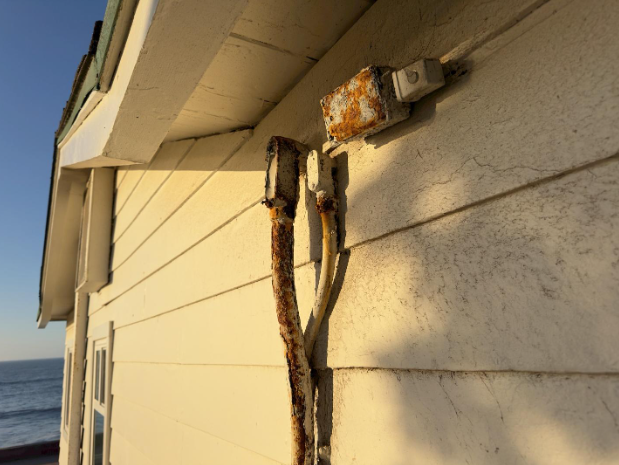
Photo from iStock - Credit: Bryan Lambert
Understanding How Home Wiring Degrades Over Time
This section explains how home wiring naturally degrades over time and what homeowners can expect. Copper and aluminum conductors suffer from corrosion and thermal cycling that loosen connections and raise resistance. Insulation on older wires can become brittle from heat and age, exposing conductors to contact or shorting. Degradation can reduce circuit capacity and increase the chance of overheating if not addressed.
- Metal fatigue causes loose screw terminals.
- Moisture speeds corrosion of connections.
- Heat cycles create tiny gaps at splices.
- Insulation hardens and cracks over years.
Homeowners often ask how to tell if wiring needs repair, visible damage and recurring tripped breakers are strong indicators. A professional will look for discolored insulation, burn marks, and warm junction boxes during an inspection. They will also perform voltage readings and continuity tests to confirm elevated resistance or poor grounding. Those test results help decide whether repairs, rewiring, or circuit upgrades are necessary.
Older homes in Lexington, SC may show more insulation breakdown and loose connections where wiring has never been updated. Homes in Cayce, SC sometimes reveal DIY splices or unprotected junction boxes that need correction to meet safety expectations. A technician documents findings with photos and meter readings for homeowner records and repair planning. For detailed diagnostics and repairs, contact Mister Sparky for professional electrical repair services.
Common Causes of Flickering Lights and Why It Happens
Flickering lights often happen for different technical reasons beyond simple bulb issues, and identifying the cause matters for safe electrical repair. A loose neutral or hot conductor in a junction box or at the service panel can cause lights to dim or brighten intermittently. Thermal movement and poor screw terminal contact raise resistance and produce visible flicker when loads change. A pro will record voltage with a meter to confirm whether neutral or hot leg fluctuation is present.
Shared circuits and overloaded lighting runs create noticeable flicker when large appliances cycle on and off, revealing balancing issues in branch circuits. A circuit feeding both lighting and a heavy load like a motor will show voltage dips and quick recovery as the motor starts. An electrician checks load distribution and may perform a load calculation to see if the lighting circuit needs separation or an upgrade. Corrective actions can include moving loads to different circuits or installing an appropriately sized breaker.
Loose connections at light fixtures, switches, or receptacles can cause rapid or location-specific flicker and present a fire risk if left unattended. An inspector opens fixture boxes and tests for continuity, tightness of the screw terminals, and signs of arcing or heat damage. They might use an infrared camera to find hotspots and a multimeter to measure voltage drop under load. Documentation of readings helps show whether a repair or a replacement is the right next step.
"In a common situation," a homeowner reports lights that flicker only when the HVAC compressor starts, which gives a clear diagnostic path for the electrician. The technician would measure starting current and voltage at the panel and at the affected lighting circuit to confirm motor-induced voltage sag. If readings show excessive sag, adding dedicated circuits or correcting loose neutrals solves the flicker and prevents future stress on wiring. Homeowners in Lexington, SC and Cayce, SC should have a qualified electrician inspect recurring flicker to identify these underlying faults quickly.
Frequent Breaker Trips: What They Reveal About Circuits
Frequent breaker trips often reveal problems beyond a single appliance drawing too much power, and they can point to wiring faults that need targeted electrical repair. A professional starts by identifying which circuits trip and when, noting patterns tied to specific rooms or devices. They inspect the circuit breaker for signs of damage, test the breaker trip curve, and measure current with a clamp meter to confirm overcurrent. This helps determine whether the breaker, the branch circuit, or connected equipment is causing repeated trips.
Trips that occur when multiple devices run together often indicate a circuit capacity issue rather than a faulty breaker. An electrician may perform a load calculation and inspect branch wiring to identify possible overloads. They also check conductor sizes, electrical connections, and voltage readings under load to locate potential problems. Homeowners seeking more information about these warning signs can explore the guide "breaker diagnostics for persistent tripping issues" to better understand common causes and professional testing methods.
When a breaker trips immediately after resetting, the specialist looks for short circuits or ground faults that create abrupt high currents and risk heat damage. Diagnosis includes inspecting junction boxes, outlets, and appliance cords for burned insulation, melted terminals, or exposed conductors causing a short. Testing a GFCI or AFCI device helps reveal ground-fault or arc-fault conditions that cause nuisance trips but also provide important safety protection. Documentation of meter readings and visible damage supports recommended electrical repair options and prioritizes urgent fixes.
Intermittent trips that worsen over time can signal thermal issues or a failing breaker that trips at lower currents than rated, necessitating replacement or panel service. An electrician may use thermal imaging to find hotspots at lugs or connections and perform repeated load tests to reproduce the trip under controlled conditions. For homeowners in Lexington, SC this approach clarifies whether the panel or branch wiring needs repair or rerouting to reduce overloads.
Damaged Outlets and Switches How to Assess Risk
Damaged outlets and switches can show visible cracks, burn marks, or loose mounting that indicate an elevated safety risk needing electrical repair. A homeowner should note outlets that wobble, switches that feel warm to the touch, or receptacles that discolor after use. These signs often point to loose terminals or internal arcing that raise resistance and heat at the connection. If you smell faint burning near a device, stop using the circuit and seek professional assessment immediately.
- Check for loose faceplates and receptacle movement.
- Look for dark or melted plastic around contacts.
- Test outlets with a simple outlet tester for wiring faults.
- Note any buzzing sounds from switches or outlets.
An electrician diagnosing the problem will inspect the outlet, open the device box, and look for loose wire terminations with visible corrosion. They use a multimeter to measure voltage and continuity and may perform a wiggle test to reproduce intermittent contact. An infrared camera can reveal hotspots behind the faceplate indicating high-resistance connections or overloaded branch circuits. The inspector documents readings and photos to explain whether repair, replacement, or further circuit work is required.
Risk assessment factors include frequency of use, outlet age, and whether the receptacle serves major appliances or sensitive electronics. Grounding conditions and GFCI protection also affect electrical safety, particularly near water sources and outdoor locations. Homeowners can explore the guide "GFCI outlets: the safety feature every home needs" to learn more about protection against electrical shock. For properties in Cayce, SC, older two-prong outlets without grounding may need evaluation during an upgrade or renovation. Addressing damaged or frequently used outlets promptly helps reduce electrical hazards and improve household safety.
Signs of Overloaded Circuits and Electrical Repair Options
Overloaded circuits usually show itself through repeated dimming when multiple devices run together, and the circuit feels warm at its outlets or switches. You might notice breakers that reset but then trip again after similar use patterns, which signals persistent overcurrent on that branch. A technician begins diagnosis by mapping which loads sit on the circuit and using a clamp meter to record running and starting currents under normal use. This measured load helps decide whether adding a new circuit or redistributing devices will stop the overload and reduce heat at terminations.
Another clear sign is intermittent appliance behavior only on certain outlets while other devices on different circuits operate normally, suggesting a single overloaded branch. An electrician opens junction boxes and inspects splices and screw terminals for discoloration or softened insulation from heat stress. They also perform voltage drop checks at the farthest outlet to confirm excessive drop under load, a common consequence of overloaded or undersized conductors. If readings exceed safe limits, replacing conductors or installing a dedicated circuit becomes a recommended repair option.
Repeated nuisance tripping of breakers equipped with AFCI or GFCI protection can indicate a combination of overload and intermittent arcing that needs careful investigation. The pro will test the protective device, isolate loads, and use a multimeter and visual inspection to find arcing at switches or loose connections. Thermal imaging often reveals hotspots at lugs or splices that are otherwise hidden behind drywall and prove the circuit has been running hot. Repair choices include tightening or replacing connections, upgrading breaker capacity only after confirming conductor size, or installing additional circuits to lower demand.
For residential homeowners, recognizing when normal usage creates persistent overload helps prioritize electrical repair before insulation or devices suffer damage. A practical step you can take is to document which appliances run together when trips occur to speed diagnosis during a service visit. The electrician then provides a written report with meter readings, photos, and recommended repairs so you can decide on immediate fixes or phased upgrades. Scheduling professional electrical inspections ensures repairs follow safe practices and correct load distribution for long-term circuit health.
Burning Smells and Sparking: What Homeowners Should Do
A burning smell or visible sparking at an outlet or switch signals immediate risk and needs prompt action. Shut off power at the circuit breaker for the affected area if you can do so safely. Avoid touching the device, and do not continue using the circuit until a professional inspects it. If smoke or flames appear, evacuate and call emergency services right away.
When an electrician diagnoses these symptoms, they first isolate the circuit and inspect the device for burn marks and melted insulation. They will open the junction box, check the grounding conductor, and use a multimeter to measure voltage and continuity at the terminals. A technician may also use thermal imaging to find hotspots at splices or lugs that are not visible to the eye. These steps confirm whether the issue is a loose connection, overloaded conductor, or failing device requiring replacement.
Certain causes produce telltale signs you can report to the technician to speed diagnosis, such as a smell that appears only after heavy appliance use or sparking when something is plugged in. For example, a homeowner notices a burning plastic smell only when the space heater runs, and the electrician then checks the outlet feed for high resistance and measures current draw. Photographs and meter readings from that inspection create a record showing whether repair, receptacle replacement, or branch-circuit correction is needed. Sharing these observations helps prioritize repairs during the visit.
After confirming the fault, repairs often include replacing the receptacle or switch, tightening or reterminating the conductor, and repairing any damaged insulation in the box. If the service panel shows loose lugs or overheating, the technician documents readings and recommends panel work or breaker replacement.
When to Call a Professional for Electrical Repair Services
If you notice repeated electrical faults beyond an isolated device, schedule a professional visit to diagnose and plan repairs. A technician will prioritize safety and isolate the affected circuits before testing live components. They perform voltage checks, continuity tests, and inspect junctions to confirm root causes. This step prevents hidden faults from causing further damage or safety hazards.
- Describe when the problem started.
- Note devices running when symptoms occur.
- Report any unusual smells or sounds.
- Point out visible damage or discoloration.
- Keep a list of recent electrical changes.
Call for service if electrical issues recur after you reset breakers or replace a device, since persistence suggests deeper faults. The electrician will check the service panel, breakers, and grounding conductor to find intermittent connections. They may perform a load calculation and measure current with a clamp meter under typical use. These tests determine whether repairs, reterminations, or circuit changes are needed.
Contact a pro in Columbia, SC immediately for any signs of heat at outlets or warm cover plates, because thermal problems can escalate quickly. The technician uses thermal imaging and targeted voltage readings to spot hotspots behind finishes. They document findings with photos and meter readouts to explain recommended repairs.
Preventive Maintenance Tips to Avoid Future Electrical Problems
Schedule periodic visual inspections of receptacles, switches, and the service panel to catch small problems before they grow. A technician inspects for loose terminations, discoloration, and damaged insulation during these visits. They record voltage readings and take photos to document any developing issue for future comparison. Regular checks reduce the chance of unnoticed degradation that leads to urgent repairs.
Keep a simple log of when breakers trip and which appliances ran at the time to speed diagnosis on return visits. Technicians use that information to reproduce loads and perform targeted clamp-meter measurements on suspect circuits. Recorded load patterns help decide whether rebalancing circuits or adding dedicated feeds will prevent repeated trips. This practical data also reduces time on site and focuses repairs efficiently.
Test and label GFCI and AFCI devices regularly so you know protection devices still function and where they protect circuits. A professional will also inspect grounding conductors and bonding at service equipment during maintenance checks. Ensuring proper grounding reduces shock risk and helps surge protective devices work correctly when needed. These preventive steps support long-term circuit stability and device protection.
Trim vegetation and keep damp materials away from outdoor boxes and meter enclosures to limit moisture-related corrosion and shorts. If an outlet or switch shows intermittent behavior, have an electrician perform continuity checks and a wiggle test to find hidden faults. In a maintenance visit, techs may use thermal imaging to spot high-resistance connections before they fail catastrophically. Homeowners in Lexington, SC and properties in Cayce, SC benefit from scheduled maintenance that reduces emergency repairs and extends system life.