
Key Takeaways About Outdoor Electrical Problems
Outdoor electrical problems are common fall issues caused by moisture, debris, aging connections, and storm damage. This summary is for homeowners and property managers to know when to inspect and when to call a professional.
- Identify moist or corroded outlets and discolored faceplates quickly.
- Prevent moisture entry with gasketed boxes and secure covers.
- Avoid resetting repeatedly tripping GFCIs without professional testing.
- Spot buzzing lights warm junction boxes or burning smells immediately.
- Reduce risk by clearing debris and trimming vegetation near fixtures.
- Plan inspections after storms or when symptoms appear repeatedly.
Introduction
As leaves fall and temperatures drop, outdoor electrical problems become more common around homes. Moisture collects in receptacles and light fixtures, causing corrosion and intermittent power. Faulty exterior lighting and tripped GFCIs can leave walkways dark and appliances without power. Ignoring these issues increases fire and shock risks for occupants and visitors.
Outlets that show discoloration, buzzing sounds, or warm covers often point to moisture damage or loose wiring. Landscape and porch lighting that flickers at dusk may signal failing connections or transformer trouble. GFCIs that trip repeatedly often protect circuits with underlying faults rather than a simple nuisance. These symptoms matter because outdoor circuits power safety devices and weather-exposed equipment.
Connections exposed to rain and falling debris can deteriorate over time and create high-resistance joints. Storm-related damage from wind or lightning can open circuits or damage the service panel feeding outdoor loads. An electrician will inspect junction boxes, test voltage at receptacles, and check GFCI operation to confirm the cause. Homeowners in Irmo, SC should watch for sudden changes after storms or heavy rain.
Timely diagnosis prevents small issues from becoming costly repairs or safety hazards for the whole property. A professional can provide a written assessment with measured readings and recommended repairs. For properties in West Columbia, SC recurring outdoor problems warrant a prompt inspection to protect family and equipment. When outlets smell burned or circuits fail repeatedly, seek a licensed electrician without delay.
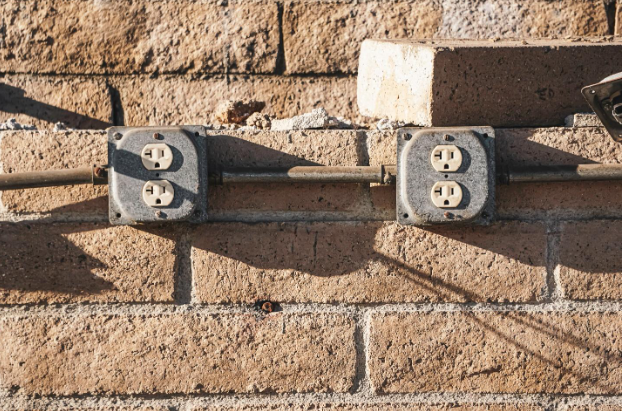
Photo from iStock - Credit: smodj
Moisture Damaged Outlets Why It Happens and Response
Moisture-damaged outlets occur when water reaches receptacles or their boxes and causes corrosion, shorts, or arcing inside the outlet. Visible signs include rusted screws, greenish corrosion, or water stains around the cover plate. Homeowners often ask whether a damp outlet can be dried and left in service, if corrosion or burning smells appear, stop using the outlet and call a professional. A licensed electrician can determine if replacement, a new weatherproof cover, or a GFCI upgrade is needed to restore safe operation.
- Rust on terminals indicates internal corrosion.
- Intermittent power often signals moisture-related shorts.
- A warm or discolored faceplate suggests heat from resistance.
- Burning smells mean immediate disconnection and inspection.
Moisture reaches outlets through poor seals, damaged covers, or condensation in cold nights followed by warm days. Leaves and debris can trap water against boxes and keep them wet for long periods. Professionals inspect the receptacle, open the box, and look for corrosion on the grounding conductor and terminal screws. They may use a voltage reading and a continuity test to confirm compromised connections before recommending repairs.
Diagnosis also includes checking the enclosure rating and existing weatherproofing and testing nearby GFCI protection for proper function. Technicians will record voltage readings and photos and provide a written report showing whether simple repairs or full outlet replacement is needed. For homeowners in Irmo, SC a prompt inspection after heavy rain prevents repeated exposure and hidden damage. Property owners in West Columbia, SC should note any outlet-related odors or frequent trips and seek professional service promptly.
Faulty Outdoor Lighting Causes How It Works and Fixes
Outdoor fixtures often fail from worn sockets, corroded wiring, or failing transformers supplying landscape lights. A common symptom is steady dimming or a fixture that flickers only at dusk and night. Homeowners might notice a buzzing from a wall-mounted lantern or LEDs that flash before staying off. A professional inspects the fixture, measures voltage at the socket, and checks the transformer output to confirm cause.
Loose or corroded connections at the fixture or junction box create high resistance and heat, shortening lamp life. Technicians open fixture housings, look for green corrosion on copper, and perform a continuity test across sockets and conductors. They may use an infrared camera to spot hot spots at connections during a powered test. Repair options include replacing the socket, tightening pigtails, or installing a new weather-rated fixture and enclosure.
Wiring damage from yard work, aging insulation, or animal chewing can show as intermittent outages or lights that only work after tapping the fixture. A professional traces the circuit, inspects inline junction boxes, and tests for proper grounding and neutral continuity. If underground feeds exist, a technician may perform a voltage drop test and inspect conduit entries for deterioration.
LED drivers and external transformers fail differently than incandescent bulbs, often producing slow fade-outs or complete loss without visible bulb damage. Diagnosis includes measuring driver output voltage and checking for proper polarity and grounding at the fixture. Repairs can require replacing the driver, swapping to a compatible fixture, or correcting an overloaded transformer circuit.
Tripped GFCIs Common Triggers and When to Reset
GFCIs often trip outdoors when moisture or a fault appears downstream on the protected circuit. Common triggers include wet appliance cords, damp junction boxes, or small arcs in landscape lighting that the GFCI senses as leakage. A homeowner can first look for obvious wet equipment, unplug devices, and press the reset to see if the circuit holds. If it trips again immediately, stop resetting and consider that a persistent ground fault exists requiring professional inspection.
An electrician diagnoses recurring trips by isolating loads and testing the outlet's device and the circuit. They perform a visual inspection of the receptacle, remove the cover to check wiring, and use a multimeter to read voltage and leakage. They may also use a continuity test to confirm neutral-to-ground faults and record readings for a written report. This diagnostic process helps distinguish a nuisance trip from a hazardous wiring fault that needs repair.
Resetting is appropriate after unplugging outdoor appliances and removing visible moisture, but repeated resets indicate deeper issues. If resetting restores power briefly and trips again under load, the problem could be damaged insulation, a shared neutral, or a failed device on the circuit. Homeowners in Irmo, SC should not run high-wattage equipment from a repeatedly tripping GFCI without an electrician verifying the wiring and load balance. Persistent trips can hide arcing or compromised grounding that create shock risks.
When a pro inspects, they check the upstream breaker, test the GFCI mechanism, and evaluate connected fixtures and junctions. They may open outdoor junction boxes, look for corrosion or loose pigtails, and use a voltage reading to confirm proper grounding conductor continuity. Repair options range from replacing the GFCI device, correcting neutral-ground connections, to repairing damaged conductors in conduit. If you prefer scheduling an inspection after repeated trips, contact a licensed electrician in Columbia, SC to diagnose and document the fault.
Deteriorated Wire Connections Signs and Repair Decisions
Deteriorated wire connections often start with small signs you can spot without tools, like intermittent power, buzzing, or a warm junction box cover. Visible fraying at splices or greenish corrosion on copper conductors suggests moisture-driven oxidation and higher resistance at the joint. A professional inspects the splice by opening the junction box, checking torque on terminal screws, and testing continuity across the connection. If heat discoloration or charred insulation appears, stop using the circuit and arrange a professional repair promptly.
- Loose screws cause arcing and heat.
- Corroded copper increases resistance and voltage drop.
- Cracked wire insulation allows moisture entry.
- Oxidized aluminum connections need special anti-oxidant treatment.
Technicians diagnose troubles using a multimeter to record voltage and continuity across splices and a clamp meter to check load current under normal operation. They may use an infrared camera during a powered test to find hot spots that indicate high-resistance joints needing attention. Part of the check includes verifying the grounding conductor continuity and confirming neutrals are properly isolated in multi-wire circuits. Recordings and photos form a written inspection report that guides repair decisions and replacement scope.
Repair options range from retightening and re-torquing listed connectors to replacing pigtails, upgrading to properly sized wire, or installing a new weather-rated junction box. For aluminum branch-circuit conductors, a professional uses correct rated connectors and anti-oxidant compound to prevent future oxidation. Homeowners in Irmo, SC should note any burning smells near outdoor boxes and avoid DIY splicing without proper training. For recurring issues in West Columbia, SC an electrician can recommend longer-term fixes like relocating boxes above splash zones and replacing degraded conductors.
Storm Related Damages How They Occur and Next Steps
Strong fall storms can damage outdoor branch circuits by dislodging covers, ripping conduit entries, or breaking connections at service-side equipment. Visible signs include bent conduit, hanging wiring, or singed insulation near the meter, but some damage hides behind weatherproof covers. A homeowner should note any sudden loss of multiple outdoor circuits after wind or lightning and avoid touching exposed conductors until power is off. For properties in West Columbia, SC unusual buzzing at the panel or blown fuses after a storm indicates a technician should inspect the service and grounding system.
Lightning and voltage surges often cause failed control boards in landscape lighting transformers and burned conductors at splices without clear external damage. An electrician diagnoses surge damage by measuring voltage at the transformer, checking continuity through affected conductors, and visually inspecting junction boxes for arcing or pitting. They may use a multimeter and record voltage readings to compare against expected values and create a written report of findings. If surge arrestors were present, the pro checks them for failure and documents replacement recommendations.
Wind-driven debris can force water into otherwise sealed enclosures and lift cover gaskets, producing hidden corrosion at terminals over weeks. A thorough inspection includes opening each weatherproof box, cleaning corrosion, and performing continuity tests on the grounding conductor and neutrals to confirm integrity. Technicians often use a moisture meter and a multimeter during these checks and photograph any compromised splices for homeowner records. In Irmo, SC homeowners should watch for gradual performance declines after a storm and schedule an inspection when multiple fixtures behave oddly.
After storm damage, immediate safe steps include switching off affected breakers and avoiding reset attempts if burning smells or visible arcing occur. A professional will isolate circuits, test for proper grounding and neutral continuity, and map damaged runs before recommending repairs or replacements. Expect the electrician to provide voltage and continuity readings, photos of damaged areas, and options such as replacing weatherproof boxes, redoing splices, or installing surge protection. If service panel damage or meter enclosure issues appear, arrange professional service promptly to reduce fire and shock risks.
Seasonal Debris and Wildlife Impact on Circuits
Leaves, pine needles, and seed pods can pile against outdoor junction boxes and fixtures, trapping moisture and creating insulation problems that increase leakage currents. Debris also holds small animals and insects that nest near wiring, which can chew insulation or build nests inside boxes. A professional inspects by opening enclosures, clearing organic material, and checking for insect damage to conductors and connector integrity. They record photos and voltage or continuity readings to confirm whether debris caused a conductive path or only cosmetic harm.
Rodents and raccoons commonly gnaw at cable sheathing, exposing conductors and causing intermittent faults that show as flicker or loss of power under load. An electrician diagnosing animal damage looks for bite marks, frayed insulation, and compromised grounding conductor continuity with a multimeter. The tech may use an infrared camera during operation to find hot spots at damaged conductors or splices that indicate high-resistance joints. Treatment can include replacing sections of wire, installing protected conduit, and relocating junction boxes away from likely nesting areas.
Fallen leaves that pack into fixture housings can smolder when a short or arcing event occurs, producing a burned smell or visible scorching on covers without immediate power loss. Homeowners who notice an odor near an outdoor box should avoid using the circuit and call a professional to inspect for charred insulation or compromised connectors. During the diagnostic visit, a technician will remove debris, perform a continuity test, and document any insulation breakdown that requires replacement. For homeowners in Irmo, SC arranging a prompt inspection after detecting smoke or scorch marks prevents further damage and reduces fire risk.
To reduce repeat problems, technicians check how accessible boxes are to wildlife and advise physical barriers or screened venting to keep animals out without trapping moisture. They may recommend sealing conduit entries with approved fittings and installing raised, gasketed enclosures to minimize leaf entry and water pooling. When recurring chew damage or nesting appears, an electrician documents the findings and suggests durable conduit or rerouting to protect conductors long term. Property owners in West Columbia, SC often find that modest enclosure upgrades stop repeat faults and avoid costly circuit repairs.
Preventive Maintenance Tips to Avoid Outdoor Electrical Problems
Schedule seasonal checks to spot early signs of trouble and reduce outdoor electrical problems before cold weather increases moisture risk. Inspect visible conduit entries, tighten accessible screws, and ensure cover gaskets sit flat against the enclosure. Use a flashlight to look for insect nests and damaged insulation inside accessible boxes without touching conductors. If you find scorch marks or a burnt odor, turn off the circuit and call a professional promptly.
- Keep box gaskets clean and seated.
- Trim vegetation away from fixtures.
- Replace cracked covers immediately.
- Secure loose conduit fittings.
- Document any unusual smells or sounds.
Test GFCIs and outdoor receptacles regularly using their built-in test buttons to confirm proper protection. Record which outlets fail and when so a technician can reproduce the fault during diagnostics. During a professional visit, they will use voltage readings and continuity tests to verify grounding and neutral integrity. For more preventive care advice, read our guide on how electrical maintenance helps prevent outages. Homeowners in Irmo, SC should note failing devices and report patterns when arranging service.
Protect exposed splices and junctions by upgrading to gasketed boxes and using rated connectors to stop corrosion. Consider moving low-mounted boxes higher above typical splash or debris levels during scheduled maintenance. Technicians use a multimeter and infrared camera to confirm repairs removed hot spots and restored safe continuity. For persistent issues, properties in West Columbia, SC may benefit from a planned inspection and written report to guide longer-term upgrades.
When To Call a Professional for Outdoor Electrical Problems
If you notice persistent arcing, burning smells, or repeated breaker trips that resist simple fixes, it's time to call a licensed electrician. A pro starts by isolating the affected circuit and using a multimeter to record voltage and continuity readings. They will open accessible junction boxes, photograph evidence, and check grounding conductor integrity to create a clear repair plan. This factual record helps prioritize immediate safety actions versus planned replacements.
When outdoor equipment fails under load or symptoms appear intermittently at different times, a professional diagnosis uncovers hidden faults rather than guessing at causes. The electrician conducts tests such as voltage under load, continuity checks, and may use an infrared camera to reveal hot spots at connections. They also inspect splices and weatherproof enclosures for corrosion and replace compromised components according to listed practices. Expect a written summary with measured readings and recommended repairs.
If you detect smoke, visible charring, or outlets that feel unusually warm, stop using the circuit and arrange prompt service to reduce fire risk. The technician turns off power, documents damage, and traces the fault back through the circuit to find root causes like failed connectors or insulation breakdown. Repair steps can include replacing damaged conductors, installing gasketed enclosures, or correcting grounding and neutral issues to restore safety.
For recurring problems after seasonal maintenance or storms, a professional can perform a systematic inspection and map problem circuits to prevent repeat calls. They test GFCI operation, examine transformer outputs for landscape lighting, and verify that junction boxes meet weather ratings for long-term protection. The electrician provides options with estimated timelines and materials needed so you can plan necessary repairs without surprises.