
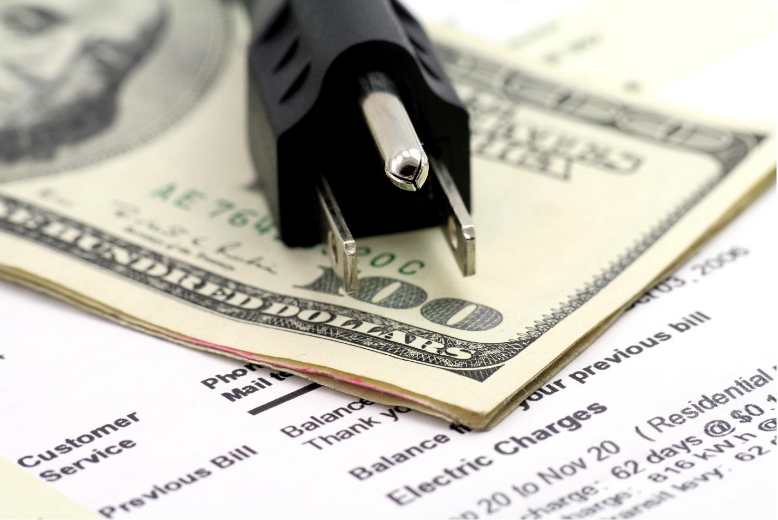
Key Takeaways About South Carolina Electric Rates
This article explains why electric bills change and what drives those cost shifts. It is for homeowners and property managers who need to budget and diagnose bill surprises.
- Identify whether the bill change is rate related or usage related.
- Prevent unexpected spikes by tracking daily kWh and appliance runtimes.
- Avoid billing errors by reviewing meter reads and utility line items.</li>
- Spot equipment issues by noting noises short cycling and longer runtimes.
- Reduce demand charges by shifting large appliance use outside peak hours.
- Plan upgrades after a professional audit with measured kWh savings estimates.
Introduction
Electric bills in South Carolina often change in ways that leave homeowners confused and worried about rising costs. Small shifts in rates can alter monthly budgets and affect decisions about heating and cooling. Understanding why South Carolina electric rates move helps you spot which costs you can influence. For many households, a surprise higher bill creates stress and prompts quick, sometimes costly, fixes.
Utility companies set base rates, but many other factors also affect the final number on your bill. Weather swings, fuel prices, and power plant availability all play a part in what you pay. Seasonal demand during hot summers often drives costs up when many air conditioners run at once. Those changes show up differently for each home depending on usage patterns and equipment efficiency.
Home systems and metering can make bills feel unpredictable even when rates seem stable. An aging air conditioner or a malfunctioning thermostat can increase consumption without obvious warning signs. Metering factors such as time-of-use or demand charges can shift how much you pay during peak hours. Homeowners who notice unusual sounds from vents or shorter cooling cycles may have higher consumption driving their bills.
For homeowners in West Columbia, SC, Columbia, SC, and the surrounding areas, understanding the mix of factors behind a bill matters for budgeting and planning. A clear view of rate drivers reduces surprise costs and helps you decide when to call a professional. Professionals will check components like thermostats, breakers, and meter reads to confirm causes. That inspection step often reveals whether a rate change or a system issue explains the higher monthly charge.
Photo from iStock - Credit: Photography by TIL
How South Carolina Electric Rates Are Set
How South Carolina electric rates are set means regulators, utilities, and fuel markets determine price components for delivery and generation. The public utility commission reviews utility proposals and approves base rates based on costs and expected investments. Utilities submit detailed filings that include projected fuel costs, plant maintenance, and grid upgrades. Homeowners often ask how a commission decision will change their monthly bill and regulators publish summaries explaining estimated bill impacts.
- Base generation charges cover producing electricity.
- Transmission and distribution pay for wires and poles.
- Fuel adjustment clauses track volatile fuel costs.
- Riders or surcharges fund specific programs or repairs.
Regulated utilities recover certain costs through riders that change more frequently than base rates. These riders can adjust for fuel price swings or purchased power agreements and reflect short-term market moves. A common homeowner question is whether a small percentage change in a rider will noticeably affect a monthly bill, and the answer depends on household usage and the rider size. Professionals reading a utility filing look at line-item shifts to predict bill outcomes for typical homes.
When utilities calculate rates, they use meters, load studies, and peak demand records to allocate costs across customer classes. Inspectors may check meter reads, circuit loads, and service panel ratings to verify billing accuracy. For properties in West Columbia, SC a professional would compare recent meter readings and voltage recordings to utility data to confirm usage. For property managers in Columbia, SC reviewing the utility's statement of intent clarifies which costs are temporary and which are permanent.
Common Causes of Monthly Bill Fluctuations
One common cause of bill swings is appliance cycling and standby loads that change with daily routines. Smart appliances, pool pumps, or water heaters that run longer than usual can add unexpected kilowatt-hours. A homeowner who hears a fridge motor running more often or a pump starting at odd times should note those patterns. A professional would check appliance runtimes and take voltage and current readings to confirm higher consumption.
Metering issues sometimes create apparent fluctuations when actual usage stays steady. Loose meter connections or corroded terminals can cause erratic recorded readings that show up as spikes. During an inspection a technician will visually inspect the meter socket, record a meter reading, and perform a basic voltage check to compare against the utility record. If readings differ, the utility can test or replace the meter after a documented report.
Changes in household occupancy and schedule directly affect monthly totals when more people are home for longer periods. Increased cooking, electronics use, and laundry all raise load during daytime hours and shift the pattern of energy use. Tracking hour-by-hour usage on a home energy monitor helps identify which activities drive consumption peaks. For property owners, noting added occupants during holidays or remote work weeks can explain temporary higher bills.
Rate design and billing errors also produce sudden bill changes that are not about physical usage. Time-of-use periods, incorrect meter reads, or misapplied customer class rates can inflate a statement before corrections. A professional review includes comparing the bill's demand charges and time blocks to a meter's interval data and checking service panel labeling. Residential homeowners in Columbia, SC who spot billing anomalies should request a written meter history and a utility review to diagnose the issue.
How Weather and Usage Affect Rate Changes
Cold snaps and heat waves change how utilities dispatch generation, which can push short-term fuel costs higher during extreme weather events. When many customers use heating or cooling simultaneously, utilities may call more expensive peaking plants that raise the overall cost recovered through fuel adjustment clauses. Homeowners will not usually see a separate line for that dispatch choice, but total kWh charges can increase when those plants run more hours. A technician checking higher use after a storm would record meter readings and compare interval usage to local outdoor temperature trends.
Daily routines and thermostat settings shift load patterns and can move usage into higher-priced billing periods for some rate plans. If your plan includes time-of-use pricing, running the dishwasher or electric dryer during peak afternoon prices increases the bill even if monthly kWh totals do not change. A professional diagnosis includes reading the smart meter's interval data and testing a thermostat for setpoint drift or incorrect programming.
Weather-driven systems like heat pumps and backup resistance heat use vastly different energy per hour when outdoor temperatures fall or rise beyond design points. In colder conditions, a heat pump may revert to electric resistance heat that consumes much more power, producing a noticeable bill jump. During an inspection a technician will check the outdoor unit, measure airflow, and take a simple voltage and amp reading at the disconnect to confirm increased draw. Homeowners who hear a compressor short-cycle or notice longer run times should document those sounds and times for the technician.
Changes in solar production and shading from seasonal foliage also alter household net usage and affect bills when net metering applies. Less midday solar output during cloudy months can shift more consumption to grid power, which raises billed kWh without a change in behavior. A professional would compare inverter production logs to meter interval data and inspect panels for visible debris or shading that reduces output.
When Rate Adjustments Impact Household Budgets
When utilities approve rate adjustments, households can see changes that shift budget planning and payment timing. A small percentage rate increase can translate to several dollars more per hundred kilowatt-hours. Bills with seasonal or tiered rates often move the largest portion of cost to high-usage months. Homeowners should compare past statements to spot whether the change is temporary or will repeat each billing cycle.
- Check recent meter reads against your bills.
- Track your kilowatt-hour use each day.
- Note any new appliances or changes in occupancy.
- Watch for new riders or surcharges on the bill.
If you see a sudden budget gap, identify whether the driver is rate-related or usage-related before acting. A quick step is to read the bill's rate history and line items for riders or fuel clauses. A professional can pull interval meter data to separate rate impact from actual consumption. That data helps decide whether behavioral changes or equipment repairs will reduce future bills.
Diagnosing the cause starts with observable symptoms and simple checks a technician performs during an inspection. They will record meter readings, take voltage and amp measurements at the service panel, and inspect major loads like an air conditioner or water heater. Those steps confirm whether increased billed cost comes from a higher unit price or from higher kilowatt-hour use.
How Utility Billing Components Work and Why
Utility bills break down into separate components so homeowners can see what they actually pay for each month. Generation charges cover the actual kilowatt-hours produced while transmission and distribution recover the physical delivery of power through wires and transformers. Riders or fuel adjustment clauses adjust more frequently and reflect short-term cost swings that utilities pass to customers. Understanding which component changed helps decide if usage reduction or a billing review will help lower the total amount.
Demand or customer charges appear on some rate designs and affect households differently than per-kWh charges. Customer charges are fixed monthly fees for service availability, while demand charges relate to peak power draw during a billing period. A technician diagnosing high demand will record peak amps or kilowatts at the service panel during typical peak hours using standard clamp meters. That data confirms whether a single appliance or an aggregated household load caused a higher demand charge.
Net metering and credits for onsite generation alter billed energy flows by offsetting kWh consumed with kWh produced, producing a different net charge. Professionals compare inverter production logs and meter interval readings to ensure solar or battery exports match what the utility records. For homeowners, a mismatch in exported kWh often starts with a disconnected meter communication or inverter reporting error. Resolving that requires coordinated checks of the inverter display and the utility's meter history.
Taxes, franchise fees, and regulatory surcharges also appear as separate lines and can change independently of usage or base rates. When a new rider or fee appears, review the bill lines and utility notices to learn its purpose and expected duration. In Columbia, SC, homeowners often request a written breakdown from the utility to confirm the fee applies to their customer class. A professional review uses meter reads, voltage checks, and a written report to document whether billed components reflect actual service and usage.
When to Call a Professional for Electric Rate Concerns
If your bill shows unexplained charges or sudden spikes after a rate change, call a licensed electrician to inspect wiring and the service panel. A professional will visually inspect the meter socket, check breaker labeling, and take voltage readings to rule out electrical faults. They can also compare recorded meter readings with the utility statement to identify billing or metering errors. If you notice buzzing from the panel or warm cover plates, stop using affected circuits and schedule an inspection promptly.
When time-of-use or demand charges make bills unpredictable, a technician can pull interval data and perform a load audit to find peak contributors. The electrician will measure current at major loads like an air conditioner and water heater with a clamp meter during expected peak hours. That diagnostic data helps separate higher unit prices from concentrated usage that triggers demand charges. Homeowners who see repeated peaks can then decide whether shifting appliance use or upgrading equipment will reduce charges.
If you have onsite generation or a battery system and net metering looks off, hire a pro to compare inverter logs to the utility's net meter history and check communications. An installer will inspect the inverter display, take production snapshots, and confirm the export wiring and disconnect are correct. They may recommend coordinated checks with the utility if readings diverge, which produces a documented report for both parties. For issues affecting multiple meters, the householder should request written interval data from the utility.
Homeowners who want help estimating how a pending rate change will affect bills should get a professional energy review that uses past bills and recent meter interval data. A technician will model expected costs by applying proposed rate structures to your household's interval usage patterns and produce a simple written comparison. This approach identifies whether behavioral changes, demand management, or equipment upgrades will most reduce future bills. If safety concerns arise during the review, the professional will recommend immediate repairs and document needed actions for the utility review.
Practical Ways Homeowners Can Track Costs
Start by tracking daily kWh from your utility account or a home energy monitor to spot trends quickly. Note the time of high-use events and match them to appliance runtimes. Keep a simple log for two to four weeks to establish a baseline for typical consumption. This record helps you see whether a rate change or behavioral shift drives higher costs.
- Record daily meter reads at the same time.
- Log major appliance runtimes and start times.
- Compare weekend and weekday usage patterns.
- Keep copies of bills for at least twelve months.
Use interval data from your smart meter when available to confirm peak periods and demand spikes. A professional can request or download the interval file and map peaks to specific hours. During an inspection the technician will review that interval file and take load measurements at suspected circuits. That process confirms whether timing, not rate, causes higher charges.
Monitor specific components like an air conditioner compressor or electric water heater to diagnose exact contributors to high bills. Note sounds, run times, and short cycling which indicate inefficiency requiring a technician. A qualified electrician will measure amps at the service panel and at large loads with a clamp meter. For homeowners, this targeted check often clarifies whether repairs or load shifting will cut costs.
Long-Term Steps to Reduce Electricity Expenses
Plan equipment upgrades that reduce long-term consumption, such as replacing an aging heat pump compressor or improving insulation. Start with a home energy audit to identify high-use systems and prioritize replacements by measured savings. A technician will inspect the service panel, test major loads with a clamp meter, and produce a simple written report showing expected kWh reductions. Use that report to compare estimated payback periods before committing to upgrades.
Consider replacing incandescent and older CFL lighting with certified ENERGY STAR LED fixtures to cut lighting loads substantially. Focus first on high-hour rooms like kitchens and living areas where bulbs run many hours daily. An electrician can check fixture compatibility and switch wiring, and they will confirm load changes with a basic voltage reading at the circuit. Track the measured reduction in watt-hours on your next few monthly bills to verify savings.
Install a programmable or smart thermostat to reduce wasted heating and cooling runtime while keeping comfort schedules intact. Proper thermostat placement and correct wiring must be verified by a technician to avoid short cycling or incorrect sensor readings. During installation the pro will test system response and record runtime before and after changes to show impact. Over time, small runtime reductions compound into noticeable bill decreases when South Carolina electric rates rise.
Upgrade to high-efficiency appliances when an existing unit nears end of life, focusing on heat-producing loads like electric water heaters and dryers. Tankless or heat pump water heaters typically use fewer kilowatt-hours for the same hot water demand than older resistance tanks. A qualified installer in Columbia, SC will evaluate supply wiring, breaker size, and the service panel capacity before recommending a change.