
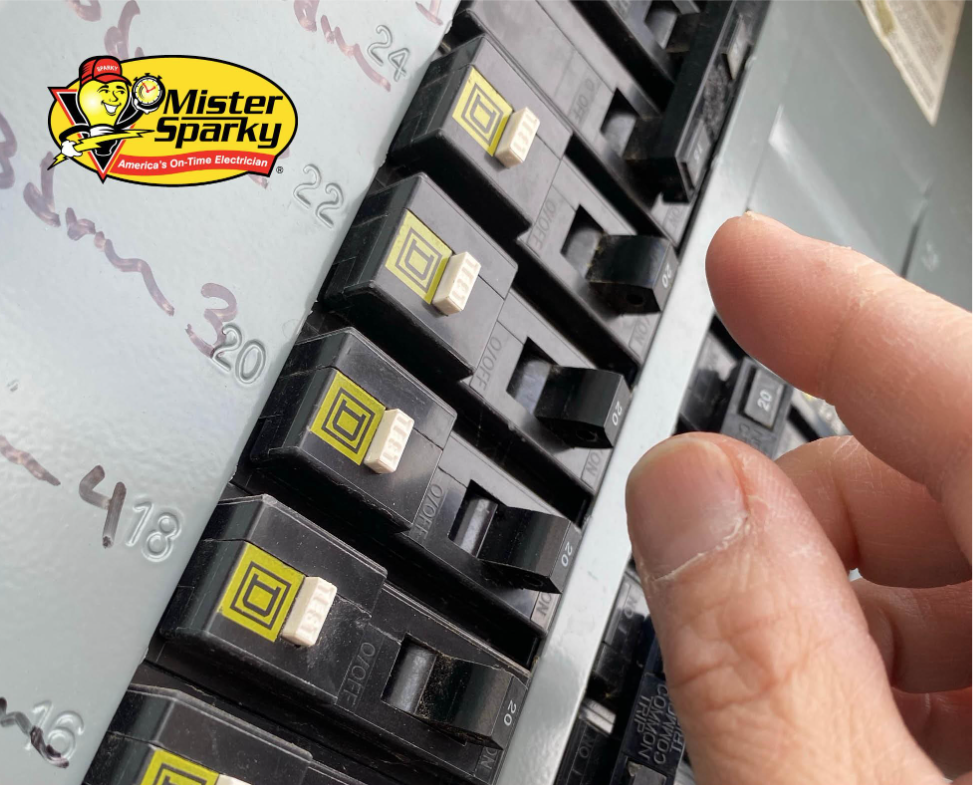
Key Takeaways About Circuit Breaker Installation Services
Circuit breaker installation services cover diagnosing, replacing, and upgrading breakers and panels to keep household wiring protected. This information helps homeowners and property managers decide when to call a licensed electrician for safety or recurring electrical problems.
- Identify burn marks buzzing sounds or frequent nuisance trips early.
- Prevent electrical fires by addressing loose connections and corrosion.
- Avoid improper breaker sizing that can cause overloads or failures.
- Spot moisture pest or physical damage inside the service panel quickly.
- Reduce long term risk with torque checks load measurements and testing.
- Plan upgrades or inspections based on recorded test results and needs.
Introduction
When a circuit breaker trips often or shows burn marks, the electrical risks in a home rise quickly. Faulty breakers can cause sudden power loss, appliance damage, or create fire hazards. Homeowners often notice smells, buzzing sounds, or warm panels before a problem gets worse. Recognizing those signs early makes repairs less costly and reduces safety risks.
Circuit breaker installation services matter because modern homes demand correct sizing and proper connections. An undersized breaker can trip repeatedly while an oversized one can fail to protect wiring during a fault. Proper installation also ensures compatibility with grounding and bonding systems in the service panel. These details affect everyday reliability and long term safety.
Many common safety concerns start at the panel with loose connections, corrosion, or outdated components. Ground-fault and arc-fault protection devices help prevent shocks and electrical fires when installed and tested correctly. A licensed electrician will inspect the panel, check voltage readings, and test GFCI and AFCI devices during diagnosis. That testing produces measurable outputs homeowners can review with a technician.
Homeowners in Columbia, SC and nearby Blythewood, SC rely on clear signs to decide when to call for help. For example, a home that smells of ozone after a breaker trips might have a loose connection that an electrician will inspect next. Timely repair or replacement keeps circuits functioning and reduces the chance of sudden outages or damage. Scheduling professional circuit breaker installation services protects people and property by restoring safe operation.
What Circuit Breakers Do and How They Work
Circuit breakers are mechanical switches that protect electrical circuits by interrupting current during overloads or short circuits. They monitor current flow and trip when readings exceed safe limits, stopping potential damage. Homeowners ask how a breaker decides to trip, and the simple answer is it senses excess current or dangerous arcs. Properly functioning breakers protect wiring and appliances from overheating and reduce fire risk.
- A thermal element trips from sustained overloads.
- An electromagnetic trip reacts to sudden high currents.
- AFCI devices detect dangerous arcing conditions.
- GFCI breakers trip on ground faults quickly.
Internally, a thermal-magnetic breaker combines a bimetal strip and a solenoid to detect faults efficiently. During a slow overload the bimetal bends and opens the circuit after heating. During a short, the solenoid creates a magnetic force that snaps the contacts open immediately. This combination balances nuisance trips and protective speed for household wiring.
Professionals diagnose breaker issues by observing symptoms and running tests like voltage readings and continuity checks. They will inspect the service panel, check load calculations, and test GFCI and AFCI function with a handheld tester. These steps produce measurable outputs such as voltage values and continuity results the homeowner can review. For properties near Columbia, SC, or Blythewood, SC these diagnostics help decide if repair or replacement is needed.
Common Causes of Breaker Failure and Why It Happens
Age and wear commonly cause breakers to fail because internal parts lose tension and contacts pit over time. Corrosion on bus bars or terminals increases resistance and creates heat at connections. A technician will inspect for discoloration and loose screws as part of diagnosis.
Overloaded circuits stress breakers when too many high-draw devices run together for long periods. Continuous overloads can bend bimetal strips and reduce trip accuracy, leading to nuisance trips or failure to trip. An electrician performs load calculations and measures current with a clamp meter to confirm overloads. For residential homeowners, this issue often appears when homeowners add new large appliances without panel upgrades.
Moisture or pest intrusion into the panel can cause shorts and corrosion that make breakers unreliable. Water and humidity lead to rust on contacts and may produce visible residue or a musty odor near the panel. Professionals use visual inspection, voltage readings, and continuity checks to detect moisture-related damage. Photographs and written reports of test results help homeowners understand the scope of repair or replacement.
Incorrect breaker type or poor installation creates failures when devices do not match the panel or conductor size. Using an incompatible breaker can prevent proper tripping and may damage the bus or wiring insulation. During diagnosis a technician verifies breaker model compatibility, checks torque on lug connections, and tests GFCI/AFCI function. If replacement is needed, they follow manufacturer guidance and industry best practices for safe installation.
Recognizing Warning Signs of Breaker Problems Early
Watch for changes in how circuits behave during normal use, like lights dimming briefly when an appliance starts. These transient dips can signal weak connections, worn contacts, or an overloaded branch circuit that needs inspection. A technician will measure voltage at the panel and at the receptacle to compare readings and find where the drop occurs. Early detection of these patterns prevents progressive damage to sensitive electronics and wiring insulation.
A persistent buzzing or humming from the panel or a specific breaker often points to loose terminals or a failing breaker mechanism needing attention. A pro will tighten connections to specified torque and perform a thermal scan to find hot spots that indicate resistance. They may also record voltage and current readings while appliances run to show abnormal heating under load. Addressing these issues early reduces the chance of arcing and related fire hazards.
Repeated nuisance trips that happen without any change in appliance use often mean the breaker has lost calibration or internal parts are deteriorating. During diagnosis, an electrician performs continuity checks and simulated load tests to confirm whether the breaker trips within expected current ranges. They will verify AFCI and GFCI functionality with a tester and compare results to manufacturer specifications. Replacing a breaker that fails these tests restores accurate protection for that circuit.
Look for subtle signs like a faint chemical or metallic smell near the panel, scorched plastic around receptacles, or discoloration on breaker handles as indicators of imminent failure. A professional inspection will include visual checks, torque testing on lugs, and insulation resistance measurements when needed. Homeowners should not ignore these cues because moisture, pests, or age can worsen hidden damage quickly.
When to Call a Professional for Circuit Breaker Installation Services
If you notice persistent problems after simple resets, call a licensed electrician to evaluate the panel and circuits. A professional will confirm whether a circuit requires replacement, panel modification, or only tightening of connections. They will use voltage readings and continuity checks to verify symptoms you observed. Scheduling a service call prevents small issues from becoming larger hazards for the household.
- Visible burn marks on the panel require immediate inspection.
- Repeated trips on the same circuit need diagnostic testing.
- Unexpected warm outlets or switches warrant evaluation.
- Loss of grounding or tripped GFCI demands attention.
When diagnosis points to a failed breaker, technicians perform load calculations to size replacement components correctly. They will inspect bus bar condition and confirm breaker compatibility before ordering parts. A proper installation includes torque checks on lug connections and testing AFCI or GFCI function after swapping devices. This process documents safe operation with measurable test results for your records.
Call soon if you smell burning near the panel or hear unusual buzzing that persists under load. In those cases an electrician may perform thermal imaging or record current measurements to find hot spots.
What To Expect During a Breaker Replacement Visit
When the technician arrives, they first turn off power to the affected circuit and confirm voltage is absent with a voltage tester. Next they remove the panel cover and inspect the breaker, bus bar, and surrounding wiring for visible damage or overheating. The electrician documents findings with photos and takes voltage and continuity readings to record baseline conditions. These steps create written evidence you can review to understand the needed repair.
If replacement is required, the pro verifies breaker type and amperage against panel specifications before proceeding with removal. They loosen the terminal screws, withdraw the old breaker, and inspect the conductor for damage or improper stripping length. During installation the technician seats the new breaker into the bus securely and torques the lug to manufacturer recommendations. After wiring, they restore power briefly to test correct engagement under normal load.
Technicians also run functional tests like GFCI or AFCI trip checks and measure load on the circuit with a clamp meter while appliances run. They look for abnormal heating using a thermal camera and compare readings against nearby unaffected breakers for context. If grounding or bonding issues appear, the electrician points them out and explains next steps to correct the problem.
Before leaving, the pro labels the replaced breaker clearly and provides a written summary of tests, measurements, and parts used during the visit. They advise on immediate safety steps, such as not overloading the circuit and monitoring for unusual smells or sounds. If further upgrades are needed, the technician outlines options and schedules a follow-up inspection or permit-dependent work.
Upgrades and Options for Safer Electrical Panels
Panel upgrades can add protection features that reduce electrical risks and improve diagnosis during future visits. One common option is replacing two-prong outlets with GFCI-protected circuits at the panel to protect wet-area loads. Another upgrade is adding AFCI breakers that detect arcing faults and interrupt power before ignition occurs. Discussing these choices with a technician helps prioritize work based on circuit function and household routines.
Homeowners may also choose to increase service capacity when breakers trip due to legitimate load growth from modern appliances. A load calculation and inspection of the service panel guide whether adding a subpanel or upgrading the main breaker is necessary. Technicians check bus condition, grounding conductor size, and conductor terminations before recommending changes. This planning prevents repeat overloads and keeps wiring within safe ampacity limits.
Additional safety options include surge protection devices installed at the service panel to limit voltage spikes that damage electronics. These devices work with existing breakers and grounding systems to divert transient energy away from sensitive equipment. A professional evaluates panel space and grounding quality before selecting a surge module to ensure compatibility. Documentation of surge protection test results lets homeowners track performance over time.
Retrofit choices sometimes involve replacing the entire panel for improved access, clearer labeling, and newer breaker types that accept AFCI or GFCI functions. During a panel swap the electrician inspects grounding and bonding, measures voltage balance, and records circuit loads for future reference.
Preventive Maintenance Tips for Long Term Safety
Schedule periodic panel inspections every few years to catch gradual deterioration before it affects safety. Have a technician check torque on lug connections and look for corrosion or water stains. Request voltage and current readings during light and heavy load conditions to compare performance. Keep a written report of findings to track changes over time and plan replacements.
- Inspect breaker handles for cracking or discoloration.
- Test GFCI and AFCI devices regularly with a handheld tester.
- Check panel covers for proper fit and secure fasteners.
- Verify labeling matches actual circuit routing in the home.
- Monitor breakers for unusual warmth during normal use.
Limit permanent use of extension cords by assigning dedicated circuits to high-draw appliances when possible. An electrician can perform a load calculation and reassign circuits to balance demand across phases. Balancing reduces thermal stress and extends the life of breakers and wiring. For a homeowner in Columbia, SC this step reduces nuisance trips and overheating risk.
Keep the panel area dry, accessible, and free of clutter to allow airflow and safe inspection access. Avoid storing flammable materials near the service panel or in the same closet as electrical equipment. If you notice moisture or pest evidence, schedule an inspection promptly to prevent corrosion or shorts. Properties in Blythewood, SC benefit from written maintenance schedules that document inspections and repairs.

How Mister Sparky Helps Columbia Homeowners Maintain Reliability
Mister Sparky technicians start with a targeted reliability plan that focuses on recurring trouble spots rather than broad summaries. They inspect connection torque, check grounding conductor integrity, and record voltage readings to track performance over time. Technicians use clamp meters and thermal imaging as needed to produce objective measurements for each visit. Homeowners receive a written report showing test results and recommended next steps to improve system reliability.
When repeated trips or intermittent faults occur, the team sequences diagnostic checks to isolate the cause without unnecessary replacements. They confirm breaker operation with simulated loads and continuity tests while observing load balance across phases. If a defective breaker is found, technicians explain compatible replacement options and expected changes in circuit protection. This process reduces guesswork and helps homeowners prioritize repairs based on measurable evidence.
To lower long-term risk, Mister Sparky recommends targeted upgrades tied to documented findings from inspections and tests. They may suggest adding dedicated circuits for clearly identified high-draw appliances based on recorded current measurements. Technicians also evaluate panel space and handset labeling, providing clear documentation for future maintenance or resale. For a property in Blythewood, SC the records help maintain continuity across ownership or contractor changes.
Scheduling and follow-up practices support reliable outcomes by tracking work orders and test data across visits. Customers receive recommended maintenance intervals based on previous thermal scans and torque checks, not generic timelines. If immediate safety concerns emerge during an inspection, technicians advise leaving circuits off and arranging prompt service to address hazards. Homeowners in Columbia, SC can use the documented test results to make informed scheduling decisions without pressure.