
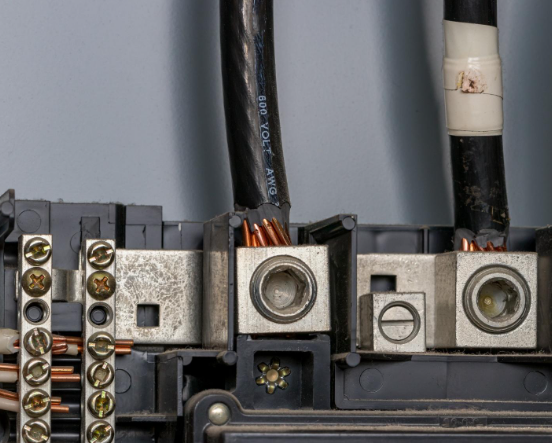
Key Takeaways About Loose Electrical Connections
Loose electrical connections occur when conductors or terminals lose tight contact causing heat and arcing. This summary is for homeowners and property managers who notice symptoms and need guidance on when to call a professional.
- Identify flickering lights and intermittent power as early warning signs.
- Prevent overheating by avoiding continued use of warm outlets.
- Avoid using circuits that produce burning smells or visible damage.
- Spot buzzing or crackling sounds near outlets or the panel quickly.
- Reduce fire risk by documenting symptoms and appliance use timing.
- Plan to schedule a licensed electrician for diagnostic testing and repair.
Introduction
Loose electrical connections often start small but can cause big problems in a home. When a terminal, wire nut, or screw comes loose it raises resistance and heat at the joint. That heat can lead to melted insulation, charred contacts, or sparks that damage fixtures. Homeowners should notice warning signs early to reduce fire risk and prevent appliance failure.
Flickering lights and intermittent power are common early clues of a poor connection. A circuit that trips without an obvious overload can also point to loose wiring rather than a bad appliance. Strange sounds like buzzing or crackling near outlets or the panel often mean electricity is arcing at a connection. These symptoms usually get worse over time if left unaddressed.
Physical signs include discoloration around outlets, scorched plates, or warmth at switches and receptacles. A persistent burning odor without a visible source is a serious red flag that needs prompt attention. For properties in Columbia, SC and nearby Blythewood, SC these conditions matter equally whether the home is older or recently renovated. Ignoring them increases the chance of circuit damage and house fire.
Qualified electricians use inspection, voltage readings, and visual checks to confirm loose electrical connections. They may open the panel, test outlets with a meter, and photograph damaged components for a report. If you notice recurring flicker, heat, or burning smells call a licensed professional to diagnose and fix the issue. Acting quickly protects people, property, and the electrical system itself.
What Loose Electrical Connections Are and How They Form
Loose electrical connections are points where conductors fail to stay tightly joined, raising resistance and heat at the joint. A loose connection can form at a screw terminal, wire nut, or inside a junction box when fasteners back out or wires are cut poorly. Homeowners often ask whether a loose connection can stop a device from working entirely, yes, it can cause intermittent or total loss of power. Identifying the mechanical cause helps prevent repeat problems during repairs.
- Vibration can loosen terminal screws.
- Corrosion eats metal contact surfaces.
- Overheating degrades insulation and connections.
- Poor original installation leaves insufficient conductor contact.
- Oxidation on copper increases resistance.
Connections loosen over time from normal movement, thermal cycling, or improper torque during installation. In older homes the original screws and clamps may fatigue and allow increased resistance at the joint. A homeowner might notice repeated tripping or appliance failure before seeing visible damage. A common question is whether a homeowner can retighten a loose terminal safely, and the short answer is no if you are not comfortable working in an energized panel or outlet.
Technicians diagnose these faults by looking for specific clues with tools like a multimeter and infrared camera. They inspect outlets, switches, junction boxes, and the service panel for loose screws, darkened contacts, or elevated temperatures. Simple checks include visual inspection, torque testing of accessible terminals, and measuring voltage drop under load to confirm a poor connection. For properties in Columbia, SC or Blythewood, SC owners should prioritize diagnosis when symptoms repeat or heat and odor appear.
Flickering Lights as A Clear Warning Sign
Flickering lights often mean a connection is making and breaking under load rather than a failing bulb. This happens when a loose terminal or wire moves and interrupts current flow intermittently. Homeowners may see dimming that syncs with appliance cycles or sudden brief flashes when a load changes. Pay attention to whether the flicker occurs on a single fixture, several lights on one circuit, or across multiple circuits.
Another clue is when the flicker appears with a specific action, like the HVAC starting or a dryer running. That timing points to voltage drop at a joint under increased current demand. An electrician diagnosing the problem will compare voltage readings at the fixture and at the panel while the load is on and off. They may also use an infrared camera to spot a warmer connection point during the same load cycle for confirmation.
Inspect visible fixtures and switches for loose mounting screws or wobbling components that allow conductor movement over time. Tightness checks at light fixtures and switch terminals can reveal a mechanical cause that lets a wire shift when the circuit energizes. For homes this is a common homeowner observation before bringing in a technician. If flicker follows a small movement or tap, avoid repeated testing and call a professional for a safe inspection.
When an electrician diagnoses flicker from loose electrical connections they document findings with measurements and photos for repair planning. Typical steps include turning power off, opening the fixture or switch, inspecting the connection method, and testing repaired joints under load. They will replace damaged terminals, properly torque screws, and retest voltage to ensure the flicker stops. Ask for a written report that shows before-and-after readings so you understand the repairs performed.
Intermittent Power and What to Inspect Next
Intermittent power often feels random but usually follows a pattern tied to load or movement near a joint. A homeowner might notice appliances cutting out briefly when a door closes or a floor vibrates. A technician will check for voltage drop while cycling the affected device to recreate the interruption under controlled conditions. This helps confirm whether a loose electrical connection inside a box or at a terminal is the culprit.
Next, an electrician inspects accessible terminations such as outlet screws, switch connections, and junction box splices for signs of movement or poor contact. They will use a multimeter to measure voltage under no-load and loaded conditions to see if readings fall when devices run. An infrared camera can reveal temperature differences at a joint while the circuit is active, supporting a diagnosis without invasive work. These measurements create a clear before-and-after record to justify repairs.
Homeowners can perform simple, safe checks before calling for help, like noting exactly when outages happen and which appliances run at the time. Do not open the panel or touch wiring if you are unsure, instead document timing and sequence for the electrician. For properties in Columbia, SC this timing detail speeds diagnosis by narrowing likely circuits and devices to inspect first. Clear notes reduce time spent on trial-and-error checks during the service visit.
After confirming intermittent loss from loose electrical connections, a professional will plan repairs such as re-terminating conductors, replacing damaged wire nuts, or upgrading terminal hardware. They may also recommend adding strain relief or securing cables inside the junction box to prevent future movement. The electrician should retest the circuit under normal loads and provide a written summary of findings, photos, and recommendations for follow-up. Ask the technician about replacing any components that show heat damage or corrosion.
Tripped Breakers and Underlying Connection Issues
Frequent breaker trips can hide poor connections at the panel or downstream junctions that a homeowner cannot see. An electrician will isolate the circuit, remove load, and test the breaker and conductors to find where resistance rises. They often use a clamp meter to record current and a multimeter to check voltage drop across terminals while the circuit is energized. These tests reveal whether the breaker trips from true overload or from heating at a loose electrical connection that reduces conductor capacity.
- Check for loose breaker mounting screws.
- Inspect neutral and hot bus connections.
- Look for charred insulation near the terminal.
- Test breakers under controlled load.
During diagnosis, a technician also examines the panel for signs of arcing, such as pitted contacts or discoloration around a terminal. For a closer look at identifying recurring electrical problems, read our guide, "breaker diagnostics for persistent tripping issues." They may log voltage and current readings and take photos for documentation to show where a joint exceeded safe temperature. If a subpanel or branch circuit shows abnormal readings, they will trace wiring runs to junction boxes and device terminations. Repair choices depend on measured damage, which can include reterminating conductors or replacing the breaker and any compromised wiring.
Homeowners in Columbia, SC and Blythewood, SC should note whether trips happen during specific activities like running a range or HVAC compressor. Recording what appliances run at the trip moment helps the electrician narrow the affected circuit quickly. If trips start occurring more often or smoke or burning smells accompany them, stop using the circuit and call a professional immediately. A licensed electrician will provide a clear scope of repairs and retest the system after work is complete to confirm safety.
Unusual Sounds from Outlets and Why It Happens
Buzzing, sizzling, or faint crackling from an outlet often means current is arcing where metal parts no longer make full contact. These sounds come from high-resistance spots that heat quickly under load and can produce tiny sparks. A homeowner might hear the noise when a large appliance cycles or when a switch is moved slightly while in use. If you can safely reproduce the sound by operating the device, note the timing before calling for help.
Another audible clue is a steady hum that changes pitch with appliance load, indicating a loose connection at a device or within a junction box. Electricians listen while operating the circuit and then isolate sections to find the source without needless disassembly. They use a multimeter to check for voltage fluctuation and an infrared camera to spot warmer conductors that match the noise. Those diagnostic steps confirm whether the sound comes from a loose electrical connection or from a faulty appliance motor.
Sometimes the noise only occurs when doors close or floors vibrate, showing how mechanical movement affects a marginal terminal or screw. In a common situation, a homeowner might hear a crackle when a closet door slams and an electrician would check nearby outlets and junction boxes next. Technicians will tighten accessible terminals, reterminate damaged conductors, and retest voltage under load to ensure the sound stops. Photographs and recorded readings form part of the service documentation to show corrected conditions.
Do not try to probe an outlet while it is making electrical noises, this raises shock and fire risk and calls for a professional response. Homeowners should shut off affected circuits if safe and avoid using the outlet until inspected. When contacting an electrician, describe the sound, its timing, and any related heat or odor you noticed to help prioritize the diagnostic steps. The electrician can then schedule a safe inspection and testing to confirm and repair loose electrical connections.
Overheating And Discoloration Around Wiring Joints
Look for softening, melting, or whitening of insulation where conductors join, which signals prolonged overheating at a connection point. Discoloration can appear on wire insulation, device housings, or inside a junction box cover. A technician interprets those visual cues as evidence a joint ran hot repeatedly and needs hands-on inspection immediately. Photographing the damage helps create a baseline for repair decisions and warranty records.
Warmth felt at a switch, outlet faceplate, or circuit breaker usually means resistance is raising temperature at a terminal. An electrician will take temperature readings with an infrared camera and compare those to nearby neutral or unaffected terminals. They also check for copper oxidation, loose screws, and degraded wire nut insulation that indicate a failed splice. Those findings guide whether to reterminate, replace the device, or replace the section of conductor.
Staining or dark spots on plastic plates and inside boxes can hide under paint or behind cover screws, so remove covers during inspection for a clear view. A professional inspects the back of the outlet and the wire terminations for melted insulation, brittle conductors, or pitted contacts. Repair includes removing damaged conductor length, installing correct connector types, and re-seating grounding conductors to restore a safe joint. After repair, retesting under normal load confirms the overheating issue resolved.
In a common situation, a homeowner might notice a warm plate after running a dryer and call for service, an electrician would first shut the circuit off. They then open the box, measure voltage at each terminal under controlled load, and record infrared readings to confirm the loose electrical connections. For homes in Columbia, SC and Blythewood, SC these diagnostic steps help prioritize repairs to reduce fire risk and restore reliable function. Ask the technician for a written report showing pre- and post-repair temperature and voltage readings to understand the work done.
Burning Odors and Immediate Safety Decision Points
If you notice a distinct burning smell that seems electrical in origin, act immediately to reduce risk of fire. Turn off the affected circuit at the breaker if you can reach it safely without touching outlets or switches. If the odor continues after shutting power, leave the area and avoid using appliances on that circuit until evaluated. Contact a licensed electrician to inspect hidden junctions, receptacles, and the service panel for fault sources.
- Do not spray water or use fire extinguishers on energized electrical equipment.
- Unplug nearby appliances only if cords are cool and safe to touch.
- Open windows to clear smoke or fumes if safe to do so.
- Avoid turning lights on or off in the affected area.
An electrician diagnosing the smell will look for charred insulation, melted wire nuts, and hot terminals inside junction boxes. They use a voltage meter and infrared camera to find elevated temperatures and confirm loose electrical connections that create heat. The technician may also perform a continuity check and voltage drop test under load to pinpoint problem locations. These measures provide evidence for repair choices like reterminating, replacing damaged conductors, or upgrading connectors.
For residential homeowners, persistent burning odors warrant prompt professional attention to protect property and occupants. Keep records of when the smell started, which circuits and appliances were active, and any visible signs you observed. When scheduling service, request documented test results and photographs showing the hazard and the completed repair. This documentation helps verify the electrical system is restored and reduces the chance of repeat issues from loose electrical connections.
When to Call a Qualified Electrician in Columbia SC
If a loose electrical connection causes repeated sparks, visible arcing, or recurring breaker trips, schedule a professional inspection right away. Describe the exact symptoms and when they occur so the electrician can prepare the right tools. Include any recent changes to wiring or devices to help focus the diagnostic steps. Request that the technician bring a multimeter and infrared camera for on-site verification.
Call for service immediately when burning odors persist even after powering down the suspected circuit to reduce fire risk. If you notice melting at device housings or exposed charred conductors, avoid using the circuit and contact an electrician.
Arrange a visit when outlets or switches run warm during normal use but return to normal temperature at other times, indicating intermittent heating at a joint. A professional will perform load tests, torque checks, and voltage-drop measurements to confirm loose electrical connections. In Blythewood, SC provide details about which rooms and appliances showed the issue to speed diagnosis. Confirm the electrician will test both device terminations and panel connections during the inspection.
Contact a licensed electrician in Columbia, SC before attempting repairs if you lack experience working with energized panels or wiring to avoid shock or worsening damage. Request a written scope of work that lists recommended repairs such as reterminating conductors, replacing damaged devices, or upgrading connectors. Ask whether the technician will retest the circuit under load and provide before-and-after readings. Schedule follow-up service if the problem recurs after initial repairs so the cause can be fully corrected.