
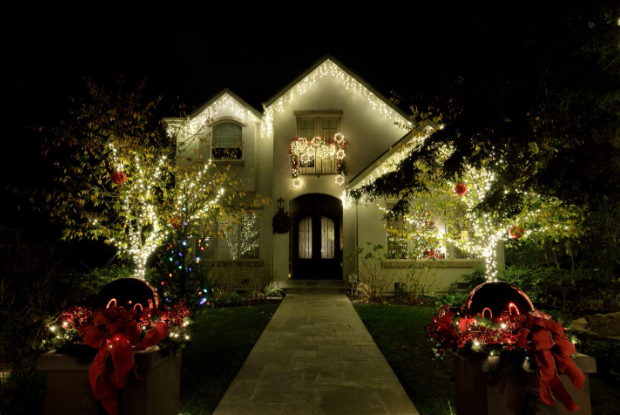
Key Takeaways About Warm Lighting
Warm lighting means using lower color temperatures and layered fixtures to create a soft amber glow. This guide is for homeowners planning holiday décor who need safe and cozy lighting that performs well during gatherings.
- Identify suitable bulbs, fixtures, and color temperatures for mood
- Prevent overloads by planning circuits and load distribution
- Avoid incompatible dimmers and LED drivers that cause flicker
- Spot signs like warm outlets flicker or tripped breakers quickly
- Reduce outdoor risks with rated cords, sealed junctions, and GFCI
- Plan layered scenes with ambient, task, and accent control options
Introduction
Warm lighting transforms a house into a welcoming holiday home by softening edges and highlighting favorite spaces. Many homeowners aim for a cozy glow but end up with lights that feel harsh or uneven. Choosing the right bulbs, fixtures, and placement matters because poor choices can make rooms look smaller or create glare. Electrical safety also matters when adding temporary holiday wiring around living areas.
Outdoor displays present different challenges than indoor setups because weather and power sources change performance and safety. In Blythewood, SC homeowners often balance curb appeal with neighborhood safety when adding strand lighting and path lights. For properties in Gilbert, SC, moisture and late-season storms can expose weak connections or overloaded circuits. Noticing flicker, warm outlets, or tripped breakers points to problems that should be checked quickly.
Warm lighting relies on color temperature, fixtures, and layering to build depth without overpowering a room. Accent lighting, task lights, and ambient sources work together to highlight mantels, wreaths, and entryways. LED options make many designs more energy efficient while keeping a soft color quality that mimics candlelight. Proper placement avoids hotspots and keeps electrical loads within safe limits.
If lights flicker, breakers trip, or GFCI outlets keep resetting, those are observable signs of electrical issues. A professional would inspect the service panel, check circuit breakers, and test outlet wiring continuity with a multimeter. They would also look for loose connections at junction boxes and verify load calculations for added fixtures. Addressing these items helps keep seasonal lighting both beautiful and safe.
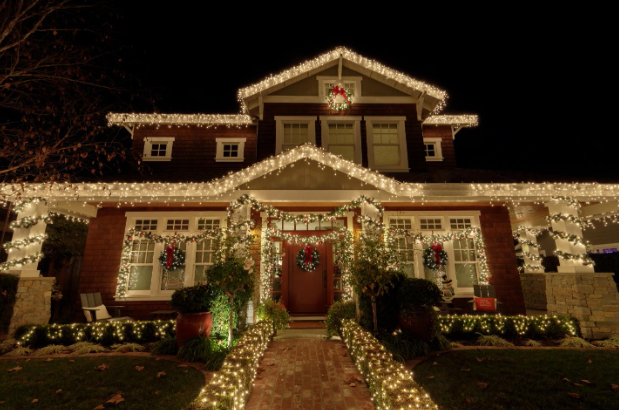
Photo from iStock - Credit: yhelfman
Understanding Warm Lighting and Holiday Atmosphere
Understanding warm lighting means knowing how color temperature and fixture choices create a cozy, inviting atmosphere for holiday décor.
- Warm lighting uses lower color temperatures for a soft amber look.
- Layering combines ambient, task, and accent sources.
- LEDs can mimic candlelight without heat risks.
- Placement prevents glare and preserves sightlines.
Homeowners often ask whether warm lighting will make rooms feel smaller, and the answer is that careful layering prevents that effect.
Start by thinking about where guests gather and which features you want to highlight during the season.
Inspect visible fixtures for discoloration, buzzing, or flicker, as those signs can indicate overloaded circuits or loose wiring that need checking.
How Warm Lighting Works and Safety Signals
Warm lighting depends on two main electrical elements: the bulb's color temperature and the fixture's ability to render color accurately. Color temperature is measured in kelvins and lower values produce amber tones that read as warm to the eye. Fixtures and diffusers affect how that color spreads, so check glass covers or shades for discoloration or heat marks. A trained electrician can measure socket temperature and inspect fixtures for degraded insulation during an assessment.
Another key element is the type of lamp or LED driver used, which affects flicker and dimming behavior in seasonal setups. Poorly matched dimmers and LED drivers often cause visible flicker or limited dimming range, so testing with a voltage meter and compatible dimmer is recommended. In a professional diagnostic, an electrician will perform continuity tests and measure voltage at the fixture and switch to find wiring faults. They will also look inside junction boxes for loose connections that can cause arcing or intermittent power.
Look for safety signals that indicate an immediate need for repair, such as warm outlet faces, repeated breaker trips, or burning smells near lights or cords. These symptoms often point to overloaded circuits, loose neutral connections, or failing components in the service panel that require a qualified technician. For holiday displays in Blythewood, SC or Gilbert, SC, moisture on outdoor connections can add risk and should be inspected promptly. If you notice these signs, contact a professional to perform a load calculation and inspect GFCI protection and circuit breakers.
When diagnosing problems, professionals use a mix of visual checks and simple tests to confirm issues before recommending fixes. They will examine the service panel, test suspect outlets with a receptacle tester, and take voltage readings while lights are on to see real load behavior. Technicians may document findings with photos and a written report to help homeowners decide on repairs or upgrades. These diagnostic steps help ensure warm lighting stays beautiful and reduce the chance of electrical hazards during the holidays.
Choosing LED Warm Lighting for Energy Savings
Choose LED bulbs labeled with a warm color temperature between 2200K and 3000K to achieve a soft amber glow without harsh blue tones. Look for LEDs with a high CRI when accurate color rendering of ornaments and greenery matters. Check the product for an ENERGY STAR rating or manufacturer lumen-per-watt specification to compare energy savings across options. Confirm the bulb base matches existing fixtures to avoid loose connections that generate heat or flicker.
Pick dimmable LED lamps and pair them with compatible dimmer switches to create scenes and conserve energy during lower-use hours. Not all dimmers work with LEDs, so verify compatibility on product labels or with a voltage tester during installation. A professional will perform a simple load check and measure voltage at the dimmer to confirm proper operation under holiday loads. This step avoids buzzing, limited dimming range, and premature driver failure in string or accent lights.
Consider LED warm lighting in string form for outdoor displays where low wattage reduces circuit load and operating costs during long nights. Choose outdoor-rated strings and check junction boxes and connectors for tight seals against moisture in Gilbert, SC conditions. An electrician can test outdoor GFCI receptacles and measure current draw to ensure the circuit can handle extra lighting without nuisance trips. Proper sealing also prevents corrosion that increases resistance and heat at connectors.
When retrofitting fixtures, inspect the fixture wiring, socket condition, and circuit breaker capacity before installing high-lumen LED arrays. A professional would perform continuity checks, measure current with a clamp meter, and review the service panel to confirm available capacity for added lighting. Keep documentation of readings and the fixture condition in case adjustments are needed later for larger displays. Residential homeowners may benefit from this diagnostic approach before expanding seasonal lighting on older circuits.
Layered Lighting Design for Cozy Seasonal Rooms
Start by planning three distinct layers: ambient, task, and accent, then map fixture types to each layer for clear coverage. Ambient sources should provide overall glow without glare or sharp shadows in seating zones. Task lighting must focus on activity areas like reading chairs or tabletop serving stations. Accent fixtures draw attention to mantels, artwork, or a centerpiece without overpowering the room.
- Use dimmable overheads for controllable ambient light.
- Place table lamps near seating for focused task light.
- Add wall washers to highlight mantels and shelves.
- Include small uplights to backlight greenery or wreaths.
Layer placement needs attention to switching and circuit load for safe operation during long holiday evenings. Use separate circuits or switched groups so large displays do not overload a single breaker or outlet. A professional would inspect circuit breakers and perform a load calculation before adding many plugged lights to avoid nuisance trips. This diagnostic step prevents warm outlet faces and tripped breakers that signal overloaded wiring.
Control options change how layers interact and set mood quickly for guests or family gatherings. For more ideas on managing lighting throughout your home, explore our guide, "lighting control setup for smarter daily living." Install multi-way switches or smart dimmers to sequence layers from full brightness to candlelike glow. Confirm dimmer compatibility with LED drivers to avoid flicker or limited dimming ranges. Homeowners in Blythewood, SC may prefer preset scenes for holiday entertaining to reduce repeated adjustments.
Consider how fixture height and direction impact perceived warmth and depth in a room. Lower fixtures and shaded lamps concentrate warm lighting near seating and surfaces, creating intimate pockets for conversation. Recessed cans aimed at walls add bounce without direct glare, increasing perceived space while keeping color tones soft. In Gilbert, SC homes, check outdoor visible windows at night to balance interior glow with exterior curb appeal.
Accent Lighting Ideas for Indoor Holiday Displays
Use small directional fixtures to make mantels and tabletop displays feel intentional without brightening the whole room. Aim narrow-beam LED puck lights or mini spot fixtures at greens and figurines to create focal points. Place lights so wiring hides behind trim or inside a mantel chase to avoid visible cords and tripping hazards. A professional can confirm outlet placement and junction box capacity if you plan hardwired accent points.
Try low-voltage accent fixtures for under-shelf or cabinet lighting that stays subtle and safe near decorations. These systems use a transformer and reduce shock risk when placed close to greenery or wrapped fabrics. During a diagnostic visit, an electrician would check transformer ratings, measure voltage at fixtures, and inspect wiring routing through cabinets. Ask for a written report showing load and connection details before installing many low-voltage runs.
For table and floor accents, choose lamps with warm lighting bulbs and layered shades to soften glare for guests seated nearby. Position lamps on separate switched circuits or use smart plugs so you can control them independently of overheads. If you notice buzzing, dimming limits, or inconsistent brightness, a pro will test the circuit breaker and perform a continuity test at receptacles. In Blythewood, SC, homeowners should also consider moisture near entryways that could affect outlet covers during heavy foot traffic.
Highlight stairways and hall niches with LED step lights or recessed toe-kicks to guide movement and showcase garlands. Install these LEDs on a dedicated circuit or tied into existing lighting with an electrician’s load calculation to prevent nuisance trips. In Gilbert, SC, check for loose outdoor-to-indoor wiring transitions where holiday extension cords pass through thresholds. If inspections show worn insulation or overheated connectors, contact a professional to repair or replace those components safely.
Outdoor Warm Lighting Options and Installation Tips
Start by selecting outdoor-rated fixtures and cords labeled for wet locations to keep warm lighting safe in seasonal displays. Check for UL markings and ratings on strings or pathway fixtures before installing on rooflines or porches. When planning runs along gutters or railings, account for GFCI protection and avoid daisy-chaining multiple extension cords together. If you detect melting insulation or unusual odors at any connection, contact a professional to inspect the circuit and replace damaged components.
Use low-current LED rope lights and bulbs with integrated transformers to reduce circuit load while maintaining a soft amber glow along walkways. Route wiring through weatherproof junction boxes and seal connections with silicone-rated gaskets to prevent moisture entry and corrosion. A technician diagnosing issues will test current draw with a clamp meter and confirm voltage at outdoor receptacles under load. In Gilbert, SC properties, salt or high humidity can accelerate connector corrosion and should be checked during seasonal setup.
Plan circuits so large outdoor displays are split across multiple breakers to prevent nuisance trips and overheating at outlets. Label each circuit at the service panel so you know which breaker controls which display zone during troubleshooting. Professionals will perform a simple load calculation and inspect GFCI functionality to confirm the circuit can handle additional lamps. Homeowners in Blythewood, SC should also watch for repeated breaker trips or warm outlet covers as indicators that a load review is needed.
Mount fixtures securely with hardware appropriate for the surface to avoid movement in wind that stresses connections and causes intermittent faults. Keep cords off walking areas and use proper outdoor-rated staples or clips rather than nails that can pierce insulation. During a diagnostic visit, an electrician will open accessible junction boxes to look for loose neutrals or aluminum-to-copper transitions that raise resistance. Documenting any readings and photos helps homeowners decide whether rewiring or GFCI upgrades are necessary before the next season.
When to Call a Professional for Warm Lighting
If you notice persistent flicker, burning smells, or warm outlet covers, call a licensed electrician in Columbia, SC to inspect wiring and circuits promptly. A pro will open junction boxes, test outlets with a receptacle tester, and take voltage readings while lights run. They can perform a load calculation at the service panel to confirm circuit capacity before recommending changes. This helps prevent hidden faults that simple troubleshooting might miss during busy holiday setups.
- Inspect GFCI protection on outdoor circuits.
- Check for loose neutrals in junction boxes.
- Measure current draw on display circuits.
- Verify dimmer compatibility with LEDs.
If lights trip breakers repeatedly or GFCIs keep resetting, a professional will trace the circuit to locate overloads or faults. Technicians use a clamp meter and multimeter to record current and voltage under load, then inspect connections for corrosion or overheating. They will also look for improper splices or damaged insulation that raise resistance and heat during long runs.
Call a pro before hardwiring accent or low-voltage systems to ensure proper transformer sizing and conductor routing through cabinets or walls. An electrician will verify junction box capacity and perform continuity tests to prevent overheating at concealed splices. They can document findings with photos and a written report to guide any future upgrades or scene controls.
Preventing Hazards and Maintaining Lights Yearly
Inspect cords, plugs, and connectors yearly to catch frayed insulation or bent prongs before the holidays begin. Look for discoloration, melted plastic, or a smell of burning near connections as early warning signs. If you find damaged cords, replace them and avoid repairing with tape which can hide heat buildup and create a fire hazard. For outdoor run checks, ensure seals around junctions remain intact after wet seasons to prevent corrosion and added resistance.
Test GFCI and AFCI devices annually by using their built-in test buttons while lights are unplugged or circuits are under a known load. Document the trip behavior and reset times so you can show results to a professional if intermittent faults persist. A technician will perform continuity tests and voltage readings at the receptacle to confirm proper protection and grounding. Keep records of those readings with photos to speed diagnosis during later visits.
Schedule a simple load review when you add new strands, rope lights, or hardwired accents so the service panel remains within safe limits. An electrician will measure current draw with a clamp meter on each circuit while the display runs to identify overloaded breakers. They also inspect junction boxes and check for loose neutrals that raise heat under sustained holiday use.
Maintain timers, dimmers, and smart controls by checking manufacturer recommendations and replacing components that show heat stress or erratic behavior. Replace bulbs nearing end of life and verify dimmer compatibility with newer LED drivers to prevent flicker or early driver failure. In Gilbert, SC, pay attention to outdoor receptacle gaskets and replace them if they are brittle or cracked after summer exposure. When in doubt about wiring inside walls, contact a licensed electrician to perform an inspection and provide a written safety report.













