
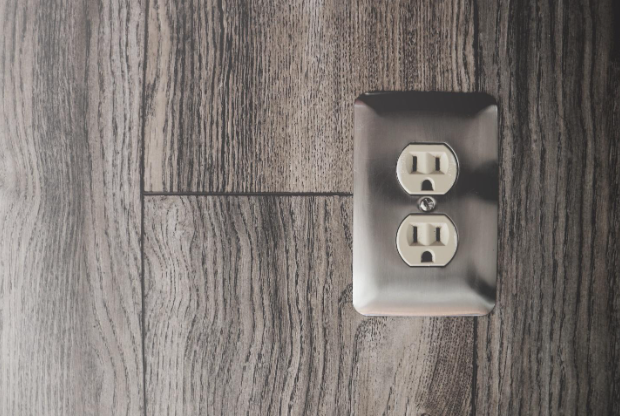
Key Takeaways About Buzzing Outlets
A buzzing outlets refers to audible vibration or humming from receptacles or wiring that signals an electrical fault. This summary is for homeowners and property managers who hear unusual sounds and need to know when to act.
- Identify loose terminals and corroded connections quickly.
- Prevent overloads by checking appliance loads and breaker ratings.
- Avoid using outlets that emit heat smoke or sparks.
- Spot patterns by noting which devices run when noise occurs.
- Reduce fire risk with prompt professional voltage and thermal testing.
- Plan repairs or upgrades based on a licensed electrician report.
Introduction
A low hum or sharp buzz from an outlet can feel small but it often signals wiring trouble that matters. Buzzing outlets sometimes mean loose connections, overloaded circuits, or failing components behind the faceplate. Those hidden problems can cause intermittent power, damaged devices, and even a risk of fire. Homeowners should take the sound seriously and know the signs to watch for.
Noise often appears with other clues like flickering lights, warm covers, or a burning odor near the outlet. The cause might be in the receptacle, a junction box, or the circuit breaker feeding that circuit. Older wiring or DIY changes increase the chance of trouble in a system. Recognizing linked symptoms helps prioritize action before damage grows.
For properties in Columbia, SC and Eau Claire, SC the local climate and home ages can make electrical wear show in common ways. A buzzing outlet should not be chalked up to background noise during a storm or power fluctuation. Persistent or worsening sounds mean the wiring needs inspection by someone trained. Quick recognition reduces the likelihood of appliance loss or a dangerous failure.
Licensed electricians will confirm the issue with testing and a visual inspection of outlets, breakers, and junctions. They can identify loose terminals, overloaded circuits, and failing GFCI or AFCI devices that create noise. If you notice buzzing, warm sockets, or repeated breaker trips call a professional to diagnose the problem. Prompt attention protects your home and family from escalation.
How Buzzing Outlets Happen Inside Home Wiring
How buzzing outlets occur inside home wiring refers to the electrical vibrations and noise produced by failing connections or components. The sound often starts where current passes through a loose terminal, causing arcing or micro-vibrations homeowners hear. A common homeowner question is whether the noise means imminent danger; persistent buzzing can indicate escalating risk and requires attention. Professionals use visual checks and voltage readings to tell if the noise comes from the receptacle, a junction, or the breaker.
- Loose terminal screws can create a humming connection.
- Damaged insulation can allow wires to touch and vibrate.
- Overloaded circuits cause wires to heat and buzz under load.
- Failing internal parts in outlets or switches may vibrate audibly.
Vibration forms when electrical current alternates through a marginal connection and causes mechanical movement in metal parts. You may notice the sound only when specific appliances run or during peak load times in the evening. An outlet that buzzes along with a warm cover often pinpoints a bad connection at the receptacle or the wiring behind it. In some houses in Columbia, SC such symptoms appear first near older installations or circuits near capacity.
To diagnose where buzzing outlets originate, an electrician will turn off power, remove the faceplate, and examine terminals and wire condition. They will perform a voltage reading and continuity test to confirm loose connections or high-resistance points. A thermal check with an infrared camera can reveal hotspots hidden behind walls or in the panel
Common Causes Behind Buzzing Outlets and Faults
Most buzzing outlets trace to four main fault categories that electricians check next during a focused inspection. One common source is a worn or oxidized conductor at the terminal creating high resistance and audible vibration under load. Another source can be a shared neutral in multi-wire branch circuits that becomes imbalanced and produces noise when large appliances switch on. Professionals note which devices run when the sound occurs to link symptoms to specific circuits quickly.
Loose screws and push-in connections inside a receptacle often let the conductor move and arc faintly, producing a buzz that grows with load. Corrosion from moisture or age reduces contact area and raises temperature, making the sound more obvious. An electrician will look for discoloration, melted insulation, and stiff wiring that no longer holds under terminal pressure. These visual cues narrow the repair from a simple tighten to a replacement of the device or wiring.
In some situations, the source sits upstream in the circuit breaker or a junction box rather than at the outlet itself. A failing breaker or loose lug in the panel can transmit vibration through the wiring network and appear as a distant buzz. Technicians perform voltage readings at the panel and at the outlet to compare values and find any abnormal drops or fluctuations. They may also open junction boxes to inspect wirenuts and splices that can hide high-resistance faults behind walls.
Electrical devices with motors, dimmers, or transformers sometimes interact with wiring to create perceptible buzzing at an outlet when connected. The combination of a marginal connection and a device that draws pulsed current increases mechanical vibration. For homeowners in Columbia, SC, including the Eau Claire area, noting when buzzing occurs and which appliances are running can help electricians identify potential wiring or device problems. A professional can use voltage testing and thermal imaging to investigate suspected electrical faults and recommend appropriate repairs to address safety risks and eliminate the source of the noise.
Wiring Connections Loose or Corroded Why It Buzzes
Loose or corroded connections create high-resistance points that heat under load and may produce buzzing sounds homeowners hear. A technician inspects terminal screws, wire strands, and push-in connectors for looseness or greenish oxidation. They also check wiring clamps and grounding conductors for secure connections and proper continuity. Proper corrosion prevention and control practices for electrical wiring and interconnect systems help technicians identify moisture damage, address deteriorating connections, and reduce the risk of recurring electrical problems.
Corrosion can form where moisture reaches a junction or outlet box and slowly degrades copper conductors and screws, increasing resistance and noise. An electrician will remove the receptacle and examine the conductor ends for pitting, brittle insulation, or discoloration that indicates heat damage. They use a continuity test and a voltage reading under load to confirm a high-resistance fault rather than a device noise issue. Repair options range from cleaning and re-terminating the conductor to replacing the receptacle and the short run of wiring.
Loose connections inside a junction box or at the breaker lug may transmit buzzing through multiple outlets on the same circuit, so isolating the exact location is critical. A professional will turn off power, loosen and retighten terminals to the correct torque, and reseat wire connectors while observing for movement or poor grip. They may record voltage drop measurements and thermal images to document hotspots before and after repairs. For homeowners in Eau Claire, SC, sharing which outlets buzz under load speeds diagnosis during the visit.
When corrosion or looseness reaches a splice or shared neutral, the result can be intermittent arcing and higher fire risk that requires immediate attention. Technicians will replace compromised wirenuts, splices, or terminal blocks and ensure the grounding conductor remains solidly attached to the metal box and receptacle. After repairs, they recheck voltage under typical appliance loads and test GFCI or AFCI devices on the circuit for proper response. If you hear buzzing outlets in Columbia, SC, schedule a professional inspection to confirm repair and reduce hazard.
Overloaded Circuits and Appliance Related Vibrations
High-draw appliances can push a circuit past its safe capacity, causing conductors and connections to vibrate under heavy load. Appliances with motors or heating elements produce variable current that stresses marginal terminations and can create buzzing outlets during operation. An electrician will check the circuit breaker rating and perform a load calculation to see if the branch circuit matches the combined appliance demand. If the load exceeds safe limits, the technician may suggest redistributing loads or upgrading the circuit to handle continuous draw.
- Check which appliances run when the buzz starts.
- Note whether the breaker trips during the noise.
- Listen for vibration increasing with appliance speed.
- Verify if multiple outlets on the same circuit buzz.
Vibrations from a heavy appliance can travel through wiring and make a distant outlet sound like the source when it is not. A professional isolates the circuit, turns off devices, and uses a clamp meter to measure current while the appliance runs elsewhere. They also inspect the panel for any loose lugs or overloaded bus connections that transmit mechanical noise. When a load test shows normal wiring current but the outlet still vibrates, the appliance itself may need service or a dedicated circuit.
Multi-wire branch circuits and shared neutrals complicate overload diagnosis because imbalance can concentrate heat and vibration on one conductor. An electrician will test each hot and neutral under load to detect imbalances and measure voltage drop across the circuit. Corrective steps include rebalancing loads, reterminating connections, or installing a separate circuit for large appliances. Homeowners in Eau Claire, SC should tell technicians which appliances run when buzzing occurs to speed identification of overloaded wiring.

Photo from iStock - Credit: Matt Young
Faulty Switches Receptacles and Internal Component Failures
Failure inside switches and receptacles often comes from worn contacts that no longer hold tight under cycling, producing intermittent buzzing under load. A technician will look for signs like pitted contact surfaces, melted plastic, or discoloration inside the device during inspection. Replacing the faulty switch or receptacle eliminates movement and restores solid contact, which usually removes the audible vibration. Homeowners should note if a sound changes with the switch position to help pinpoint an internal failure.
Capacitors and internal transformers in dimmer switches or electronic timers can hum when they age or overheat, creating a buzzing sound at nearby outlets. An electrician isolates the affected device by removing and testing it with a handheld meter, looking for abnormal voltage or leakage that signals component failure. If a dimmer or timer is the culprit, swapping to a compatible device rated for the load will stop the vibration and prevent further stress on the circuit. For properties in Columbia, SC, technicians commonly check compatibility between LED loads and older dimmer technology.
Faulty GFCI or AFCI devices can trip intermittently or produce a faint buzz when their internal sensing electronics degrade, which may indicate failure despite appearing functional. During diagnosis, a pro will test device trip characteristics, measure leakage current, and compare readings against known good devices to confirm internal faults. Replacement of the device often requires an understanding of the circuit's protective needs and correct wiring of the line and load conductors. In Eau Claire, SC, homeowners sometimes discover these devices age faster in high-use areas such as kitchens or garages.
Loose internal mounting or a degrading plastic body can allow components to move slightly and vibrate at line frequency when energized, especially under amplified loads. A hands-on inspection includes removing the device, checking mounting screws, and verifying the box-to-device fit to remove mechanical play that causes noise. Professionals will record voltage readings and, if necessary, test the circuit under typical appliance loads to confirm the fix. If internal component failure is confirmed, replacing the device and rechecking tightness and continuity will prevent recurrence.
Hidden Wiring Problems Behind Walls What to Look For
Hidden wiring faults often sit in inaccessible junction boxes where multiple splices share a neutral or hot conductor, creating intermittent buzzing under certain loads. A professional will look for poor wirenut installations and overheated splice insulation that can degrade silently over years. Homeowners sometimes detect faint arcing smells or see small scorch marks on adjacent drywall that point to a concealed problem. In Eau Claire, SC, these clues help technicians prioritize which wall cavities to open safely for inspection.
Knob-and-tube remnants, aluminum conversions, or mixed-metal splices can hide behind walls and create high-resistance connections that buzz only when current flows. An electrician will perform voltage drop measurements at the outlet while exercising the circuit to reveal abnormal differences between hot and neutral. They may also use an infrared camera to find hot runs or a non-contact voltage tester to map energized conductors without opening every cavity. Those noninvasive checks reduce unnecessary damage while locating the exact fault.
Loose conduit or poorly supported cable can allow mechanical vibration to transfer to junction boxes and outlets, making the sound travel through walls and confuse the source location. A technician checks cable clamps, box mounting, and the continuity of grounding conductors to confirm solid mechanical and electrical connections. They will also remove faceplates and probe for backstabbed conductors that lose contact under load and produce audible signs. If a concealed splice shows heat or charring, the electrician documents readings and recommends immediate repair.
To confirm a hidden fault, a professional follows a stepwise diagnostic process using voltage readings, continuity tests, and thermal imaging while isolating circuits one at a time. They may temporarily disconnect loads or move appliances to see if the buzzing changes location, helping identify whether wiring or a device causes the noise. After repairs, the technician rechecks voltage under typical appliance loads and provides a written report of findings and actions taken. For properties in Columbia, SC, such documentation helps homeowners track repairs and plan any necessary circuit upgrades.
Fire Hazard Risks from Persistent Buzzing Outlets
Persistent buzzing outlets can indicate conditions that raise the chance of ignition if left unaddressed. Repeated arcing or a high-resistance splice generates heat that can char insulation and nearby building materials. Heat buildup often starts small but can spread into wall cavities where it escapes homeowner notice until smoke appears. If you smell ozone or faint burning, shut off the circuit and call a professional right away.
- Charred insulation can expose conductors.
- Sparking can ignite cellulose in wall cavities.
- Overheated devices may deform or melt.
- Loose neutrals increase arcing risk.
Electrical fires often begin at a point of mechanical or electrical failure inside a box or device, not at the visible outlet face. A technician will check for discoloration, brittle insulation, or soft plastic that shows past heat exposure during inspection. They use a thermal camera and voltage readings to find hotspots hidden behind drywall or in the panel, confirming elevated temperatures before fire starts. These diagnostic steps let the pro prioritize repairs to the riskiest components first.
Addressing persistent buzzing outlets reduces the chance of smoldering fires that produce little flame but lots of smoke. Professionals also evaluate load balance and protective devices like AFCI breakers to see if protection upgrades would prevent future faults. For homeowners in Columbia, SC, documenting observed sounds and smells helps the electrician locate intermittent conditions during the visit. In Eau Claire, SC, sharing when the noise occurs can point technicians to seasonally influenced appliance use patterns.
When to Call Mister Sparky of Columbia SC
If the buzzing outlets persist despite unplugging devices and resetting breakers, schedule a professional inspection promptly. A licensed electrician in Columbia, SC will perform voltage measurements, continuity checks, and thermal imaging to locate hidden faults accurately. They can also test protective devices like AFCI and GFCI to confirm proper operation under load. Asking for a written report helps track repairs and future monitoring needs.
Describe exactly when the sound appears and which appliances run to help the technician narrow the cause quickly. A pro may isolate circuits, remove faceplates, and test receptacle terminals while the circuit is energized for controlled readings. They will look for abnormal voltage drop, loose neutrals, or failing device components that require replacement. This process helps determine whether a simple device swap or a panel-side repair is necessary.
When visible scorching, a burning odor, or repeated breaker trips accompany buzzing outlets, call immediately and shut off the circuit at the breaker. Those signs point to overheating that could escalate into ignition without repair. The electrician will prioritize repairs that remove heat sources and restore secure terminations to reduce fire risk.
Request that the technician explain repair options and any recommended circuit upgrades to prevent recurrence of buzzing outlets in the future. Upgrades might include replacing worn receptacles, reterminating splices, or installing appropriately rated breakers for shared neutrals. Ask for measured current readings and before-and-after thermal images when applicable to confirm the fix. Residents in Eau Claire, SC should schedule a professional evaluation rather than delay when signs of electrical distress appear.













