
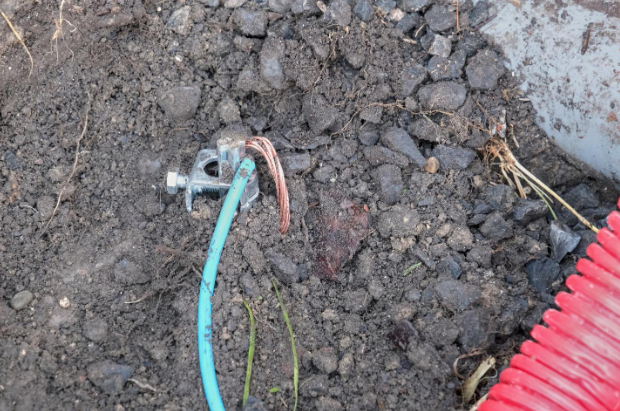
Key Takeaways About Grounding and Bonding
Grounding and bonding are safety measures that control stray voltage and keep metal parts at the same potential. This summary helps homeowners and property managers decide when to inspect or call a professional for problems that cause shocks or nuisance trips.
- Identify visible signs like flickering lights or tingling sensations.
- Prevent bootleg grounds by separating neutral and grounding conductors.
- Avoid unsafe DIY work near the service panel or piping.
- Spot corroded clamps and loose bonding jumpers on piping.
- Reduce nuisance trips by verifying continuity and measuring voltages.
- Plan professional testing when burning smells or scorch marks appear.
Introduction
Grounding and bonding often get mixed together, but they serve different safety roles in a home electrical system. A poor connection can cause shocks or nuisance tripping that frustrates occupants. Homeowners may notice flickering lights, dead outlets, or breakers that trip without obvious cause. These signs point to problems with grounding and bonding that deserve attention.
Grounding gives a safe path for stray voltage to reach the earth and helps protect equipment during faults. Bonding ties metal components together so they share the same electrical potential and avoid dangerous voltage differences. When water or gas lines become accidental conductors, touching appliances or piping can create shock risks. That risk matters more in older homes and properties with mixed upgrades.
Bootleg grounds are a common culprit when people retrofit outlets and connect neutral to ground incorrectly. Such improper connections can defeat GFCI protection and hide wiring faults until they cause harm. Verifying continuity and correct connections requires testing at the panel and at outlets with proper tools. A professional diagnosis gives clear readings and reduces guesswork for homeowners in Lexington, SC.
Bonding metal water and gas piping back to the electrical system prevents dangerous voltage between systems and reduces nuisance trips. Professionals check continuity, inspect clamps, and ensure grounding conductors are intact and properly sized. If you smell burning, hear arcing, or see scorch marks, stop using the circuit and contact an electrician. For properties in Cayce, SC where older service components exist, prompt attention prevents small problems from becoming safety hazards.
Grounding and Bonding Explained: How It Works
Grounding and bonding refer to two distinct safety practices in electrical systems that control stray voltage and equalize metal parts. Grounding sends fault current to earth through a grounding conductor and a rod or plate. Bonding connects metal pipes and enclosures together so they stay at the same electrical potential. Homeowners often ask whether a visible bare copper wire at an outlet is a proper ground, and the answer is that visual checks are not enough without testing for continuity.
- Grounding conductor connects to earth.
- Bonding ties metal parts together.
- GFCI protects against imbalance faults.
- Continuity testing confirms connections.
In practice, grounding uses the grounding bus at the service panel and a grounding electrode conductor to the rod. Bonding uses bonding jumpers or clamps on pipes, meter bases, and service equipment to eliminate voltage differences. A proper bond prevents a gas line or water pipe from becoming a shock hazard when appliances leak current. Professionals check both paths to ensure faults follow the intended route instead of through a person.
To diagnose issues, an electrician will measure voltage between ground and neutral, and perform a continuity test on the bonding jumper. Observable symptoms that prompt testing include outlets that show ground present but GFCIs that trip unexpectedly. A technician inspects clamps, checks the grounding electrode, and records voltage and continuity readings for a clear report.
After repairs, verification includes a final continuity test and a functional GFCI test at affected outlets and the panel. A homeowner who smells burning or sees scorch marks should stop using the circuit and contact a professional immediately. For older plumbing or mixed-metal piping in Cayce, SC, bonding checks reduce stray voltage risks and nuisance trips.
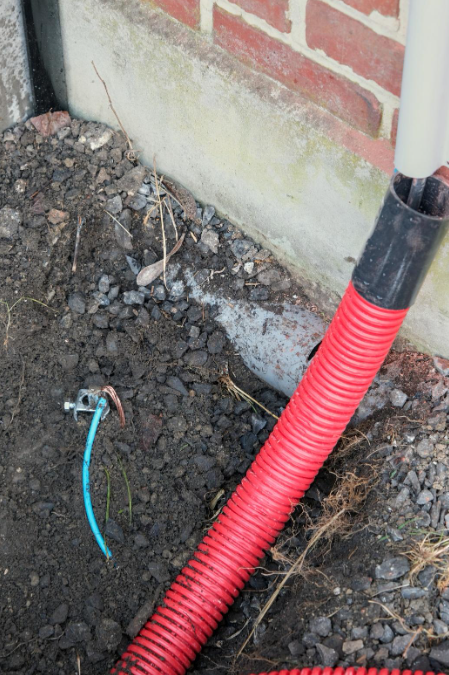
Photo from iStock - Credit: Igor Paszkiewicz
Difference Between Grounding and Bonding Systems
Grounding and bonding differ in their targets and how they protect people and equipment. Grounding focuses on a low-impedance path from electrical systems to earth using a grounding electrode conductor and rod. Bonding concentrates on electrically connecting metal parts like service enclosures, water piping, and equipment so they share the same potential. Understanding that grounding ends at the earth while bonding ties conductors and metal together helps homeowners know what a technician will address.
In practice, a grounding conductor is sized and routed to carry fault current to the electrode and does not rely on piping to perform that function. A bond uses a jumper or clamp to link metal plumbing, gas lines, and meter bases back to the service grounding system so there is no dangerous voltage difference. Improper bonding or missing jumpers can allow metal parts to float at different voltages, creating shock risk when touching two disconnected components. A professional will inspect clamps, continuity across joints, and conductor sizes to confirm correct bonding.
Technicians diagnose differences by concentrating tests in distinct places: they test the resistance to earth for the grounding electrode and measure continuity between bonded parts. A continuity test across a water pipe joint and between the pipe and the grounding bus confirms the bond is continuous and low resistance. Voltage measurements between neutral and ground or between two metal systems reveal stray potentials that indicate a missing or failed bond. These separate inspection steps ensure the fix focuses on the actual weak point rather than treating grounding and bonding as one problem.
Homeowners in Lexington, SC may see symptoms that suggest either issue, but the cure depends on which system fails. In Cayce, SC properties with mixed-up retrofits, professionals check for bootleg grounds and ensure bonding clamps meet code-required placement and tightness. After testing, electricians document readings, recommend replacing corroded clamps, and install appropriately sized conductors where needed. If you detect burning smells or visible arcing, stop using the circuit and contact a licensed electrician for diagnosis and electrical repair.
Common Causes of Bootleg Grounds and Backfeeds
One common cause is improper DIY repairs where a neutral and ground are tied together in an outlet box. Homeowners may add a short jumper to stop GFCI trips without fixing the underlying wiring fault. That creates a bootleg ground that can carry neutral current on the equipment grounding conductor and defeat safety devices. An electrician will trace the circuit and test neutral-to-ground voltage to confirm this condition.
Another source is backfeed from multi-wire branch circuits that share neutrals incorrectly when breakers are not handle-tied. Shared-neutral arrangements can energize a grounding path under certain load conditions and cause unexpected voltage on metal parts. Professionals inspect the panel, verify breaker pairing or handle ties, and measure current and voltage on each conductor during a load test. Repairs may require reconfiguring circuits or installing a two-pole breaker to stop the backfeed.
Corroded or loose bonding clamps on water and gas piping also lead to intermittent connections that mimic bootleg grounds. Corrosion raises resistance so continuity tests show fluctuating readings and appliances may cause shocks when touching a pipe. A technician will clean or replace clamps, measure continuity with a meter, and document resistance values before and after repair. This process gives owners a clear before-and-after comparison for safety assurance in Lexington, SC.
Shared metallic paths through appliances or conduit can unintentionally tie systems together and produce backfeed during faults. For example, a metal appliance frame connected to old wiring can carry current into a water pipe if bonding is missing. Inspectors use continuity tests and voltage checks between separate metallic systems to pinpoint where the backfeed travels.
Warning Signs of Poor Grounding and Bonding
Loose or warm connections often produce intermittent shocks at metal fixtures or outlets when touched during certain times of day. You might notice a tingling sensation on a kitchen faucet or countertop appliance under specific loads or when HVAC runs. A professional inspects terminal screws, bonding clamps, and panel lug tightness while measuring continuity and voltage under load. If you see discoloration or melting at an outlet or device, stop using it and call a licensed electrician.
- Flickering lights during appliance startup can indicate a loose ground path.
- GFCIs that trip without a clear fault may show bonding issues.
- Voltage readings between neutral and ground over a few volts is a red flag.
- Metal piping that shocks only when certain appliances run suggests intermittent continuity.
Sustained stray voltage on piping sometimes shows up as corrosion accelerating at joints or unusual electrochemical wear. Homeowners may hear buzzing near the panel or a metallic hum from service equipment when a bond is poor. Electricians use continuity tests and clamp-on meters to compare readings before and after tightening or replacing bonds.
Unexpected breaker trips without clear overloads can point to backfeed paths caused by missing bonds or bootleg grounds. A technician diagnoses by isolating circuits, testing for neutral-to-ground voltage, and checking multi-wire branch circuits under load. For properties in Cayce, SC where mixed upgrades exist, professionals trace paths using a meter and visual inspection to find shared metallic routes. If testing shows conductive paths through plumbing or appliance frames, repairs should include proper bonding and continuity verification.
Bonding Gas and Water Lines Safety Checklist
Begin with a visual inspection of clamps and bonding jumpers on gas and water lines, looking for loose hardware or heavy corrosion that breaks contact. Use a flashlight to see beneath insulation or paint where the clamp meets metal and note any flaking metal or greenish corrosion. If a clamp appears damaged, plan to replace it with a listed clamp sized to the conductor and pipe. Always avoid cutting or removing existing bonds until you can install a permanent replacement.
Confirm mechanical tightness by gently tugging the bonding conductor where it attaches to pipes and enclosures, watching for movement or frayed strands that indicate a weak connection. Next, perform a continuity test from the piping to the grounding bus using a meter set to resistance, and record the reading for comparison after repairs. If resistance reads higher than expected or fluctuates when moved, clean the contact area or replace the clamp and retest. Keep photos and the readings as part of the safety record for the homeowner.
Check that bonding conductors route without sharp bends, pinching, or exposure to potential damage from other trades or moving parts, and secure them with proper straps every few feet. Ensure conductors are sized appropriately for the service and that connections are made with listed fittings designed for electrical bonding to piping materials. For accessible junctions, verify screws and lugs are tightened to a firm feel and free of paint or sealant that can insulate the contact.
Inspect isolation fittings, dielectric unions, and meter sockets for unintended isolation of the bond path and add approved bonding jumpers where necessary to maintain electrical continuity. After all mechanical work, re-measure continuity under the same conditions and compare values to the initial test to confirm improvement. If readings still show high resistance or intermittent continuity, consult a licensed electrician for further diagnosis before restoring normal use.
Verifying Continuity Tools Methods and Decision Points
Start continuity checks at the point of complaint and work outward toward the panel, documenting each reading with timestamps and photos. Use a digital multimeter set to the lowest resistance range and clamp-on testers for live checks when required. Compare readings against previous measurements to identify intermittent faults or degrading clamps that show rising resistance. If readings change when a device or appliance runs, note the load conditions before proceeding with repairs.
- Confirm meter calibration before testing.
- Measure resistance from pipe to grounding bus.
- Test outlet ground to panel with continuity mode.
- Record any fluctuating or high readings.
To verify a suspected bootleg ground, measure voltage between neutral and equipment ground at several points along the circuit. A small steady voltage may indicate load on the neutral while larger or load-dependent voltage suggests a false ground path. Technicians also perform a continuity test from device ground to the grounding electrode conductor to confirm a continuous low-resistance route. If the path is broken or high resistance, the decision moves toward running a dedicated grounding conductor or repairing clamps.
When bonding gas or water lines, measure continuity across unions, dielectric fittings, and meter sockets to ensure jumpers maintain electrical continuity. If continuity drops when touching a clamp or pipe, replace the clamp and re-clean the contact surface before retesting. Professionals will also inspect conductor routing for potential mechanical damage and secure conductors with listed straps or fasteners.
Decision points depend on measured values, physical condition, and safety risk to occupants when shocks or nuisance trips occur. If resistance remains high after cleaning, replace clamps, run a new bonding jumper, or re-route the grounding conductor as needed. For complex or unsafe conditions discovered during testing, stop and advise a licensed electrician to complete repairs and certify continuity. For properties in Cayce, SC with older components, maintain test records to support future inspections or code-related updates.
When to Call a Professional for Grounding
If you notice recurring shocks, unexplained breaker behavior, or inconsistent continuity readings after basic checks, it is time to call a professional. A licensed electrician in Columbia, SC has access to advanced meters, clamp-on ammeters, and procedures to isolate shared neutrals and hidden backfeeds safely. They will also pull panel covers and inspect connections that homeowners should not access without training and PPE. Avoid working past the service disconnect to reduce risk of injury or property damage.
A professional diagnosis includes systematic isolation and load testing to reproduce the symptom under controlled conditions and record voltages and resistance values. Expect the electrician to test neutral-to-ground voltages at multiple outlets, measure bonding continuity across piping, and document readings with photos for your records. These recorded outputs guide repair decisions like replacing clamps, running a new grounding conductor, or reconfiguring multi-wire branch circuits. This approach prevents guesswork and reduces the chance of recurring nuisance trips.
Call a pro immediately if you detect burning smells, visible arcing, melted insulation, or warm panel lugs during inspection, since these signs may indicate failing connections that can create fire hazards. Technicians will verify torque on lugs, check for overheating with an infrared scanner, and replace damaged components to restore safe operation.
If work requires modifying gas or water piping bonds or replacing corroded clamps, hire an electrician who coordinates with plumbers to avoid accidental isolation of required bonds during repairs. A professional will also advise when replacing a bonding jumper is necessary versus when cleaning contacts suffice, based on measured resistance and long-term reliability.













