
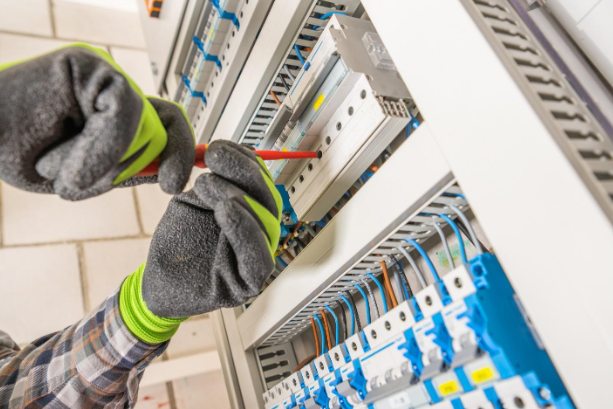
Key Takeaways About Electrical Troubleshooting
Electrical troubleshooting means finding and fixing the causes of flickers trips and overheating in home wiring. This guidance is for homeowners and property managers who notice repeated trips flicker or heat and need to act before hazards develop.
- Identify patterns of trips tied to specific appliances or times
- Prevent danger by recording smells sounds and tripped circuits promptly
- Avoid DIY panel work and leave live testing to licensed electricians
- Spot loose connections with visual signs like scorch marks or buzzing
- Reduce overloads by mapping loads and redistributing high draw devices
- Plan for documented testing and written repair recommendations after inspection
Introduction
Frequent breaker trips, flickering lights, and warm outlet plates are not minor annoyances. These symptoms can signal loose connections, overloaded circuits, or failing breakers that put homes at risk. Electricians in Columbia, SC treat these problems as safety priorities rather than simple nuisances. Early attention can prevent shocks, appliance damage, or electrical fires.
Loose wiring often causes intermittent lights and arcing sounds behind walls. Overloaded circuits can trip repeatedly when multiple high-draw devices run together. A failing circuit breaker may trip at lower loads or refuse to reset reliably. All of these conditions deserve prompt professional diagnosis.
Homeowners in Arthurtown, SC, and nearby areas notice patterns that point to specific circuit problems. Unusual smells, buzzing outlets, or trips tied to certain appliances give clues an electrician uses. Accurate diagnosis avoids needless panel replacements and targets the real fault. Professionals collect evidence before recommending repairs.
Understanding the likely causes helps you prioritize safety and expense. Expect tests like voltage readings, thermal checks, and inspection of outlets and junction boxes. A clear diagnosis leads to fixes that restore safe electrical operation and reduce repeat trips. Calling a licensed electrician is the safest next step when these warning signs appear.
Understanding Why Circuit Breakers Trip Frequently
Circuit breakers trip when they detect certain electrical problems and interrupt power to help protect the circuit. Repeated trips may indicate an overloaded circuit, damaged wiring, or a faulty breaker. Homeowners often wonder whether frequent trips mean their wiring is unsafe. Although not every trip indicates damaged wiring, recurring problems should be inspected promptly. Electricians investigate the underlying cause rather than simply replacing the breaker. For more information, homeowners can review our guide on breaker diagnostics for persistent tripping issues.
Common causes of repeated breaker trips include:
- Overloaded circuit carrying more current than its breaker rating
- Loose connections at outlets, switches, or in the panel
- Failing or aged circuit breaker parts
- Ground-faults or arc-fault conditions on a circuit
One frequent cause is a circuit carrying more load than its design allows, especially when many appliances run together. A homeowner will notice trips that coincide with using specific appliances, which helps narrow the search. Electricians perform load calculations and measure branch circuit amperage to confirm overload conditions. If a breaker trips only when an appliance starts, the device or appliance motor may draw a large inrush current.
Loose connections create heat and intermittent contact that can trip a breaker unpredictably and create burn marks or warm faceplates. Professionals inspect outlets, switches, and junction boxes and use a thermal camera or temperature probe to find hot spots. They also check the service panel for loose bus or breaker connections and look for signs of arcing. If an electrician finds corrosion or damaged conductors, they recommend repair or replacement to restore safe contact.
Breakers themselves can fail from age, repeated tripping, or internal wear that reduces trip thresholds and reliability. A licensed electrician tests breakers with a clamp meter and may swap a suspect breaker to see if trips follow the circuit or the device. For situations that suggest arc faults or ground faults, technicians use proper diagnostic equipment to confirm the fault type.
Identifying Loose Connections and How They Fail
Loose connections usually begin with subtle signs such as a warm faceplate, a faint buzzing sound, or lights that dim briefly. Electricians look for unstable contact in outlets, switches, and junction boxes because these spots create resistance and heat. Technicians inspect visible terminations and open accessible junctions, checking for loose screws, backstabbed conductors, or discolored insulation that indicates overheating. For homeowners in Arthurtown, SC, spotting these early cues can speed a safe repair and limit hidden damage.
A common failure mode is a connection that becomes intermittent under load, causing arcing that accelerates conductor damage and may leave copper burning marks. Professionals use a clamp meter to observe current while cycling loads, then follow with a voltage drop test to confirm poor contact. They also use a thermal camera or temperature probe to compare normal temperatures against hot spots at the panel and branch connections. These measurements produce objective evidence like readings and photos that guide repair choices.
Panel connections and breaker terminations can loosen over time from thermal cycling, vibration, or improper initial torque when installed, creating a high-resistance path. Electricians shut power, verify de-energized conditions, and then retorque connections to manufacturer specs while inspecting for pitted or oxidized conductor ends. If a conductor shows signs of heat damage or a breaker lug is compromised, the technician recommends replacement to restore a reliable connection.
Sometimes a loose neutral or grounding conductor produces strange behavior like fluctuating lamp brightness or appliances that hum, and this can affect multiple circuits unpredictably. To diagnose this, a professional traces neutrals and grounds back to the panel, checks continuity, and watches for voltage imbalance across the phases. When repairs are done, they remeasure voltages and load under normal conditions to confirm the fault no longer appears. In Columbia, SC properties, repairing these connections reduces risk and restores stable electrical operation.
Recognizing Overloaded Circuits and Load Limits
Overloaded circuits show specific patterns homeowners can observe at the panel and on appliances. You might see a breaker that trips only when several devices run together, or outlets that lose power when another room's appliance starts. A professional performs a load calculation on each branch circuit to compare measured amperage to the breaker rating, confirming whether sustained load exceeds design limits. Technicians also check appliance nameplate currents and starting inrush to see if single-device starts cause nuisance trips.
Electricians inspect the service panel for signs that multiple circuits share a single neutral or are on undersized wiring, which raises overload risk. They measure branch current with a clamp meter while appliances run to capture typical and peak loads under normal use. Thermal imaging helps reveal overheated breakers or bus connections caused by chronic overload conditions that may not trip instantly. When overloads are found, electricians may recommend redistributing loads or upgrading circuit capacity to match realistic usage.
Some overload problems arise from changed household habits rather than wiring faults, like adding multiple high-draw devices to one circuit. In those cases a technician documents measured loads and suggests practical fixes such as relocating heavy appliances to dedicated circuits. For properties in Arthurtown, SC this approach helps homeowners plan upgrades that match modern appliance demand without needless panel replacement. Clear measurements and written load reports give homeowners decision points for repair or upgrade work.
To confirm an overload versus a failing breaker, professionals perform controlled tests such as swapping the breaker or temporarily moving loads to another circuit. They also inspect conductor size, breaker ampacity, and termination condition to ensure each element matches code and safe practice. If an upgrade is needed, an electrician explains options, required permits, and the impact on circuit layout and panel capacity. Homeowners who keep records of appliance loads and prior test results make better choices about balancing convenience, cost, and safety.
Electrical Troubleshooting Signs for Flickering Lights
Flickering that changes with appliance use often points to voltage fluctuation at a specific branch circuit rather than a whole-house problem. An electrician will watch lights while cycling heavy loads to reproduce the flicker and record voltage readings. They use a multimeter or voltage logger to capture transient drops that coincide with device startups. Recording these readings helps separate motor inrush issues from loose connections.
- Notice if flicker happens only on one fixture.
- Check whether dimming aligns with appliance starts.
- Look for multiple fixtures affected at once.
- Smell or see signs of overheating at outlets.
Intermittent flicker accompanied by buzzing or heat suggests a poor connection at the fixture, switch, or junction box. A pro removes the fixture or faceplate and inspects wire terminations and connector condition for looseness or arcing. They may perform a voltage drop test across the suspect connection while under load to confirm excessive resistance. Thermal imaging can reveal hot spots not visible during a cold inspection.
When several circuits flicker together, a problem with the neutral or a panel connection can be the cause in some homes. Technicians check neutral continuity and measure phase-to-neutral voltages to detect imbalance or loose neutrals back at the panel.
When Homeowners Should Call a Professional Service
Call a licensed electrician in Columbia, SC when you encounter recurring trips that you cannot reliably map to a single device. If a breaker feels warm or the panel has burning odors, stop using the circuit and arrange inspection immediately. These signs indicate conditions that can escalate to arcing or insulation damage if left unaddressed. A professional will perform safe tests that homeowners should not attempt.
Schedule service when trips occur several times a week even after reducing loads and swapping appliances between outlets. Persistent intermittent faults often hide inside junction boxes or at undermined terminations that need access behind walls. Technicians will de-energize circuits and use continuity tests, voltage readings, and thermal scans to locate hidden defects. Such diagnostic steps need trained handling and proper test equipment.
Request a visit if multiple fixtures or circuits fluctuate together, suggesting a neutral or main panel issue that can affect entire branch circuits. In this case, an electrician traces neutrals, checks bus connections, and measures phase-to-neutral voltages under load to confirm imbalance. These procedures identify hazards that can damage electronics or create shock risks if not corrected.
Contact a professional for any visible damage like melted outlet parts, burn marks, or repeated GFCI trips that cannot be explained by recent appliance use. For homeowners, this step prevents minor faults from becoming major failures. A technician will provide a written report with measurements, photos, and recommended repairs so you can make informed decisions. If you feel immediate danger, turn off affected circuits and call for emergency service.
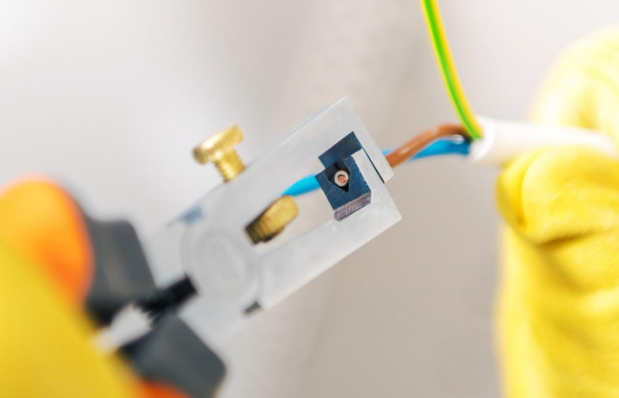
Photo from iStock - Credit: welcomia
Professional Repair Options and What Technicians Check
Technicians begin by confirming the circuit condition with measured data rather than assumptions, using clamp meters and voltage readings at the breaker. They also perform a thermal scan of the panel and suspect terminations to find hidden hot spots that indicate high resistance. Next, the electrician isolates the circuit to check continuity and inspect accessible junction boxes for loose screws, damaged insulation, or signs of arcing. If a neutral shows intermittent continuity, the tech traces it back methodically to the panel to locate the fault.
- Load measurement on the branch circuit
- Thermal imaging of panel and terminations
- Visual inspection of outlets and junction boxes
- Continuity and voltage-drop testing
When a loose connection is confirmed, professionals may retorque lugs to manufacturer specifications after de-energizing the panel and verifying safe work conditions. For damaged conductors or burnt terminations, the usual repair is replacement of the affected wire or device rather than temporary splicing. If a breaker fails calibration or trips below expected loads, the technician swaps it out with a correctly rated device and re-tests under measured load. Electricians document readings and photos so homeowners can review the repair rationale and results.
In overload cases, a common repair path is redistributing high-draw appliances to new or existing circuits with proper conductor sizing and breaker protection. An electrician calculates expected continuous load and recommends a circuit upgrade when sustained current approaches the breaker rating. For widespread behavior suggesting a neutral or multi-circuit issue, technicians check the panel bus and grounding conductor condition before proposing larger panel work.
After repairs, professionals perform confirmatory tests including voltage under load, continuity, and a final thermal sweep to ensure the fix removed hotspots and instability. They often produce a brief written report with measured values, observations, and any recommended follow-up actions for the homeowner to consider. If the job requires a permit or inspection, the electrician outlines that process and scheduling considerations for compliance and safety.
Preventive Maintenance Tips to Avoid Future Trips
Schedule annual panel inspections to catch gradual issues before they cause repeated trips or damage to devices. A professional inspection includes torque checks on terminations and a thermal scan that reveals slow-developing hotspots. Keep a written record of measured voltages and clamp meter readings so future diagnostics compare past and present conditions. These records help prioritize repairs and track whether mechanical wear or load changes cause new problems.
Balance loads across circuits by assigning dedicated lines to heavy appliances and spreading medium loads across different breakers. An electrician can perform a simple load audit and provide a map showing which outlets and fixtures belong to each breaker. Routine checks of GFCI and AFCI devices ensure they still respond correctly to faults and nuisance trips under light testing. Replace devices that fail testing rather than continually resetting them and hoping the trips stop.
Inspect visible outlet and switch faceplates periodically for discoloration, cracking, or looseness that indicate underlying connection problems. Tighten faceplate screws and have a technician open suspect junction boxes to verify conductor tightness and insulation condition. Keep extension cords and power strips for temporary use only, and avoid running high-draw appliances through them for long periods. For properties in Arthurtown, SC, scheduling preventive visits before summer usage spikes reduces the chance of overload-related trips.
After any repair, request a brief written report listing actions taken, test readings, and suggested follow-up intervals so maintenance stays proactive. Include recommended times for rechecks, such as one year after repair or sooner if heavy loads increase. Homeowners should watch for recurring smells, noise, or warmth and contact an electrician promptly if these return. For Columbia, SC properties, preventive maintenance reduces surprises and supports safer electrical operation overall.