
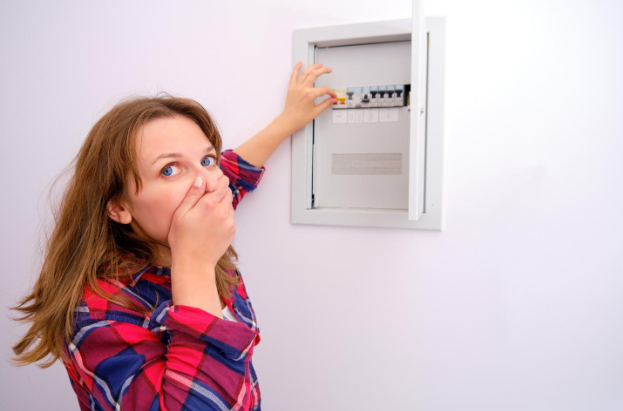
Key Takeaways About Electrical Noises Behind Walls
Electrical noises behind walls are audible signs of wiring or device problems like buzzing crackling and popping. This summary helps homeowners and property managers decide when to document symptoms and call a licensed electrician.
- Identify buzzing crackling or popping and note timing patterns
- Prevent escalation by turning off affected circuits when safe.
- Avoid touching outlets or opening junction boxes while energized.
- Spot related signs like warm faceplates burning smells or flicker.
- Reduce risk by recording events and appliance use during occurrences.
- Plan a professional inspection with documented readings and observations.
Introduction
Hearing buzzing, crackling, or popping from inside walls is unnerving and often signals an electrical issue. Those sounds can point to loose connections, arcing, or overloaded circuits that pose real fire risk. Homeowners notice noises most at night when the house is quiet and appliances cycle. In Columbia, SC properties these signals should not be ignored when they start or recur.
Electrical noises behind walls may start softly and grow louder over time. A faint hum near a switch or outlet can become intermittent popping with age or added load. Strange sounds sometimes accompany burning smells, warm faceplates, or lights that flicker. Any combination of these signs raises the urgency of a professional inspection.
Wiring problems hide behind drywall where damage can progress without visible signs. Heat from a bad connection can char insulation and increase the chance of arcing or an electrical fire. Panels and junction boxes also develop symptoms homeowners can hear before seeing visible harm. Forest Acres, SC residents reporting recurring noises should treat them as potential hazards.
Recognizing the difference between normal appliance sounds and dangerous electrical noises matters for safety. A trained electrician can identify loose neutrals, failing breakers, or improperly connected wires that create those sounds. Prompt attention reduces risk and clarifies whether repair or replacement is needed. Keep records of when noises start, their patterns, and any related smells to share with the inspector.
Photo from iStock - Credit: Andrey Zhuravlev
Common Creepy Electrical Noises Behind Walls
Common creepy electrical noises behind walls refer to buzzing, crackling, popping, and humming coming from wiring or devices concealed in walls.
- Buzzing near outlets or switches.
- Sharp popping during appliance cycles.
- Soft crackling when lights dim or flicker.
- Low humming from transformers or ballasts.
Buzzing often comes from loose connections or energized components vibrating under load, and it can get louder over time. Homeowners often ask whether a sound alone is dangerous, the answer is that persistent or changing noises warrant inspection. In some cases, fans, doorbell transformers, or HVAC components cause similar sounds but diagnostics confirm the source. A visual check of outlets and faceplates can reveal warmth or discoloration paired with these noises.
Crackling and popping can indicate arcing, failing breakers, or wiring insulation damage that produces intermittent contact and heat. If a smell of burning or visible charring appears, stop using the circuit and call a professional immediately. An electrician will open outlets, test voltages, and perform continuity checks to confirm faulty wiring or loose neutrals. For properties in Columbia, SC, recurring or nighttime noises should trigger prompt evaluation to reduce fire risk.
Some electrical sounds come from junction boxes or appliance wiring and not the service panel, so determine patterns like time of day and appliance use. A homeowner can note whether the sound coincides with the HVAC cycle or when a specific appliance runs. In a common situation, buzzing near a switch that also causes flicker leads a technician to check the switch, wiring connections, and load with a voltage reading.
Why Buzzing Happens and What It Means
Buzzing most often signals electrical vibration from a component under load, such as a loose connection in a switch or outlet. When metal contacts vibrate, they create a low-frequency sound that you may hear through drywall. Technicians check for a warm faceplate, discoloration, or a tripped breaker to narrow down the source. If the sound changes with appliance use, that pattern helps pinpoint the affected circuit.
Another cause is a failing transformer or ballast inside a fixture or device producing tonal buzz at specific frequencies. Electricians will open the fixture or junction box and take a voltage reading and load measurement to confirm abnormal operation. An infrared camera scan can show a hot spot at a loose terminal that correlates with the noise.
Loose neutrals and overloaded circuits also create buzzing that grows louder as load increases and insulation warms. A professional will perform continuity tests and check the panel for signs of arcing or loose lugs during inspection. They may isolate the circuit, operate it under controlled loads, and produce a written report of readings and observations. In some cases, replacing a failing breaker, tightening connections, or rerouting a load eliminates the noise and reduces fire risk.
For properties in Columbia, SC and homeowners in Forest Acres, SC, persistent buzzing deserves prompt attention rather than delay. Simple homeowner checks include turning off the suspect circuit at the breaker and seeing if the sound stops before touching anything. If the noise persists or you smell burning, shut off the main and call a licensed electrician right away. A trained technician will document findings and recommend repairs based on measured voltages and visual inspection.
Crackling Sounds Explained and When to Act
Crackling most often means intermittent contact where wires or terminals meet, producing brief sparks and heat at the fault point. Technicians listen for the pattern and use non-contact voltage detectors and continuity tests to isolate the noisy section. They may remove outlet or switch covers to inspect the terminal screws, grounding conductor, and visible insulation for signs of arcing. If a junction box contains multiple splices, the pro checks each connection and may request a written report of findings.
Another source of crackling is thermal expansion and contraction in older wiring runs that have degraded insulation causing tiny gaps under load. An electrician might perform a voltage reading while cycling the circuit to reproduce the noise and reveal loose neutrals or overloaded conductors. Infrared scans can show a hot terminal that matches the timing of the sound, providing measurable evidence of danger.
When crackling occurs with discoloration, a burning smell, or warm faceplates, act quickly and stop using the circuit until it is inspected. For properties in Columbia, SC, a persistent crackle combined with these signs raises immediate safety concerns that warrant shutting off the circuit at the breaker. A professional may temporarily isolate the circuit, replace damaged wiring or a failing receptacle, and retest continuity and load to confirm the repair.
In a common situation, a homeowner reports crackling at a wall switch that coincides with a dimming light and occasional breaker trips, prompting an electrician to check the switch, the load, and the panel connections. The technician will tighten lugs, replace the switch if contacts show pitting, and measure voltage under load to confirm the fix. If the wiring runs through a shared junction box, the pro may re-splice with proper connectors and secure the grounding conductor. Residents in Forest Acres, SC should share timing details and any odor observations when scheduling the inspection.
Popping Noises How They Occur and Risks
Popping usually comes from sudden electrical arcing where a conductor momentarily jumps a gap and releases heat and sound. These events create brief pressure waves you hear as sharp snaps inside walls near switches or junctions. A professional will note when pops occur relative to appliance cycles or breaker activity to narrow the cause. Repeated popping often indicates a fault that needs inspection rather than casual monitoring.
- Loose terminal screws can produce intermittent pops.
- Damaged insulation may expose conductors that arc briefly.
- Failing breakers sometimes make popping noises under load.
- Rodent damage can lead to sudden conductor contact.
To diagnose, an electrician inspects outlets, switches, and junction boxes while the circuit is energized and then isolated for safety. They perform voltage readings, continuity tests, and a visual check for charred insulation or discolored wire sheathing. If needed, the tech uses an infrared camera to locate hot spots that match the timing of the popping. Findings are recorded in a written report with recommended repairs.
Popping carries a medium safety risk because it often signals arcing, which can start fires if left unaddressed. Homeowners in Forest Acres, SC should stop using the affected circuit and arrange a professional assessment when popping recurs. For properties in Columbia, SC, pair observations of popping with any flicker, smell, or warmth to share with the inspector. Prompt action reduces the chance of progressive insulation damage and more costly repairs.
Hidden Wiring Faults Homeowners Should Watch For
Hidden wiring faults often start where conductors join or change direction inside cavities and can remain concealed for years. Loose splice connections, deteriorated insulation, and improperly stapled cable create stress points that change under load and movement. An electrician inspecting would open accessible junction boxes and pull the cable gently to check for brittle insulation or poor splices. They also look for signs of overheating like softened sheathing or compressed insulation around staples.
Faults at the service panel or subpanel sometimes show no external damage but create intermittent electrical noises as connections shift. A pro will torque terminal lugs, test for voltage drop under load, and record readings to compare against safe limits. Using a continuity test and voltage measurement across suspected points helps confirm whether a loose neutral or shared neutral is present. Infrared imagery can reveal hot lugs that correspond to homeowner noise reports.
Damage from rodents, abrasion where cable rubs framing, or concealed mechanical injury during renovations can expose conductors and lead to arcing. During diagnosis, an electrician inspects behind devices and within attics or crawlspaces to trace cable runs and find hidden abrasions. They may use a non-contact voltage detector, continuity testing, and visual inspection to confirm compromised insulation. Findings are documented so the homeowner understands the required repairs and their location.
In some homes, older cloth-insulated or degraded NM cable contributes to intermittent faults that create popping or crackling sounds. A technician will assess the wiring age, check outlet and switch boxes for overcrowding, and recommend rewiring sections if insulation fails.
Troubleshooting Steps Before Calling an Electrician
Start with safe, non-invasive checks you can do from inside the home to narrow down the source. Turn off the suspected circuit at the breaker and listen to see if electrical noises behind walls stop when power is removed. If the sound stops, that confirms the issue is on that circuit and helps avoid needless inspection of other areas. Never remove cover plates or touch wiring while the circuit is live to avoid shock or worsening damage.
Next, inspect accessible devices without opening the wiring compartments to spot secondary signs that point to trouble. Look for warm faceplates, discolored outlets, or loose-fitting plugs that appear when the noise happens during appliance use. Try swapping the appliance to a different, known-good outlet to see if the sound follows the device or stays with the wall location. Note which breakers trip or if any GFCI or AFCI resets occur while reproducing the noise pattern.
A basic diagnostic step uses simple tools that most homeowners have or can borrow to collect useful clues for the electrician. Use a non-contact voltage tester to confirm a circuit is de-energized before touching panels or covers and keep a log of time, duration, and what appliances ran when the noise started. Record voltage behavior such as flicker or dimming while the sound occurs, which helps a technician reproduce the problem. If you observe any burning smell, visible charring, or persistent heat, stop testing and arrange a professional inspection immediately.
Electrical noises that persist or return should be evaluated by a qualified electrician. Avoid switching major appliances or HVAC equipment on and off repeatedly to isolate the source. A technician can use appropriate diagnostic equipment to inspect wiring, connections, and electrical loads safely. Homeowners in Forest Acres, SC, can share their observations when scheduling electrical repair services in Columbia, SC. Providing details about the noise and related warning signs can help the electrician determine which areas need attention.
When to Call a Professional for Electrical Noises Behind Walls
If noises persist after your safe troubleshooting, schedule a professional inspection without delay to reduce risk and get a clear diagnosis. A licensed electrician will perform live and dead testing, take voltage readings at outlets and the panel, and open accessible junction boxes for a visual inspection. Expect the technician to document findings with test results and recommendations in a written report you can keep for future reference. Bring your log of when noises occurred and which appliances ran to help the pro reproduce the issue efficiently.
- Confirm the noise location while someone operates appliances.
- Note any times the breaker trips or AFCI/GFCI resets.
- Record whether sounds change with HVAC or major appliances.
- Do not touch wiring or open panels while testing.
Call an electrician on Columbia, SC promptly when testing reveals heat, burning smells, visible charring, or repeated arcing sounds that you cannot isolate. If the noise coincides with flickering lights, warm faceplates, or breaker irregularities, those are signs the issue may be at the panel or a loose neutral. A professional will use a non-contact voltage tester, continuity checks, and infrared imaging when needed to confirm hotspots or loose lugs. Make sure to ask for measured voltage readings and any corrective actions the technician recommends.
When scheduling, choose a contractor who will provide clear next steps, a scope of repairs, and a written estimate before work begins to avoid surprises. For property owners, ask how the electrician documents repairs and whether they will retest the circuit under load after completing work. If you live in Forest Acres, SC, mention any recent renovations or rodent activity when booking the visit to help narrow the inspection. Prioritize safety over convenience and avoid using the affected circuit until a professional confirms the repair.
Preventive Measures to Reduce Future Wiring Noise
Schedule periodic electrical inspections to identify loose connections, worn components, and other developing problems before they cause outages or safety hazards. During these visits, an electrician can inspect accessible wiring, check connections, and take electrical measurements when needed. Clearly labeled circuits also make future troubleshooting easier and help reduce disruptions. For additional preventive maintenance advice, homeowners can read our guide on how electrical maintenance helps prevent outages.
Limit load on older circuits by redistributing high-draw appliances to separate breakers where possible to reduce heating and stress on connections. A professional can perform a load calculation and suggest dedicated circuits for appliances that cycle frequently. Installing arc-fault circuit interrupters (AFCIs) on branches with many receptacles reduces arcing risk and may stop nuisance noises from becoming dangerous. Confirm any recommended AFCI or breaker changes with measured voltage and load data from the inspector.
Protect wiring runs from physical damage and pests by sealing entry points into wall cavities and using rodent-resistant methods where cables pass through framing. During inspections, have the electrician inspect attic and crawlspace entries to ensure cable staples and supports are secure and not pinching insulation. Replacing brittle or degraded NM cable sections removes sources of intermittent contact and popping sounds that can escalate. Homeowners in Forest Acres, SC should mention known rodent activity when booking preventive work so technicians can plan a thorough check.
Schedule routine maintenance for devices that commonly cause noises, such as doorbell transformers, lighting ballasts, and HVAC control circuits, to keep components operating within expected parameters. Ask for infrared scans during preventive visits to catch hidden hot spots before they produce audible signs. If the electrician recommends splicing or rerouting, request a written scope and measured post-repair readings to verify the fix. For properties in Columbia, SC, keep a simple log of any new sounds and the dates of maintenance visits to share with future inspectors.