
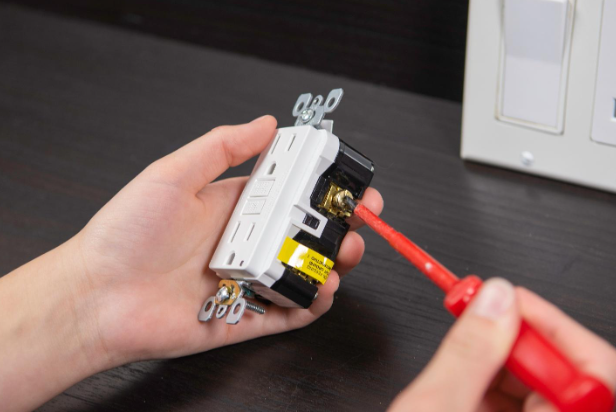
Key Takeaways About GFCI Outlet Installation
GFCI outlet installation uses a device that quickly cuts power when it detects current leaking to ground. This summary is for homeowners and property managers who need guidance on safety and when to call an electrician.
- Identify outlets near water and outdoor locations that need protection.
- Prevent shocks by confirming the device trips and resets correctly.
- Avoid using outlets that show heat burning smells or visible damage.
- Spot nuisance trips by unplugging appliances and testing the circuit.
- Reduce risk by replacing worn two prong or corroded receptacles promptly.
- Plan professional inspections when wiring, grounding, or trips are unclear.
Introduction
Homes often hide electrical hazards behind ordinary outlets, and GFCI outlet installation reduces a common shock risk. Ground faults happen when electricity finds an unintended path to ground through water or a person. Bathrooms, kitchens, garages and outdoor outlets face higher exposure to moisture and metal. Ignoring older receptacles can leave a home vulnerable to serious injury or property damage.
GFCI devices compare current between hot and neutral wires and trip when an imbalance appears. That quick action cuts power in milliseconds and prevents sustained shocks. Many older homes still have unprotected receptacles near sinks and appliances. Homeowners should pay attention when outlets feel warm, trip breakers, or show discoloration.
A licensed electrician can test and confirm whether an outlet needs GFCI protection using voltage readings and trip simulations. They will inspect junction boxes, grounding conductors, and the service panel for correct wiring. For properties in Hartsville, SC the risk rises when older wiring meets modern appliance loads. Upgrades can improve safety and bring receptacles closer to current standards.
Replacing a worn receptacle often fixes nuisance trips and reduces shock hazards, but diagnosing requires experience. In a common situation, a homeowner might notice a ground fault trip near a washing machine or outdoor outlet. A professional would check wiring continuity, measure leakage current, and document test results. If you are concerned, schedule electrical inspections with a qualified electrician to confirm safety and next steps.
Where GFCI Outlets Are Required in Homes
Where GFCI outlets are required covers areas with water or outdoor exposure that raise shock risk to people and equipment.
- Bathrooms near sinks and tubs
- Kitchens at countertop receptacles
- Garages and unfinished basements
- Outdoors and near pools or hot tubs
Code typically requires GFCI protection for receptacles within a specific distance of sinks and water sources, answering homeowners' common question about location needs. Homeowners often ask, "Do I need GFCI in the laundry area?" and the answer is usually yes when the outlet serves a washer near plumbing. In garages and basements a GFCI protects against tool contact with damp surfaces. Outdoor outlets should always have weather-resistant GFCI devices to limit moisture-related faults.
When assessing a room, electricians look for nearby water, metal appliance use, and damp materials that raise risk. They will inspect the outlet, junction box, grounding conductor, and circuit breaker labeling to confirm whether GFCI outlet installation is required. Simple signs a space needs protection include frequent nuisance trips or outlets without a test/reset button. For properties in Hartsville, SC and Effingham, SC, older homes often lack these protections and benefit from an update to reduce shock hazards.
How GFCI Outlets Protect Against Ground Faults
GFCI outlet installation works by constantly comparing the current flowing out on the hot conductor to the current returning on the neutral conductor. When the device senses even a small imbalance, it opens the internal contacts to interrupt power in milliseconds. This interruption stops current that might be flowing through a person or through unintended paths, greatly reducing the chance of a fatal shock. A visible test and reset mechanism allows homeowners and electricians to confirm the device still responds.
Inside the device, a sensing coil monitors the difference between hot and neutral current and trips an internal trip mechanism. Manufacturers design the trip threshold low, so leakage currents that would not necessarily trip a breaker still trigger the GFCI. Standard circuit breakers protect against overloads and short circuits, but they do not detect small ground-fault currents that GFCIs catch. That complementary protection explains why both devices often appear on the same circuit.
During diagnosis, a professional will perform a sequence of checks to confirm protection and locate faults before recommending repairs. They will press the built-in test button to verify the trip mechanism works, take voltage readings at the outlet with a meter, and inspect the grounding conductor and associated junction box. If a GFCI protects downstream outlets, the electrician will map which devices are on the load side and confirm continuity and wiring polarity. Documented voltage readings and continuity test results help guide safe corrective work.
GFCI devices can trip from moisture, damaged insulation, or small leakage through appliances, so professionals also inspect nearby equipment and cords for wear. In some cases an older receptacle needs replacement to restore reliable protection and clear nuisance trips. Homeowners should note visible corrosion, persistent tripping, or a nonfunctional test button as reasons to call an electrician. Scheduling a professional inspection ensures correct GFCI outlet installation and a written report of findings.
Common Causes of GFCI Tripping and Why It Happens
Moisture intrusion on a device or cord remains a common cause of nuisance trips, especially when outlets sit near damp floors or puddles. Corrosion inside the receptacle housing can create tiny leakage paths that the GFCI detects and then opens the circuit. A qualified electrician will remove the cover and inspect the junction box, grounding conductor, and wire insulation for visible corrosion or water stains. If corrosion appears, they record photos and readings before recommending repair or replacement to restore reliable protection.
Damaged appliance cords or exposed conductors often create intermittent ground-faults that trigger the device under load. A professional diagnoses this by disconnecting the load and seeing whether the GFCI still trips with no appliance attached. They use a continuity test and take voltage readings at hot and neutral to confirm whether the fault lies in the branch wiring or the connected equipment. Replacing a worn cord or repairing a damaged receptacle usually stops repeated trips when wiring is otherwise sound.
Shared circuits and multi-receptacle load-side wiring can produce unexpected trips when loads balance differently than expected. Electricians trace the load and line terminals, map downstream outlets, and check for correct wiring polarity to identify miswiring. Neutral-to-ground connections downstream or at junction points can create imbalance and must be corrected to stop false trips.
Appliances with small internal leakage, such as refrigerators or HVAC equipment, sometimes trip a GFCI during startup or under damp conditions. A professional performs an insulation resistance test and measures leakage current to determine whether the appliance exceeds the GFCI threshold. They will also inspect appliance grounding and motor leads for wear and note any recorded readings in their report.
Warning Signs You Need A GFCI Upgrade Now
If an outlet sparks when plugging in a device, stop using it and avoid touching the metal plug or nearby water until inspected. Sparking indicates loose or burned contacts inside the receptacle or junction box and can produce heat that damages insulation. A professional electrician will open the box, look for charred wires, and measure continuity and temperature to confirm a failing device.
- Visible burn marks on the outlet face.
- Persistent warm feeling when touching the outlet.
- Repeated trips only on one specific outlet.
- Loss of power after pressing the reset button.
Outlets that do not reset after pressing the built-in button show internal failure or downstream wiring faults requiring immediate attention. This symptom may mean the device cannot interrupt or restore current safely and should be replaced. An electrician will isolate the load and line, test for proper wiring polarity, and confirm the ground conductor presence. Recorded voltage and continuity readings help determine the correct replacement type.
Discolored or melted plastic around an outlet signals overheating from loose connections or overloads and demands prompt replacement. Overheating often leaves odor, visible deformation, or brittle plastic that cracks under load. The technician inspects the circuit breaker, measures load current, and checks for multi-wire branch circuit issues contributing to heat. Replacing the receptacle alone may not solve the root cause if wiring faults remain.
Frequent nuisance trips combined with intermittent power loss during appliance startup suggest a failing GFCI or incompatible downstream wiring conditions. In this scenario, an electrician will perform a stepwise diagnosis removing loads, testing insulation resistance, and mapping protected outlets. For homeowners in Hartsville, SC and Effingham, SC, documenting test results helps prioritize repairs and plan safe GFCI outlet installation. If you notice any of these warning signs, schedule a professional inspection to confirm hazards and next steps.
When to Replace Older Receptacles for Compliance
Older two-prong or unmarked receptacles often lack internal GFCI components and should be upgraded when found near water or in damp spaces. An electrician inspects the outlet for grounding conductors and checks wiring polarity before recommending replacement to a GFCI device. If the junction box has no space for a new device, the professional will note that in the written report and suggest options. Homeowners can prepare by clearing access and noting which appliances use the outlet.
Receptacles with loose screws, brittle insulation, or evidence of prior repair usually need replacement to meet current expectations for safety and reliability. A technician will remove the cover, test for voltage and continuity, and verify that the branch circuit can support a GFCI outlet installation. They may also test downstream outlets to confirm whether a single new device will provide the intended protection. Repairing poor connections often stops heat and arcing issues that older receptacles display.
Certain remodels and kitchen or bathroom updates trigger the need to replace old receptacles to align with modern installation practices and outlet placement rules. During a remodel inspection, an electrician documents load distribution, verifies grounding conductor presence, and maps which receptacles require GFCI protection. For properties in Hartsville, SC and Effingham, SC, this step prevents leaving unprotected outlets behind new finishes. Photographs and recorded voltage readings support permit-ready documentation when required.
If a receptacle repeatedly loses power after pressing its reset button or fails a built-in test, replacement is usually the correct next step instead of continued troubleshooting. A professional confirms the failure by measuring leakage current and isolating line and load conductors to find the fault. They then replace the unit with a properly rated GFCI and retest the circuit, logging the test outputs. After replacement, homeowners should note the device's test and reset behavior as part of regular safety checks.
How to Perform a Basic GFCI Outlet Test Safely
Start by locating the GFCI's test and reset buttons and ensure the area is dry and well-lit before touching the outlet. With equipment unplugged, press the test button, the reset should pop out and cut power to any attached device. If power remains, the device fails and you should stop further checks and contact a licensed electrician for diagnosis. A professional will use a meter to confirm voltage and record readings rather than relying on visual checks alone.
After a successful built-in test, plug in a small appliance and press the test button again to verify the outlet trips under load. If the appliance still receives power, the device or upstream wiring likely has a fault that needs professional tracing. An electrician isolates line and load conductors and uses continuity tests to map protected downstream outlets. They document meter readings and any indications of neutral-to-ground connections that could cause false trips.
When the reset button restores power, do a basic visual inspection of the receptacle face and cover for hairline cracks or discoloration that indicate heat stress. If you smell burning or see melted plastic, stop and call an electrician promptly to inspect the junction box and wiring. Technicians will check for loose terminations and burned wires and measure load currents to determine if overheating caused the damage. For homeowners in Hartsville, SC, a documented inspection helps prioritize safe replacement when defects appear.
Keep a simple record of test dates, outcomes, and meter readings to track recurring problems and to share with a technician during a service call. If trips recur under normal conditions, a professional will perform insulation resistance or leakage current tests to pinpoint whether an appliance or wiring causes the fault. In a common situation, an electrician disconnects loads, tests each downstream receptacle, and inspects the grounding conductor and junction box. Homeowners in Effingham, SC should schedule a qualified electrician when built-in tests fail or results look inconsistent with normal use.
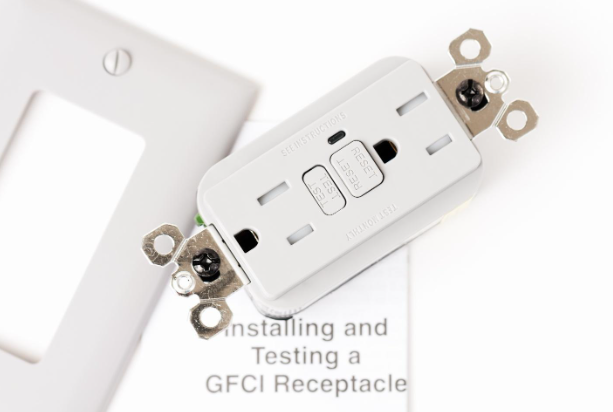
Photo from iStock - Credit: skhoward
When to Call a Professional for GFCI Installation
If wiring shows burned insulation, loose neutral connections, or a nonfunctional reset mechanism, call a licensed electrician in Florence, SC promptly. These symptoms often mean deeper wiring faults beyond a simple receptacle swap. A professional uses continuity tests and voltage readings to confirm whether the branch circuit needs repair. Do not attempt complex repairs if you lack proper training and tools.
- Visible burning around an outlet indicates immediate professional attention.
- Outlets that will not reset after testing need diagnosis.
- Frequent unexplained trips require circuit tracing by a pro.
- Any smell of burning from a receptacle calls for inspection.
When multiple outlets on the same circuit lose power after a reset, an electrician will map line and load terminals to find miswiring. They will open junction boxes and inspect splice insulation and grounding conductors for continuity. Professionals may also perform insulation resistance tests to measure leakage current and document results. These tests reveal whether the receptacle or connected equipment causes the fault.
For older homes in Hartsville, SC a professional can assess whether the service panel and branch circuits meet current expectations for GFCI outlet installation. Electricians will check panel labeling, breaker condition, and any shared neutral arrangements before recommending upgrades. They report findings with recorded meter readings and photos to support repair plans. This documentation helps homeowners prioritize safe, code-conscious work.
In Effingham, SC properties undergoing kitchen or bathroom updates, a pro ensures new receptacle locations receive proper GFCI protection and correct load-side wiring. The electrician coordinates with remodel schedules to minimize downtime and avoid rework from improper wiring. They verify that receptacles, junction boxes, and grounding conductors meet installation needs. Scheduling a licensed electrician removes guesswork and reduces shock hazard risks.
Preventive Steps to Reduce Shock Hazards at Home
Start by keeping outlets dry and clear of standing water to lower the chance of a ground fault near receptacles. Routinely remove debris and dry floor areas after spills to prevent moisture from reaching outlet faces or cords. Inspect outdoor covers and weatherproof boxes for cracks that allow water to enter and reach wiring. If you find moisture or corrosion, contact a licensed electrician rather than attempting complex repairs yourself.
Use appliance cords in good condition and avoid running extension cords through wet areas or under rugs where damage goes unnoticed. Check cords for fraying, exposed conductors, or melting which can create intermittent leakage current and trip GFCI devices. Replace damaged cords promptly and have an electrician test circuit leakage when a particular appliance repeatedly causes trips. For properties in Hartsville, SC schedule professional checks when corrosion or frequent trips appear near washing areas.
Label circuits and keep a simple log of when outlets trip, which appliances run, and any smells or heat noticed during operation. A clear record helps a professional diagnose whether the issue is appliance-related, wiring deterioration, or a failing device. When tripping patterns emerge, an electrician will perform voltage readings, continuity tests, and insulation resistance checks to pinpoint faults. Presenting organized notes and observations speeds diagnosis and makes inspections more effective.
Ensure accessible junction boxes and unobstructed outlet plates so professionals can inspect wiring during routine maintenance or before major renovations. Secure loose outlets and tighten visible mounting screws to prevent movement that can loosen wire terminations over time. If remodels change countertop or appliance locations, include outlet access in plans so GFCI outlet installation and load mapping remain straightforward. Homeowners in Effingham, SC should plan access and documentation to support safe electrical updates.