

Key Takeaways About GFCI and AFCI Upgrades
This article explains how devices prevent shocks and arc-related fires and where they belong in homes. It is for homeowners and property managers who need safer wiring or suspect faults that require professional attention.
- Identify missing protections by inspecting panels and outlet locations.
- Prevent shocks by ensuring wet area receptacles have proper protection.
- Avoid arc fires by checking for warm outlets and scorch marks.
- Spot nuisance trips and document when and where they occur.
- Reduce hazards by testing devices and verifying grounding continuity.
- Plan retrofits based on circuit layout shared neutrals and panel space.
Introduction
Homes built over several decades often mix old wiring with modern electrical demand, and that creates real hazards. The NEC now requires GFCI and AFCI protections in many areas to reduce shock and arc-related fires. Without those protections, common events like cracked insulation or a wet outlet can cause dangerous currents or arcing. Homeowners notice flickering lights, tripped breakers, or a burning smell long before damage becomes severe.
Ground-fault circuit interrupters respond to leakage currents that could shock a person near sinks or outdoors. Arc-fault circuit interrupters sense dangerous arcing patterns that can ignite insulation or wood inside walls. Both devices act faster than a standard breaker and stop faults before they turn into fires or major injuries. Understanding where the NEC places these devices helps prioritize safer upgrades in older homes.
Older homes often lack AFCI protection on bedroom circuits and may lack GFCI protection near water sources. Upgrading can mean swapping out receptacles, replacing breakers in the service panel, or adding a combination device where needed. A professional will inspect wiring condition, identify shared neutrals, and confirm grounding before recommending changes. Those checks reveal whether a simple retrofit or a deeper panel update is necessary.
Properties in Quinby, SC and Winona, SC can face the same hidden risks regardless of age or appearance. If you smell burning, see scorch marks at outlets, or experience repeated nuisance trips you should contact a licensed electrician. A technician will use voltage readings and circuit testing to diagnose which protection is missing or miswired. Taking action reduces shock risk and lowers the chance of arc-related fires in living spaces.
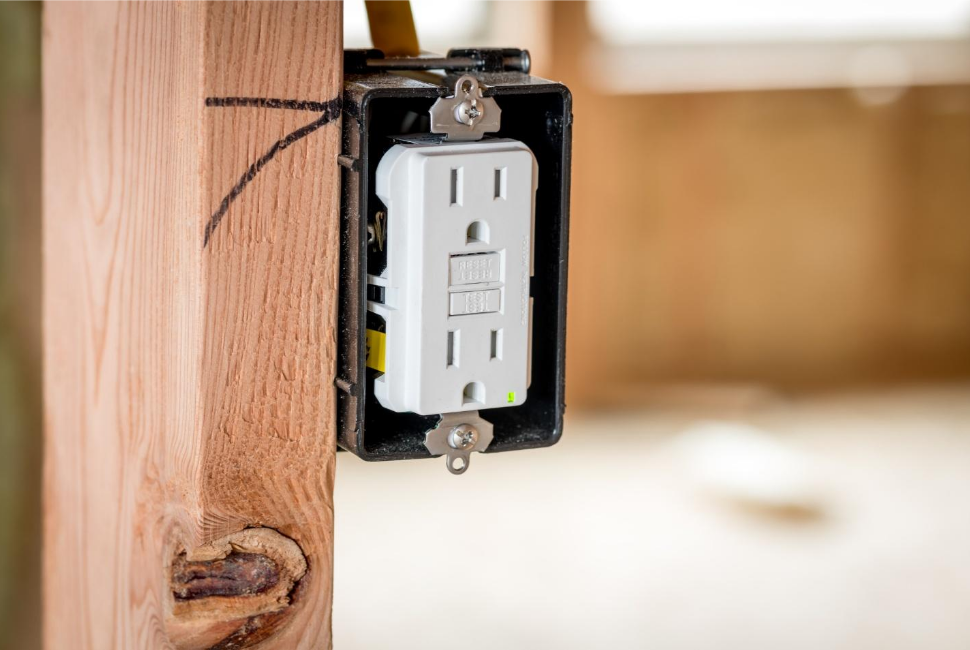
Photo from iStock - Credit: knowlesgallery
What GFCI Protection Is and How It Works
GFCI protection stops unsafe ground-fault currents by sensing imbalance between hot and neutral and quickly opening the circuit. Homeowners often ask, "Will a GFCI prevent shocks near wet areas?" and the answer is yes, a properly working GFCI trips within milliseconds to cut current and reduce shock risk. A GFCI monitors milliamps of leakage that a standard breaker cannot detect, protecting people at sinks, tubs, and outdoor outlets. Technicians test GFCI function by pressing the built-in test and using a leakage tester to confirm trip operation.
- Monitors current balance between hot and neutral conductors.
- Trips faster than standard thermal-magnetic breakers.
- Common in kitchens, bathrooms, garages, and outdoors.
- Can be installed at the receptacle or at the circuit origin.
A typical diagnostic check starts with a visual inspection for moisture and damaged insulation near the outlet. An electrician will perform a manual test, take voltage readings, and use a continuity test to confirm correct grounding and load wiring. If a GFCI fails the built-in test, the technician isolates the circuit to find wiring faults or a bad device.
When a GFCI trips repeatedly, homeowners often wonder if the device or wiring is at fault, and both are possibilities. A professional will check for shared neutrals, incorrect load/feed connections, or upstream wiring damage causing nuisance trips. They may recommend replacing a receptacle, adding protection at the panel, or correcting miswiring to restore reliable protection.
Where the NEC Requires GFCI and AFCI Upgrades
The NEC sets locations where GFCI and AFCI upgrades are required based on risk of shock or fire from wiring faults. Kitchens, bathrooms, garages, and outdoor receptacles commonly need GFCI protection because water or damp conditions increase shock risk. Bedrooms and many living areas now require AFCI protection because arcing faults in branch circuits can ignite wall insulation and framing. Inspectors and electricians use the NEC guidance to target specific circuits for these protective devices.
A professional inspects the panel and circuit layout to confirm which feeds lack required protection. They will identify circuit breakers, follow conductors in the panel, and check labeling against the actual loads on each breaker. A technician also tests for shared neutrals and multi-wire branch circuits that affect how GFCI and AFCI devices are applied. These checks prevent misapplication of devices that could leave hazards unaddressed.
Homeowners may find older homes without required protections in bedrooms, kitchens, garages, or unfinished basements. When a retrofit is needed, electricians choose among receptacle-level GFCIs, breaker-mounted GFCIs or AFCIs, or combination devices at the panel. They document findings in a written report and recommend the least invasive solution that meets code requirements and matches the home's wiring condition. This process helps prioritize work by risk and accessibility.
To confirm a missing protection, a professional performs simple diagnostic checks like pressing built-in test buttons and observing trip behavior under controlled load conditions. They will take voltage readings, perform continuity tests, and inspect for loose connections and damaged insulation that can cause trips or arcing. If a device trips unexpectedly, troubleshooting isolates whether the device, wiring, or connected appliance causes the issue. After diagnosis, the electrician explains options and timelines for installing the correct GFCI and AFCI upgrades.
How AFCI Devices Prevent Dangerous Electrical Arcs
AFCI devices detect electrical signatures that match hazardous arcing and interrupt power before hot conductors ignite surrounding materials. They monitor current and waveform patterns inside a circuit and look for rapid, erratic surges that differ from normal appliance operation. When the device senses an arc pattern it trips much like a breaker, isolating the circuit to stop sustained arcing. This action reduces the chance that a small spark turns into a fire inside a wall cavity or attic space.
Technicians diagnose arc patterns by observing trip history, using voltage readings, and reproducing conditions that cause arcing with controlled loads. They inspect connections at outlets, switches, and junction boxes for loose screws, damaged insulation, or signs of heat. A professional will also check the service panel and perform a circuit test to confirm whether the AFCI device trips as expected under simulated fault conditions. These steps separate device faults from wiring faults and guide a precise repair plan.
Combination AFCI/GFCI breakers exist for circuits that need both arc and ground-fault protection, simplifying compliance in certain remodels and kitchen circuits. Installers evaluate shared neutrals, multi-wire branch circuits, and panel space to decide between a breaker swap or a device at the first receptacle. For homeowners in Quinby, SC a technician will verify that the chosen device type matches the circuit layout and avoids nuisance trips. Proper selection keeps bedrooms and living areas protected without unnecessary interruptions.
Visible warning signs that point to arcing include scorch marks, a persistent burning odor near walls, and outlets that feel warm to the touch. In Winona, SC homeowners reporting these signs should have an electrician perform an inspection and capture voltage and continuity readings for documentation. A professional often documents findings with photos and written test results before recommending either device replacement or targeted rewiring. Acting on those diagnostics reduces fire risk and clarifies next steps for safe AFCI upgrades.
Common Causes of Ground Faults and Arc Faults
Loose or corroded outlet and switch connections commonly start arcs when contacts separate under load. Devices that switch heavy loads like space heaters or older appliances stress connections and create heat at screw terminals. Birds-nest wiring in junction boxes increases the chance of exposed conductors touching and causing short arcs. An electrician inspects junction boxes and tests terminal tightness with visual checks and torque verification.
- Damaged insulation exposing conductors.
- Loose terminal screws at receptacles or switches.
- Overloaded circuits with undersized wiring.
- Moisture reaching contacts near sinks or outdoors
- Shared neutrals causing unexpected current paths.
Ground faults often occur where water or conductive dust contacts energized parts inside outlets or appliances. Frayed appliance cords or internal motor windings leaking current produce detectable leakage into grounding paths. Technicians locate these paths by measuring insulation resistance and performing a leakage current test to confirm a true ground fault. In Quinby, SC homeowners noticing intermittent appliance shocks should have leakage testing performed.
Wiring damage from nails, staples, or rodent chewing creates both arc and ground fault risks inside walls and floors. Thermal cycling loosens connections over years, causing high resistance points that heat and eventually arc. Professionals use voltage readings and infrared scans to find hot spots before visible damage occurs. For properties in Winona, SC regular inspection after remodeling helps catch these hidden wiring issues early.
Recognizing Warning Signs and When to Act
Watch for repeated nuisance trips that happen with the same appliance or at the same outlet, since that pattern suggests an electrical fault rather than random events. A technician will reproduce the trip by connecting known loads and observing trip behavior while taking voltage readings to confirm whether the fault is on the device, branch circuit, or appliance. Look for intermittent appliance operation, sizzling sounds from outlets, or lights dimming when certain devices start, which point to loose connections or failing components. If you notice any of these signs, document when and where they occur to help the electrician pinpoint the problem during diagnosis.
Visible damage like cracked receptacle faces, discolored outlet plates, or small burn marks near switches indicate heat or arcing that needs immediate attention. An electrician inspects the outlet, removes the cover, and checks wire tightness, insulation condition, and terminal screws while performing a continuity test and voltage reading. They may use an infrared camera to find hot spots behind panels or in junction boxes without invasive demolition.
A persistent burning odor that appears when certain circuits run can signal high-resistance connections or hidden arcing inside walls or at the service panel, which requires prompt investigation. A professional checks the panel for loose lug connections, measures voltage under load, and records temperature readings to find abnormal heating.
When outlets trip only under moisture exposure or during appliance use, leakage current tests and GFCI trip tests reveal whether ground faults exist and whether protection is present. The electrician isolates circuits, uses a leakage tester, and verifies grounding conductor continuity to confirm a true ground fault condition.
Retrofit Options for Older Homes and Practical Steps
Start by mapping circuits at the panel to identify which branch circuits serve kitchens, bedrooms, and outdoor areas before picking retrofit methods. A professional traces conductors, tests for shared neutrals, and records voltage and continuity readings to decide between receptacle swaps or breaker replacements. This diagnostic step helps determine whether the home can accept plug-in GFCI receptacles or needs breaker-mounted GFCI and AFCI devices. Homeowners can prepare by labeling known rooms and noting which outlets feed major appliances.
One common retrofit option is replacing individual receptacles with GFCI devices where walls allow easy access to the first outlet on a run. Another choice is installing AFCI or combination breakers at the service panel when multiple outlets or loads require broad protection. An electrician will inspect grounding conductors and the panel bus to confirm compatibility before installing a new breaker to avoid nuisance trips. For some older panels, space limitations or bus design force an alternative plan like adding a subpanel or selective receptacle protection.
When wiring shows deterioration, targeted rewiring of short runs or junction boxes often makes retrofits reliable without full panel replacement. A technician opens junction boxes, tightens terminals, and replaces damaged sections of cable, then retests circuits with voltage and continuity checks to verify repair quality. They document test results and may recommend replacing receptacles on the same circuit to ensure consistent protection and reduce future nuisance trips.
For homes with multi-wire branch circuits or shared neutrals, installers may use two-pole AFCI breakers or install combination devices designed for those layouts to maintain proper neutral handling. Professionals use circuit tracers and take load measurements to confirm the chosen device will not create unintended trips or overloads. If existing wiring prevents safe AFCI or GFCI application, the electrician outlines options such as adding new dedicated runs or relocating loads to compliant circuits.
When to Call a Professional for Electrical Upgrades
If you find repeated trips, scorch marks, or a persistent odor that points to hidden wiring issues, schedule a licensed electrician in Florence, SC promptly. A professional will start with a panel inspection and circuit tracing to identify which breakers lack required protection. They will take voltage readings, test continuity, and open suspect junction boxes to look for loose connections or damaged insulation. This step confirms whether GFCI and AFCI upgrades are possible without major rewiring.
- Verify panel capacity and spare breaker spaces.
- Trace circuits to locate shared neutrals.
- Test device trip function under load.
- Inspect grounding conductor continuity.
- Document findings with photos and readings.
When circuits use shared neutrals or multi-wire branch configurations, a professional must evaluate breaker types and neutral handling. They may perform load measurements and use a circuit tracer to map conductors correctly before choosing GFCI and AFCI upgrades. If the panel lacks space, the electrician explains options like adding a subpanel or rearranging breakers to accommodate combination devices. Homeowners often rely on this diagnostic output to weigh retrofit approaches and timelines.
If you smell burning near outlets or lights flicker only when certain circuits run, call an electrician without delay. The technician will reproduce the conditions while monitoring current and waveform behavior to see if arcing signatures appear. For homeowners in Quinby, SC, having a clear record of when the problem occurs speeds diagnosis and repair decisions. After confirming the fault source, the professional provides a written plan outlining the recommended GFCI and AFCI upgrades and the expected work sequence.
Cost Considerations and Timeline for Upgrades
Budgeting for GFCI and AFCI upgrades depends on the scope of work and existing panel condition, so timelines can vary. A simple receptacle swap may take about 30 to 60 minutes per location when wiring is accessible and straightforward. Replacing breakers or adding combination devices can take two to four hours for a typical panel, including testing and labeling. Larger jobs that require rewiring sections or adding a subpanel can extend the timeline by a day or more, depending on access and permit processing.
Cost drivers include device type, panel compatibility, and whether shared neutrals require two-pole breakers or rewiring to isolate circuits. If an electrician finds corroded connections or damaged cable, repairs can add labor and materials before protection devices are installed. The guide “Energy efficient upgrades reduce monthly utility costs” offers additional context for homeowners considering electrical improvements as part of broader home upgrades. Homeowners should also allow time for testing after new devices are installed, which may include voltage readings and continuity checks. Technicians may record test results and take photos to document completed work for future reference.
When panel space is limited, adding a subpanel or rearranging existing breakers can affect both cost and schedule. Safe breaker placement requires careful planning and appropriate load checks. For multi-wire branch circuits, installers may perform load measurements and use circuit tracers to reduce the risk of nuisance trips after upgrades. Local permitting can also add time to the project schedule in some jurisdictions, so homeowners should account for administrative and inspection requirements when planning the work.
To determine upgrade needs, an electrician may perform a visual inspection, trace circuits, and test protective devices while taking appropriate electrical measurements. The electrician can check for shared neutrals, loose connections, and proper grounding before recommending GFCI and AFCI upgrades or related repairs. For nuisance trips, testing may involve reproducing the issue under known loads and documenting the results. Property owners in Winona, SC, can also request a written estimate that outlines the proposed work, expected timeline, and payment terms.