
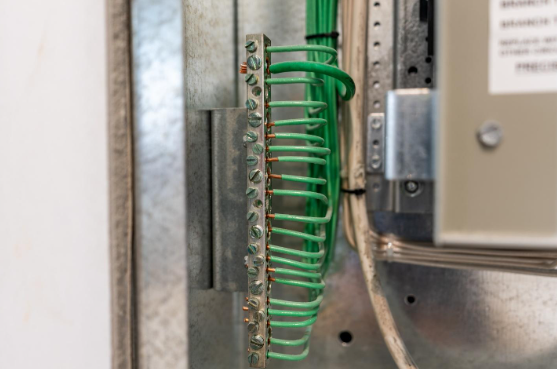
Key Takeaways About Electrical Grounding Repair
Electrical grounding repair means restoring a low-resistance path that keeps metal fixtures and appliances at safe voltage. This summary is for homeowners and property managers who notice tingles or intermittent shocks and need clear next steps.
- Identify loose or corroded grounding connections during inspections.
- Prevent stray voltage by maintaining secure bonds and clamps.
- Avoid DIY panel work when shocks involve service or bonding.
- Spot appliance leakage versus system grounding faults with tests.
- Reduce risk by retesting GFCIs and measuring voltages under load.
- Plan repairs with documented readings photos and a written scope.
Introduction
Small shocks from metal fixtures or appliances are more than a nuisance when they signal a grounding problem in your home. When grounding paths are weak or broken, stray voltage can travel through unexpected places and cause tingling or brief shocks. Those shocks can startle occupants and create safety concerns, especially for children or people with medical implants. Homeowners who notice repeated shocks should pay attention because the issue often points to hidden wiring or grounding faults.
Grounding problems often show subtle signs before they become dangerous, making early attention useful. You might feel a tingle touching a faucet after using an appliance or notice appliances that seem to vibrate when handled. Outlets that deliver inconsistent power or GFCIs that trip without an obvious cause also suggest grounding issues. Ignoring these signals can let small faults grow into larger electrical hazards.
Diagnosing grounding faults requires inspection of components like the service panel, grounding conductor, and outlet connections. A qualified electrician will check continuity, measure voltage differences, and test GFCI operation to locate the fault. They will look for loose grounding conductors, corroded connections, or improper bonds at the panel and grounding electrode. These checks produce measurements and observations that confirm whether grounding repair is necessary.
For homeowners in Florence, SC and properties in Marion, SC, addressing nuisance shocks restores comfort and reduces risk. Proper electrical grounding repair repairs protective paths and helps ensure outlets and fixtures behave predictably. Scheduling a professional inspection provides clear findings, documented test results, and a plan to correct problems. Contact a licensed electrician if you experience repeated shocks or suspect grounding issues in your home.
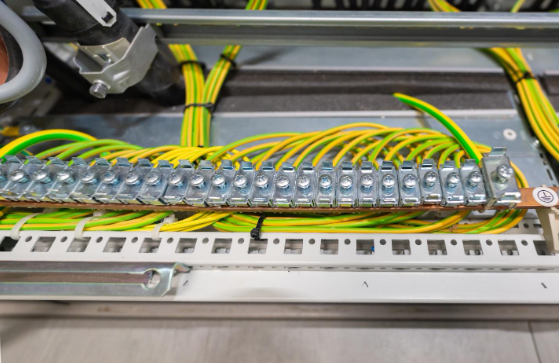
Photo from iStock - Credit: Denis Shevchuk
How Electrical Grounding Works and Why It Fails
Electrical grounding provides a low-resistance path that safely carries fault current to the earth when wiring or equipment fails.
- A grounding conductor connects the service panel to the grounding electrode.
- A grounding electrode can be a rod or metal water pipe bonded to the system.
- A proper bond keeps stray voltage off metal fixtures and appliances.
- GFCI devices sense imbalance and interrupt current before shocks occur.
Grounding fails when connections loosen, corrode, or never were made correctly during installation.
Loose screws at the service panel, corroded grounding conductors, or disconnected bonds can interrupt the ground path.
In a common situation, a homeowner feels a tingle from a faucet after running a washer, and an electrician would check outlet continuity and measure voltage between metal parts.
Common Causes of Nuisance Shocks at Home
Faulty or undersized grounding conductors can contribute to electrical shock hazards when grounding and bonding connections are inadequate. A damaged conductor may prevent fault current from following its intended path, increasing the risk of energized metal surfaces. An electrician will inspect the grounding conductor for visible damage and test continuity to determine whether replacement is needed. In older homes, wiring materials may also require special attention. Our guide, “aluminum wiring repair - safe solutions for older homes,” explains common concerns with aluminum wiring and the importance of proper repairs.
Corroded or loose bonds at junction boxes and service panels allow stray current to find other paths through fixtures and people. Corrosion raises resistance and loose screws break continuity, creating variable symptoms that come and go. A pro checks connections at the panel, outlet grounding screws, and bonding to the water pipe to identify weak joints. When corrosion is present, cleaning and re-tightening or replacing terminals fixes the immediate fault and improves long-term reliability.
Shared neutrals or incorrect wiring can produce voltage on exposed metal parts when circuits are loaded unevenly. If neutral and grounding conductors are tied improperly or a neutral is open, return currents can seek alternative paths. A qualified electrician will perform voltage measurements between neutral, ground, and metal enclosures to spot wiring errors and open neutrals. Correcting the wiring and ensuring separate neutral and ground conductors removes unwanted touch voltage and reduces nuisance shocks.
Appliance faults and internal insulation breakdown can transfer small currents onto connected metalwork, causing shocks when touched. Moisture inside appliances or damaged cord insulation increases leakage current that should flow to ground but instead energizes casings. Technicians use plug-in leakage testers and measure current to ground to quantify the problem before repair. For residential homeowners identifying whether the appliance or the household grounding needs work guides the proper electrical grounding repair choice.
Recognizing Warning Signs of Faulty Grounding
Noticeable differences in how metal fixtures feel under different conditions can indicate grounding faults needing attention. If a faucet feels slightly warm or gives a mild zap only when an appliance runs, a technician may suspect stray voltage interacting with plumbing. These warning signs can point to a serious electrical hazard. For more information about recognizing electrical problems, read our guide on “how to tell that you need electrical repair.” A professional can measure voltage between the fixture and an appropriate reference point, then trace conductive paths through grounding and bonding connections. These readings help distinguish appliance leakage from a broader grounding issue requiring electrical grounding repair.
Another warning sign is inconsistent behavior from GFCI outlets that trip without a clear cause or fail to trip when expected. Erratic tripping often points to shared neutrals, wiring errors, or degraded connections that upset imbalance sensing devices. An electrician will test GFCI operation with a calibrated tester and perform continuity checks on neutral and ground conductors to pinpoint the fault. Test results give a clear basis for targeted repairs rather than guesswork.
Buzzing or humming from outlets, panels, or attached metal boxes can signal poor connections or loose grounding components that heat and vibrate under load. Technicians inspect terminal screws, bonding jumpers, and the service panel for signs of arcing, discoloration, or loosened hardware during a visual and hands-on check. Infrared scanning and torque verification on lugs provide noninvasive ways to confirm suspect connections before replacement. Repairing or tightening these parts often stops the noise and reduces touch voltage risk.
Visible corrosion or greenish deposits on grounding conductors and electrode clamps often indicate high resistance at critical bonds that cause intermittent shocks. An electrician will remove and clean corrosion, then measure resistance to ensure the electrode meets safe continuity levels for reliable grounding. For homes in Florence, SC and for properties in Marion, SC, documenting photos and voltage readings helps prioritize whether cleaning, re-bonding, or conductor replacement is required. Those inspection outputs guide the scope of any recommended electrical grounding repair.
Electrical Grounding Repair Methods and Solutions
Repair options begin with targeted fixes that restore reliable grounding connections without replacing entire systems. Technicians commonly tighten and reterminate grounding conductors at the service panel and junction boxes to correct loose connections. They may replace corroded clamps or bonding jumpers that no longer make secure contact with metal plumbing or grounding electrodes. These repairs help address electrical hazards and improve grounding system reliability. To better understand the value of addressing these problems promptly, read our guide on “why electrical repair is important.”
- Replace corroded grounding clamps.
- Re-run or upsized grounding conductor when needed.
- Install new bonding jumpers at plumbing connections.
- Secure and reterminate panel grounding lugs.
- Clean and test grounding electrode connections.
When visible damage or high resistance appears, electricians sometimes upgrade the grounding conductor to a larger size for lower resistance. They will use continuity tests and measured resistance values to justify conductor replacement before beginning work. Replacing the conductor often involves routing a continuous copper conductor back to the grounding electrode or bonding point. This method restores a direct low-resistance path that helps prevent touch voltage on metal fixtures.
In cases where the grounding electrode or its clamp is the problem, crews may excavate around the electrode to access and clean it. After cleaning, they retorque connections and measure resistance to confirm improvement in the grounding path. If a water pipe bond is unreliable, they will add a dedicated electrode bond per inspection findings and retest continuity.
Professionals also test outcomes with GFCI and voltage checks to confirm that repairs eliminated the nuisance shocks. A final inspection often includes continuity checks between panel ground and metal fixtures, voltage measurements under load, and a written report of findings. If repairs require further work, the report lists next steps so homeowners understand remaining risks and options. Schedule electrical inspections if you want measurements and a clear plan for electrical grounding repair work.
When Homeowners Should Call a Professional
If you notice shocks that get worse or spread to multiple fixtures, call a certified electrician in Florence, SC promptly for a diagnostic visit. A professional will perform voltage measurements between appliances, neutral and grounding conductors while the circuit is loaded. They use a continuity test, clamp meter, and visual inspection to confirm whether the issue needs immediate electrical grounding repair. Documented readings and photos give you evidence to decide on repairs with confidence.
Call sooner when shocks occur near water or when someone with a medical implant experiences tingling, since those scenarios raise safety concerns. The electrician will check bonding at water pipes and verify separate neutral and ground paths to rule out dangerous wiring faults. If measurement shows persistent voltage on fixtures, the tech may recommend corrective actions rather than temporary fixes. These steps reduce the chance of periodic shocks returning after a short time.
Schedule an inspection if GFCIs trip unpredictably or if you see corrosion at grounding clamps that testing suggests increases resistance. During the visit, the technician will torque connections, clean clamps, and retest continuity to confirm improvement before leaving. They will also run GFCI function tests and simulate normal appliance loads to ensure the system behaves under real conditions. A clear test report helps you understand whether full grounding replacement is necessary.
For homes in Marion, SC, call a professional when shocks persist despite basic homeowner checks like unplugging appliances. The electrician will produce a written summary of findings, recommended repairs, and a safety priority list so you can plan next steps. If repairs touch the service panel or bonding to plumbing, hire a licensed professional rather than attempting DIY fixes. Timely professional diagnosis prevents small grounding faults from turning into larger hazards.
What Mister Sparky of Florence Offers for Repairs
Mister Sparky electrical technicians begin repairs by documenting measured voltages, continuity readings, and visible connection issues before any work starts. They create a written scope that lists recommended electrical grounding repair actions based on those test results. The scope includes specific components to replace or clean, estimated labor steps, and safety precautions for work near the service panel. Homeowners get a copy of the test outputs and the planned corrective steps to review before approval.
During repair, electricians focus on durable connections and correct bonding methods that match modern practices for safety and reliability. They replace corroded clamps, retorque grounding lugs, and install new bonding jumpers where measurements indicate high resistance. Technicians also reroute or upgrade grounding conductors when continuity tests show an inadequate path to the grounding electrode. If testing reveals problems with breakers or panel components, circuit breaker repair services may also be necessary to address related electrical faults. Each repair step is followed by repeat measurements to confirm the grounding connections function properly.
Technicians use common diagnostic tools such as clamp meters, continuity testers, and voltage meters to verify repairs reduced stray voltage and stopped nuisance shocks. After repairs, they test GFCI operation and measure voltage between fixtures and a verified earth reference to confirm the issue resolved. The crew documents final readings, photos of finished work, and notes on components replaced for homeowner records and future inspections.
Safety measures during service include locking out the affected circuit and following torque specifications when reterminating conductors to avoid loose joints in the future. If repairs require panel work or bonding at plumbing, technicians explain why those steps must stay with licensed professionals. Scheduling is available to match homeowner needs, and the crew provides a follow-up check to confirm the grounding repair remains effective after normal household loads.
Preventive Maintenance to Avoid Future Shocks
Regular checks reduce the chance of shocks returning by catching wear before it becomes a fault. Schedule visual inspections of grounding clamps and bonding jumpers at least once every two years. During each visit, have a technician record continuity and voltage readings under load for future comparison. These documented trends help spot gradual corrosion or loosening before occupants feel any tingles.
- Inspect grounding clamps for corrosion.
- Verify bond continuity to plumbing.
- Retorque grounding lug connections.
- Test GFCI outlets for consistent operation.
Seasonal maintenance also helps because moisture and temperature swings can accelerate corrosion at exposed connections. Ask the electrician to clean clamps and retest resistance after South Carolina stormy months or high-humidity periods. Keeping photos and written readings in a simple file makes comparisons straightforward during follow-up visits. This record helps prioritize future electrical grounding repair work when metrics drift upward.
Homeowners can perform simple checks between professional visits to watch for return of symptoms. Look for new buzzing sounds, visible green corrosion, or GFCIs that trip more often than before. If those cues appear, arrange a diagnostic visit promptly to get updated measurements and a plan for corrective action. For properties in Marion, SC, timely maintenance limits risk and simplifies any needed repairs.
Cost Factors and Timeline for Grounding Repairs
Several factors determine the cost of electrical grounding repair, including the extent of wiring access needed and the materials required for durable connections. Technicians assess whether grounding conductors require replacement or whether clamps and bonds need cleaning and retorqueing. Jobs that require trenching to reach a grounding electrode or rerouting a conductor typically raise labor and time needs compared to surface fixes. A clear diagnostic report helps homeowners understand which specific components drive the final estimate.
Timeline depends on whether the work stays within the service panel and accessible junction boxes or if more invasive access is necessary. Simple repairs such as replacing clamps, reterminating lugs, and re-bonding plumbing can often finish in a few hours with a single visit. More involved projects that include running new grounding conductor back to an electrode, excavating around an electrode, or scheduling a follow-up test may take one to three days. Weather and required inspections can add scheduling delays to the repair timeline.
Material choices affect both cost and longevity, since copper conductors, heavy-duty clamps, and corrosion-resistant bonding hardware last longer than cheaper alternatives. Measuring resistance and continuity before and after repairs provides objective proof the chosen materials achieved the needed low-resistance path. Homeowners should ask the electrician to show post-repair readings and photos to compare to pre-repair measurements. Those records help evaluate whether the expense addressed the root cause or if further work may be needed later.
During diagnosis, a technician will perform continuity checks, voltage measurements under load, and clamp meter readings to confirm the grounding fault and scope repairs. For example, a homeowner reports intermittent shocks from a sink, and the professional would first measure voltage between the sink and a verified earth reference while an appliance runs. After locating high-resistance bonds or damaged conductors, the electrician outlines repair steps, material needs, and an estimated schedule in writing.
Ask for a written estimate that separates diagnostic fees, labor, parts, and retesting costs so you can compare options and timelines. Schedule repairs sooner when readings indicate significant touch voltage or when GFCI behavior suggests persistent leakage to metal cases. A follow-up check after normal household loads confirms repairs held and provides peace of mind that nuisance shocks are resolved. Keeping documentation of measurements and replaced parts simplifies future maintenance and any additional grounding work that may be required.













