
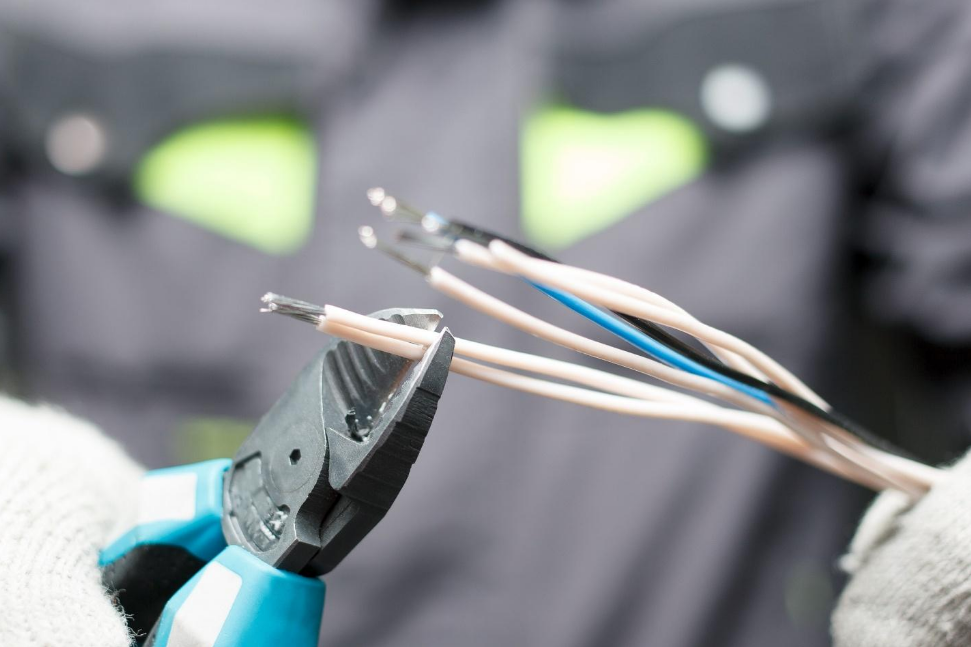
Key Takeaways About Aluminum Wiring Repair
Aluminum wiring repair means fixing or modifying aluminum conductor connections so they are safe and stable. This guidance is for homeowners and property managers who notice symptoms or face insurer requirements.
- Identify warm outlets flicker or burning smells as warning signs
- Prevent oxidation and thermal cycling with approved remediation methods
- Avoid DIY splices and hire a licensed electrician for diagnosis
- Spot high resistance with voltage readings torque checks and infrared scans
- Reduce risk using COPALUM crimping AL-CU connectors or rewiring
- Plan repairs with documentation photos and written inspection reports
Introduction
Aluminum wiring repair matters because older homes wired with aluminum face higher risks of loose connections, overheating, and fire. Insurance companies often flag aluminum wiring during inspections and may require remediation to maintain coverage. Homeowners in Woodland Park, SC and surrounding areas notice flickering lights, warm outlets, or scorched cover plates as common warning signs. Addressing the wiring properly protects people and property while meeting insurer expectations.
Proven remediation methods focus on fixes that reduce risk and provide documented safety improvements. COPALUM crimping and AL-CU rated connectors are two accepted solutions that create stable, low-resistance joints between aluminum and copper conductors. Targeted rewiring can remove problematic aluminum conductors from critical circuits without replacing all branch wiring in a house. Each approach aims to stop oxidation and thermal expansion that lead to loose terminations.
Diagnosing an aluminum wiring problem starts with observable symptoms and careful inspection by a licensed electrician. A professional will look at outlet and switch condition, check for discoloration, test voltage and continuity, and inspect the service panel and junction boxes. Infrared scanning and torque testing can reveal hot spots or loose connections that are not visible to the eye. Clear documentation of findings helps homeowners and insurers understand the scope of needed repairs.
Choosing a remediation path depends on circuit importance, insurance requirements, and the condition of existing terminations. COPALUM crimping provides a mechanically and electrically sound permanent splice when performed by trained technicians. AL-CU rated connectors offer an approved alternative when crimping is not practical and for transitioning conductors to copper at devices. For properties in Florence, SC the right fix balances safety, inspection acceptance, and minimizing disruption to the home.
What Aluminum Wiring Repair Means for Homeowners
Aluminum wiring repair means replacing or modifying connections so aluminum conductors make safe, stable electrical joints and remain reliable. Homeowners often ask whether repairs satisfy insurance requirements, and the answer is that accepted fixes usually do. A clear inspection report that lists the method used helps insurers see the risk has been reduced. Repairs should aim to stop oxidation and thermal cycling that cause loose terminations over time.
- Reduce risk of overheating at outlets and switches.
- Create lasting connections between aluminum and copper wires.
- Provide documentation for insurance inspections.
- Limit home disruption with targeted approaches.
Repair options vary in permanence and acceptance by insurers, and homeowners should weigh those differences. COPALUM crimping creates a permanent cold-welded splice that many insurers accept as a full remediation. AL-CU rated connectors give an approved transition between aluminum and copper when crimping is impractical. A licensed electrician can advise which method meets your insurer's expectations and local practices.
Repair work focuses on critical circuits first, like kitchen, laundry, and HVAC lines, to reduce immediate hazards. Targeted rewiring replaces aluminum only where connections repeatedly fail or where device terminations are frequent. This approach saves time and cost while addressing the highest-risk areas in the home. Homeowners can choose staged repairs to spread work over time.
To confirm a problem, a professional inspects outlets, switches, junction boxes, and the panel for discoloration or heat damage. They may perform a voltage reading, continuity test, and torque check to find loose or resistive connections. Infrared scanning can reveal hot spots that indicate failing terminations. The written report should list findings, recommended repairs, and suggested next steps for insurance documentation.
Homeowners should act quickly if they notice warm outlets, flickering lights, or burning smells, because these are clear warning signs. For property owners, the right remediation balances safety, insurer acceptance, and minimizing wall damage. If you need help deciding, schedule an inspection with a licensed electrician in Florence, SC, who can provide a documented plan and estimated timeline.
Why Aluminum Wiring Problems Happen and How
Aluminum conductors expand and contract more than copper when they heat and cool, stressing screw terminals over time. This mechanical movement loosens connections and raises contact resistance, which produces heat at outlets and switches. Oxidation forms a resistive layer on aluminum surfaces that makes electrical contact unreliable without proper treatment. A professional electrician can spot signs of this mechanical and chemical wear during a hands-on inspection.
When diagnosing, a technician inspects device screws, wire strands, and the condition inside junction boxes for flaky or brittle aluminum. They may perform torque checks on device terminals and measure voltage drop under load to reveal high-resistance connections. Infrared scanning helps find hot spots at panels or splices that indicate failing terminations not visible to the naked eye. These diagnostic steps clarify whether a simple connector swap or a more intensive splice is necessary.
Some failures start where aluminum meets copper at a device or splice without an approved transition method, causing galvanic corrosion and heat. Approved solutions like COPALUM crimping and AL-CU rated connectors prevent this by creating a stable joint and stopping oxidation processes at the contact point. Choosing between a cold-weld crimp, an AL-CU connector, or limited rewiring depends on each circuit’s layout, number of terminations, and accessibility. A clear inspection report helps homeowners show insurers the chosen method addresses the underlying cause.
Homeowners often notice intermittent lights, outlets that become warm, or devices that stop working under load before visible damage appears. In Woodland Park, SC residents should treat those symptoms as signals to schedule a professional assessment soon. For properties in Florence, SC inspectors may recommend targeted rewiring on high-use circuits to remove repeated failure points. Acting on early diagnostic findings reduces the chance of progressive damage and helps meet insurer expectations for documented repairs.
Common Causes of Aluminum Wire Failures Explained
Connections fail when aluminum conductors suffer surface pitting or brittle strands from age and mechanical stress. A trained electrician inspects screw terminations and visible strands for broken wires and discoloration. They also check junction boxes for melted insulation or powdery residue that signals thermal damage. Early physical signs often point to a degradation process rather than a single event.
Overheated terminations can leave telltale odors and scorch marks around devices that homeowners notice first. Technicians use a voltage reading and continuity test to confirm increased resistance at the suspect connection. Infrared scanning then helps locate heat that occurs only when the circuit is loaded and not visible at rest. This combination of checks shows whether a splice or device terminal is the failure point.Galvanic interaction where aluminum meets copper without an approved transition accelerates corrosion and raises contact resistance over time. Professionals look for mixed-metal junctions at switches, outlets, and pigtails during their inspection and note them in the report. A documented finding of mixed metals usually leads to using an approved corrective method rather than a simple retighten.
Physical movement of conductors inside conduit or boxes can fray strands and loosen terminations after repeated thermal cycles. Electricians will perform torque checks on device screws and examine the panel for loose lugs or signs of arcing. If recurring failures appear on critical circuits, targeted rewiring or approved splices may be recommended and recorded.
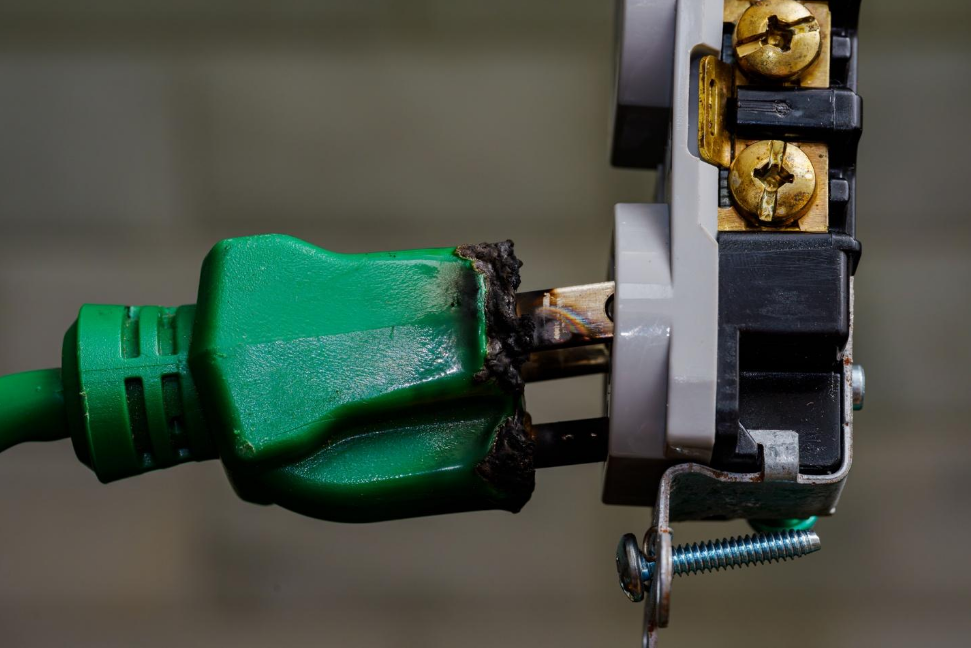
Photo from iStock - Credit: MMPhoto21
Recognizing Warning Signs for Electrical Hazards
Signs that a circuit may be hazardous include intermittent appliance trips, buzzing at outlets, or a faint burning odor near devices. A homeowner who notices flicker only when heavy loads run should avoid using that circuit until inspected. Visible charring around a cover plate or device screws requires immediate attention from a licensed electrician. In Woodland Park, SC homeowners often report odd smells that lead to further inspection and documented findings.
- Outlets that feel warm to the touch
- Switches that spark when operated
- Lights that dim as appliances start
- Discolored or melting insulation around terminals
Professionals confirm hazards by checking for loose device screws and measuring voltage under load at suspect outlets. They will remove cover plates to inspect conductor strands and look for deformation or brittle aluminum. A continuity test and a voltage reading under load help reveal high-resistance connections not obvious at rest. Infrared scanning can identify hot spots behind walls or at junctions before visible damage appears.
Another diagnostic step is a careful torque check on panel lugs and device terminals to test mechanical stability. Electricians may record readings and photos to create a written report for homeowner and insurer review. That documentation can show which circuits need an approved splice or targeted rewiring to resolve hazards.
Homeowners should watch for patterns such as problems on specific circuits during peak use or recurring outlet failures in one area. If problems recur after simple tightening, a deeper splice or transition is likely needed and should be documented. When signs align with aluminum conductor behavior, schedule a licensed electrician to diagnose and recommend remediation. Prompt action reduces fire risk and provides better evidence for insurance conversations.
Proven COPALUM Crimping Method and Decision Points
COPALUM crimping creates a cold-welded splice that stops aluminum oxidation at the connection point and stabilizes contact resistance. A professional inspects the conductor strands, cleans terminals, and positions the splice where accessible before applying the crimp. After crimping, the technician typically covers the joint with heat-shrink tubing to seal against moisture and mechanical stress. Homeowners should ask for written confirmation of the method and photos showing the finished crimp for their records.
Deciding to use COPALUM depends on accessibility, circuit importance, and how many terminations exist in the box or panel. Electricians evaluate whether outlet removal or wall access will be required and estimate the time per splice. When many mixed-metal connections concentrate in one area, crimping each may be more effective than piecemeal fixes.
During diagnosis, a technician confirms the need for a COPALUM splice by removing device plates, inspecting strand integrity, and performing a load voltage reading. They may also perform a torque test on nearby device screws to assess mechanical stability before committing to crimping. Infrared imaging under load helps decide if heat is localized to a termination or spread through wiring, which affects the repair choice. In Woodland Park, SC homeowners should include these inspection outputs in any remediation record submitted to insurers.
There are practical decision points when COPALUM is not ideal, such as inaccessible junctions or when multiple runs require extensive demolition to reach. In those scenarios, an electrician may recommend AL-CU rated connectors or targeted rewiring for specific circuits instead of broad replacement. For properties in Florence, SC documenting why an alternate approved method was chosen helps meet insurer expectations. Always hire a licensed electrician to perform or verify any COPALUM work and produce a written report.
Using AL CU Rated Connectors Safely and When to Use
AL-CU rated connectors provide an approved way to join aluminum and copper without a cold-weld crimp, especially where access or space limits COPALUM use. A licensed electrician selects a connector size that matches conductor gauge and inspects strands before installation to ensure a clean contact surface. After installation, the technician typically wraps the connector with appropriate insulating material or uses factory sleeves to maintain a sealed joint. Homeowners should request photos and a written note of connector part numbers for their records and insurer review.
Use these connectors when device terminations require a transition from aluminum to copper at outlets, switches, or appliance feeds where crimping is impractical. Installers clean the conductor with an approved antioxidant compound when required by the connector manufacturer and tighten to specified torque values. A professional may perform a voltage drop test under load and a continuity check after installation to confirm a low-resistance joint. If heat or discoloration persists after connector replacement, further action is needed to address underlying conductor damage.
Correct installation prevents galvanic corrosion and reduces thermal cycling effects that cause loose connections over time, but the right connector must be used and installed correctly. Inspectors often look for proper torque, visible manufacturer markings on the connector, and a documented inspection report that lists tests performed. For homeowners in Woodland Park, SC, providing this documentation can clarify that an approved transition method was used on suspect circuits. If multiple connectors are needed in one box, consider whether targeted rewiring offers a longer-term solution.
When deciding between an AL-CU connector and other options, electricians evaluate accessibility, number of terminations, and insurer preferences for documented fixes. In some cases, switching to copper pigtails at devices using AL-CU connectors simplifies future maintenance and reduces repeat failures. Properties in Florence, SC often require clear records showing connectors used and test results when submitting repair evidence to insurers. Always hire a licensed professional to install and verify AL-CU connectors and to produce a written report of the work performed.
Targeted Rewiring Strategies for Long-Term Safety
Targeted rewiring focuses on replacing only the most vulnerable aluminum runs instead of rewiring entire branch circuits, reducing disruption to finished walls. Technicians prioritize circuits with repeated failures, high load appliances, or evidence of conductor damage during inspection. A professional will plan access points to minimize drywall removal while maintaining safe clearances around junction boxes and panels. Homeowners receive a scope of work showing locations and estimated time for each targeted segment.
- Replace short runs feeding ranges or dryers when damaged
- Add copper pigtails at frequently serviced devices
- Reroute circuits away from damp or crowded junction boxes
- Install new junction boxes for accessible, documented splices
During diagnostic work, electricians confirm which runs need replacement by checking strand integrity and measuring voltage drop under load at endpoints. They may use an infrared camera to see heat patterns and a clamp meter to observe current on suspect circuits. Photographs and a short report document findings so insurers can see the focused scope and rationale. This documentation also helps in planning any staged work over several visits.
Targeted rewiring often uses copper for new segments and leaves undisturbed aluminum in low-risk areas to balance cost and safety. Installers terminate new copper conductors on AL-CU rated transition points or directly on devices where allowed and documented. The result reduces the number of aluminum terminations and simplifies future maintenance for electricians. Homeowners should ask for labeled diagrams showing which circuits were modified for record keeping.
In one example scenario, an inspector found repeated outlet failures in a kitchen and proposed replacing only the run to that area. For example, the technician confirmed warm outlets and high resistance, then replaced the affected run and documented readings. That limited approach addressed immediate fire risk without a full house rewiring project.
When to Call a Professional for Aluminum Wiring Repair
If you notice persistent heat, burning odors, or repeated device failures, call a licensed electrician to evaluate aluminum wiring repair needs promptly. A professional will perform diagnostic steps such as visual strand inspection, torque checks on device screws, and voltage readings under load to confirm risk levels. They may also use infrared scanning or a clamp meter to detect hidden hot spots and document findings with photos and measurements. Request a written report that lists observed symptoms and recommended remediation steps for insurance purposes.
Call sooner when problems occur on high-load circuits like kitchen ranges, dryers, or HVAC feeds because these carry greater fire risk under resistive connections. The electrician will decide between approved fixes by examining box accessibility, number of mixed-metal terminations, and the condition of conductor strands. If a COPALUM splice or AL-CU rated connector is suitable, the technician will explain expected outcomes and required inspections after work is complete. Make sure any chosen method includes post-repair verification such as voltage drop tests and torque confirmations.
Schedule a visit when recurring issues persist after simple maintenance, such as repeated retightening or device replacement, since this suggests a deeper aluminum wiring problem. A professional can recommend targeted rewiring if multiple terminations in one area show deterioration or if insulation damage exists near junctions.
If an insurance company has identified aluminum wiring during an inspection, contact a licensed electrician before filing claims to discuss acceptable remediation methods and documentation. The technician can perform the diagnostic checks insurers expect, provide written proof of work performed, and note connector part numbers or splice types used on the project. For residential homeowners, having clear, test-backed documentation often helps clarify acceptance of the repair method with underwriters. Always avoid DIY splices on aluminum conductors and rely on a professional for safe, verifiable aluminum wiring repair.