
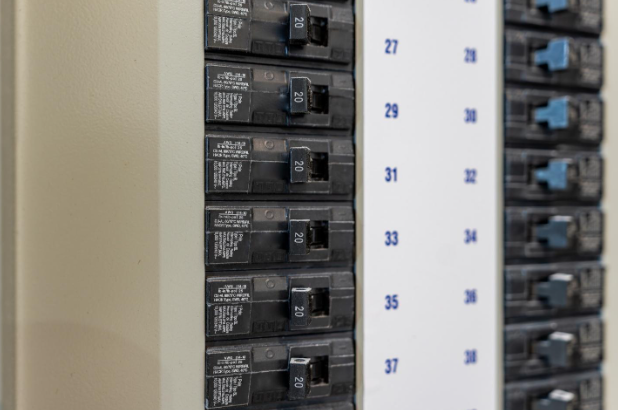
Key Takeaways About Dedicated Appliance Circuits
Dedicated appliance circuits are single branch circuits reserved for one major appliance to improve safety and performance. This guide helps homeowners and property managers decide when to add circuits and when to call a licensed electrician.
- Identify repeated trips tied to one receptacle or appliance.
- Prevent nuisance trips by matching breaker size to load.
- Avoid overheating by using proper wire gauge and terminations.
- Spot loose connections by observing smells sounds or discoloration.
- Reduce voltage drop on long runs with larger conductors.
- Plan a professional diagnostic test with clamp meter and voltage readings.
Introduction
Appliances that trip breakers or run poorly often share a common electrical cause. Dedicated appliance circuits reduce nuisance trips and protect motors and electronics in kitchens and laundry rooms. Homeowners notice humming refrigerators, ovens that shut off mid-cycle, or washers that blow a breaker during spin. In Florence, SC houses with older wiring are especially likely to see these symptoms.
Understanding when to add a 20-amp circuit or a 240-volt line matters for safety and appliance life. Wrong breaker sizing or thin wire can overheat connections and cause repeated trips that mask real faults. You might hear popping sounds at the panel or see scorch marks near an outlet. For properties in Hartsville, SC these issues can interfere with daily routines and cause expensive repairs later.
Major appliances draw steady current and need stable power to operate correctly. A dedicated circuit keeps a single appliance from sharing capacity with lights or other devices. That separation reduces voltage drop and helps sensitive electronics inside modern machines run as intended. The result is fewer false trips and less wear on motors and control boards.
A professional inspection confirms whether a new circuit or larger wire gauge is needed. Electricians check voltage under load, measure branch circuit amperage, and inspect panel capacity and grounding. Those diagnostics pinpoint whether the solution is a 20-amp outlet, a 240-volt breaker, or simply a secure connection. Acting on clear findings prevents repeat outages and protects expensive appliances.
Why Dedicated Appliance Circuits Matter for Safety
Dedicated appliance circuits are individual branch circuits reserved for a single major appliance or outlet to improve safety and performance. These circuits reduce the risk that one appliance overloads a shared line and causes nuisance trips. A homeowner wondering if a dedicated line prevents frequent breaker trips should know it often does. If a dryer or range keeps tripping a breaker, a dedicated circuit is a common corrective action.
- They isolate high current draws from other loads.
- They lower voltage drop at the appliance.
- They reduce heat buildup in shared wiring.
- They make troubleshooting simpler for electricians.
A dedicated circuit helps prevent overheated connections that can start fires when wires run near their ampacity limit. Repeated nuisance trips may hide a loose neutral or a poor connection at the outlet or panel, and those faults raise heat and arcing risk. An electrician inspects for discoloration, melted insulation, or scorch marks when diagnosing safety concerns. If you smell burning plastic near an outlet, stop using the circuit and call a professional immediately.
For safety, many kitchens and laundry areas use a mix of 20 amp 120-volt circuits and 240-volt circuits for large appliances. A proper diagnosis includes load testing with a clamp meter, voltage readings under load, and panel inspection for free spaces and bus condition. Technicians also check grounding and confirm whether a GFCI or AFCI device is required to protect occupants and equipment.
Adding a dedicated appliance circuit improves firefighter and homeowner safety by reducing hidden wiring stress and simplifying isolation during emergencies. An electrician documents findings in a written report showing amperage, voltage drop, and any unsafe connections discovered during testing. In a common situation, a dryer that trips only during spin will prompt the pro to measure motor current and inspect the neutral and receptacle.
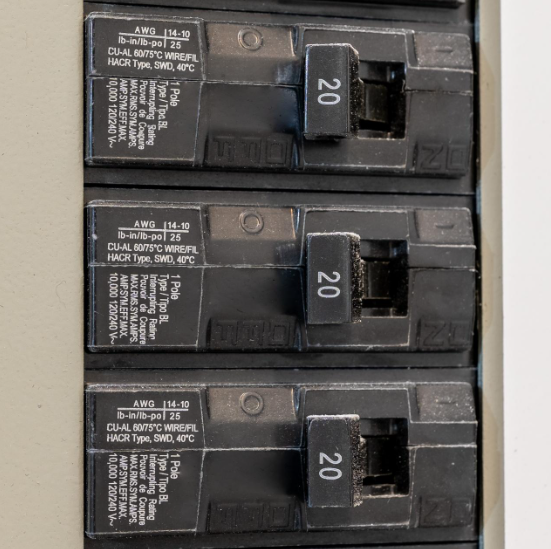
Photo from iStock - Credit: TW Farlow
How 20 Amp Circuits Work for Kitchen Circuits
A 20 amp circuit in a kitchen supplies a single 120-volt branch meant for countertop appliances and small built-in devices. These circuits typically use 12-gauge copper wire and a 20-amp breaker to match ampacity and reduce heat at connections. When installed correctly, the breaker trips before the wiring overheats, protecting the cable and reducing fire risk. Electricians size the breaker and wire to the expected continuous and intermittent loads on that circuit.
Appliance behavior helps decide if a 20 amp dedicated appliance circuits run is appropriate for a receptacle. If a toaster, microwave, or garbage disposal repeatedly causes trips while other circuits remain unused, that receptacle may need its own 20-amp branch. A pro will note the appliance nameplate amperage and run a simple load test with a clamp meter to compare running current against breaker capacity. They will also inspect the outlet and cord for discoloration, loose screws, or signs of arcing.
Installation details matter for performance and code compliance even when a circuit seems straightforward. Electricians check for shared neutrals, which can overload a multi-wire branch circuit if wired incorrectly, and they confirm whether AFCI or GFCI protection is required for the location. They also measure voltage at the outlet under load to detect excessive voltage drop, which indicates long runs or undersized conductors. If voltage falls too low while an appliance runs, motors will overheat and control boards may reset.
In a common situation, a microwave that trips during peak use prompts an electrician to record inrush and running currents and inspect the branch wiring visually. The pro will test continuity and tighten connections, then re-evaluate with the appliance operating to confirm the fix. Homeowners in Florence, SC and Hartsville, SC often find this diagnostic approach identifies whether a new 20-amp dedicated circuit or a repair at the receptacle is the correct next step. If the investigation reveals signs of burning or persistent nuisance trips, stop using the outlet and call a licensed electrician for repairs.
When to Install 240 Volt Circuits for Appliances
Large motor-driven appliances like electric ranges, dryers, and some water heaters usually require a 240 volt supply because they draw higher continuous current than standard 120 volt outlets can provide. A 240 volt circuit uses two hot legs and, depending on the appliance, may or may not use a neutral conductor for controls or timers. A professional checks the appliance nameplate to confirm voltage and full-load amps before planning a new circuit or breaker change. If the nameplate specifies 240 volts, the correct approach is to provide an appropriately rated two-pole breaker and matching conductors.
Some appliances with substantial heating elements need a dedicated 240 volt branch to prevent voltage drop that weakens heating performance and stresses motors. An electrician measures voltage under load and compares running current to the breaker rating to confirm whether the existing supply meets the appliance's continuous-load requirements. They will also verify panel space, grounding, and whether the appliance requires a neutral for timers or lights. For additional information about electrical protection, our guide on GFCI and AFCI upgrades for safer living spaces explains how these devices help protect against electrical hazards. If the existing branch shares a neutral improperly, the technician recommends installing a separate 240 volt circuit with the correct conductors.
Appliances that repeatedly trip breakers during operation often show clear symptoms such as dimming lights, loss of heat, or a breaker that trips only when the appliance starts a high-load cycle. A diagnostic visit includes inspecting the breaker for signs of wear, testing with a clamp meter during the appliance's peak cycle, and checking outlet connections and the receptacle condition. The electrician may also test for voltage imbalance between the two hot legs, which can indicate service or panel issues needing correction. Recorded load readings and photos of panel condition form part of a written diagnostic that guides the repair decision.
Installing a 240 volt circuit also involves selecting the right breaker size and conductor gauge based on the appliance's continuous current draw and the National Electrical Code ampacity guidance. In practice, the pro balances breaker trip characteristics, conductor ampacity, and the appliance's startup inrush to reduce nuisance trips while protecting wiring. For homeowners SC considering an upgrade, a licensed electrician will document load calculations and recommend the correct two-pole breaker and wire size. If you detect burning odors, repeated trips, or visible outlet damage, stop using the circuit and contact a professional to diagnose and resolve the issue.
Breaker Sizing Explained with Decision Guidelines
Breaker sizing balances protecting wiring and avoiding nuisance trips when appliances draw inrush current far above running current. A professional starts by reading the appliance nameplate to find full-load amps and voltage. They then compare that ampacity to the breaker's trip curve and the conductor rating to choose a matching breaker. This process reduces false trips while ensuring the cable cannot overheat under continuous load.
- Match breaker rating to continuous load plus margin.
- Choose conductor gauge to meet ampacity and voltage drop limits.
- Use two-pole breakers for 240 volt appliances.
- Consider motor inrush when selecting trip characteristics.
For motors and compressors, electricians consider both running amps and startup inrush that can be several times higher. They may select a breaker with slightly slower trip characteristics while staying within code and safety limits. Technicians also check the service panel capacity and available spaces before upsizing breakers or adding circuits. A proper written load calculation documents those decisions and guides safe installations.
A diagnostic check includes voltage readings under load, clamp meter current traces, and inspection of breaker and terminal condition. The pro looks for heat discoloration, loose connections, and consistent trip patterns tied to specific cycles. If persistent trips occur despite correct sizing, they test for wiring faults, shared neutrals, or failing appliance components. Homeowners in Florence, SC often see clearer results after an electrician provides recorded readings and a repair plan.
When a household has multiple large appliances, the decision guideline favors separate dedicated appliance circuits to prevent cumulative overloads. For example, an electrician would separate a range and a microwave if simultaneous use risks exceeding branch capacity. The tech will also verify whether AFCI or GFCI protection is required for new circuits during installation. Properties in Hartsville, SC benefit from this methodical approach to reduce nuisance trips and extend appliance life.
Wire Gauge Choices How They Affect Performance
Wire gauge affects how much current a circuit carries before heating becomes dangerous, so choosing the right size matters for performance and safety. Thicker conductors reduce voltage drop on long runs, keeping motors and heaters at proper voltage during startup. An electrician reviews run length and expected continuous load to choose a conductor that keeps voltage within acceptable limits. When installers find long cable runs, they often use a larger gauge to prevent sluggish appliance operation and repeated trips.
Common gauges for household appliance circuits include 14 AWG, 12 AWG, 10 AWG, and 8 AWG, each matching specific ampacity and breaker sizes. A 12 AWG copper conductor pairs with a 20-amp breaker for many countertop and small appliance circuits, while larger appliances often need 10 AWG or 8 AWG for 30-amp or 40-amp protection respectively. Professionals check conductor insulation condition and terminations because loose lugs or damaged insulation raise resistance and heat. If a technician notices discolored insulation at a terminal, they will replace the connector and test again under load.
Voltage drop matters most during heavy startup current from compressors and motors, which is why gauge choices account for inrush. An electrician diagnoses by measuring voltage at the panel and at the appliance while the motor starts to see actual drop under load. They may run a continuity test and a clamp meter trace to confirm conductor integrity and to find high-resistance joints. Those readings determine whether existing conductors suffice or whether upsizing the wire will stop nuisance trips.
Grounding and neutral conductor sizing also affect performance, especially for 240-volt appliances with controls needing a neutral. A professional inspects the neutral for signs of overheating or shared wiring faults that can cause imbalance and trips. They check that the grounding conductor is continuous and bonded properly at the panel so fault currents clear quickly at the breaker. For homes around Florence, SC and Hartsville, SC, proper conductor selection and secure terminations improve appliance reliability and reduce repair visits.
Common Causes of Nuisance Trips and Why It Happens
Loose or corroded connections can generate heat and cause intermittent contact, leading to unexpected breaker trips. A professional inspects terminal screws, outlet contacts, and bus connections for signs of damage. They use a clamp meter and voltage readings to identify potential electrical faults while appliances operate. Tripped circuit breakers? here’s your troubleshooting guide, explains other common causes of breaker trips and warning signs homeowners should recognize. If an electrician discovers discoloration or overheated connections, they document the problem and recommend appropriate repairs.
Overloaded multi-wire circuits sharing a neutral can create imbalanced currents that nuisance-trip or stress breakers. An electrician traces conductors in junction boxes and tests for shared neutrals with a continuity check. They will measure current on each hot leg under normal appliance cycles to see if neutrals carry excess return. Correcting wiring to separate circuits or install a proper multi-wire branch resolves the imbalance.
Undersized conductors on long runs increase voltage drop during motor startup and can trip breakers from perceived overload. A tech measures voltage at the panel and at the appliance during start to quantify drop and inrush current. They compare those readings to acceptable limits and recommend upsizing conductors when needed. Replacing or shortening runs reduces stress on motors and lowers nuisance trip rates.
Failing breakers or worn trip mechanisms produce random trips even when wiring and appliances appear fine. An electrician inspects the breaker for pitting, heat marks, and consistent trip timing tied to cycles. They may swap the breaker with a known-good unit briefly to confirm whether the breaker is the fault. If replacement fixes the issue, the pro installs the correctly rated two-pole or single-pole breaker and records test results.
Moisture and shared loads from nearby circuits cause arcing and false trips in damp environments near laundry areas. A technician looks for corrosion, loose covers, and wet insulation, and they perform a GFCI test where required to confirm protection. They document readings and photos and propose targeted repairs like replacing receptacles or improving enclosure seals. Homeowners noticing intermittent trips during humid conditions should schedule a professional electrical inspection promptly.
Signs You Need Dedicated Appliance Circuits Now
If an outlet trips only when a specific appliance runs, that repeated pattern signals a dedicated circuit may be needed. Look for timing clues such as trips during spin cycles, oven preheat, or when multiple kitchen devices run together. Check for sounds like a breaker click or a humming appliance that coincides with an outage as these point to electrical stress. A professional would start diagnosis by observing the appliance while measuring current and voltage during the problematic cycle.
- Frequent trips tied to one receptacle.
- Burning smells near an outlet or panel.
- Visible discoloration at plugs or receptacles.
- Lights dim when the appliance starts.
- Breaker trips only during specific appliance cycles.
Persistent heat at an outlet or a warm faceplate shows high-resistance connections or overloaded wiring feeding multiple loads. An electrician inspects the receptacle, tests terminal torque, and performs a continuity check to locate the source of heat. They will run a clamp meter during the appliance's startup to record inrush versus running current and compare results to breaker and conductor ratings. Those readings determine if installing a dedicated appliance circuits line or repairing connections resolves the issue.
Repeated nuisance trips that stop after moving the appliance to another outlet suggest shared circuit overload or wiring faults rather than the appliance itself. A pro traces the branch circuit, checks for shared neutrals, and measures voltage drop at the load to confirm wiring adequacy. If diagnostics show high neutral currents or excessive drop, the recommendation often includes a separate 20-amp or 240-volt branch and upgraded conductors. Homeowners in Florence, SC or Hartsville, SC who notice these signals should schedule a diagnostic inspection to prevent further damage.
When to Call a Professional for Circuit Work
Call a licensed electrician in Florence, SC when you observe repeated trips that resist simple troubleshooting and basic fixes. An electrician confirms whether a dedicated appliance circuits addition or panel upgrade is required by measuring load and voltage under real operating conditions. They inspect breaker integrity, terminal tightness, and run a clamp meter trace during the appliance's peak cycles to capture inrush and running currents. If testing shows abnormal neutral currents, the pro documents readings and recommends corrective wiring or separate circuits.
Schedule a professional visit when you detect intermittent power, burning smells, or scorch marks that suggest heat or arcing inside the circuit. During inspection, a technician performs continuity and insulation resistance checks and photographs any damaged terminations for a written report. They test GFCI and AFCI devices and confirm whether adding protection or relocating the circuit will improve safety and compliance. The electrician also reviews panel space and service capacity before proposing new breakers or multi-wire branch adjustments.
If multiple major appliances run simultaneously and you experience dimming lights or frequent breaker action, have a pro perform a load calculation and panel assessment. The technician will simulate simultaneous loads, measure voltage drop at endpoints, and determine if separate 20-amp or 240-volt branches reduce cumulative stress. They can also advise on conductor upsizing to limit voltage drop on long runs and document required changes in an inspection report.
Call immediately if trips occur alongside unusual appliance noises like humming or grinding that start when power is applied and stop when the breaker trips. A pro inspects motor windings, outlet contacts, and cord terminations and may swap the breaker temporarily to isolate a faulty trip mechanism. They also examine grounding continuity and bonding to ensure faults clear quickly and safely at the panel. Homeowners in Hartsville, SC should schedule diagnostic testing rather than continuing to use a circuit showing these signs.













