
Key Takeaways About Wiring Upgrades
Wiring upgrades means replacing or improving electrical circuits, panels, and protections to meet modern safety and performance expectations. This information helps homeowners and property managers decide when to call a licensed electrician during renovations or after noticing warning signs.
- Identify visible signs like frayed insulation or charred outlets.
- Prevent nuisance breaker trips by sizing circuits properly.
- Avoid hidden risks by testing voltage and grounding continuity.
- Spot overloaded circuits with load calculations and thermal imaging.
- Reduce fire risk by correcting loose terminations and aluminum issues.
- Plan dedicated kitchen and HVAC feeds based on appliance nameplates.
Introduction
Old wiring can hide real dangers in plain sight, from flickering lights to unexpected breakers tripping. Many homes show clues like discolored outlets or buzzing at the panel that point to aging circuits. In Woodland Park, SC, homeowners often notice these signs when they add modern appliances. Ignoring them raises fire risk and reduces reliability during daily use.
Kitchens and HVAC systems draw a lot of power and often need their own circuits to run safely and efficiently. When too many devices share one circuit you may get nuisance trips or appliances that underperform. Older wiring and undersized breakers make these problems worse over time. Updating circuits reduces stress on the whole electrical system.
Modern electrical codes aim to protect people and property by requiring specific wiring practices and circuit protections. Homes built decades ago commonly lack current safety devices like GFCI and AFCI protection. A professional inspection can confirm whether wiring meets today’s expectations and where upgrades help. For property owners in Winona, SC, code gaps may become obvious during renovations or appliance upgrades.
Recognizing the problem early keeps small faults from becoming emergencies and can extend equipment life. Visible signs, unusual sounds, or frequent breaker trips all warrant a clear diagnosis. A qualified electrician in Florence, SC will inspect panels, test outlets, and perform load checks to pinpoint risks. Acting on those findings improves safety and restores dependable power to your home.
Identifying Old Knob and Tube Wiring Risks
Old knob-and-tube wiring is an early electrical method using separate hot and neutral conductors routed through ceramic knobs and tubes.
- Look for cloth-covered insulation on visible wiring.
- Check for open splices or unprotected junctions in attics.
- Note any outlets that always feel warm to the touch.
- Watch for insulation that has been patched or burned away.
Homeowners often ask whether knob-and-tube wiring is dangerous and the short answer is yes, it can pose safety risks if left unchanged.
One common sign is brittle or missing insulation where wires pass through framing members, which increases short and fire risk.
Another symptom is frequent nuisance tripping when new appliances are added, showing the system cannot handle modern loads safely.
During inspection a professional will perform visual checks, use a voltage reading at receptacles, and test continuity to confirm conductor integrity.
How Aluminum Wiring Fails and When to Act
Aluminum branch circuits were common in the 1960s and 1970s because the metal cost less than copper. Over time, aluminum can expand and contract at connections, which may contribute to loose terminations at outlets, switches, and the service panel. Loose connections can increase electrical resistance and generate heat that damages insulation or device components. If you notice a burning odor near an outlet, stop using the affected circuit and contact a professional electrician promptly.
Another sign of trouble is discoloration or damaged terminals on receptacles and switches connected to aluminum wiring. Homeowners may also notice intermittent outlets or lights that dim when large appliances start. The guide “Hidden old wiring issues in older homes” provides additional context on electrical concerns that may be found in aging homes. During an inspection, an electrician can examine accessible connections and use appropriate electrical or thermal testing to look for signs of overheating and poor connections.
Depending on the wiring and equipment, corrective work may involve devices identified for use with aluminum conductors or an approved method of connecting aluminum wiring to copper. An electrician should follow applicable product instructions and requirements when making these connections. The electrician may also document affected circuits and recommend targeted repairs or more extensive replacement based on the condition of the wiring.
A professional can also inspect the service panel and branch circuits for aluminum wiring and signs of heat damage. If several connections show deterioration or overheating, more extensive electrical work may be appropriate. Because damaged or overheating electrical connections can create a fire hazard, suspected aluminum wiring problems should be evaluated by a qualified electrician rather than handled as a DIY repair.
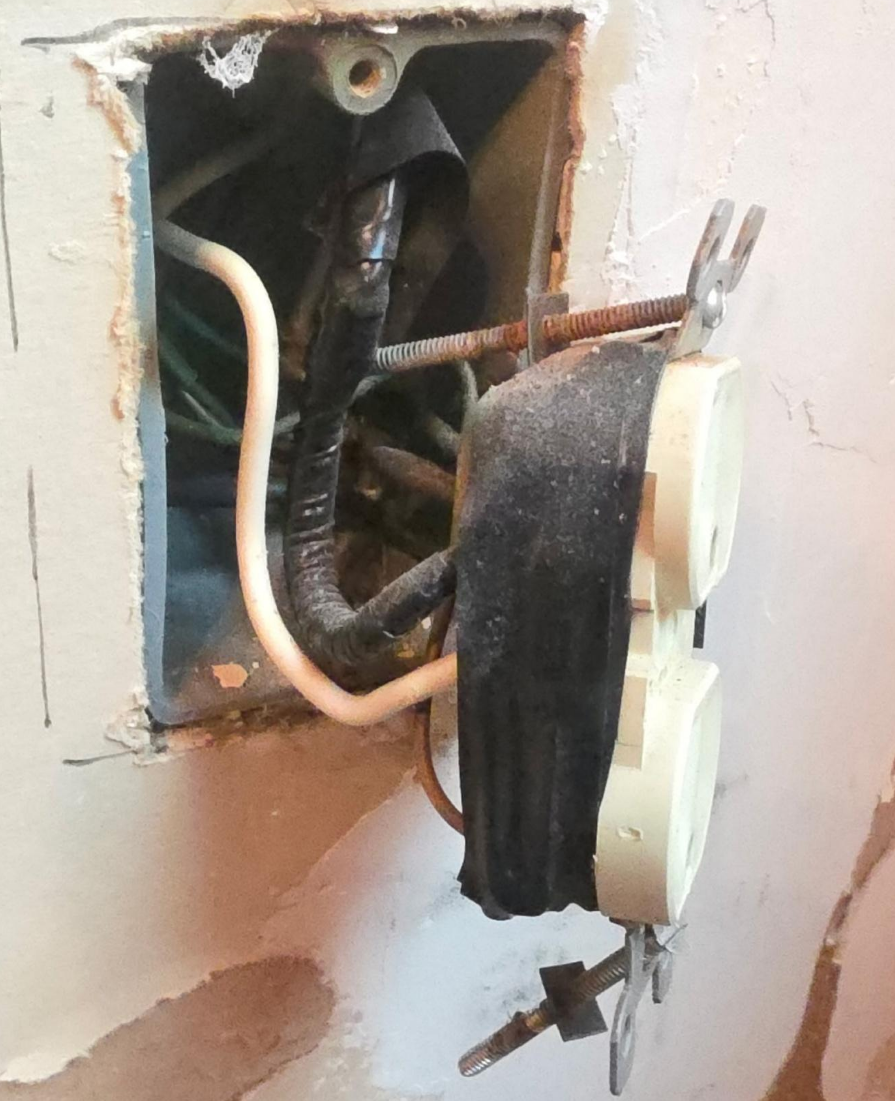
Photo from iStock - Credit: Dylan Hatfield
Recognizing Overloaded Circuits in Older Homes
Older circuits often show signs of overload through repeated breaker trips during routine home use, especially when several devices run together. You might notice lights dim briefly when an appliance starts, or outlets that reset repeatedly under load. A buzzing sound at an outlet or warm faceplates can indicate loose connections and high resistance rather than a simple overload. A qualified electrician will perform a load calculation and measure current draw to confirm which circuits run near or over rated capacity.
Another clue is shared circuits serving many high-draw devices, like multiple kitchen counter outlets or a window AC and space heater on the same breaker. Frequent use of power strips and extension cords is a homeowner workaround that hides the real capacity problem and raises fire risk. During diagnosis a technician checks the service panel for multiple breakers tied to one load and inspects junction boxes for undocumented splices. They may record voltage readings and thermal images while appliances run to reveal hotspots and overloaded conductors.
Older panels sometimes lack modern protection such as AFCI or GFCI, which lets faults and ground-fault currents go unnoticed until damage occurs. Installing those devices during wiring upgrades reduces undetected arcing and protects against shocks in kitchens and bathrooms. An electrician will test receptacles with a voltage reading and verify that existing breakers trip at appropriate thresholds under controlled load tests. They will produce a written report and recommend whether adding dedicated circuits or upgrading conductors best resolves recurring overloads.
In a common situation, a homeowner notices the microwave and disposal trip the same breaker during dinner prep, and calls for help. The technician would inspect the panel, trace the branch circuits, and perform a load test while those appliances run to confirm shared loading. For homeowners in Woodland Park, SC or Winona, SC this diagnosis helps prioritize which circuits need dedicated feeds to restore reliable service.
Wiring Upgrades for Dedicated Kitchen Circuits
Start by identifying which appliances need a dedicated circuit, focusing first on permanent, high-draw devices like ovens and dishwashers. A homeowner should note whether multiple countertop appliances or a disposal run together and cause trips. A professional electrician will perform a load calculation to size the branch circuit and breaker correctly. This planning reduces voltage drop and keeps appliances operating at designed performance levels.
- Separate the microwave from other countertop outlets.
- Give the dishwasher its own 20-amp circuit.
- Install a dedicated circuit for garbage disposal.
- Provide separate outlets for built-in ovens or ranges.
During wiring upgrades the electrician checks the kitchen subpanel or service panel for spare capacity and proper breaker space. They will inspect junction boxes, measure voltage under load, and test GFCI protection where required. If the panel lacks room, options include adding a subpanel or reorganizing existing circuits. The decision balances cost, available space, and long-term capacity needs.
Permitting and code compliance matter when adding dedicated kitchen circuits, and a professional will advise on local requirements. The electrician installs correct conductor sizes, breaker types, and GFCI or AFCI devices as required by current practices. Homeowners in Woodland Park, SC should keep documentation of permits and inspections for future sales or remodels.
In a common situation, a homeowner notices a single breaker trips when the range and a coffeemaker run together during mornings. The electrician would trace the circuit, record current draw with both appliances operating, and recommend separate feeds if needed. After upgrades, testing includes running appliances to confirm stable voltage and no nuisance trips. This practical verification gives homeowners confidence their kitchen circuits handle daily loads.
Adding Dedicated HVAC Circuits for Reliable Power
Adding a dedicated HVAC circuit starts by confirming the unit's electrical requirements listed on the appliance nameplate. A technician reads the nameplate amp draw and voltage, then uses that data to size conductor and breaker appropriately. They also consider startup current, because compressors draw more amperage briefly when the system starts. Proper sizing prevents nuisance trips and reduces stress on the service panel over time.
A professional will inspect the route between the exterior condensing unit and the air handler for accessible junction boxes and corrosion at connections. They perform voltage measurements at the disconnect while the system operates to check for voltage drop under load conditions. Thermal imaging may reveal hot lugs at the outdoor disconnect or the panel, which indicates poor terminations needing correction. Fixing those issues improves reliability and reduces risk of intermittent failures.
When panel capacity is limited, the electrician evaluates options like installing a subpanel or relocating less-critical loads to free space for the HVAC breaker. They perform a load calculation including all major appliances to verify the main service can handle the additional circuit. If the main is undersized, upgrading service or redistributing loads may be recommended to meet demand safely. That planning step ensures the new HVAC feed will not overload the household system.
Dedicated HVAC circuits often require specific protective devices such as properly sized breakers and a separate disconnect at the outdoor unit as required by equipment installation instructions. The electrician checks grounding conductor continuity and proper bonding at the condenser and air handler to reduce shock and lightning risks. They record voltage and current readings in a written report and test system operation after wiring upgrades to confirm stable performance.
Modern Code Updates and What Inspectors Check
Inspectors focus on several modern code updates that affect wiring upgrades during an electrical inspection. They check for proper AFCI and GFCI protections where current standards require them. The inspector verifies that branch-circuit breakers and receptacles have correct labeling and match conductor sizes. They also look for neat, accessible junction boxes and secure cable support to reduce hidden failures.
Another key item is grounding and bonding continuity throughout the system to meet modern safety expectations. The inspector confirms that the grounding conductor is intact and that metal boxes and equipment are properly bonded. They may use a continuity test and a voltage reading between neutral and ground to confirm correct wiring. These measurements help reveal open grounds or floating neutrals that increase shock risk.
Panel condition review includes checking for correct breaker types and absence of undocumented modifications that create hazards. Inspectors ensure bus and breaker ratings match the installed conductors and check for double-lugged neutrals or overloaded breaker spaces. They might perform a load check or record voltage drop under simulated demand to confirm the panel can support added circuits. A written report typically lists deficiencies and recommended corrective actions for homeowners.
When newer appliances or circuits are added, inspectors verify dedicated feeds are installed to current practice and equipment nameplate requirements. They check that HVAC and kitchen circuits have proper overcurrent protection and disconnecting means where required.
When Homeowners Should Call a Professional Electrician
If you notice persistent burning smells, charred outlet plates, or repeated breaker trips despite reducing loads, contact a licensed electrician promptly. These signs can indicate hazardous connections or hidden damage that worsen over time. A professional will prioritize safety and may recommend shutting off affected circuits until inspection. Do not attempt to open the service panel or reattach loose wires yourself.
- Visible scorching around outlets or switches needs immediate evaluation.
- Frequent trips when using major appliances warrant a load study.
- Outlets without ground continuity require testing and repair.
- Older cloth-insulated or damaged cables should be inspected professionally.
When adding kitchen or HVAC circuits, hire an electrician before installing new appliances or equipment to ensure proper breaker sizing and conductor routing. The technician will perform a load calculation and check panel space to determine whether a subpanel or service changes are necessary. They will verify conductor sizes, breaker types, and required GFCI or AFCI protection. This step prevents nuisance trips and reduces long-term wear on the system.
A professional diagnosis includes visual inspection, voltage and continuity testing, and thermal imaging when needed to find hot spots. They may record current draw and voltage under load and produce a written report with prioritized repairs. For homeowners in Woodland Park, SC and Winona, SC documenting findings helps with permits and resale disclosures. Always schedule licensed electrician work rather than delaying when safety concerns exist.