
Key Takeaways About Standby Generator Installation
Standby generator installation covers sizing, placement, fuel and electrical coordination, and transfer switch selection. This guide helps homeowners and property managers plan safe reliable backup when outages matter.
- Identify essential circuits and record starting and running watts.
- Prevent voltage drop by choosing proper placement and conductor size.
- Avoid permit delays by coordinating gas and utility early.
- Spot motor starting currents with simple clamp meter checks.
- Reduce noise and exhaust risks by selecting an appropriate site.
- Plan transfer switch type based on load grouping and panel layout.
Introduction
Standby generator installation starts with choices that affect safety, cost, and reliability during power outages. Homeowners often misjudge how much power they need and where the unit should sit. A generator too small leaves circuits unprotected and essential systems offline. Conversely, an oversized unit adds needless expense and complexity.
Placement matters for noise, exhaust clearance, and fuel access, so a poor location can create problems later. Proximity to the house, utility meters, and gas lines affects installation work and permit reviews. Weather exposure and yard grading also influence long-term performance and maintenance access. Neighbors and local setback rules can limit viable options.
Coordinating gas and electrical service prevents delays and code conflicts during installation. Fuel line routing, gas pressure checks, and proper grounding all require professional inspection and measurements. An electrician will perform a load calculation and inspect the service panel and grounding conductor. These steps reveal whether upgrades to the meter or panel are needed.
Choosing the right automatic transfer switch ensures the generator powers only what you intend during an outage. Transfer switches differ by load capacity, operation mode, and wiring method, so matching one to your load calculation is crucial. Technicians diagnose transfer needs by testing circuits, breakers, and continuity. Homeowners in Florence, SC and properties in Woodland Park, SC should plan inspections early to avoid project delays.
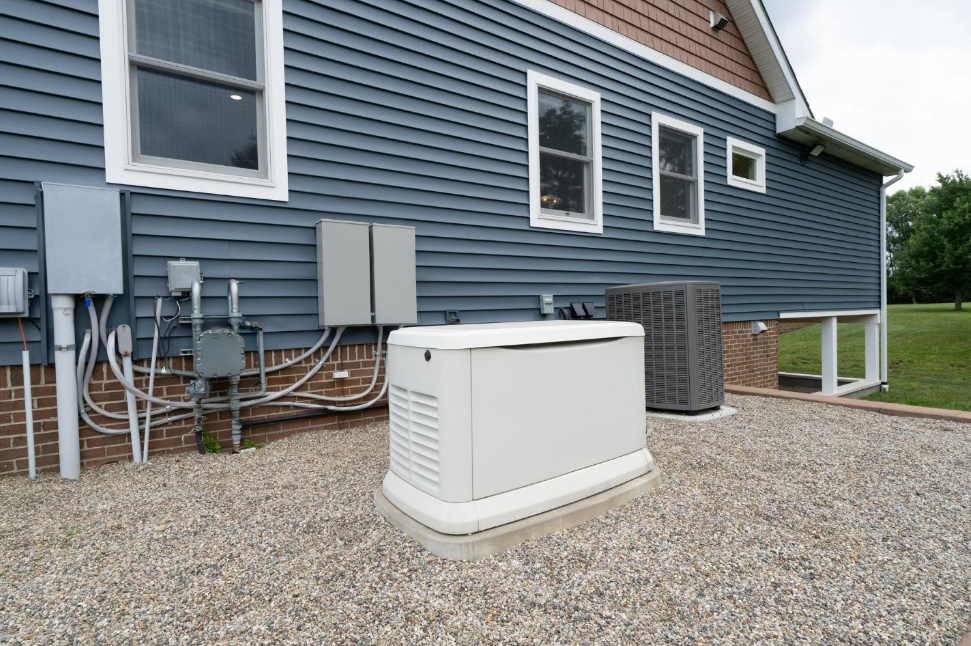
Photo from iStock - Credit: J.A. Dunbar
How Standby Generator Sizing Works and Decisions
How standby generator sizing works and the decisions involved means matching generator capacity to real household needs. Right-sizing starts by listing essential equipment and circuits you must keep running during outages. A typical homeowner question is whether the water heater or central AC must stay on, and the short answer is prioritize life-safety and heating first. Technicians confirm needs by reviewing appliance nameplate ratings, circuit breaker sizes, and service panel labeling. This step prevents buying a generator that cannot handle startup loads from motors and compressors.
- Identify critical loads first.
- Note both running and starting watts.
- Check appliance nameplates and breaker ratings.
- Decide between whole-house or selective backup.
- Reserve room for future load growth.
Professionals perform a load calculation that sums running watts and adds motor starting watts when necessary. They use a table or calculator to convert amps to watts for each circuit and confirm service panel breaker sizes. Simple diagnostic checks include measuring voltage at the panel and testing motor startup currents when accessible. For example, a homeowner hearing a loud motor hum at startup should expect higher starting loads during sizing.
Decisions about standby generator placement affect conductor lengths and voltage drop calculations for sizing. Longer runs increase required copper or aluminum conductor size and can influence the chosen generator kW to prevent voltage sag. Placing the unit closer to the main service often reduces cost and simplifies conduit and grounding conductor runs.
Choosing a generator kW rating also considers future electrical changes and HVAC upgrades to avoid premature undersizing. Installers document the inspection outputs, like voltage readings and panel photos, to justify the recommended size. A professional will confirm natural gas pressure for continuous operation and verify meter capacity before final sizing.
Calculating Home Load And Priority Circuits
Start by mapping every circuit you want on backup, marking the breaker size and the device served for each. A technician will convert breaker amps to watts and record nameplate running watts for fixed appliances. They also note which loads are motor-driven so they can add appropriate starting-watt margins during the total. Homeowners can help by labeling unlabeled breakers before the visit to speed this step.
Next, separate essential loads into priority groups so the automatic transfer switch can manage staged delivery. Grouping items like refrigeration and well pumps separately from convenience circuits helps choose between automatic load-shedding strategies. An installer will inspect the panel, test voltage, and use a clamp meter for spot inrush readings when accessible to confirm starting-current estimates. Diagnostic photos and recorded voltage readings form part of the installation report for future reference.
Voltage drop and conductor sizing matter when critical loads sit far from the generator location and may force conductor upgrades. Professionals calculate expected voltage drop for the longest circuit runs and recommend larger copper or aluminum conductors when needed. They check the main service neutral and grounding conductor condition during inspection to ensure safe fault clearing paths. For properties that plan future HVAC upgrades, allow margin in the load plan to avoid an early replacement.
Decide which circuits will be on a single automatic transfer switch or divided across multiple ATS units based on load groupings and space in the meter area. A transfer switch choice also hinges on whether you want selected loads transferred or a full-system transfer during outages. In a common situation, a homeowner notices lights dim for a second when the air handler starts, and a pro will test motor starting currents and adjust the priority list accordingly. Homeowners in Florence, SC and those in Woodland Park, SC should expect the installer to provide a written load worksheet and recommended circuit map before final equipment selection.
Choosing Placement and Site Preparation Considerations
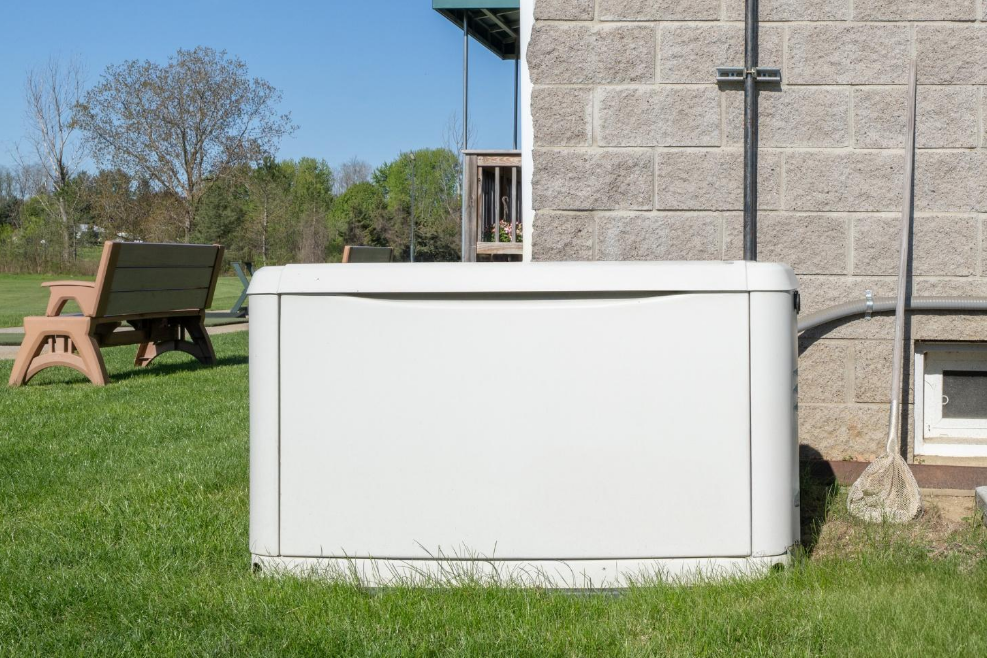
Pick a flat, level spot with at least two feet of clearance on the exhaust side to reduce backflow and heat risk. Ensure the surface supports the generator weight and resists settling, concrete pads or compacted gravel with a compacted base work well. Check that nearby vegetation and fences will not block air intake or maintenance access over time.
Position the unit to minimize long fuel and electrical runs while allowing access for annual service and emergency repair. Avoid low spots where water collects and where runoff could erode the pad or block access panels. Confirm site grading directs water away from the generator and the house to protect electrical connections and the transfer switch. A technician will inspect soil bearing visually and note standing water risks during the site visit.
Keep the generator away from bedroom windows and neighbors to reduce noise nuisance and vibration complaints during test runs and outages. Consider a sound-attenuating enclosure or a barrier wall if close placement is unavoidable, and verify the enclosure does not impede airflow. Check local setback rules early to prevent relocation after permits issue, since some jurisdictions restrict placement near property lines. In a common situation, a homeowner hears the unit on weekly tests and asks the installer to suggest orientation changes for quieter operation.
Plan conduit and conduit routes before the install to avoid trenching through landscaped areas and to reduce costs from unexpected obstacles. Route the electrical conduit from the unit to the transfer switch location with minimal bends and short runs to lower conduit fill and pulling difficulty. For fuel, position the gas inlet within easy reach of the meter and allow room for accessible shutoff valves and pressure regulators.
Coordinating Gas Supply and Fuel Line Requirements
Natural gas lines must supply steady pressure for a standby generator to run without hiccups, so confirm available inlet pressure before final equipment selection. A technician measures static and under-load gas pressure at the meter and near the proposed generator inlet to ensure adequate flow. If pressure or flow falls short, options include upsizing the service line, adding a regulator, or using a different fuel source. Always have a licensed plumber or gas contractor perform pressure tests and install regulators to meet safety standards.
- Confirm static and running gas pressure.
- Locate the nearest service stub or meter.
- Plan a straight, protected fuel line route.
- Install accessible shutoff valves and unions.
- Use approved materials and fittings.
Fuel line routing should minimize sharp bends and long runs to reduce pressure loss and leak risk across connectors and fittings. Route lines in protected trench areas or inside a conduit where possible, and mark pathways for future digs to prevent accidental strikes. A pro will inspect joint types, look for corrosion, and test each fitting with a pressure gauge and soap or an electronic leak detector. Documented test results and photos help with permitting and future maintenance records.
Pipe sizing uses calculations based on BTU demand, length, and allowable pressure drop to ensure the generator receives sufficient gas during startup and steady operation. Installers often choose larger diameter pipe than the minimum to allow for motor starting surges and future load increases. They also add an accessible sediment trap and a pressure regulator sized to the generator's manufacturer specifications. Request written pressure readings and a parts list so you understand what was changed or installed.
Coordinate shutoffs, unions, and clearances so maintenance crews can isolate the generator without affecting home service lines or appliances. Place the main shutoff near the generator with clear labeling and ensure the regulator and pressure gauge remain accessible for technicians. For residents in Florence, SC, and property managers in Woodland Park, SC, early coordination with the gas utility and the installer reduces scheduling conflicts and inspection delays. If you smell gas or detect a leak at any time, evacuate and call emergency services and a licensed gas contractor immediately.
Electrical Panel Integration and Metering Decisions
Integrating the generator with your electrical panel requires decisions about metering, service capacity, and where the transfer switch ties into the main bus. A technician inspects the panel's main breaker, grounding conductor, and meter ring to confirm available spaces and clearances. They may recommend a meter socket upgrade if the existing meter base lacks space for a service-side switch or parallel metering. Expect recorded photos and voltage readings as part of the diagnosis to justify any panel work.
Metering choices affect billing and utility coordination when the installation changes service configurations or adds a service disconnect. Professionals contact the utility to confirm if the meter must be relocated or if a second meter is needed for specific metering schemes. The installer will check the service rating and bus bar condition using a visual inspection and a load test when appropriate. For homeowners in Florence, SC, early utility engagement can prevent delays during inspection scheduling.
Deciding whether to use a load-center mounted transfer switch or a service-entrance style switch depends on panel space and desired circuit control. A pro examines the panel interior, noting breaker layout, spare capacity, and whether critical circuits group conveniently for a load-center transfer. They use a clamp meter to spot-check branch currents and may produce a written circuit map showing which breakers move to the ATS. In some cases, moving high-demand circuits to a new subfeed or subpanel simplifies wiring and reduces conduit complexity.
Grounding and bonding work must meet electrical safety practices and protect against neutral-to-ground faults after transfer operations. An electrician verifies the main bonding jumper, ground electrode conductor, and grounding electrode system during the site inspection and records continuity and resistance readings when required. If they propose panel upgrades, expect schematic diagrams and a parts list to show proposed changes. Properties in Woodland Park, SC often benefit from written documentation to show inspectors during final approval.
Automatic Transfer Switch Types and Selection Criteria
Automatic transfer switches come in different wiring methods that affect how a technician connects backup circuits to the generator. A service-side bypass style sits before the meter and requires utility coordination, while a load-center style installs inside or beside your panel and moves selected branch circuits. Electricians inspect bus spacing and breaker arrangement to determine if a load-center install fits without reconfiguration. During the visit they record panel photos and breaker labels to plan the wiring paths precisely.
Switch ratings must match the generator kW and the maximum continuous amperage the transfer device will carry under load. Technicians confirm ratings by comparing the generator nameplate, calculated load in amps, and the intended service voltage before choosing the ATS. They also check available physical space for the switch and routing for conduit between the generator and the panel to limit conductor length. A professional will provide written specs for the chosen switch to include in the permit packet.
Automatic transfer switches offer different control schemes, such as open-transition, delayed transition, and soft-load controls that reduce inrush stress on motors. A pro diagnoses motor-heavy circuits and recommends a soft-load or staged-transfer option when large compressors or well pumps dominate the priority list. They perform simple diagnostic checks like measuring inrush currents with a clamp meter and observing voltage dip during simulated startup to confirm the need. For properties in Woodland Park, SC this diagnostic step can prevent nuisance trips during real outages.
Grounding and neutral handling inside the transfer device determine safe fault clearing and compliance with wiring practices, so electricians inspect bond locations during switch selection. The installer documents continuity measurements for grounding conductor and verifies the neutral is handled according to the chosen transfer method before final wiring. Homeowners in Florence, SC should ask for a written transfer-switch schematic and test plan so inspectors can review the setup. If you notice odd noises or lights flickering after a move to generator power, call a professional to diagnose the switch operation and corrective steps.
When Homeowners Should Call a Professional Service
Call a professional when project complexity exceeds homeowner skills, such as coordinating meter work with the utility or rerouting service feeders. Licensed electricians confirm panel bus ratings, perform continuity tests, and record voltage readings during diagnostic checks. A trained gas contractor measures under-load pressure and installs regulators where necessary to meet manufacturer requirements. If you notice persistent smells, unusual sounds, or repeated trips when switching to generator power, contact a pro immediately.
- Schedule a licensed electrician for panel and ATS work.
- Hire a gas contractor for pressure testing and piping changes.
- Ask for written test results and component specifications.
- Request recorded voltage and continuity readings with the report.
If you have unfamiliar wiring, corroded conductors, or an overcrowded panel, a technician evaluates safety and compliance. The pro uses a clamp meter to spot inrush currents and identifies circuits that need staged transfer. They also inspect grounding electrodes and measure resistance when needed for safe fault clearing. Keep in mind that work near the meter often requires utility coordination and scheduled inspections.
When property constraints affect placement or conduit routing, a contractor provides siting alternatives and trenching plans that protect landscaping. Professionals document conduit runs, take photos of existing conditions, and mark utility paths to prevent accidental strikes during digging. They also size conductors for voltage drop over long runs and recommend larger cable if necessary. Homeowners in Florence, SC and those managing properties in Woodland Park, SC should plan for appointment windows needed for multi-trade coordination.
Maintenance Planning and Long-Term Reliability Choices
Plan regular service intervals based on manufacturer guidance and actual runtime hours recorded during tests to extend equipment life. A technician will inspect spark plugs, air filter condition, and battery voltage during each visit and record readings for trend analysis. Track oil condition and coolant levels and schedule oil changes after specified hours to prevent engine wear and preserve warranty coverage.
Develop a seasonal checklist that covers exhaust clearance, pad condition, and electrical connections to catch corrosion or vibration damage early. During a service visit, a pro performs a controlled exercise run and measures voltage and frequency under load to confirm stable output. They also verify transfer switch timing and observe any relay chatter or delayed transitions that could indicate contacts wearing. If equipment shows abnormal vibration, the technician checks mounts and fasteners and records findings in a written report.
Decide on a maintenance contract level that matches your tolerance for downtime and your budget while including clear response windows for emergency calls. Contracts often bundle annual load-bank testing, battery replacement schedules, and fuel system inspections to reduce surprise failures during outages. A professional diagnoses alternator health with voltage readings and inspects the transfer switch contacts visually and with a continuity check to determine wear.
Include spare parts and critical consumables in long-term planning to minimize outage repair times, such as filters, belts, and a replacement battery on hand. Keep photographs and written test outputs from each service to help technicians diagnose recurring issues and avoid duplicate inspections. A pro can perform vibration analysis and infrared scans during service to spot hot connections or developing electrical faults. If you detect unusual exhaust smells or persistent starting failures, contact a licensed technician in Florence, SC immediately for a diagnostic visit and written recommendations.