
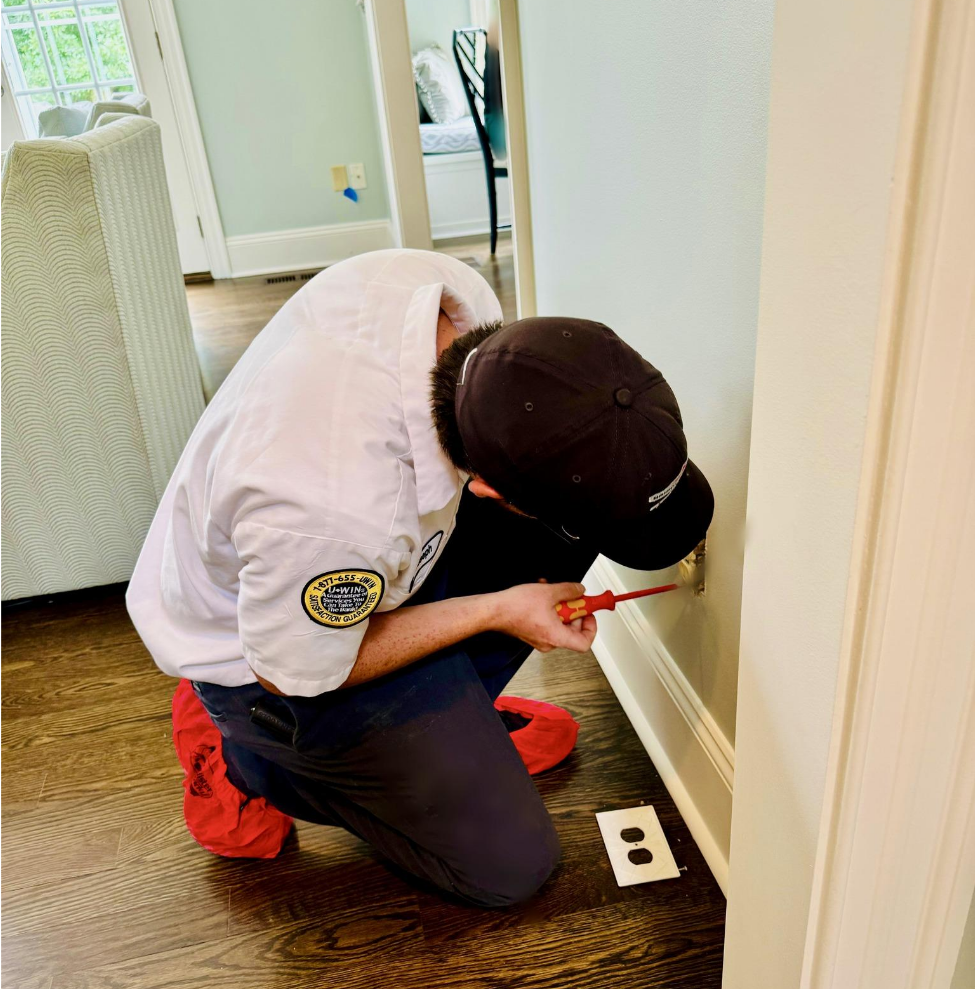
Key Takeaways About Electrical Safety Inspection
An electrical safety inspection checks a home's wiring devices and alarms for hazards. This summary is for homeowners and property managers to flag problems before they cause shocks or fires.
- Identify faulty GFCI and AFCI protection with basic tests.
- Prevent shock risks by confirming grounding and bonding continuity.
- Avoid hazards by checking panel labeling and breaker organization.
- Spot alarm wiring or power issues affecting smoke and CO detectors.
- Reduce fire risk by finding loose connections and damaged insulation.
- Plan professional repairs when tests or readings show unsafe conditions.
Introduction
Electrical safety inspection often starts with small signs that homeowners notice around the house. Flickering lights, breakers that trip for no clear reason, or outlets that feel warm are common warnings. Those symptoms can point to issues with GFCI and AFCI protection, grounding and bonding, or panel labeling. Ignoring them increases shock and fire risk over time.
Proper GFCI and AFCI protection matters because these devices stop dangerous faults before they escalate. Grounding and bonding keep metal parts at the same electrical potential to reduce shock hazards. A messy or unlabeled service panel makes diagnosing problems slower and riskier for anyone working on the system. In older homes, missing or misapplied protections are a frequent cause of unsafe conditions.
Smoke and carbon monoxide alarms are life safety components that tie directly to electrical safety. Alarms that do not test or that chirp intermittently may reveal wiring or power problems within the home. For properties in Florence, SC the combination of older wiring and modern devices can create mismatches that show up as nuisance trips or failures. Addressing alarm issues promptly reduces the chance of undetected danger.
Code compliance exists to make sure electrical systems perform safely under real use. Local inspectors look for correct device placement, proper labeling, and the presence of required protections. Homeowners in Winona, SC should treat inspection findings as actionable safety items rather than paperwork. When the inspection points to concern, contacting a licensed electrician is the safest next step.
What Electrical Safety Inspection Covers and Why
An electrical safety inspection is a systematic check of a home's wiring, devices, and safety equipment to find hazards. Inspectors check wiring condition, device function, protective devices, and alarm operation. Homeowners often ask whether an inspection will find hidden wiring problems, and yes, many issues show up through tests and observations. A clear outcome is a written report with prioritized safety items and recommended next steps.
- Visual inspection of wiring and devices
- Testing of GFCI and AFCI devices
- Verification of grounding and bonding
- Service panel condition and labeling
- Smoke and carbon monoxide alarm checks
Inspectors begin with visible signs like scorch marks, loose covers, or degraded insulation to identify immediate hazards. They then operate breakers and test outlets to catch faults that do not show visually. A homeowner might ask if an outlet that trips when a hairdryer runs is dangerous, testing pinpoints whether it is overloaded or protected by a faulty device. For residential homeowners, older installations may need more thorough circuit checks to confirm protections are present.Testing includes using a voltage reading, continuity check, and GFCI trip test to confirm device performance and safety. Professionals also look for proper grounding conductor connections and tight bonding on service equipment. In a common situation, a breaker that trips repeatedly will lead the inspector to check the circuit load, wiring continuity, and AFCI operation next.
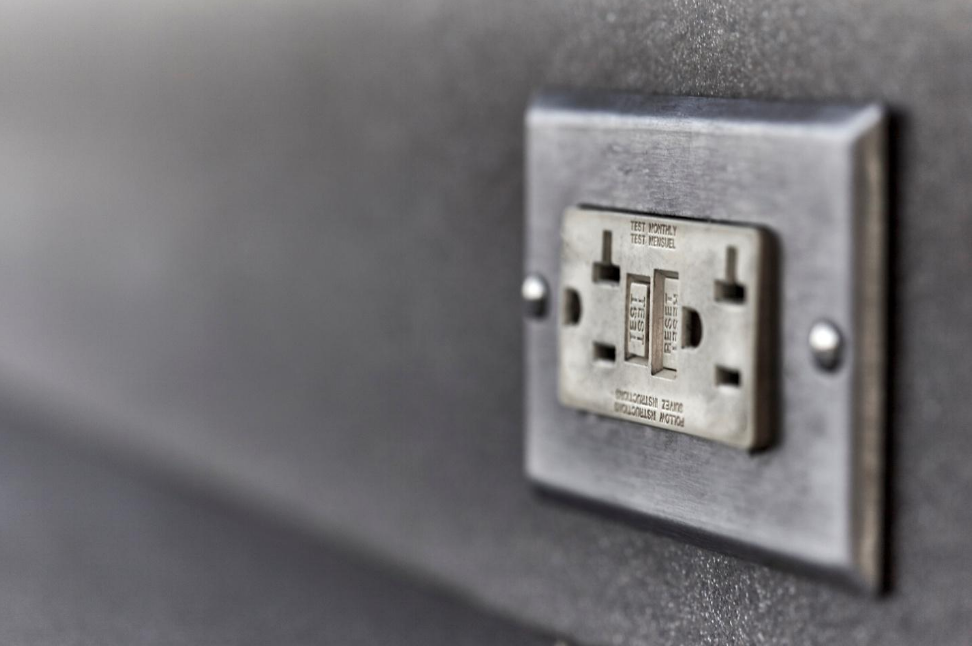
Photo from iStock - Credit: wingedwolf
GFCI Protection: How It Works and When to Replace
GFCI devices monitor current balance between hot and neutral conductors and trip when leakage suggests a shock path. During an electrical safety inspection, a pro uses a portable GFCI tester and manual trip button to confirm the device opens the circuit reliably. Inspectors check receptacle condition, proper wiring of the line and load terminals, and tight mounting to avoid stress on connections. If a GFCI fails to trip, it indicates internal wear or wiring faults that require replacement or repair.
Inspectors also verify location-specific requirements by testing GFCIs installed in kitchens, bathrooms, garages, exterior outlets, and unfinished basements. They confirm that GFCIs control downstream outlets when intended, by pressing the test and reset buttons while observing protected points. For older homes, lack of GFCI protection at required locations is reported as a safety upgrade recommendation rather than a simple repair. Homeowners in Florence, SC often find retrofit GFCI receptacles are a practical way to meet modern safety expectations.
A professional diagnoses intermittent GFCI nuisance trips by reproducing the fault with common loads and by inspecting connected fixtures and appliances for leakage. The inspector may use an insulation resistance test or isolate loads to determine whether the problem is wiring, device age, or equipment leakage. They will document voltage readings and test outcomes in a written report to guide repairs or replacements. For example, if a bathroom outlet trips only when a shaver is plugged in, a pro will test the appliance and the circuit separately.
Replacement is recommended when test results show slow trip times, failed manual operation, or visible damage like cracked housings or burned terminals. Modern replacements require correct line/load orientation and often need a neutral pigtail when replacing two-wire devices with combination units. When a homeowner sees frequent trips, a warm receptacle, or a device that will not reset, contacting a licensed electrician is the safest next step. Properties should treat recurring failures as a prompt to schedule professional repair rather than ignore the warning signs.
AFCI Devices: Benefits, Risks, and When to Act
AFCI devices detect arcing faults that can start fires by sensing irregular current signatures on a circuit. During an electrical safety inspection, a professional checks AFCI breakers and combination receptacles for correct operation using a test button and load simulation. They also inspect wiring for damaged insulation, loose connections, or splice boxes that could allow arcing to occur. If an AFCI fails to operate or trips unpredictably, it warrants further diagnosis rather than ignoring the behavior.
Common symptoms that point to AFCI problems include breakers that trip without an obvious overload and persistent nuisance trips when specific appliances run. A pro will isolate the circuit, remove connected loads, and test wiring continuity and insulation resistance to identify whether the fault is in the wiring or an appliance. They may also inspect junction boxes for unsecured wirenuts, conductors pinched by staples, or signs of overheating at terminals. Documented test readings and photos help prioritize repairs in the inspection report.
There are limitations and risks with AFCI installations, such as compatibility issues with older dimmers or motors that create harmless arcs the device senses. In those cases, an electrician evaluates whether a different AFCI type or circuit reconfiguration reduces nuisance trips while preserving protection. For properties in Florence, SC, retrofit situations may require careful coordination to avoid creating new problems when updating circuits.
Deciding when to act depends on observed symptoms and test results from the inspection. Immediate corrective action is recommended for confirmed arcing sources, damaged conductors, or AFCIs that will not reset reliably under test. For intermittent trips without clear wiring damage, a staged approach of isolating loads and replacing suspect appliances often clarifies the cause. When in doubt, a licensed electrician can perform targeted diagnostics and provide a written recommendation as part of the electrical safety inspection process.
Grounding and Bonding Mechanics and Inspection Steps
A proper electrical safety inspection includes a focused check of grounding conductor continuity and bonding at service equipment. The inspector measures voltage differences between neutral and grounding points and performs continuity tests on grounding conductors. Visible connections at the panel, water pipes, and grounding electrode are checked for corrosion, loose lugs, or missing straps. If measurements show unexpected voltage, a professional diagnoses the source before recommending repairs.
- Verify grounding conductor continuity.
- Check bonding jumpers on panels and meters.
- Inspect grounding electrode connections for corrosion.
- Test outlet and appliance grounding by measuring voltage.
Inspectors also confirm that metal boxes and equipment are properly bonded so all exposed metal stays at the same potential. They open accessible junction boxes to verify metallic conduit connections and tight screw bonds on device yokes. A common diagnostic step is a continuity check between the device ground and the service neutral to confirm bonding integrity. If a bond is missing, technicians trace nearby conductors and install approved jumpers to restore protection.
Ground rods and electrode systems receive attention for physical condition and attachment quality during the inspection process. The pro looks for loose clamps, detached conductors, and excessive corrosion at electrode clamps that reduce effectiveness. When corrosion or separation is found, the next steps include cleaning connections or adding additional electrodes per accepted practices. Homeowners in Winona, SC should expect documented readings and photos in their written inspection report.
To confirm a grounding problem, the inspector combines visual checks with measurements such as resistance or continuity readings. They may measure voltage between grounding and neutral or between grounding and a known earth reference to locate faults. Documentation of readings, photographs, and labeled locations becomes part of the repair plan shared with the homeowner. For properties in Florence, SC this process helps prioritize bonding and grounding fixes that reduce shock and equipment damage risks.
Service Panel Labeling Organization: What to Check
Start by confirming each circuit's breaker is labeled with a clear, specific identifier that matches the devices served. A pro verifies labels by switching breakers and observing which outlets, lights, or appliances lose power. They note any circuits that control multiple rooms or mixed loads, since those require accurate labeling for safe maintenance. If labels are missing or vague, the inspector creates a temporary map and documents confirmed circuit functions for later updating.
Inspectors also check that spare breaker positions are marked and that tandem or multi-wire branch circuits have appropriate handle ties. A diagnostic step includes operating the suspected breakers while measuring voltage on associated conductors to confirm which terminals feed which devices. Photographs of breaker positions and correlated outlet locations become part of the inspection record for homeowner clarity. When two breakers feed opposite ends of a multi-wire branch circuit, professionals verify shared neutrals and correct handle tie installation.
Panel organization extends to conductor routing and the use of proper neutrals and grounds inside the enclosure to prevent confusion. The pro will look for neutrals landing on the correct neutral bus and for separate grounding conductors attached to the grounding bus only. During diagnosis, continuity and voltage checks verify that neutrals are not accidentally switched or shared across unrelated circuits. Clear grouping of related circuits simplifies future troubleshooting and reduces the risk of accidental energizing during repairs.
Label legibility and permanence matter because faded handwritten tags cause delays and hazards during work on the system. Inspectors recommend replacing temporary tape labels with printed, durable labels and attaching a circuit directory that matches the panel layout. They also document any mismatches between the directory and actual circuits, noting corrections needed in the written report. Homeowners in Winona, SC receive these findings so they can prioritize re-labeling before any panel work occurs.
When a panel feeds smoke or CO alarm circuits, the inspector confirms those circuits are clearly marked and any load-side interconnections are identified for first responders. A professional diagnosing unclear alarm wiring will trace conductors, test continuity, and record which breaker controls the alarm circuit. Accurate labeling of life-safety circuits speeds repairs and prevents accidental disconnection during maintenance.
Smoke and CO Alarm Placement Maintenance Tips
Start by confirming alarms are in locations required for life safety and that wiring to those devices is intact and accessible. A professional checks interconnect wiring and verifies that each alarm receives the proper 120V or listed battery backup power. They test alarm operation using the device test and by measuring voltage at the alarm's terminals when practical. If wiring shows loose connections or splice issues, the inspector documents the exact conductor and box location for repair.
Inspectors also verify mounting height and placement relative to doors, ceilings, and rooms that require alarms by current guidance. They look for physical damage, paint-covered sensors, or dust buildup that can impair operation and cause nuisance chirps. For audible reach, the pro listens in adjacent rooms while testing to confirm alarm volume and interconnect signaling. If devices fail to sound clearly, the written report will note replacement or re-location recommendations.
Maintenance checks include battery condition, age of hardwired units, and expiration dates printed on alarm housings to plan replacements. Technicians may record voltage readings at the alarm and note any drop during test that would indicate a weak backup supply. In a diagnostic step, they isolate the alarm circuit to determine whether nuisance resets come from wiring faults, smoke contamination, or device age. Homeowners in Winona, SC should treat recurring chirps or loss of interconnect as signs to schedule professional diagnosis.
For carbon monoxide alarms, the inspector confirms placement near sleeping areas and away from direct combustion appliances that can cause false readings. They test CO sensor response using manufacturer-recommended methods or by checking output indicators and sensor age, since sensors degrade over time. If the alarm wiring shares a circuit with heavy loads, a voltage check helps determine whether drops could affect sensor reliability. Properties in Florence, SC with older circuits may require rewiring or dedicated runs to ensure consistent alarm power.
Common Wiring Defects: Why They Happen and Remediation
Loose or backstabbed connections commonly cause arcing and heat at outlets or switches and produce intermittent power loss. A professional inspects for loose screws, damaged device yokes, and discoloration around terminals. Diagnosis includes removing the device, performing a continuity check, and testing under load to reproduce the fault. Repairs typically involve replacing the device and re-terminating conductors with pigtails on the device yoke when needed.
- Loose terminal screws can overheat devices.
- Damaged insulation exposes conductors to arcing.
- Shared neutrals cause unexpected tripping.
- Undersized conductors overheat under continuous load.
- Improperly secured splices lead to high-resistance connections.
Insulation damage from staples, nails, or rodent chewing raises shock and fire risk and often shows as visible nicks or crushed conductors. An inspector looks for abrasion at cable entry points and measures insulation resistance when safe access allows. Repair steps range from replacing short cable sections to installing new runs inside conduit depending on accessibility. Homeowners who notice frayed sheathing or exposed copper should stop using affected circuits and schedule professional repair promptly.
Multi-wire branch circuit errors create shared neutral overload and unexpected breaker trips during typical appliance use in kitchens or laundry areas. Diagnosis requires identifying the tied hot conductors and confirming the neutral carries combined return currents with a clamp meter. Correct remediation includes installing a handle-tied two-pole breaker or running separate neutrals to eliminate shared neutral overloads. Documentation of meter readings and corrected breaker configuration appears in the inspection report for homeowner records.
Old cloth-insulated wiring and aluminum branch circuits often show oxidation, loose connections, and high-resistance joints that lead to warming at terminations. A pro diagnoses these by checking voltage drop under load and looking for heat-related discoloration at devices and lugs. Remediation may include replacing outlets, pigtailing aluminum to copper at devices, or full circuit replacement if conductors are unsafe. In Winona, SC and in parts of Florence, SC, homeowners sometimes find these legacy issues during upgrades and should plan for progressive remediation based on the inspector's recommendations.
When to Call a Professional for Electrical Safety Inspection
If you see burning smells, repeated breaker trips, or visible scorch marks, call a licensed electrician right away for an electrical safety inspection. Describe observable symptoms clearly so the pro can prioritize tests like voltage readings and continuity checks. A technician will use a clamp meter and insulation tests to confirm overheating or high-resistance connections. Do not attempt repairs yourself when heat or burning odors are present.
Schedule a professional visit in Florence, SC when alarm systems behave erratically after basic resets and battery swaps, since wiring faults can cause intermittent failures. The electrician will trace the alarm circuit, measure voltage at the device, and inspect interconnect wiring for loose splices or shared circuits. Expect documented test results and photos to support repair recommendations. Homeowners should treat recurring alarm issues as safety items, not minor annoyances.
If labeling is missing or circuits feed unexpected loads across rooms, call for a panel-focused inspection to prevent accidental energizing during repairs or renovations. A pro will identify circuits by operating breakers while monitoring outlets and lights, and they will record which breaker controls life-safety equipment. They may perform load checks and continuity tests to confirm multi-wire branch circuits are handled correctly.
Contact an electrician when GFCI or AFCI devices fail manual tests, reset improperly, or trip without clear cause, because diagnosing requires isolation and device-level testing. A professional will reproduce the fault, isolate loads, and use insulation resistance or voltage checks to determine whether the issue is device failure, wiring damage, or appliance leakage. In a complex case, they will provide a written action plan with prioritized repairs and safety notes.