
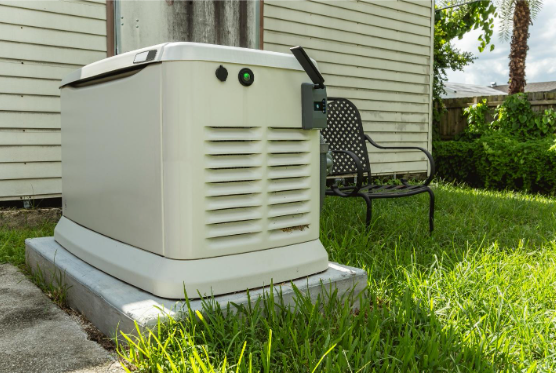
Key Takeaways About Standby Generator Maintenance
Standby generator maintenance means scheduled inspections and service to keep backup power reliable. This guide is for homeowners and property managers who need dependable operation during storms and outages.
- Identify visible leaks corrosion and loose connections early.
- Prevent fuel contamination with regular filter and tank checks.
- Avoid failed starts by testing and maintaining the battery.
- Spot transfer switch issues during routine exercise cycles.
- Reduce overheating risk with coolant and intake screen care.
- Plan professional load tests and inspections before storm seasons.
Introduction
Standby generator maintenance keeps a home's backup power ready when outages arrive. Neglect can leave owners without power during storms or heat waves. Regular care prevents fuel problems, worn batteries, and failed automatic transfer switches. Homeowners often notice odd smells or slow starts before a failure.
Planning a maintenance schedule reduces the chance of surprises during severe weather. Seasonal changes affect engine cooling and battery performance in predictable ways. Properties in Florence, SC may need attention before summer storms and hurricane season. Routine checks also protect sensitive electronics from poor power transfer.
Good maintenance balances frequency with the unit's age, run hours, and fuel type. Diesel, natural gas, and liquid propane engines each demand different attention to filters and fuel lines. A professional inspection will confirm worn belts, corroded connections, or low coolant levels. Visible rust, fuel odors, or unusual noises are clear warning signs.
Knowing when to call a trained technician reduces safety risks and costly repairs later. A pro uses tools like voltage meters and pressure gauges to verify output and engine health. For owners in Marion, SC, timely service can make the difference during extended outages. Planning routine care helps ensure the generator runs when it matters most.
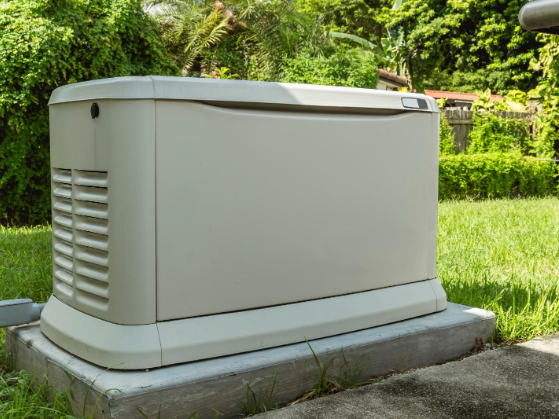
Photo from iStock - Credit: MDV Edwards
How Standby Generators Work and Why It Matters
How home standby generators creates automatic backup power is the process by which an engine, alternator, and transfer switch work together. The engine burns fuel to turn an alternator that generates electricity for the home. An automatic transfer switch senses the outage and shifts loads from the utility to the generator. This automatic action matters because delays or failed transfers can damage appliances or leave critical circuits without power.
- The engine converts fuel to mechanical energy.
- The alternator turns mechanical energy into electricity.
- The transfer switch redirects power from the grid to the generator.
- The control module manages start, run, and shutdown sequences.
Homeowners often ask whether the generator runs automatically during an outage, and the answer is yes for standby units designed that way. If the unit does not start, a homeowner may see warning lights, hear rapid cranking, or smell fuel. A technician will check the battery voltage, starter connections, and the control module for stored error codes. That diagnostic sequence confirms whether the fault is electrical, fuel-related, or mechanical.
Sound and timing give early clues to underlying problems before full failure. Loud knocking, irregular idling, or extended crank times indicate engine or fuel issues needing inspection. Visible signs like wet fuel lines or corrosion at the generator's junction box point to leaks or poor grounding that require repair. For properties in Florence, SC and Marion, SC these observable cues help prioritize professional service scheduling.
Recommended Service Intervals for Reliable Operation
Most manufacturers recommend a basic service at 6-month or 1,000-hour intervals, whichever comes first, to keep components within safe limits. A typical mid-life service covers oil and filter changes, fuel filter replacement, and a coolant system check to prevent overheating or contamination. Technicians also inspect belts and hoses for cracking and replace air filters when restrictive buildup reduces airflow. Scheduling these services on a calendar helps avoid long gaps that let corrosion or fuel degradation progress unnoticed.
Annual service should be more comprehensive and include alternator testing and load bank exercise to verify full electrical output under realistic conditions. During that visit a pro will check the automatic transfer switch contacts for pitting and confirm control module firmware and settings. They will run the unit under load while measuring voltage, frequency, and engine oil pressure to confirm stable operation. Written test results give homeowners a clear record for warranty and insurance needs.
For older units or those with over 2,000 run hours, plan for additional engine-level inspections every two years to catch wear before failure. Mechanics examine injector condition, valve clearances, and starter performance while checking battery capacity with a load tester. They will also inspect fuel lines and the fuel pump for leaks or wear that lead to hard starts. These steps reduce the chance of in-service failures during storms in Florence, SC when response windows tighten.
Between professional visits, expect service providers to recommend small items replaced on schedule like spark plugs, coolant, or battery cells based on age and test readings. A technician will diagnose issues using visual checks, voltage readings, and oil analysis to confirm wear or contamination. For properties in Marion, SC, aligning major services before hurricane season makes practical sense. If you notice smoke, strong fuel smells, or control module error codes, contact a professional promptly for diagnosis and repair.
Routine Inspections Homeowners Can Perform Monthly
Inspect the exterior cabinet monthly for debris, standing water, and clearances that could restrict ventilation during operation. Check visible fuel lines and fittings for wet spots or drips that indicate leaks needing professional repair. Smell the area for fuel or exhaust odors that suggest a fuel system or exhaust leak requiring immediate attention. If you spot rust around mounting bolts or the base, photograph it for records and consider professional evaluation.
Open the access panel and look at battery terminals for white or green corrosion deposits that reduce starting reliability. Gently check battery hold-downs and cable tightness, loose connections cause slow cranking or no-start conditions. Observe control panel lights and any error codes, write down codes and the exact behavior to share with a technician. In Florence, SC, higher humidity can accelerate terminal corrosion, so clean and protect connections if safe to do so.
Run the weekly or manual test cycle if your unit allows a homeowner-initiated test, and listen for abnormal noises like knocking or excessive vibration. Note whether the automatic transfer switch clicks and whether essential circuits receive power during the test sequence. Use a basic multimeter to confirm output voltage from accessible terminals if you are comfortable and know safety precautions. For properties in Marion, SC, record run duration and any timing irregularities for service records.
Check fuel level indicators and inspect air intake screens for insect nests or debris that reduce airflow and cause overheating. Look underneath for fluid puddles or wet ground that might indicate coolant or fuel seepage needing immediate professional attention. Ensure the area around the generator remains clear of stored items and vegetation to maintain proper airflow. Keep a simple log of these monthly observations to help a technician diagnose trends during professional visits.
Seasonal South Carolina Care for Coastal Climates
Coastal salt spray and high humidity change how you plan standby generator maintenance for the year. Inspect exposed electrical junctions and grounding conductors more frequently because corrosion can degrade connections. Pay special attention to the exhaust path and muffler for salt-related pitting that could create leaks. Schedule professional checks on the fuel system before prolonged wet seasons to identify potential problems. For additional guidance, read our guide on how to prepare for storm season with standby generators to help keep your backup power system ready for severe weather.
- Clean air intake screens regularly.
- Protect battery terminals from corrosion.
- Check exhaust components for pitting.
- Inspect junction boxes for moisture ingress.
Before summer storm season, verify coolant concentration and radiator condition to prevent overheating during extended runs. Replace engine coolant if testing shows contamination or improper freeze/boil protection for local temperatures. Have a technician load-test the battery if cranking speed drops or the unit struggles during manual tests. For homes in Florence, SC plan this service well before peak storm months.
In cooler months, keep an eye on condensation inside fuel tanks and filters which can encourage microbial growth or water separation. Drain water traps and replace filters when moisture appears during inspections to prevent clogged injectors or hard starts. A pro can perform a fuel quality test and microbial inspection if contamination is suspected. Owners in Marion, SC should note fuel smell changes or slow starts as signals to act.
Common Causes of Standby Generator Maintenance Issues
Fuel issues top many maintenance problems when tanks sit unused for long periods. Contaminants settle and form varnish that clogs fuel filters and injectors. A pro inspects fuel lines, fuel pump pressure, and filter condition to confirm contamination. If you smell stale fuel or notice rough idling, schedule professional testing promptly.
Battery failure causes common no-start situations and often shows as slow cranking or variable voltage readings. Technicians use a battery load tester and voltmeter to measure state of charge and cold cranking amps. Corroded terminals or loose hold-downs also reduce starting reliability and should be tightened or cleaned.
Electrical connection problems show as intermittent power or transfer switch faults during startup cycles. A pro will visually inspect junction boxes, check torque on lugs, and perform continuity and insulation resistance tests. Pitted transfer switch contacts or weak solenoids produce arcing and inconsistent load transfers that require replacement parts. Observing warning lights or transfer delays gives the technician clues for targeted diagnostics.
Cooling and ventilation faults lead to overheating during extended runs and can cause premature component wear. Restricted air intake screens, blocked louvers, or degraded coolant hoses reduce heat rejection and raise operating temperatures. A technician measures coolant temperature and radiator pressure while checking belt tension and hose condition to find the cause. If you hear high-pitched fan noise or detect hot exhaust smells, contact a professional quickly.
Control module errors and software mismatches create false alarms or prevent automatic starts when needed. Professionals read stored fault codes with diagnostic tools and cross-check configuration settings against the generator's nameplate ratings. Corroded sensor leads or damaged harnesses often cause intermittent faults that only appear under load.
Warning Signs Indicating Immediate Professional Attention
Persistent fuel odors during startup or operation indicate a leak or venting problem that needs immediate technician diagnosis. A professional inspects fuel fittings, vapor lines, and tank seals while following safe shutdown procedures. They will use pressure checks and visual dye tests to locate leaks and confirm repair scope. Do not operate the unit if you smell concentrated fuel until a pro clears it.
Repeated failure to accept load or sudden voltage swings under load suggest alternator or excitation system failure requiring prompt testing. A technician will perform voltage and frequency measurements while exercising the generator under controlled load. They also check rotor slip rings, brushes, and voltage regulator function to pinpoint the fault. These diagnostics produce measurable readings a homeowner can report to speed repairs.
White or blue smoke from the exhaust during startup or while running often signals oil burning or injector problems that demand professional attention. The technician examines valve seals, piston rings, and injector spray patterns to identify oil consumption sources. They may perform a compression test and inspect crankcase ventilation for pressure issues causing oil seepage. Document smoke color, timing, and conditions to help the pro reproduce the fault during inspection.
Repeated automatic transfer switch failure to transfer or chatter under load creates safety and damage risks and requires immediate service in Marion, SC. A pro will check contact wear, solenoid operation, and control logic using a multimeter and insulation resistance tester. They will also verify neutral bonding and grounding conductor continuity to rule out system-level issues. If you hear rapid clicking or see transfer delays, arrange professional service without delay.
Battery swelling, leaking fluid, or heat at the terminals during cranking indicates imminent battery or charging system failure needing fast replacement. The technician conducts a load test, inspects alternator output, and checks cable torque while wearing protective equipment. They will clear corrosion, confirm correct charging voltage, and recommend battery type and capacity for reliable starts. Replace compromised batteries promptly to avoid failed starts during storms in Florence, SC.
When Homeowners Should Call a Professional Service
Call a professional when the problem requires insulated tools, confined-space procedures, or fuel-system depressurization for safe repairs. These tasks often involve tight electrical panel access or controlled fuel checks that exceed homeowner safety practices. A technician carries calibrated meters and torque tools to confirm connections meet factory specifications. Do not attempt these if you lack protective gear and training.
- When alarms show repeated fault codes.
- If a fuel leak is suspected near fittings.
- When the transfer switch fails to complete transfer.
- If battery tests show rapid voltage collapse.
- When the generator emits unusual smoke or burning smells.
Schedule professional service when diagnostic steps require load bank testing to verify true electrical output under controlled load. Load tests exercise the alternator and reveal voltage or frequency drift not seen during no-load checks. A technician will record voltage, frequency, and oil pressure readings during that test for your maintenance file. These measurable outputs help decide if component replacement is necessary.
Arrange a pro visit if the unit shows intermittent faults that do not reproduce on short homeowner tests. A technician will connect a diagnostic tool, monitor live data, and inspect harnesses and sensor leads for intermittent faults. They may recommend extended runtime monitoring or written test results to track sporadic failures. For properties in Florence, SC and Marion, SC, timely diagnosis before storm season reduces outage risk.
Standby Generator Maintenance Checklist for Emergencies
Keep an emergency checklist in a weatherproof folder near the main electrical panel so responders find it fast during outages. Include battery type, last service date, and simple startup instructions a homeowner can follow safely. Add contact numbers for a professional electrical technician in Florence, SC and the local utility for outage reporting. Store a printed copy in the garage and a digital photo on your phone for remote access.
Before a predicted storm, perform quick visual checks on fuel level indicators and battery terminals if you are comfortable doing so without tools. Note any fresh fuel smells or wet spots and avoid operating the unit until a technician inspects potential leaks. If the unit gives trouble starting, record control panel codes and exact behavior to speed professional diagnosis. This documentation helps technicians reach conclusions faster during emergency calls.
Designate safe tasks a homeowner can do during emergency prep, such as clearing debris from the exhaust path and securing loose panels or fasteners. Avoid opening electrical junction boxes or touching battery cables unless you have insulated tools and training. A professional will perform load verification, inspect alternator output, and check transfer switch contacts with calibrated instruments.
Include instructions for what to tell an arriving technician so they begin diagnostics immediately, including reported sounds, smoke color, and how long the unit cranked before starting. A pro will use a voltmeter, insulation resistance test, and battery load tester to confirm faults and isolate causes. For properties in Marion, SC, note any prior intermittent faults and recent fuel deliveries to help narrow diagnostics. Clear, concise homeowner notes reduce time on-site and help restore reliable backup power sooner.













