
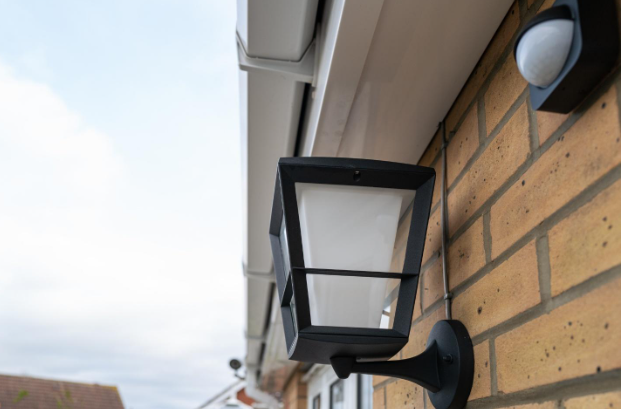
Key Takeaways About Outdoor Security Lighting
Outdoor security lighting means fixtures and controls that light yards and driveways automatically. This guide helps South Carolina homeowners plan and wire systems when safety and reliable nighttime visibility matter.
- Identify dark zones and map fixture locations before installation.
- Prevent false triggers by aiming sensors away from heat sources.
- Avoid voltage drop by using proper conductor size for runs.
- Spot moisture corrosion and damaged seals during seasonal inspections.
- Reduce glare with beam overlap shields and appropriate color temperature.
- Plan wiring with GFCI protection proper grounding and labeled circuits.
Introduction
Outdoor security lighting that turns on at dusk or reacts to motion solves two simple problems. Poorly lit yards invite trips, hide obstacles, and give cover to unwanted visitors. Bright, well-placed fixtures improve visibility for arriving residents and delivery drivers. For homeowners in Florence, SC the right lighting also reduces worry about dark corners near entries.
Motion-activated and dusk-to-dawn systems work differently and affect safety in different ways. Motion sensors spotlight movement and discourage intruders with sudden light. Dusk-to-dawn fixtures provide constant baseline light during the night for pathways and driveways. Choosing the right mix influences both safety and electricity use.
Common symptoms of a poorly designed system include glare that blinds drivers and dark patches where shadows remain. Flickering, lights that stay on all night, or sensors that fail to trigger also indicate issues. A qualified pro will inspect mounting height, aim, and sensor location to confirm problems. Visible damage to fixtures or loose conduit also signals the need for repair.
Homes near Hartsville, SC often share the same concerns about yard safety and clear driveway lighting. Getting lighting right matters for family safety, property access, and peace of mind during night hours. Professional diagnosis can confirm whether motion sensors, photocells, or a combination will work best. The next sections explain how professionals design and wire these systems safely and effectively.
Understanding Motion Sensors How They Work and Why It Happens
Motion sensors are devices that detect movement and trigger outdoor security lighting in response. They use passive infrared, microwave, or dual technologies to sense motion and change lighting state quickly. Homeowners often ask, "Why does my sensor trigger from far away?" and distance, sensitivity, and sensor type commonly explain it. A simple walk test at night will show whether the sensor range matches your driveway or yard needs.
- PIR sensors detect body heat and are common on porches.
- Microwave sensors detect motion through Doppler shifts in waves.
- Dual sensors combine PIR and microwave for fewer false triggers.
- Photocells ignore motion and only respond to ambient light levels.
Sensors trigger for three main reasons: heat and motion, reflective movement, or sudden temperature changes near the sensor. False triggers often come from heating vents, passing cars, or wildlife crossing the beam path. Professionals check sensor aim, mounting height, and nearby heat sources when diagnosing frequent false activations. They also confirm the sensor's detection pattern with a walk test and adjust sensitivity settings accordingly.
Placement affects both coverage and nuisance activations so aim sensors toward target zones, not busy streets or trees. Mount sensors at heights recommended by the manufacturer to shape the detection cone properly. Wiring considerations include running the sensor to a GFCI-protected circuit and using proper junction boxes for weatherproofing. During inspection a pro might perform a voltage reading at the fixture and photograph sensor alignment for a written report.
Temperature and lighting conditions influence sensor behavior and lifetime, so seasonal checks help maintain reliable operation. Temperature swings or local foliage can change detection performance over time. In a common situation, a homeowner notices lights triggering at dusk and a pro inspects the photocell and sensor overlap to confirm cause. If wiring, grounding, or damaged conduit appear during inspection, contact a licensed electrician to correct the issue safely.
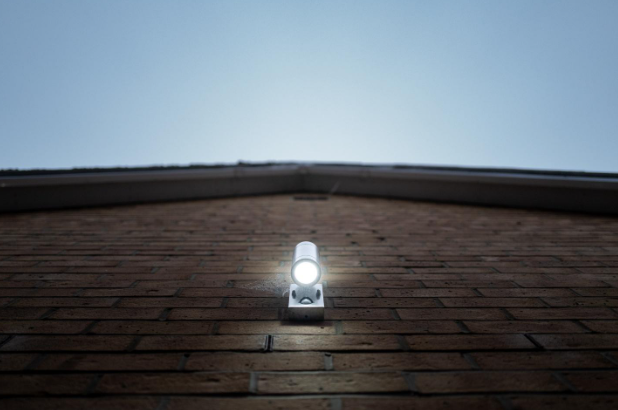
Photo from iStock - Credit: Nickbeer
Choosing Dusk to Dawn Fixtures for Safety and Convenience
Choose fixtures rated for continuous outdoor use and with built-in photocells for automatic on/off control at dusk and dawn. Look for enclosures with weatherproof gaskets and corrosion-resistant finishes to handle wet conditions. Confirm the fixture label includes an IP rating or mentions wet-location suitability to ensure safe operation near walkways. A sealed fixture reduces moisture inside the housing that can cause corrosion or electrical shorts over time.
Select fixtures that match the mounting height and beam spread needed for the area to avoid glare and dark gaps. Wall-mounted lanterns, pole lights, and flood fixtures each produce different patterns and brightness levels. Match lumen output and beam angle to the task, keeping lower glare fixtures near neighbors and higher-output floods for long driveways. Aim fixtures so light falls on walkways and entry points without shining into windows.
For convenience, choose units with integrated dusk-to-dawn photocells that also accept optional motion overrides for added security. That lets the light remain on at a low level overnight while motion bumps it to full brightness when needed. Ensure the photocell and motion sensor are positioned to see true ambient light, not blocked by eaves or influenced by nearby landscape lighting. During installation a technician will verify photocell function with a simple dark/light test and adjust sensor placement for reliable operation.
Pay attention to electrical components like junction boxes, grounding conductors, and GFCI protection when planning fixture selection to meet safety needs. A professional will confirm proper circuit sizing at the service panel and check voltage at the fixture with a voltage reading during inspection. In a common situation, a homeowner reports a dusk-to-dawn light staying on all night and a pro checks the photocell, wiring connections, and recorded voltage to determine whether replacement or rewiring is required. For properties in Florence, SC and homes near Hartsville, SC evaluating these components helps prevent nuisance operation and maintain consistent outdoor security lighting.
Planning Light Placement to Eliminate Dark Zones
Start by walking the property at night and noting dark pockets where light does not reach the intended area. Mark potential fixture locations on a sketch including heights and aiming angles to visualize overlap between beams. Consider sight lines from doors, windows, and driveway entries when plotting light positions to reduce blind spots. A physical test with a temporary lamp helps confirm coverage before drilling or mounting hardware on exterior walls.
Mix fixture types to cover different tasks: low bollards for pathways, wall-mounted lights for entries, and adjustable floods for open yards. Place motion-activated floods where they can illuminate long driveways without pointing toward neighbors or busy streets. Position dusk-to-dawn fixtures to provide continuous baseline light along walking paths and near steps to prevent trips. Keep photocells and sensors free from obstructions like eaves or tall shrubs to maintain accurate operation.
Pay attention to mounting height and beam spread to eliminate shadowed zones beneath features like porches and low trees. Aim fixtures so their beams overlap slightly, avoiding sharp transitions that create pockets of darkness. During layout, a professional will test sensor detection cones and take voltage readings at junction boxes to confirm stable power. For homeowners in Florence, SC, verifying these details reduces time spent on repeat adjustments.
Plan wiring runs and junction box locations to minimize exposed conduit and reduce potential water entry points at connections. Use GFCI protection on circuits serving fixtures near damp locations and confirm proper grounding at the service panel. In a common situation, a homeowner notices uneven coverage and a pro inspects fixture aim, conducts a continuity test on wiring, and documents readings in a report. For properties in Hartsville, SC this diagnostic approach helps decide if repositioning or adding fixtures will eliminate remaining dark areas.
Wiring Basics for Driveways Patios and Landscape Areas
Run dedicated circuits from the service panel when adding outdoor security lighting to keep loads separated from indoor circuits. Use appropriately sized cable or conduit for the fixture amperage and distance to prevent voltage drop during long runs. Label the circuit at the panel for future troubleshooting and include a spare capacity check before adding multiple floods or high-lumen fixtures. A licensed electrician will perform a load calculation and confirm breaker size before final connections.
- Use GFCI protection for fixtures near damp locations.
- Install weather-rated junction boxes at each connection point.
- Keep low-voltage and line-voltage runs separate to avoid interference.
- Use copper grounding conductors for all metal fixtures and boxes.
Weatherproof junction boxes should sit above grade and use sealed conduit entries to limit water intrusion and corrosion. Pull wires into the box with enough slack for secure wirenut connections and heat-shrinked or rated wire connectors. Maintain color consistency: black or brown for hot, white for neutral, and green or bare for grounding conductors. A visual inspection during startup will spot loose connections or charred insulation that require repair.
For motion sensors and dusk-to-dawn controls, route separate conductors or pigtails so each device reads correct power and photocell signals. Place the photocell where it sees ambient light, and mount motion sensors with clear detection paths free from obstructions. During commissioning a technician will measure voltage at the fixture and test sensor response with a timed walk test. If sensors misbehave, they will perform continuity and voltage checks at the junction box to confirm wiring integrity.
When burying conduit for yard and driveway runs, use schedule 80 PVC or metal conduit rated for direct burial and mark it on an as-built sketch for future digging. Keep low-voltage transformer locations accessible and protected from standing water to extend life and simplify inspection. In a common situation, a homeowner finds new fixtures dim at night and a pro checks for voltage drop, loose neutrals, and transformer tap settings before replacing fixtures. For properties in Florence, SC and houses near Hartsville, SC documenting runs and test readings prevents surprises during landscape work and future repairs.
Selecting Bulbs and Controls for Energy Efficiency
Pick LED bulbs labeled for outdoor use and match lumen output to the task to keep energy use low while maintaining visibility. Look for bulbs with a CRI above 70 if color rendering matters for surveillance cameras or curb appeal. Choose color temperature between 2700K and 4000K to avoid harsh blue light and reduce glare into neighbors' windows. A professional will check fixture wattage limits and confirm the bulb base fits safely before installation.
Use photocells and timer controls to prevent lights running all night and pair them with motion overrides where needed for temporary brightening. Smart photocells and networked controllers let you set schedules and receive alerts when a circuit trips or a fixture fails. For more ways to automate your lighting, explore our guide on install smart light switches for efficient & modern lighting to learn how smart controls can improve convenience and energy management. During diagnosis, a technician will measure circuit current and run a voltage reading to confirm controls are switching correctly. If controls show erratic behavior, a pro inspects the photocell location and wiring for moisture or corrosion.
Consider dimmable drivers and fixtures compatible with LED dimming to lower nighttime power use while keeping necessary sightlines illuminated. Avoid mixing non-dimmable bulbs with dimmer circuits to prevent flicker and premature failure. A licensed electrician will perform a load calculation and test for compatibility using a continuity test and voltage readings at the dimmer. Homeowners in Florence, SC may prefer lower night levels on long driveways to reduce skyglow while keeping safety in mind.
Install GFCI protection and proper grounding for any outdoor controls located near damp areas to reduce shock risk and protect equipment. Use weatherproof enclosures for junctions and control modules to limit moisture entry and extend component life. In a common situation a homeowner reports intermittent outages and a pro inspects the GFCI, checks recorded voltage, and documents findings in a written report. For properties in Hartsville, SC confirming these protections prevents repeat failures and improves overall outdoor security lighting performance.
Troubleshooting Common Outdoor Lighting Failures and Causes
Start with visible symptoms: constant flicker, lights that never turn on, or circuits tripping when fixtures activate. A professional first inspects the service panel and circuit breaker to confirm no obvious overloads or tripped breakers. They then take voltage readings at the fixture and at the nearest junction box to spot drops or loose neutrals. Documented voltage and a photo of the connection help decide if a repair or rewiring is needed.
Corrosion and moisture inside fixtures cause intermittent failures and short circuits over time. A tech opens the housing, checks the grounding conductor, and inspects wire nuts for green or white corrosion by visual exam. They perform a continuity test on the grounding path and measure insulation resistance when moisture is suspected. If corrosion is severe, replacing the fixture or resealing the junction box is usually required.
Sensors and photocells can fail from wiring faults, misalignment, or light contamination from other sources at night. During diagnosis a professional checks sensor wiring at the junction box, verifies photocell orientation, and runs a walk test to confirm detection cones. They also check for shared neutrals or switched neutrals that can confuse controls and cause backfeed. Recorded test results guide whether adjustments, rewiring, or component replacement will fix the behavior.
Bulb failure and driver issues show as reduced brightness or sudden outages after warm-up. A technician checks bulb seating, measures fixture voltage, and replaces the lamp with a known-good LED to isolate the problem. They will also inspect the LED driver or transformer for heat damage and test output voltage under load. In a common situation a homeowner in Florence, SC reports dimming floods and the pro documents voltage drop and loose connections before making repairs.
Loose conduit, crushed cable, or rodent damage produce intermittent contact and arcing that can trip breakers or char insulation. A professional traces wiring run locations, opens junction boxes, and uses a continuity test to find breaks or shorts. They may perform an insulation resistance test to confirm no hidden faults remain after repairs and provide a written checklist of findings. For properties in Hartsville, SC keeping an as-built sketch and labeled circuits reduces future diagnostic time and prevents repeat failures.
When to Call a Professional for Outdoor Security Lighting
If wiring shows signs of charring, repeated tripping, or sparks, call a licensed electrician immediately for safety. A professional will isolate the circuit, perform voltage readings at the fixture, and test continuity through junction boxes. They will also inspect the service panel for loose breakers or shared neutrals that can cause unpredictable behavior. Do not attempt repairs if you see burned insulation or smell burning from fixtures.
- Visible sparks or burn marks require an electrician.
- Frequent breaker trips need a load and wiring check.
- Water inside fixtures requires resealing or replacement.
- Sensors that short out need diagnostic testing.
If motion sensors fail after adjustments or produce constant false triggers, schedule a professional diagnosis. A technician will test sensor voltage, verify wiring at the junction box, and inspect nearby heat sources or reflective panels. They can swap in a known-good sensor to confirm whether the issue is the device or the wiring. This prevents unnecessary part replacements and reduces repeat service calls.
When multiple fixtures on a run dim together at night, a pro should check for voltage drop or a failing transformer. Our guide on causes of flickering lights explains other electrical issues that may contribute to unstable lighting. Expect the technician to measure voltage under load, inspect conductor size, and review the cable route for damage from landscaping equipment or rodents. They may recommend upsizing conductors or relocating the transformer to improve voltage stability. Documented readings and a written recommendation help you decide the next steps.
If you plan layout changes, add high-lumen floods, or connect controls to a smart system, hire a professional for a load calculation and safe circuit design. A licensed electrician will confirm breaker capacity, proper grounding, and GFCI protection where needed before making changes. They will also produce an as-built note so future work avoids buried conduit or hidden junctions. Homeowners in Florence, SC and properties near Hartsville, SC benefit from this formal documentation when updating landscape or driveway lighting.
Maintenance Tips to Prevent Failures and Enhance Lifespan
Inspect fixtures seasonally for moisture, corrosion, and insect nests that can degrade connections and reduce life expectancy. Tighten mounting screws and check that gaskets compress evenly to keep water out of housings. Test photocells and motion sensors by covering them briefly and watching response, noting irregular delays or failure to change state. If you detect greenish corrosion on wire nuts, plan replacement and resealing to prevent intermittent shorts.
Schedule simple electrical checks with a professional to measure fixture voltage under load and confirm grounding continuity. Replace bulbs when light output drops noticeably to keep uniform illumination across paths and driveways. If you're experiencing frequent bulb failures, our guide on why are your light bulbs constantly burning out? explains common causes and when electrical problems may be responsible. Keep junction boxes accessible and have an electrician label circuits to speed future diagnostics and avoid accidental damage during landscaping.
Maintain clear detection zones by trimming vegetation and repositioning fixtures when plants grow into sensor cones or cover photocells. Clean lens surfaces periodically with a soft cloth to remove pollen, dust, and salt that scatter light and weaken sensor function. Check that timers and smart controls hold programmed schedules after power events and replace backup batteries in standalone controls as needed. In a common situation, owners notice erratic triggering after South Carolina storm and a technician checks lens fouling and loose pigtails to confirm the cause.
Inspect conduit and buried runs for damage signs where landscaping equipment often passes to prevent crushed cable or rodent entry that causes shorts. Ensure weatherproof seals remain intact at all exterior boxes and use silicone where gaskets have shrunk to stop water wicking. For property owners schedule post-storm checks to spot water intrusion early and limit corrosion. If you find charring, sparks, or burning smells, stop using the circuit and call a licensed electrician in Florence, SC immediately.
Keep spare parts on hand like neoprene gaskets, wire connectors rated for outdoor use, and a replacement photocell to restore operation quickly. Perform a yearly full-system check with a pro who will test sensors, measure voltage under load, and produce a short written report of findings. For homeowners in Hartsville, SC this routine helps avoid surprise failures on important nights and documents condition for future upgrades. Regular maintenance preserves safety, avoids costly emergency repairs, and extends the life of outdoor security lighting.