
Key Takeaways About LED Lighting Upgrades
This article explains how LED lighting upgrades improve energy use and indoor comfort. It is for homeowners and property managers deciding when to upgrade or call a licensed electrician.
- Identify high‑use fixtures that yield the biggest savings first.
- Prevent overheating by choosing fixtures with good heat sinks.
- Avoid dimmer mismatch by testing compatibility before purchase.
- Spot wiring or breaker issues when you smell burning or see scorch marks.
- Reduce cooling load and improve visual clarity with directional LEDs.
- Plan inspections and written reports with an electrician before major swaps.
Introduction
LED lighting upgrades cut electricity use and lower monthly bills while changing how rooms look and feel. Many homeowners notice harsh glare or dim corners from old bulbs long before they see a higher bill. In Effingham, SC residences, poor lighting can make everyday tasks feel harder and increase eye strain. Upgrading lighting tackles both energy waste and daily comfort at the same time.
Modern LEDs use far less power than incandescent or halogen bulbs and last much longer between replacements. ENERGY STAR-certified fixtures meet efficiency standards and control light quality better than generic options. Better color rendering can make kitchens and living rooms feel more natural and welcoming. Those differences matter when you spend extended time indoors or host guests.
Beyond savings, lighting affects room temperature perception and visual clarity for tasks like reading or cooking. Flicker, uneven brightness, and mismatched color temperatures often signal fixtures that need replacement. A homeowner who ignores these cues may accept reduced comfort and higher utility bills. Addressing lighting gives immediate practical benefits to daily routines.
Choosing the right LED lighting upgrades depends on room function and existing wiring or switches. An electrician will assess fixtures, examine the service panel, and check for issues with GFCI or dimmer compatibility. For many Florence, SC homes, that inspection reveals simple swaps that improve both comfort and efficiency. If visible issues or safety concerns appear, contact a licensed professional for a formal diagnosis.
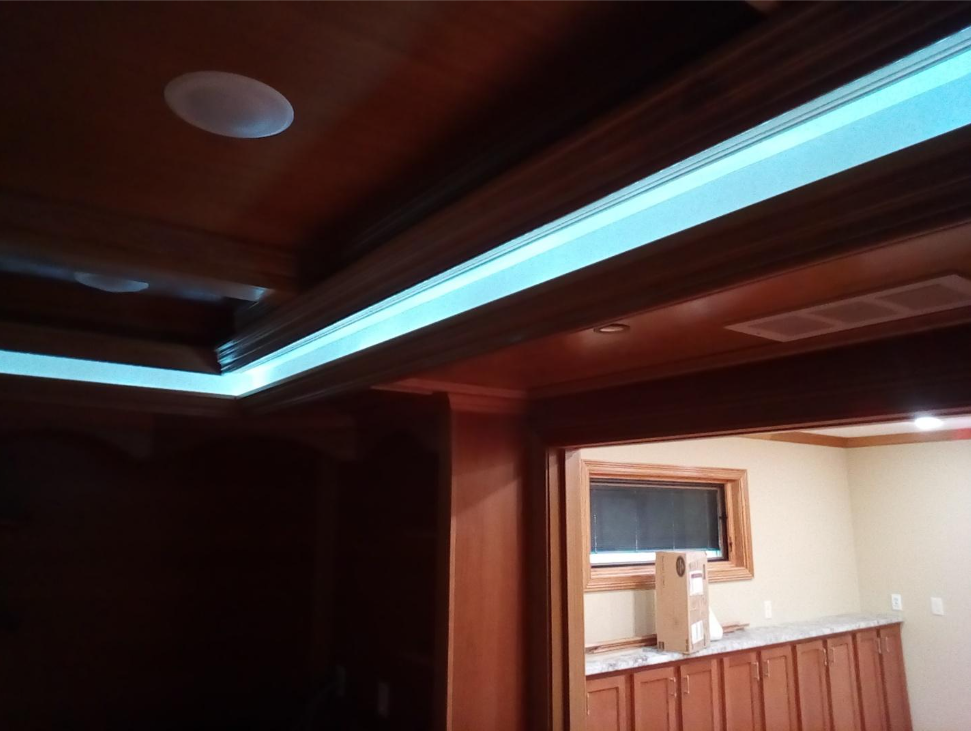
Photo from iStock - Credit: Ray Slone
How LED Lighting Upgrades Improve Energy Efficiency
How LED lighting upgrades increase home energy efficiency means installing low-wattage, long-lasting light sources that produce needed brightness with less power. LEDs convert more electricity into visible light and less into heat, which lowers energy used for lighting. A common homeowner question asks how much electricity LEDs save, they typically use a fraction of the wattage of incandescent bulbs for the same lumen output. Upgrading fixtures often reduces monthly lighting costs and delays replacement work for many years.
- LEDs run cooler than incandescent bulbs.
- They deliver more lumens per watt.
- Many fixtures last tens of thousands of hours.
- ENERGY STAR options control light direction better.
One measurable benefit is reduced waste heat that can cut cooling loads in warm months and improve thermostat performance. Less heat from lamps lowers strain on air conditioning systems during long summer days. Homeowners often report rooms feeling less stuffy after switching to LEDs. This change can help HVAC systems run more efficiently overall.
LEDs also reduce electricity used in fixtures with frequent on-off cycles due to their instant startup and no warm-up period. In areas like kitchens and hallways where lights switch often, LEDs maintain efficiency and life. A professional would inspect bulb base type, fixture compatibility, and perform a simple load check at the circuit breaker to confirm safe replacement. If dimmers are present, an electrician checks dimmer compatibility and may recommend compatible GFCI or AFCI protection where needed.
Upgrading strategically yields the biggest savings when homeowners replace the highest-use lights first, such as living rooms and exterior lighting. For homes in Effingham, SC or larger properties in Florence, SC, focusing on frequently used fixtures speeds payback. Keep projector-style fixtures and recessed cans in mind, because slotting ENERGY STAR-certified replacements there increases directional light efficiency. If you want a tailored plan, schedule an inspection with a licensed electrician for a written assessment and cost estimate.
Why LED Technology Uses Less Electricity Than Bulbs
LEDs use semiconductor diodes that emit light when current flows, which wastes far less energy as heat than filament bulbs. That change in physics means a larger share of electrical energy becomes visible light, so lower wattage yields the same brightness. A technician inspecting a circuit will measure lumen output and compare fixture wattage to confirm the improved efficiency. Homeowners often notice cooler fixtures after replacement, which signals reduced waste heat and safer operation.
Driver electronics in LED fixtures regulate current to maintain steady light and prevent flicker, unlike the simple resistive filament in older bulbs. Efficient drivers reduce electrical losses and extend LED life, so power draw remains stable across operating conditions. During a diagnostic check, a professional may use a voltage reading and continuity test at the fixture to verify proper driver function. If wiring shows excessive voltage drop, the electrician will note it because that can raise apparent power use.
LED arrays also deliver directional light, concentrating lumens where needed instead of radiating in all directions like many traditional bulbs. That directional control cuts the number of fixtures required to achieve the same effective illumination in a room. An inspector can compare measured illuminance with expected lumens per watt to determine if fewer LED fixtures will meet task needs.
Thermal management in LED fixtures preserves efficiency by moving heat away from the diode with heat sinks, so chips operate at lower junction temperatures and remain efficient longer. Poor thermal design leads to quicker lumen depreciation, so professionals check fixture temperatures during an inspection to predict lifespan. In a common situation, a homeowner might report dimming over months while lights stay on, prompting a technician to record temperature and lumen readings.
Choosing ENERGY STAR Certified Fixtures for Savings
ENERGY STAR-certified fixtures earn their label by meeting efficiency and light-quality tests set by the program, which helps homeowners identify dependable performers. When choosing one, check the fixture's lumens per watt and the reported color-rendering index to match tasks without over-lighting. A professional will inspect the fixture label and measure actual light output against room needs before recommending a swap for greatest savings. Homeowners in Effingham, SC often benefit from that verification step when older fixtures report lower-than-expected lumens.
Look for fixtures that list dimmer compatibility and driver specifications because incompatible components can shorten lifespan and reduce savings. During a diagnostic visit, an electrician will test the dimmer with a meter and try a sample fixture to confirm smooth dimming and no flicker. They also check the circuit breaker, GFCI protection, and wiring connections to ensure the new fixture won't overload the circuit. Verifying these elements prevents nuisance trips and unexpected energy use after installation.
Prioritize ENERGY STAR models with good thermal design and sealed housings for damp areas like bathrooms or covered porches to protect LEDs and drivers. Choosing fixtures with appropriate moisture protection and heat management can help maintain consistent performance. For homeowners in Florence, SC, our outdoor lighting installation services can help ensure exterior fixtures are properly selected and installed for their intended locations. This approach supports dependable illumination while reducing unnecessary maintenance and premature replacements.
Consider lifecycle savings rather than purchase price alone because certified fixtures use less power and often include better drivers and warranties. A professional can provide a simple payback estimate using current light energy use and measured fixture wattage to show expected months until savings cover the upgrade. Request written documentation of test readings and the electrician's recommendations to compare options objectively. That paperwork helps homeowners choose fixtures that balance comfort, efficiency, and long-term value.
Selecting Color Temperature for Comfort and Function
Start by matching color temperature to the room's tasks and mood instead of picking by appearance alone. Cooler temperatures make details pop for work areas, while warmer tones help with relaxation at night. A homeowner can bring sample bulbs to see how paint and furniture look under different temperatures.
- 3000K works well in living rooms and dining spaces.
- 2700K suits bedrooms and cozy reading nooks.
- 3500K to 4000K fits kitchens and home offices.
- 5000K is best for task lighting in garages and workbenches.
Consider color rendering index when selecting bulbs because similar Kelvin ratings can still show colors differently. Higher CRI values help with tasks like cooking and applying makeup by showing true colors. During an inspection, a technician checks fixture glare and distribution to confirm chosen bulbs will perform well. In Effingham, SC homes with mixed fixtures, testing CRI avoids unpleasant mismatches between rooms.
Think about dimmer and control compatibility before picking temperatures because some LEDs shift color when dimmed. A professional will test dimmers with a meter and a sample bulb to verify smooth dimming without flicker. For layered lighting plans, combine ambient warm fixtures with cooler task lights to reduce eye strain. If you notice buzzing, visible flicker, or mismatched tones, contact an electrician to diagnose compatibility and suggest alternatives.
Room Specific LED Lighting Upgrades for Best Results
Start upgrades in high-use rooms by matching fixture type to function instead of swapping bulbs alone. For kitchens, replace single-direction can lights with directional LED retrofit modules that improve task illumination and reduce shadows. A professional would inspect junction boxes and measure illuminance at counters to confirm adequate lumens. If recessed cans are older, checking for insulation contact and thermal protection prevents overheating of retrofit modules.
In living areas, layer LED sources so overhead light pairs with wall or floor fixtures to reduce glare and improve comfort. Choose dimmable, warm LEDs with compatible dimmer switches when occupants want flexible mood control for evenings. An electrician will test the dimmer and use a voltage reading to verify stable output across the range. When wall switches control multiple circuits, confirming proper wiring avoids unexpected power loss after upgrades.
Bathrooms and vanities need brighter, high-CRI fixtures placed near mirrors to reveal accurate skin tones for grooming tasks. Select ENERGY STAR-rated damp-location fixtures when moisture exposure is likely to protect drivers and seals. During diagnosis, a technician checks GFCI protection, inspects fixture grounding conductors, and performs a continuity test after installation. Proper placement prevents harsh shadows that make tasks harder and reduce comfort.
Hallways, stairwells, and exterior entry lighting benefit from lower-wattage LEDs with motion or occupancy sensors to cut run-time without sacrificing safety. For areas with frequent switching, sensors paired with bulbs rated for many on-off cycles preserve life expectancy. A pro would evaluate circuit loads at the service panel and confirm sensor compatibility with LED drivers. Homeowners in Effingham, SC and Florence, SC often see immediate comfort and efficiency gains from these targeted swaps.
When Homeowners Should Call a Professional Electrician
Call a licensed electrician in Florence, SC when you find scorch marks, burning smells, or persistent breaker trips after LED lighting upgrades. These signs can indicate overloaded circuits, loose connections, or failing breakers that pose fire risk. A professional will shut off power, open the panel, and perform a load calculation to locate the circuit problem. If you notice warm outlets or discolored wall plates, avoid using the circuit until inspected for safety.
If dimmable LEDs flicker or behave oddly with existing switches, contact an electrician to test compatibility and wiring. The technician will perform voltage readings at the fixture, test the dimmer with known-compatible loads, and check wiring in the junction box. They may recommend replacing the dimmer with an LED-rated model or updating the grounding conductor to reduce noise and flicker. DIY attempts can mask underlying neutral or switch-leg issues that a pro should diagnose.
Call for help when multiple fixtures on a single circuit suddenly lose brightness or one area shows uneven lighting after upgrades. A professional will trace the circuit, inspect connections at the service panel and switch, and use continuity tests to find voltage drop sources. They will examine the GFCI or AFCI protection and verify the breaker sizing matches the new load profile. For some homes, this inspection reveals simple fixes like tightening a neutral or relocating high-draw loads.
Engage an electrician if you plan to add controls, sensors, or new recessed fixtures that require changes to the wiring or panel capacity. The electrician assesses panel space, checks breaker capacity, and may suggest adding a dedicated circuit to avoid nuisance trips. They will pull permits if required and provide written documentation of load calculations and wiring changes. Homeowners in Effingham, SC often find this preventative step avoids future outages and meets safety expectations.
Seek professional help when you see inconsistent color temperatures or persistent buzzing after installing multiple LED fixtures in a room. A technician will inspect drivers, measure fixture voltage, and test for harmonic distortion or incompatible transformers. They can provide a written report with recommended fixture swaps or driver replacements to harmonize color and eliminate audible noise. For larger properties in Florence, SC, coordinated testing across circuits prevents repeat issues after full lighting upgrades.
Installation Steps and What Technicians Inspect
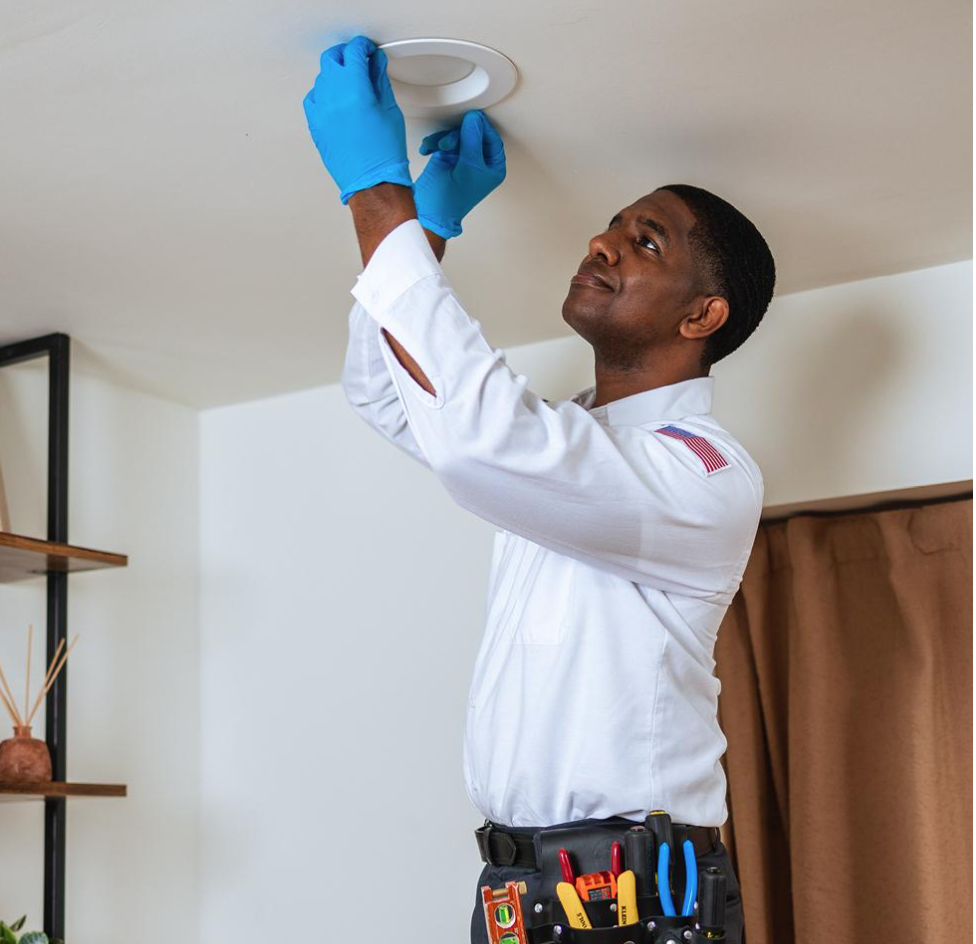
Technicians begin by turning off power and removing the existing fixture to inspect the junction box and wiring condition. They look for loose screws, damaged sheathing, and correct conductor sizing before proceeding. A continuity test and voltage reading help confirm the neutral and hot conductors behave under load. If signs of overheating appear, the technician documents findings and discusses repair options with the homeowner.
- Check junction box stability.
- Verify wire gauge and connections.
- Test voltage at the fixture.
- Confirm grounding conductor continuity.
- Inspect switch and dimmer compatibility.
Next, the pro fits the chosen LED component or ENERGY STAR fixture and secures all connections using approved wire nuts or terminal blocks. They test dimmer interaction and look for audible noise or visible flicker during a range of brightness settings. After installation, the electrician measures actual fixture current and notes readings on a simple report for the homeowner. This documentation helps show energy savings and confirms the circuit handled the new load safely.
Technicians also examine related circuit elements such as the breaker, nearby outlets, and panel labeling to ensure no unintended overloads exist. They may perform a simple load calculation at the panel if several upgrades occurred on the same circuit. If sensors or controls were added, the pro confirms programming and time delays operate as intended.
Finally, the installer explains basic maintenance, points out warranty information, and recommends when to call for follow-up service. They may leave a written note of voltage readings, tested dimmer model numbers, and any parts replaced. If the homeowner notices buzzing or dimming later, the documentation guides the next diagnostic steps. For homeowners planning new fixtures or lighting upgrades, our indoor lighting installation services can help ensure proper installation and safe operation.
Maintenance Tips to Preserve Efficiency and Longevity
Clean fixtures and lenses regularly to keep light output high and avoid heat buildup that stresses drivers and diodes. Use a soft cloth and power off the circuit before cleaning to prevent shock or damage. Check for dust in recessed cans and behind diffusers, since trapped debris raises fixture temperature and speeds lumen depreciation. If you smell burning or see melted plastic while cleaning, stop and call a licensed electrician immediately.
Schedule periodic visual checks of connections, switches, and the service panel to spot signs of damage or discoloration early. Our electrical inspections & code compliance services can help identify potential electrical hazards and confirm that your lighting system meets applicable safety standards. A professional will perform a continuity test and a voltage reading if you report flicker or dimming during these checks. Replace non-LED dimmers with LED-rated models when dimming performance degrades to avoid driver stress and audible noise. Homeowners in Effingham, SC should note any recurring trips and have an electrician inspect the affected circuit promptly.
Monitor brightness and color over months to detect gradual lumen depreciation or driver failure before fixtures fail completely. Keep simple records of bulb model, installation date, and any voltage readings technicians provide so replacements match original performance. For outdoor or damp-area fixtures, inspect seals and gaskets annually to prevent moisture entry that can corrode drivers and connectors. In Florence, SC, higher humidity can accelerate seal wear, so check those fixtures more often.
When swapping bulbs, match replacement lamps to the fixture's driver limits and dimmer compatibility to preserve expected life and efficiency. Avoid overdriving LEDs by using bulbs with recommended wattage and drivers rated for the fixture environment. If you install motion sensors or smart controls, verify they work with the installed LED drivers and do not introduce flicker. If uncertain about compatibility, request a professional diagnostic and a written recommendation before making changes.













