
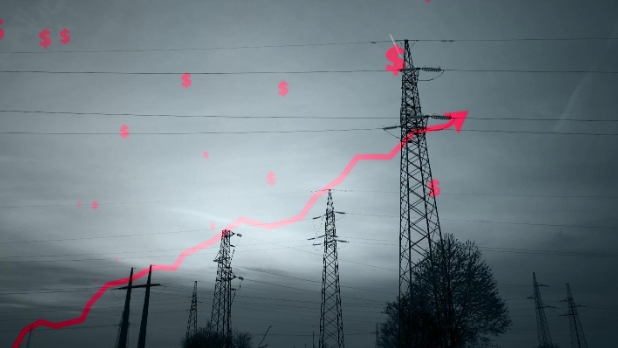
Key Takeaways About High Electricity Demand
High electricity demand means many devices draw power at once causing voltage drops and stress on home wiring and breakers. This summary is for homeowners and property managers who notice flicker trips or smells and need quick guidance during peak use.
- Identify when dimming or trips happen and which devices run.
- Prevent repeated overloads by staggering major appliance use times.
- Avoid resetting hot or scorched breakers without professional inspection.
- Spot burning smells buzzing sounds or warm outlets promptly.
- Reduce stress on the panel with dedicated circuits for heavy loads.
- Plan an electrician inspection with load readings during peak periods.
Introduction
When neighborhood power use spikes, homes can feel the effects in sudden ways. High electricity demand can cause outages that leave lights and appliances dead. It can also stretch wiring and stress circuit breakers beyond normal conditions. For homeowners, these events mean inconvenience and potential safety hazards.
Voltage fluctuations often happen during peak periods when many devices draw power at once. Those fluctuations show up as dimming or flickering lights and motors that run hot or hum. Repeated stress can reduce the life of electronics and appliances. Noticing these signs early helps prevent bigger failures.
Breaker trips that occur without an obvious cause may tie back to overloaded circuits from peak loads. Thermal stress and loose connections worsen when demand stays high for long stretches. A professional can find the source and recommend targeted repairs or panel upgrades. Ignoring repeated trips raises the risk of damage and fire.
Homeowners in Florence, SC and Darlington, SC notice these problems more during hot afternoons or cold evenings. Pay attention to odors, unusual sounds, and timing of outages to assess severity. A qualified electrician can perform load checks and voltage readings to confirm issues. Acting promptly reduces repair costs and improves safety for the whole household.
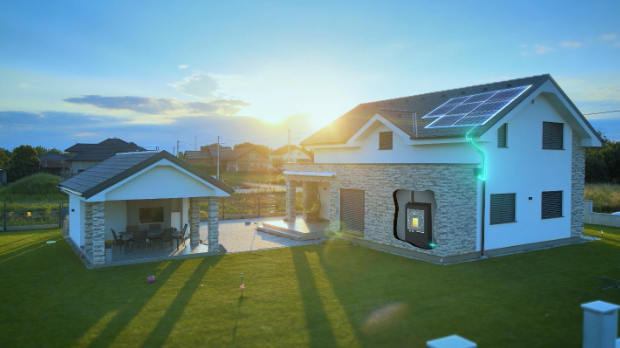
Photo from iStock - Credit: Crovik Media
What High Electricity Demand Means for Homes
High electricity demand means more devices draw power simultaneously, raising stress on wiring, breakers, and the utility connection. When many loads run together, voltage can drop briefly and appliances may not operate normally. Homeowners often ask whether dimming lights are dangerous, and the answer is that repeated dimming can damage sensitive electronics over time. A simple way to confirm a problem is to note when issues happen and which devices run at that time.
- Lights dim during air conditioner cycles.
- Motors hum or run hotter than usual.
- Breakers trip without clear overloads.
- Outlets feel warm to the touch.
- Electronics reset unexpectedly.
High demand can create uneven voltage that stresses motors and electronic power supplies inside home appliances. This stress often shortens component life and can cause intermittent failures in devices like refrigerators or HVAC compressors. If a homeowner wonders whether an appliance caused the drop, tracking which circuits are active during events helps narrow causes. A visual inspection for discoloration or heat at the panel can reveal signs of chronic stress.
Inspecting a home under load helps a professional determine whether neighborhood demand or the house wiring causes problems. An electrician will use a voltage reading and load calculation on the service panel and selected circuits to confirm conditions. They may also check the grounding conductor and inspect for loose connections in the junction box and breaker terminals.
Why High Demand Causes Voltage Fluctuations and Flicker
When many homes and businesses draw power at once, the utility transformer and service conductors carry heavier currents that pull voltage downward. That voltage drop happens because conductors have resistance and limited capacity, so higher current creates greater voltage loss over the line. Appliances with motors or heating elements react badly to lower voltage by drawing extra current to keep working, which amplifies stress on wiring and breakers. In Florence, SC homeowners may notice this pattern during predictable high-use times when many neighbors run cooling or heating equipment.
Flicker happens quickly when the voltage repeatedly oscillates between normal and reduced levels as large loads cycle on and off. These rapid swings often show as lights dimming for a second and returning, sometimes several times in a short period. Homeowners experiencing these symptoms can explore the guide: causes of flickering lights to better understand possible causes and warning signs. A loose neutral or poor connection at the service can make flicker worse by introducing uneven voltages between circuits. A professional will check the neutral, service conductor tightness, and voltage stability under load to find whether the issue is in the utility feed or inside the home.
Transformers and service panels have thermal limits and will heat when overloaded, which changes electrical resistance and causes further voltage sag. Heat also loosens connections over time, so a minor sag can evolve into chronic flicker and arcing risks. An electrician using a clamp meter and voltage recorder can capture current draw and voltage trends while equipment runs to confirm thermal-related voltage problems.
Devices with electronic power supplies may reset or operate intermittently when voltage dips persist, signaling potential damage from repeated exposure to low voltage. To diagnose, a technician typically performs a load test on suspect circuits, inspects the breaker and junction boxes for discoloration, and compares voltage readings at the panel and at problem outlets. If readings show significant drop under load, the professional will recommend either connection repairs, panel upgrades, or working with the utility for a transformer or service capacity fix. Acting on measured evidence prevents unnecessary replacements and improves long-term electrical reliability.
Common Household Causes of Peak Demand Spikes
One common household cause of peak demand spikes is simultaneous use of large appliances like electric ovens and clothes dryers running together. These appliances draw high current and can push a home toward its service capacity in minutes. When several heavy loads run at once, local circuits see sudden rises in amperage. An electrician can verify this with a load calculation at the panel and by measuring current on individual circuit conductors.
Space heaters and window air conditioners create sharp demand when homeowners add them during cold or hot weather. These devices often lack staged compressors or soft-start controls, so they pull full current at startup and while running. That inrush current can cause noticeable voltage sag on nearby circuits and increase the chance of a breaker trip. A technician might use a clamp meter and an infrared camera to spot hot breakers and overloaded conductors during inspection.
Older or multi-outlet power strips and extension cords can concentrate loads from TVs, game consoles, and charging devices into a single branch circuit. This localized concentration raises the branch current and can make neutral connections run hotter than normal. Loose connections at the service, junction boxes, or breakers compound the effect and magnify voltage swings under load. For homeowners in Florence, SC, documenting when specific devices run helps an electrician trace which circuits require redistribution or upgrades.
Electric water heaters and electric vehicle chargers can also produce demand spikes when they cycle or begin charging at high rates. These loads often operate for long periods and keep current high across the service, increasing thermal stress on the panel and service conductors. A professional diagnosing the issue would perform timed voltage readings, inspect breaker terminals for discoloration, and run a load profile to see how total demand varies through the day. In Darlington, SC properties, installing demand-management devices or scheduling heavy loads at off-peak hours may reduce repeated stress on the electrical system.
How High Demand Leads to Breaker Trips and Overloads
When high electricity demand pushes a circuit past its safe current rating, the breaker senses excess heat and trips to protect wiring. Repeated trips can warp breaker elements or damage the breaker trip mechanism, making resets unreliable. A visible sign is a breaker that feels warm at the panel door or shows staining around terminals. Homeowners should avoid repeatedly resetting a tripping breaker without investigation to prevent hidden hazards.
- Breaker trips protect wiring from overheating.
- Frequent trips signal persistent overload or a fault.
- Warm panel covers suggest thermal issues.
- Discolored breakers indicate long-term stress.
Overloads happen when multiple loads draw on one branch circuit, which raises conductor temperature and increases resistance. High electricity demand at the service can raise panel temperature overall, making individual breakers more likely to trip. A professional will perform a load calculation and measure current on each circuit with a clamp meter to confirm overloads. They will also inspect breaker connections and the service neutral for signs of overheating or looseness.
Short circuits and ground faults may mimic overloads but usually trip breakers instantly due to higher fault currents. Evidence of this includes a loud pop, burning smell, or visible sparking at an outlet or switch. An electrician will use a continuity test and visual inspection of junction boxes and receptacles to distinguish faults from overloads.
Warning Signs Homeowners Should Never Ignore
Unusual smells like burning plastic or ozone near outlets require immediate attention because they indicate overheating or arcing inside the wiring system. A homeowner might notice the smell only when specific appliances run, which helps pinpoint the affected circuit. An electrician will inspect receptacles, junction boxes, and the breaker panel for discoloration or melted insulation to confirm the source. If detected, a professional should disconnect power to the circuit until repairs finish to reduce fire risk.
Persistent buzzing or crackling sounds from switches, outlets, or the panel often signal loose connections or arcing under load that worsen during peak usage. Homeowners wondering "is a buzzing electrical outlet dangerous" should understand that these sounds may indicate a serious electrical hazard. These sounds can escalate quickly and appear when motors or compressors start, offering a clear time pattern for diagnosis. A technician will use voltage readings and visual inspections to locate loose terminals or damaged conductors in the junction box and at breaker clamps. Repairing or replacing faulty connections reduces heat buildup and the chance of a dangerous fault.
Repeated dimming tied to a specific appliance startup suggests that the appliance draws large inrush current or that a nearby circuit shares a weak neutral connection. Homeowners who record when dimming happens give valuable clues to a professional investigating the problem. An electrician commonly performs a load test while the appliance cycles and checks the grounding conductor and neutral continuity at the panel. Finding a consistent voltage drop under that load guides appropriate fixes like redistributing circuits or repairing connections.
Hot or discolored outlet and breaker faces are visible signs of chronic overheating that should never be ignored, even if devices appear to work normally. Touching the outlet face briefly can confirm warmth, but homeowners should avoid extensive contact and should not force a reset on an overheating breaker. A professional will take infrared readings and measure current with a clamp meter to document thermal issues and provide a written report. Prompt action lowers the risk of component failure and potential electrical fires.
If smoke, sparks, or sudden loss of multiple circuits occur, treat the event as an emergency and shut off the main breaker if safe to do so, then call for professional help. These acute failures often leave visible damage like charring or blown insulation that an electrician must evaluate before restoring power. In less urgent but recurring cases, documenting times and conditions helps the technician reproduce problems in Florence, SC and Darlington, SC homes. Proper diagnosis often combines voltage recording, load measurements, and targeted inspections to confirm whether repairs or upgrades are necessary.
When to Call a Professional for Demand Issues
If you notice frequent trips, burning odors, or persistent flicker tied to high electricity demand, call a licensed electrician in Florence, SC promptly. A technician will start with visual inspection of the service panel, breakers, and visible junction boxes to find overheating or evidence of arcing. They will take voltage readings at the panel and at problem outlets while major loads run to confirm whether service voltage drops under load. Avoid attempting complex repairs yourself and follow the electrician's safety guidance until the issue is resolved.
A professional diagnosing demand-related problems will perform a load calculation and use a clamp meter to measure current on individual circuits during peak times. They may install a temporary voltage recorder to capture fluctuations over several hours and correlate readings with when appliances cycle. The electrician will also check neutral and grounding conductors for tightness and continuity to rule out shared-neutral issues. Diagnostic results help determine whether panel repairs, breaker replacements, or circuit redistribution are needed.
If inspection finds scorched connections, warm breakers, or repeated overloads, schedule repairs without delay because these signs increase fire risk and can damage appliances. In some cases, the technician may recommend replacing worn breakers, tightening service lugs, or upgrading specific branch circuits to higher-capacity wiring. When findings suggest the home service is undersized relative to demand, the electrician can prepare documentation to discuss options with your utility provider.
For recurring problems linked to neighborhood peak usage, a professional can advise on practical steps such as load management devices or timed operation of large appliances to reduce stress. They will also explain longer-term options like panel capacity increases or dedicated circuits for high-draw equipment and provide an itemized estimate for recommended work. Homeowners seeking dependable solutions can refer to "trust Mister Sparky for professional electrical repairs" for additional information about addressing electrical concerns with expert assistance. If you live near Darlington, SC, plan inspections during times when issues usually appear to help the electrician capture live data. Always choose a licensed electrician and request a written report outlining findings and recommended next steps.
Practical Steps to Reduce Peak Electricity Demand
Shift major appliance use to off-peak hours to lower strain during times of high electricity demand. Running the dishwasher and dryer at night spreads load and reduces simultaneous startup currents. Use smart plugs or timers to automate staggered operation for water heaters and EV chargers. Monitor your usage pattern for a week to identify best times to move heavy loads.
- Run major appliances during off-peak hours.
- Stagger startup times for large motors.
- Use smart plugs or timers for automation.
- Unplug rarely used electronics when not needed.
Improve airflow and ventilation around air conditioners and heat-producing devices to reduce runtime and peak draw. Clean filters and maintain HVAC so compressors run efficiently and avoid long cycles. Lowering thermostat setpoints modestly during peak windows cuts demand without major discomfort. Small adjustments often yield noticeable reductions in circuit loading during hot afternoons in Florence, SC.
Install or program smart thermostats and load controllers to limit simultaneous device operation during peak events. These devices can delay noncritical loads and reduce inrush currents from multiple appliances starting together. Ask an electrician about demand-response compatible controls which integrate with home systems safely. For larger recurring issues near Darlington, SC, a professional can assess whether load-shedding switches make sense for your panel.
Long Term Upgrades to Improve Electrical Resilience
Consider upgrading the service panel and main breaker when the home consistently approaches its rated capacity during peak demand. A larger service size provides headroom for future equipment and reduces overheating risk at the panel and service conductors. An electrician will perform a load calculation and explain the steps needed to increase service safely. This work typically requires coordination with the utility to disconnect and reconnect the meter during the upgrade.
Installing dedicated circuits for major appliances and EV charging separates heavy loads from general lighting and outlets to prevent nuisance trips. Dedicated circuits use appropriately sized breakers and wiring routed to specific loads, so motors and chargers do not share neutrals or branch conductors. A professional will handle wiring upgrades, add properly sized conduit, and ensure AFCI or GFCI protection where code requires. Properly designed dedicated circuits improve reliability and reduce voltage interactions between devices.
Replacing outdated breakers with modern protective devices can improve electrical safety throughout the home. AFCI breakers detect certain dangerous arcing conditions, while GFCI devices help protect against electric shock caused by ground faults. Homeowners considering these improvements can explore GFCI and AFCI upgrades for safer living spaces to understand how these protective devices contribute to a safer electrical system. A technician will inspect panel space and recommend compatible replacement breakers or load centers to maintain clear labeling and safe operation.
Upgrading service conductor size and improving connections at the meter and lugs can reduce voltage drop during heavy current flow, improving stability across circuits. Repairing corroded or undersized connections helps prevent heating and intermittent contact that may worsen during peak demand. Beyond electrical repairs, homeowners can explore how energy efficient upgrades reduce monthly utility costs by improving lighting and appliance efficiency. An electrician will measure voltage at the service under load and document readings before and after repairs to confirm improvement.













