
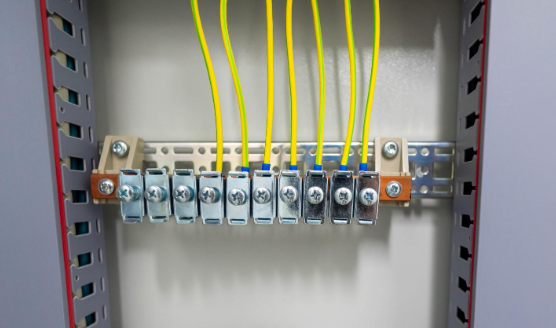
Key Takeaways About Grounding and Bonding
Grounding and bonding connects a home's electrical system and metal parts to the earth to control fault current and reduce shock risk. This information is for homeowners and property managers evaluating older houses or after plumbing and electrical work.
- Identify corroded clamps loose connections and missing bonds during inspection.
- Prevent energized metal by restoring continuous low resistance paths.
- Avoid touching exposed conductors and shut off power if unsafe.
- Spot tingling shocks burning smells or frequent nuisance tripping quickly.
- Reduce fault risk by installing correct size jumpers and clamps.
- Plan professional testing with continuity voltage and resistance measurements.
Introduction
Older homes often hide outdated or incomplete grounding systems behind walls and in basements. Grounding and bonding failures raise real risks like electric shock, appliance damage, and nuisance tripping. Visible issues can include corrosion on pipe clamps, loose connections at the service panel, or scorched wiring insulation. These signs matter because a poor ground changes how faults travel through the home.
Key components such as ground electrodes, bonding jumpers, and water pipe bonds are the parts that control fault currents. When these components are missing or compromised, metal parts and plumbing can become energized. That creates a shock hazard when touching a faucet, appliance, or metal stair railing. Homeowners often notice odd outlet behavior or breakers that trip without a clear cause.
Older properties in Florence, SC frequently have mixed materials and retrofitted systems that complicate grounding and bonding. In some Hartsville, SC houses, water service replacements or renovations can interrupt existing bonds. These situations increase the chance that a fault will follow an unintended path through building systems. Fixing the problem reduces both safety risks and equipment stress over time.
A licensed electrician will diagnose grounding issues using visual inspection and basic tests like continuity and voltage readings. They check service panels, ground rods, bonding jumpers, and water pipe clamps for proper placement and tight connections. Expect a clear report that notes corrosion, missing jumpers, or unbonded metal systems. If you notice smells, buzzing sounds, or frequent breaker trips, contact a professional promptly.
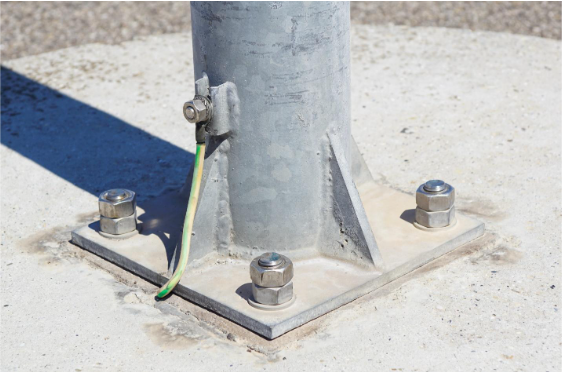
Photo from iStock - Credit: Stefano_Carnevali
Ground Electrodes and How They Work
Ground electrodes are conductive paths that connect a building's electrical system to the earth to stabilize voltage and provide a return path for fault current.
- Ground rods are common electrodes driven into the soil.
- Concrete-encased electrodes use rebar in foundations.
- Ufer grounds tie concrete-embedded steel to the system.
- Metal water pipes can serve as electrodes when properly bonded.
A typical ground electrode system uses one or more rods, the grounding conductor, and secure clamps to make a low-resistance path to earth. Homeowners often ask whether a single rod is enough, and the answer depends on soil conductivity and system requirements. An electrician will measure resistance to confirm adequacy when diagnosing grounding and bonding. If a rod is loose or the clamp is corroded, tests typically show higher resistance readings and require repair.
During inspection, a pro will visually check rod placement and clamp tightness, then perform a continuity test between the service neutral and electrode. They may also take a voltage reading from metal water pipes to the service ground to spot unexpected potential. Common tools for these checks include a multimeter and a clamp meter, along with recorded readings for a written report. This process helps confirm whether the electrode truly provides a safe, low-impedance path for fault current.
Older homes in Hartsville, SC may have mixed or missing electrodes after renovations or service updates, which raises concern for homeowners. If a homeowner notices tingling on metal fixtures or persistent nuisance tripping, the electrode system is a likely place to start troubleshooting. Contact a licensed electrician in Florence, SC to perform resistance and continuity measurements and to recommend repairs.
Bonding Jumpers Explained Why It Happens
Bonding jumpers are short conductors that connect separate metal systems so they share the same electrical potential. They prevent a dangerous voltage difference between metal parts like piping, service equipment, and structural steel. In practice, electricians run jumpers where metal systems would otherwise be isolated by nonconductive joints or new sections of piping. Properly sized jumpers use copper or other approved conductors and tight, corrosion-resistant connections to stay reliable over time.
One common reason jumpers are added is when plumbing or metalwork is renovated and nonmetallic fittings interrupt continuity. The interruption can leave a metal section unbonded and able to sit at a different voltage during a fault. A professional will look for dielectric unions, replaced water service, or clipped clamps that indicate a missing connection. They may install a jumper around the nonmetallic part to restore continuous bonding and reduce shock risk.
Technicians diagnose bonding issues with visual checks and simple tests like continuity and resistance measurements between metal parts and the service ground. They use a multimeter or continuity tester to confirm low-ohm connections and may take voltage readings between piping and grounding electrodes. Inspectors also look for proper clamp placement and the correct conductor gauge for the jumper, recording readings in a written report. This work reveals whether metal systems are safely tied to the grounding electrode system or need repair.
For older houses, jumpers can also be missing where separate systems were installed at different times, increasing potential fault paths. Homeowners in Florence, SC and Hartsville, SC should note any buzzing sounds near plumbing fixtures or tingling on metal appliances as clues to bonding problems. If such signs appear, contact an electrician because correcting bonding requires safe access to service equipment and proper installation techniques.
Water Pipe Bonding Purpose and When to Act
Water pipe bonding ties a home's metallic water piping to the electrical grounding system so pipe surfaces stay at the same potential as other grounded parts. Proper bonding uses a continuous conductor and corrosion-resistant clamps attached to accessible metal pipe sections, avoiding painted surfaces that hide poor contact. A bonded water pipe reduces the chance that a metal faucet or appliance becomes energized during a fault and lowers shock risk. If pipe fittings are replaced with plastic sections, the continuity of the piping can be interrupted and bonding needs verification.
Homeowners may notice stray voltages when fixtures feel tingly or small shocks occur, which can indicate a broken or missing bond. A professional will perform a continuity test between the water piping and the service grounding conductor using a multimeter or continuity tester. They will also inspect clamps for corrosion and confirm the bond conductor size meets code guidance, recording readings in a written report. These steps establish whether the piping provides the intended conductive path to the grounding system.
When municipal water service or a private well has been modified, bonding requirements can change and may require an added bonding jumper around nonmetallic sections. In Florence, SC properties with recent plumbing work, homeowners should ask whether a bonding jumper was installed when nonmetallic service pipes were used. An electrician checks for dielectric unions or plastic service risers that interrupt continuity and then installs a jumper if needed to restore bonding. Proper placement avoids routing the bond through vulnerable components or equipment that could be removed later.
If corrosion, loose clamps, or absent conductors are found, bond repairs are a safety priority and should be handled by a certified electrician in Hartsville, SC. A technician may also measure voltage between piping and grounded surfaces to confirm safe potentials before and after repairs.
Common Grounding Causes in Older Homes
Older homes often show common grounding problems like corroded clamps, broken conductors, or missing bond paths at service equipment. These issues arise when materials age or when wiring and plumbing were updated separately over decades. A professional inspecting these faults will look for visible corrosion, loose terminations, and improperly sized conductors at accessible connection points. If you notice unusual sounds or appliance behavior, have an electrician evaluate the connections promptly.
- Corroded ground rod clamps reduce conductivity.
- Disconnected bonding jumpers leave metal systems isolated.
- Plastic pipe sections interrupt water pipe continuity.
- Panel renovations can omit required ground connections.
Another frequent cause is multiple work eras that left inconsistent grounding practices across the home, creating mixed materials and splice points. During diagnosis, a technician measures continuity and inspects junctions, documenting readings with a multimeter and visual photos. They may trace the grounding conductor from the service panel to electrodes and metal systems to find breaks or high-resistance joints. Written findings guide the homeowner on targeted repairs to restore continuous bonding and grounding.
Loose or undersized bonding jumpers also appear after renovations that added nonmetallic fittings or replaced service piping without adding a jumper. An electrician confirms the issue by performing a continuity test between piping and the service ground while noting clamp condition. Repairs typically include replacing corroded clamps, installing correctly sized jumpers, and reattaching conductors to the panel using approved hardware. These steps reduce the chance that a fault current will travel through unintended paths that pose shock risks.
Homes in Florence, SC and Hartsville, SC can face these same common causes, especially after piecemeal repairs over many years. A pro may record voltage readings between metal systems and the grounding electrode to show unsafe potentials and then provide a written repair plan. If inspections reveal missing or compromised bonds, a licensed electrician should perform corrective work to meet safety expectations and reduce fault risks.
Warning Signs of Faulty Grounding and Actions
Look for persistent appliance faults such as lights dimming when a motor starts, or outlets with intermittent power, which can indicate poor grounding and bonding. A professional diagnosing these symptoms will check voltage stability at the service panel and measure continuity between the grounding conductor and metal systems. They will inspect connections at junction boxes and water pipe clamps for high-resistance joints that cause intermittent faults. If you smell burning near outlets or see discolored receptacles, stop using affected circuits and call an electrician immediately.
Unusual sensations like mild tingles from metal fixtures when touching them suggest a voltage difference between grounded parts and the earth connection. An electrician confirms this with a voltage reading between the fixture and a known good ground, and with a continuity test to the grounding electrode. They often inspect for backfed circuits or shared neutrals that can create unexpected potentials on metalwork. Documented readings and photos form the basis of a repair recommendation tailored to your home.
Frequent nuisance trips of GFCIs or breakers during normal appliance use can point to deteriorating bond paths or stray leakage finding an unintended route to earth. A technician isolates circuits, tests GFCI function, and measures current imbalance with a clamp meter during operation to identify the fault location. They also check bonding jumpers and the grounding conductor for loose terminations or corrosion that raise impedance. Homeowners should treat repeated tripping as a prompt indicator to schedule professional electrical inspections.
Visible corrosion, loose clamps, or missing conductors at accessible points are actionable signs that require corrective work rather than temporary fixes around the home. During a diagnostic visit in Hartsville, SC, an electrician would also trace conductors visually and with continuity tests to confirm where continuity is lost. Repairs may include replacing corroded clamps, installing correctly sized bonding jumpers, and reterminating conductors at the panel using approved hardware. Because these tasks carry shock risks, hiring a licensed electrician for safe diagnosis, testing, and permanent repairs. For more guidance on choosing a qualified professional, read our guide, "how to select the right electrician for you."
When To Call a Professional for Grounding
If you detect complex symptoms like recurring neutral-to-ground voltage or shared neutral issues, schedule professional help promptly. A licensed electrician will perform controlled isolation tests on circuits to pinpoint the fault location. They will also use a clamp meter and multimeter to compare operating currents and voltage under load. These diagnostic steps reveal whether grounding and bonding components require repair or replacement.
- An electrician checks continuity across all major metal systems.
- They measure grounding electrode resistance when needed.
- They inspect bonding jumpers for correct gauge and attachments.
- They verify clamps and connections are corrosion-free.
- They document findings with measurements and photos.
If you smell burning, notice sparking, or see discolored outlets, stop using affected circuits and call immediately. The technician will open the panel and test for loose terminations and overheating with visual inspection and voltage checks. They may also test GFCI and AFCI devices to confirm proper protective operation under fault conditions. Repairing these hazards often involves reterminating conductors and replacing damaged components for long-term safety.
When renovations altered plumbing or service equipment, contact a pro to confirm bonding continuity across new work. In homes, a professional would check around plastic service sections and dielectric fittings for missing jumpers. For homeowners planning upgrades, request recorded voltage and continuity readings to keep with property records. Clear written documentation helps future owners and supports safe, code-aligned repairs.
Upgrades to Improve Safety and Reduce Risk
Consider upgrading grounding conductors to a larger gauge when inspections show high resistance or marginal continuity. A licensed electrician can replace undersized wires and use corrosion-resistant clamps to improve long-term contact. Upgrading from a single thin conductor to a heavier copper conductor lowers impedance and supports reliable fault clearing by breakers. Ask the technician for measured continuity and voltage readings after the upgrade to confirm improved performance.
Adding or relocating ground electrodes can reduce risk when soil conditions or previous placements produce poor contact with earth. An electrician may install an additional rod or a concrete-encased electrode to create a parallel path and lower overall resistance. They will record resistance measurements and show how the added electrode changed the grounding system’s performance. Keep those readings with your service records for future reference in property maintenance.
Improve bonding by replacing corroded clamps and installing new bonding jumpers around nonmetallic pipe sections or isolated metalwork. Properly sized jumpers and stainless clamps resist corrosion and preserve low-resistance paths between systems and the grounding conductor. A professional will route jumpers to accessible points and document continuity tests so you can see the before-and-after results.
Consider upgrading panel bonding and reterminating service connections when inspections reveal loose lugs or overheated terminations. Tight, properly torqued connections reduce intermittent faults and nuisance trips that signal degraded bonds. Technicians may also install labeled grounding conductors to separate grounding paths visually and simplify future inspections.













