
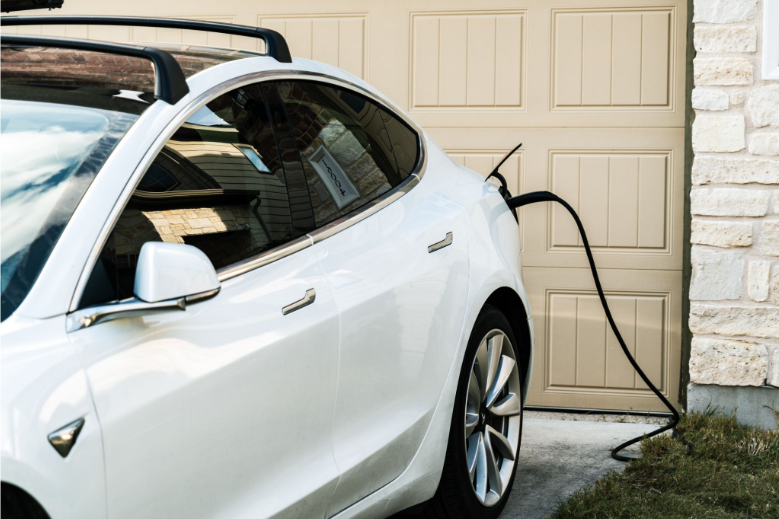
Learn how bidirectional EV charging helps homeowners in Winona and Woodland Park, SC stay powered during outages safely and efficiently.
Power outages can disrupt daily life without warning, especially during severe weather in Florence County and nearby communities. Bidirectional EV charging offers homeowners a reliable backup energy solution during emergencies. This technology allows electric vehicles to send stored power back into a home when the grid goes down. Homeowners in Winona, SC and Woodland Park, SC are exploring bidirectional EV charging to improve comfort, safety, and energy reliability.
What Is Bidirectional EV Charging?
Bidirectional EV charging allows electricity to flow both into and out of an electric vehicle battery. Unlike standard chargers, these systems can return stored power to a home's electrical system. This setup transforms an EV into a temporary backup power source during outages. As electric vehicles become more common, many homeowners are learning how valuable this technology can be.
Modern systems use advanced communication between the charger, vehicle, and electrical panel. This coordination helps maintain safe power delivery throughout the home. Many newer electric vehicles already support bidirectional charging capabilities. However, compatibility depends on the vehicle model and charging equipment installed.
Bidirectional EV charging supports several energy management applications beyond emergencies. Some homeowners use it to reduce energy costs during peak demand periods. Others rely on it to support renewable energy systems like solar panels. During outages, the system helps power essential appliances and devices.
In areas like Winona and Woodland Park, severe storms can occasionally affect utility service. Having a backup energy option helps reduce disruptions during extended outages. Homeowners appreciate the convenience of maintaining lighting, refrigeration, and communication devices. This added reliability makes bidirectional EV charging increasingly appealing.
How Bidirectional EV Charging Works During Outages
When a power outage occurs, the charging system detects the interruption automatically. The system then isolates the home from the utility grid for safety purposes. After disconnection, stored battery energy begins supplying electricity to selected circuits. This process helps maintain power without using a traditional generator.
The vehicle battery essentially becomes a mobile energy storage system. Electricity flows through the bidirectional charger into the home's electrical panel. From there, energy distributes to appliances, lighting, and critical devices. Proper system configuration ensures safe and stable power delivery.
Many homeowners choose to prioritize essential circuits during outages. Refrigerators, internet equipment, medical devices, and lighting often receive backup power first. This strategy helps maximize available battery life during emergencies. The setup also prevents unnecessary energy consumption.
Professional installation plays an important role in system performance and safety. Electricians verify compatibility between the EV, charger, and home's electrical infrastructure. They also ensure all transfer equipment meets current electrical codes. This careful setup helps homeowners use bidirectional EV charging safely and confidently.
Benefits of Using EV Backup Power
Power outages can create stress and uncertainty for homeowners, especially during severe weather in South Carolina. Fortunately, bidirectional EV charging offers a practical way to keep homes powered during emergencies. Using an electric vehicle as a backup energy source helps families stay comfortable, connected, and prepared when the grid goes down.
Provides Reliable Emergency Power
Bidirectional EV charging helps power essential household systems during unexpected outages. Homeowners can keep refrigerators, lighting, internet equipment, and medical devices operating safely. This reliable backup power reduces disruptions and improves comfort during storms and utility interruptions.
Reduces Dependence on Generators
Many homeowners want alternatives to traditional fuel-powered generators. EV backup power eliminates the need to store gasoline or manage loud generator operation. This cleaner and quieter solution offers added convenience during emergency situations.
Supports Energy Efficiency
Some bidirectional EV charging systems help homeowners manage electricity usage more effectively. Stored vehicle energy can support the home during high-demand periods or outages. This flexibility helps households use energy more efficiently throughout the year.
Improves Household Safety
Reliable backup power helps maintain lighting, communication devices, and critical appliances during emergencies. Families can stay informed and connected when severe weather affects the electrical grid. Professional installation also helps ensure safe operation throughout the system.
Offers Greater Peace Of Mind
Homeowners in Winona and Woodland Park appreciate knowing they have backup energy available during outages. Preparing ahead of time helps reduce stress during severe weather events. Bidirectional EV charging provides reassurance that important household systems can remain operational when needed most.
As electric vehicle technology continues advancing, more homeowners are discovering the advantages of EV backup power solutions. Bidirectional EV charging offers a dependable and forward-thinking way to improve emergency preparedness and energy reliability. With professional installation and proper planning, families can enjoy greater confidence during unexpected outages.
Safety Considerations for Homeowners
Safety remains one of the most important aspects of bidirectional EV charging systems. Improper installation can create electrical hazards or damage equipment. Professional electricians help ensure all components operate safely together. This includes chargers, transfer switches, and electrical panels.
During outages, homes must remain isolated from the utility grid. This process prevents electricity from flowing back into power lines unexpectedly. Backfeeding can endanger utility workers restoring service nearby. Proper transfer equipment prevents these dangerous situations.
Homeowners should also verify their vehicle supports bidirectional charging functions. Not all electric vehicles currently include this capability. Compatibility depends on the charger, vehicle manufacturer, and home electrical system. An experienced electrician can evaluate these requirements carefully.
Routine inspections also help maintain system reliability over time. Electrical connections, chargers, and safety components should remain in good condition. Preventive maintenance reduces the risk of unexpected performance issues. Consistent system care helps homeowners stay prepared year-round.
Choosing The Right Charging Equipment
Selecting the correct equipment is essential for successful bidirectional EV charging performance. Not every charger supports two-way energy flow capabilities. Homeowners should choose systems designed specifically for backup power applications. Compatibility with the vehicle model is equally important.
Charging equipment should also match the home's electrical capacity and energy needs. Some households require support for only a few essential appliances. Others may want backup power for larger portions of the home. System sizing depends on energy usage priorities during outages.
Advanced chargers often include smart monitoring and energy management features. These tools help homeowners track battery levels and power consumption. Some systems even allow remote monitoring through mobile applications. These features improve convenience and energy efficiency.
Professional guidance simplifies the equipment selection process significantly. Electricians evaluate existing infrastructure and recommend suitable solutions for each property. This personalized approach helps homeowners avoid compatibility problems later. Proper planning improves overall system performance and reliability.
Why Professional Installation Matters
Bidirectional EV charging systems involve complex electrical integration and safety requirements. Professional installation helps ensure every component operates properly under emergency conditions. Licensed electricians follow local building codes and manufacturer specifications carefully. This attention to detail protects both homeowners and utility workers.
Improper installation may lead to unreliable performance during outages. In some cases, unsafe wiring can damage appliances or electrical systems. Experienced electricians understand how to configure backup power systems correctly. Their expertise reduces risks while improving long-term reliability.
Permits and inspections are often required for these installations as well. Professional electricians help navigate these local requirements efficiently. This process ensures the installation meets all applicable electrical standards. Compliance also supports homeowner insurance and property safety.
Residents in Winona and Woodland Park benefit from working with knowledgeable local professionals. Familiarity with regional electrical codes and weather conditions supports better installation outcomes. Reliable service becomes especially important during storm season. Trusted expertise helps homeowners feel prepared for emergencies.
Preparing Your Home for Power Outages
Preparing ahead of time improves the effectiveness of any backup energy system. Homeowners should identify essential devices and appliances before outages occur. This planning helps prioritize energy usage during emergencies. Clear preparation reduces unnecessary stress when storms arrive.
Keeping the EV battery adequately charged is also important. A low battery limits the amount of backup power available during outages. Many homeowners develop charging routines before severe weather events. This habit improves readiness throughout hurricane and storm seasons.
Energy conservation can further extend backup power duration significantly. Turning off unnecessary lighting and electronics preserves battery capacity. Efficient energy use allows critical systems to remain operational longer. Small adjustments can make a noticeable difference during extended outages.
Regular communication with a qualified electrician supports long-term preparedness. Electrical professionals can evaluate system performance and recommend upgrades if needed. Ongoing support helps maintain reliable emergency backup capabilities. Preparation today improves safety tomorrow.
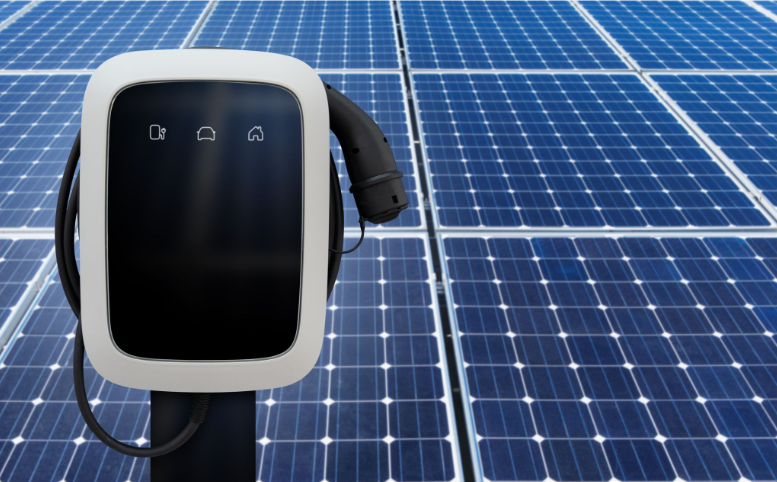
Photo from iStock - Credit: Scharfsinn86
The Future of Emergency Home Power
Bidirectional EV charging continues gaining popularity as electric vehicle adoption increases nationwide. More manufacturers are introducing vehicles with two-way charging capabilities. This growth is expanding homeowner access to backup energy solutions. The technology is expected to become even more common in coming years.
Communities across South Carolina are exploring smarter energy management options as well. Homeowners increasingly value resilience during severe weather and grid disruptions. Flexible backup power systems support these evolving energy priorities. Bidirectional charging aligns with these modern reliability goals.
Future systems may integrate more seamlessly with solar panels and battery storage technologies. These combinations could provide even greater energy independence during outages. Improved smart home technology may also enhance system automation and efficiency. Continued innovation is shaping the future of residential energy management.
For homeowners in Winona and Woodland Park, planning ahead remains important. Investing in reliable backup power solutions helps reduce uncertainty during emergencies. Bidirectional EV charging offers a practical and forward-thinking option. This technology supports comfort, safety, and peace of mind.
Conclusion
Bidirectional EV charging is changing how homeowners prepare for unexpected power outages. Instead of relying only on traditional backup systems, families can now use their electric vehicles as dependable energy sources. This technology helps reduce disruptions while keeping important household systems running during emergencies. As more electric vehicles support this capability, homeowners are gaining greater flexibility and peace of mind.
Homeowners in Winona and Woodland Park are increasingly exploring smarter energy solutions for storm preparedness. Bidirectional EV charging offers a convenient way to maintain lighting, refrigeration, communication devices, and other essentials when utility service fails. Proper planning and professional installation help ensure the system operates safely and efficiently. This added reliability can make a significant difference during severe weather events.
Another important advantage involves long-term energy resilience and convenience. Many homeowners appreciate having a backup power source already available in their driveway. Unlike fuel-powered generators, EV backup systems operate quietly and require less ongoing maintenance. This cleaner approach supports both comfort and modern energy management goals.
As energy technology continues evolving, bidirectional EV charging is expected to become even more common in residential homes. Families who prepare now can improve safety, reduce uncertainty, and strengthen emergency readiness for the future. Working with qualified electrical professionals helps ensure every component functions properly when outages occur. With the right setup, homeowners can enjoy greater confidence and dependable backup power year-round.
Stay Powered During Outages with Bidirectional EV Charging
Need reliable backup power solutions for your home? Mister Sparky of Florence, SC can help you explore safe and professional bidirectional EV charging options designed for your household needs.